
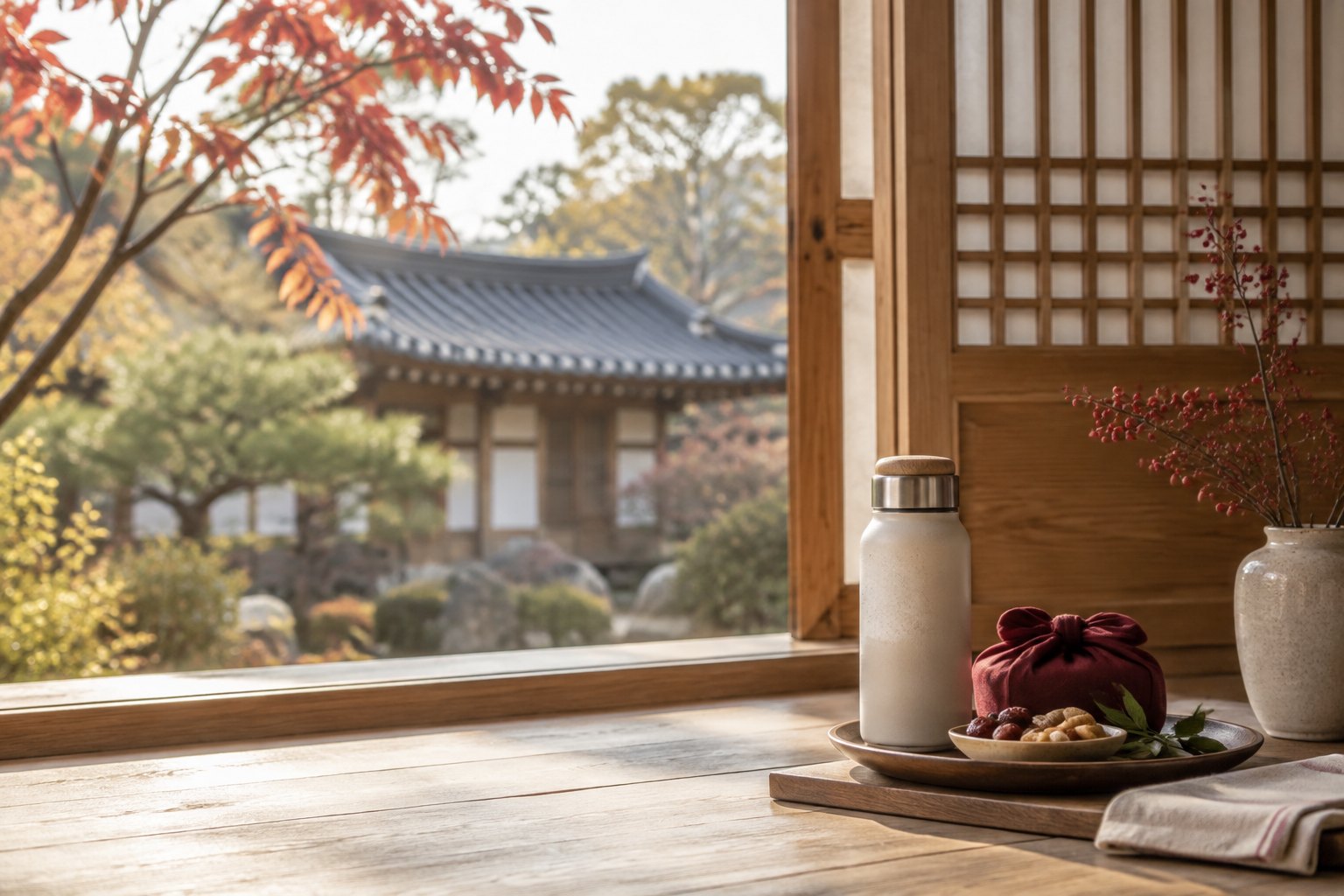
There are things I often hear in the clinic before the holidays: “I went to rest, but I became more tired,” and “After eating greasy food, my stomach has felt uncomfortable for days.” During the holidays, sleep time, meal size, and activity levels can all change at once. I see the core of holiday health management as “a rhythm that does not overdo it.”
For long-distance driving, rest before fatigue sets in
Driving fatigue often appears in concentration before it appears in the body. Even if you feel you are fine, if your reactions slow down, you become more irritable, or it becomes harder to yield to others, it is time to rest. When driving for a long time, I recommend getting out of the car at regular intervals and gently loosening the neck, shoulders, lower back, and hip joints.
If the air inside the car is stale, drowsiness and headaches can become worse. Simply opening the windows to ventilate, taking deep breaths, and lowering tension can help reduce the burden on the body.
Match holiday foods to the stomach’s pace
Jeon, meat, rice cakes, and alcohol are foods that are easy to eat more of than usual. However, the stomach cannot immediately process a sudden increase in the amount of food. When you feel bloated and nauseated, the priority is to give the stomach time to empty rather than eat more.
- Serve yourself a little less than your usual meal amount and eat slowly.
- If you feel acute indigestion, avoid greasy foods and alcohol, and do not force yourself to eat more.
- If you are on dietary control for diabetes, high blood pressure, or heart or kidney disease, maintain your existing principles during the holidays as well.
- Do not stop medications you are taking on your own, and follow the guidance of your prescribing medical team about whether alcohol is allowed.
After grave visits and grass cutting, check the skin and fever
After outdoor activities in autumn, be careful about infections caused by contact with ticks, field mouse droppings, or contaminated water. It is best not to sit or lie directly on grass, and to wear long clothing and gloves. Be careful that injured skin does not come into contact with stagnant water such as rice paddies or puddles.
After outdoor activities, shower and check folded areas such as the armpits, waistline, and behind the knees. If you develop a fever or severe body aches, or if a skin rash or a lesion that looks like a black scab appears, I recommend seeking medical care.
Do not rub eye or skin injuries
When cutting grass, collecting chestnuts, or doing fieldwork, small stones, twigs, or plant fragments can fly into the eyes. If you feel something in your eye, do not rub it; gently rinse with clean water or saline, and then it is safer to receive ophthalmologic care. Wearing protective glasses can help reduce unexpected injuries.
- If eye pain, blurred vision, or halos around lights persist, we recommend ophthalmologic care.
- If you have chest pain, severe shortness of breath, paralysis on one side of the body, slurred speech, or decreased consciousness, use 119 or an emergency room first.
- When severe abdominal pain, repeated vomiting, or a high fever is present, it is better not to wait until the holiday is over.
Holiday health management starts with keeping the basics rather than special methods. Take breaks when driving, serve yourself smaller portions, and check for changes in your body after outdoor activities. I hope you will notice your body’s signals a little early so you can return comfortably to daily life after joyful gatherings.