
Main ClinicWomen's Health
UTERINE & OVARIAN DISEASES
Uterine and Ovarian Diseases (Ovarian Cysts · Endometrial Polyps · Uterine Fibroids · Adenomyosis · Endometriosis · Chronic Vaginitis)
Were you told during a checkup that you “have a growth,” and are you just watching it?
Rather than simply feeling reassured because surgery is not needed right away, this is a time to care for your overall condition as well. We help according to your situation, from conservative treatment to recovery after surgery and recurrence management.
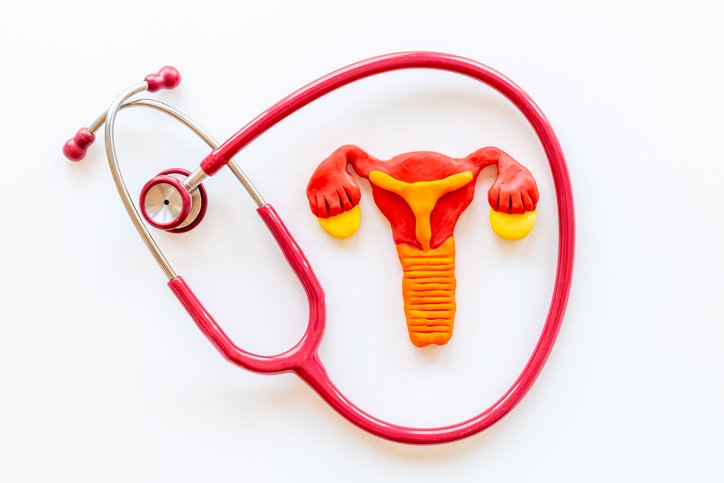
of Hoechundang care
- POINT 01
We plan according to each situation, from conservative treatment before surgery to recovery and recurrence management after surgery or treatment procedures
- POINT 02
We follow a treatment principle of first replenishing the body's vital essence and qi (正氣), rather than only targeting the mass
- POINT 03
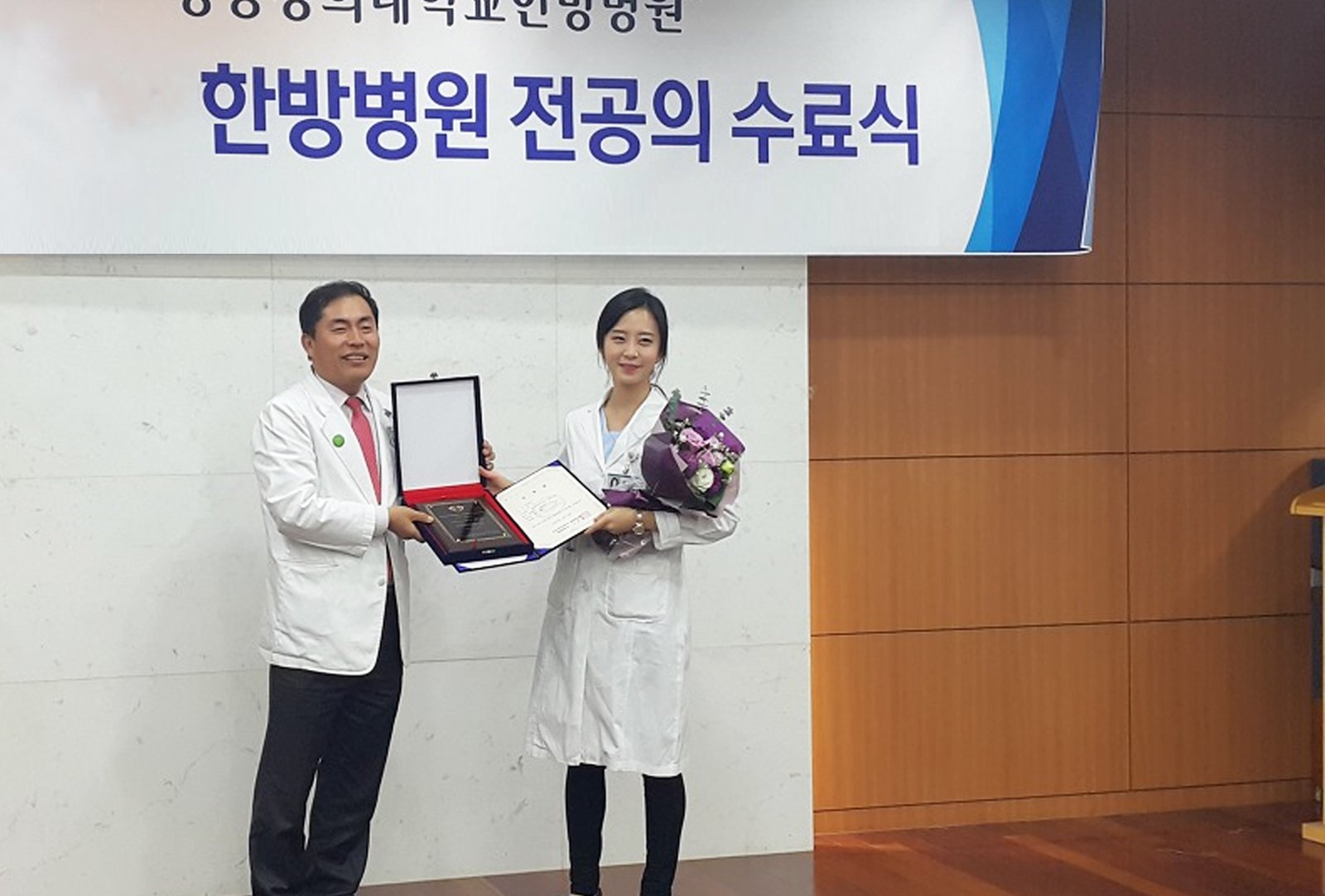
A female Korean medicine doctor who has published an SCI(E)-level paper based on Women's Health Clinic research provides care
01SELF CHECK
Do You Have These Concerns?
0/ 8
Tap the items that apply to you.
02WHY IT HAPPENS
Diseases That Occur in the Uterus and Ovaries
In Korean medicine, menstrual and discharge patterns are viewed as measures of women's health. Masses that develop in the uterus and ovaries are called jingga (癥瘕), and chronic vaginitis and pelvic inflammatory disease are called daeha (帶下). We look for causes by viewing them not only as hormonal issues, but also as problems in the interaction among multiple organ systems.
- 01
Causes from the Korean Medicine Perspective
When menstruation does not flow well, or when residual blood waste remains after illness or childbirth and combines with stress, cold influence, food accumulation (食積: undigested, stagnant waste), and damp-phlegm, eohyeol (blood stasis) can develop. Eohyeol can also develop more easily when qi and blood are deficient due to overwork. We view this clumped eohyeol as the fundamental cause of masses (jingga).
- 02
Ovarian Cyst
This is a fluid-filled cyst that forms in the ovary when a follicle does not mature or release properly, and it is common and mostly benign. If it grows larger, symptoms such as irregular menstruation, dysmenorrhea, urinary problems, indigestion, obesity, edema, headache, nausea, and pelvic inflammatory disease may appear. We view it as being related to ovulation caused by hormonal stimulation, Westernized eating habits, chronic fatigue, and hormone disruption due to stress.
- 03
Endometrial Polyps
These are portions of endometrial tissue that grow excessively and protrude like small projections. They are common enough to occur in about 5% of women, but most cause no symptoms and are often found incidentally during an ultrasound checkup. They are not malignant, but if left untreated, they can become a cause of infertility or abnormal bleeding.
- 04
Uterine Fibroids · Adenomyosis
Uterine fibroids are the most common benign tumors that develop in the uterus, mainly caused by genetic abnormalities and hormonal influences. They can cause increased menstrual flow and anemia, pelvic pain and pain during intercourse, and frequent urination or constipation due to pressure on the bladder and intestines, and they can interfere with implantation, increasing the likelihood of infertility or miscarriage. Adenomyosis is a condition in which tissue from inside the uterus grows into the muscle layer, thickening the uterus; it may occur together with fibroids and worsen dysmenorrhea, heavy menstruation, and frequent urination.
- 05
Endometriosis
Endometriosis is a condition in which endometrial tissue is located outside the uterus, such as on the ovaries, fallopian tubes, or peritoneum. During menstruation, bleeding also occurs in those areas, causing dysmenorrhea, pelvic pain, and pain during intercourse; if adhesions form with nearby organs, the possibility of infertility increases. Because recurrence is common, it is important to help the body process refluxed menstrual blood well on its own by regulating the immune system.
- 06
Chronic Vaginitis · Pelvic Inflammatory Disease
Inside the vagina, beneficial bacteria maintain an acidic environment. When vaginitis recurs, sticky discharge, odor, pimples, swelling, itching, and stinging can make daily life uncomfortable and may lead to other uterine conditions such as pelvic inflammatory disease. In Korean medicine, we view dampness (濕), which develops when spleen and stomach function is weak, fluid metabolism is not smooth, and immunity is lowered, as a main cause.
03WHY TREAT EARLY
If It Is Brushed Off as Minor
Many women underestimate gynecologic conditions or do not visit a clinic, missing the right time for treatment. Even if polyps, cysts, or fibroids are removed surgically and vaginitis is treated with antibiotics, recurrence can occur if qi and blood are deficient and organ function and lifestyle habits remain unchanged. Ovarian cysts have a high possibility of recurrence even after surgery, and decreased ovarian function or abdominal and pelvic pain may also occur.
PROCESS
How Care Proceeds
- 01
Consultation · Pulse Diagnosis
We listen carefully to your symptoms, lifestyle habits, and treatment history, then assess your condition through pulse and tongue diagnosis.
- 02
Detailed Testing
We check organ function, energy level, and autonomic nervous system balance with tests suited to your condition.
- 03
Pattern Identification · Diagnosis
We combine your test results and constitution to find the underlying cause of your symptoms.
- 04
1:1 Customized Prescription
We design the needed treatments for each person, including herbal medicine, acupuncture, pharmacopuncture, and moxibustion.
- 05
Progress Management
We monitor your progress through regular tests and consultations and adjust prescriptions as needed.
04DIAGNOSIS
We Check Whether the Uterus Is Inherently Weak or Circulation Is the Issue
 TEST 01
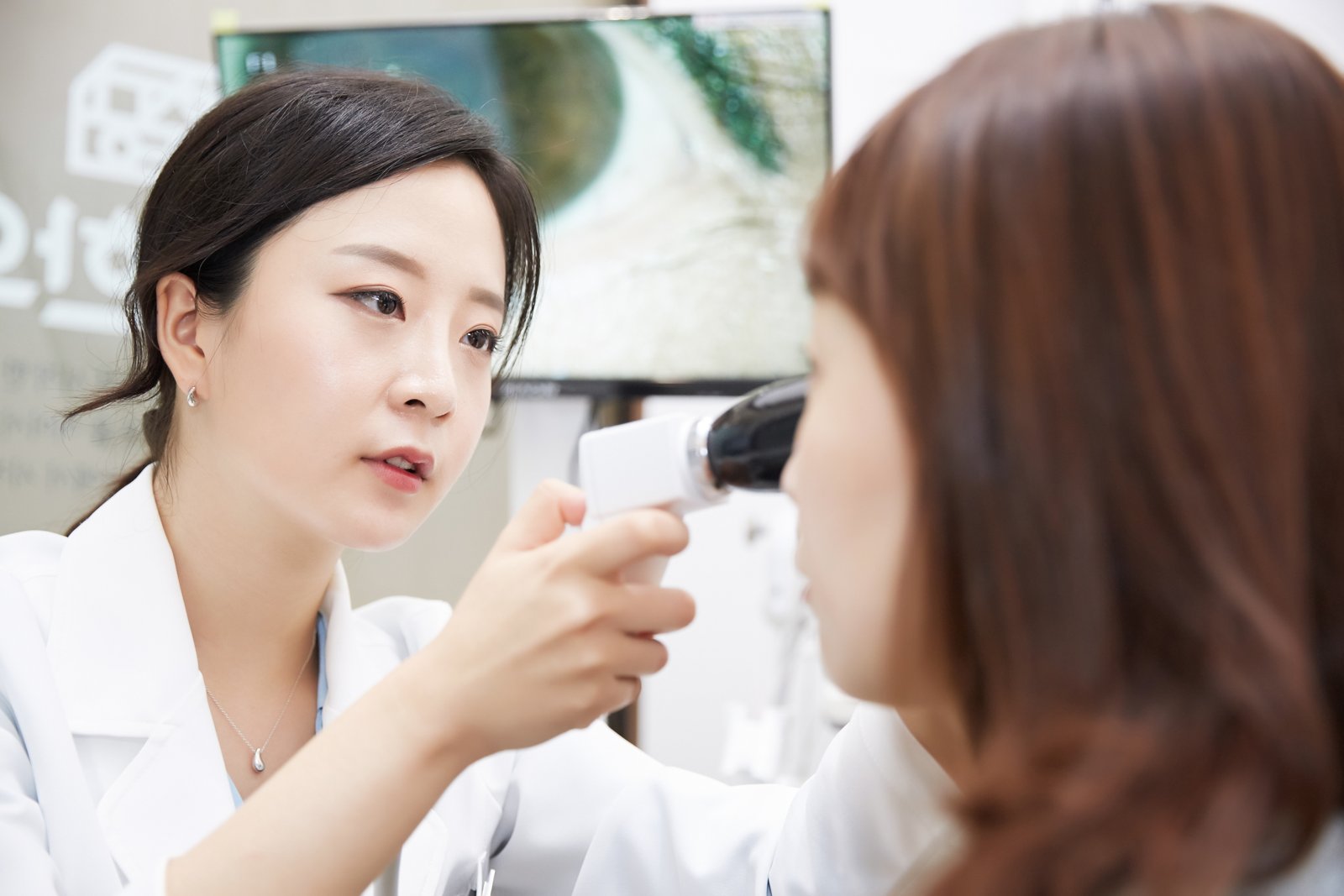
Iris Genetic Constitution Test
We comprehensively examine genetic strengths and weaknesses, constitutional imbalance, emotional responses, and autonomic nervous system balance. We assess whether the uterus is constitutionally weak from birth and whether cold-heat (寒熱) balance, circulation, toxins, and stress are affecting current symptoms, then establish a comprehensive treatment plan. The test can be performed comfortably even if you come wearing contact lenses.
 TEST 02
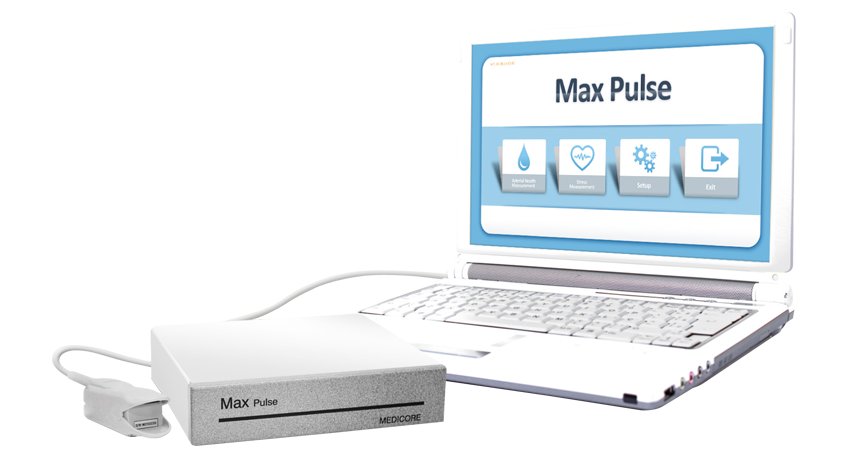
Heart Rate Variability (HRV) Autonomic Nervous System Test
We check the activity and balance of the sympathetic and parasympathetic nerves. When the autonomic nervous system is disrupted, organ movement may slow and the body may become more sensitive, so we consider this important in women's health conditions affected by stress and tension.
 TEST 03
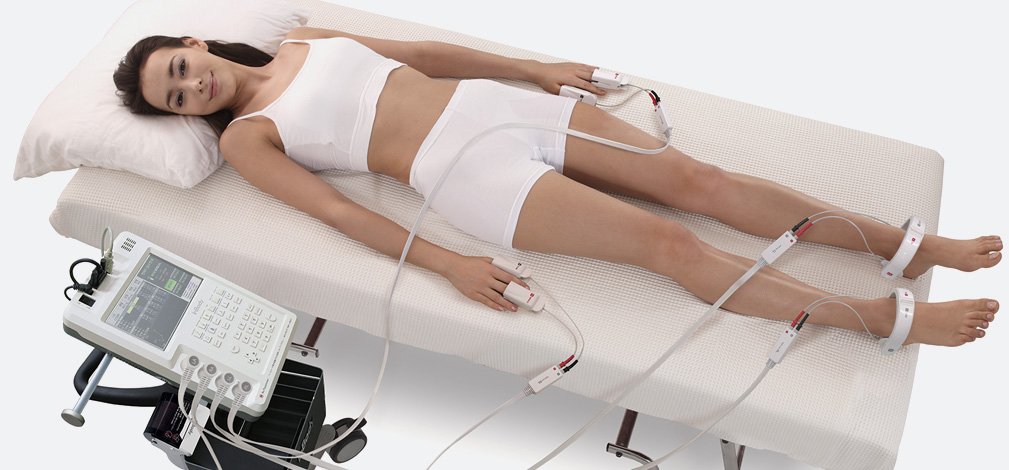
Cellular Health Immunity Test (InBody S10)
We evaluate cellular function, immune, circulation, and nutritional status, as well as body water, body fat, and muscle loss. We identify causes by closely checking energy level, nutritional deficiency or excess, fluid balance, and body fat percentage.
If you bring results from previous tests, such as blood tests, we can provide a more thorough consultation.
05TREATMENT
Treatment Tailored to Your Situation — From Conservative Treatment to Post-Surgery Care
We treat according to each patient's situation: how to proceed conservatively, or if surgery or a treatment procedure was unavoidable, how to reduce discomfort and help prevent recurrence. The basic goals are to warm the uterus so menstrual blood can be discharged cleanly, and to help balance the hypothalamic-pituitary-ovarian axis to support recovery of uterine and ovarian function.
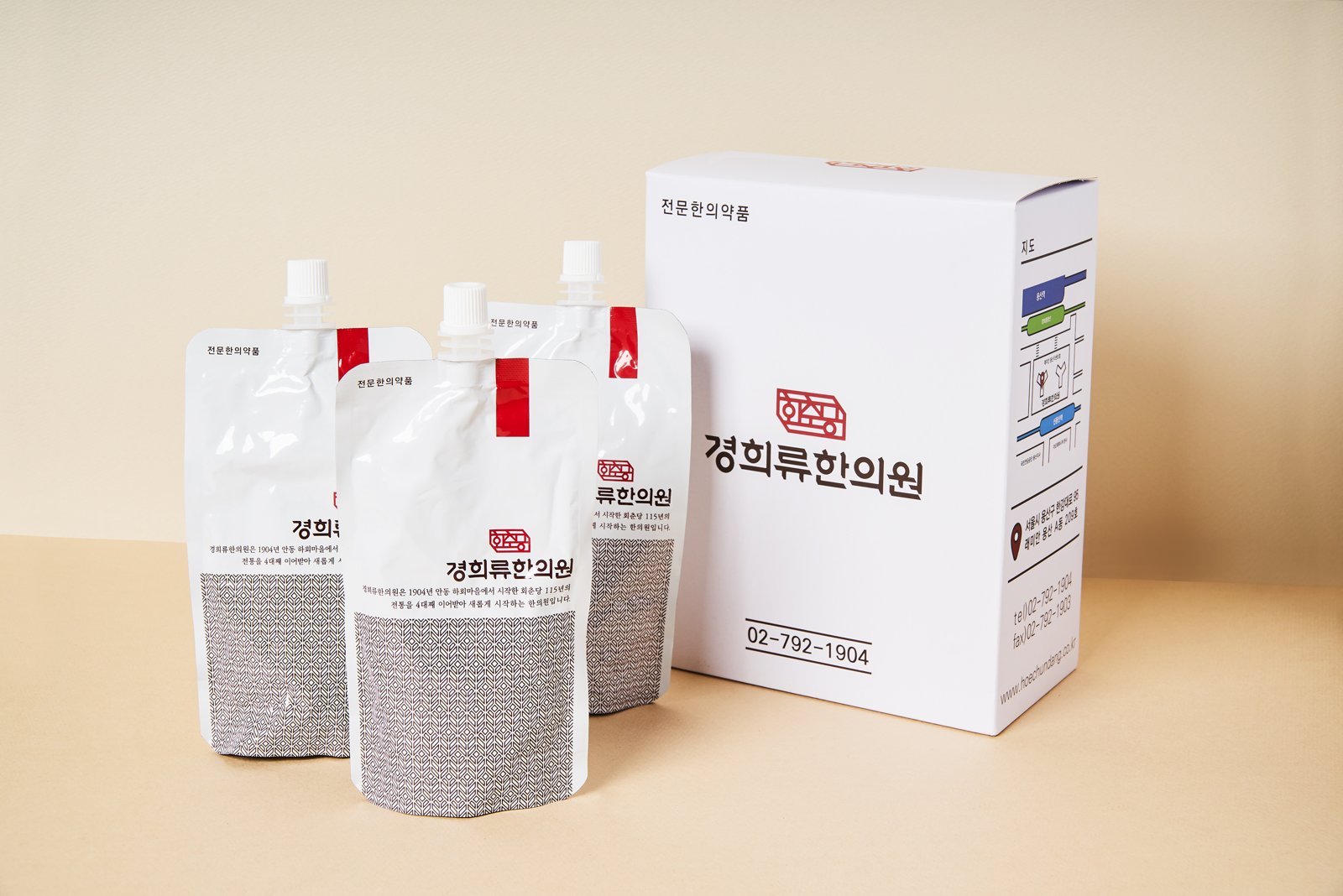
One-on-One Personalized Herbal Decoction
We prescribe after considering constitution, severity of symptoms, duration of illness, and lifestyle habits together. We decide whether to focus on therapeutic medicine to reduce discomfort or on a combined therapeutic and restorative herbal medicine approach that also replenishes decreased uterine and ovarian function, gastrointestinal function, and energy. Herbs are added or adjusted (加減) according to individual symptoms.
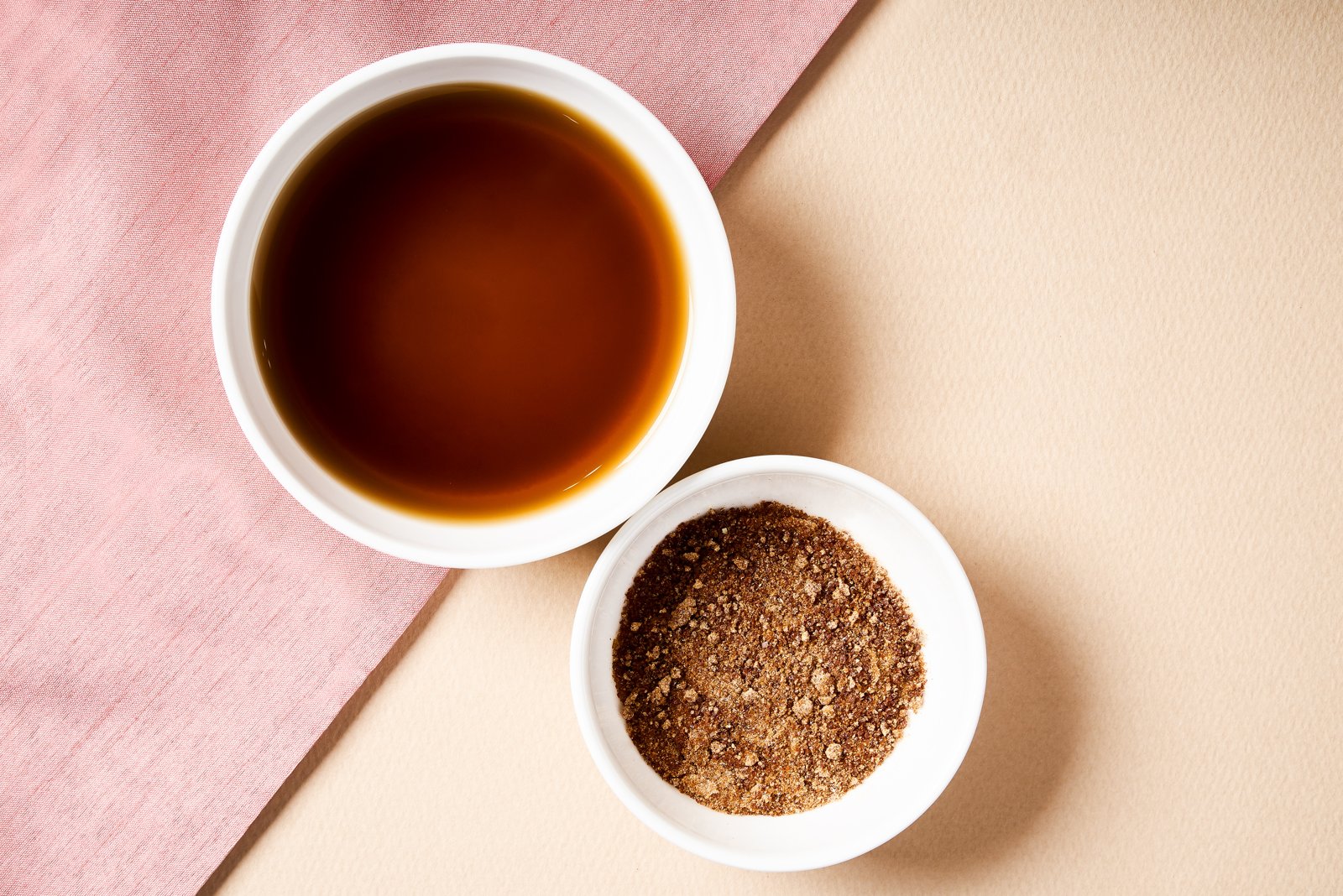
Eohyeol (Blood Stasis) Circulation Extract Powder
At our In-House Herbal Medicine Research Lab, herbal decoctions boiled for about 3 hours are prepared as highly concentrated extract powders and capsules, making them easy to carry and take. This is a therapeutic medicine that helps blood circulation and relieves eohyeol to manage pain and menstrual-related discomfort associated with uterine and ovarian diseases. It is mainly used together with decoctions, and after treatment stabilizes, it may be continued for menstrual management.
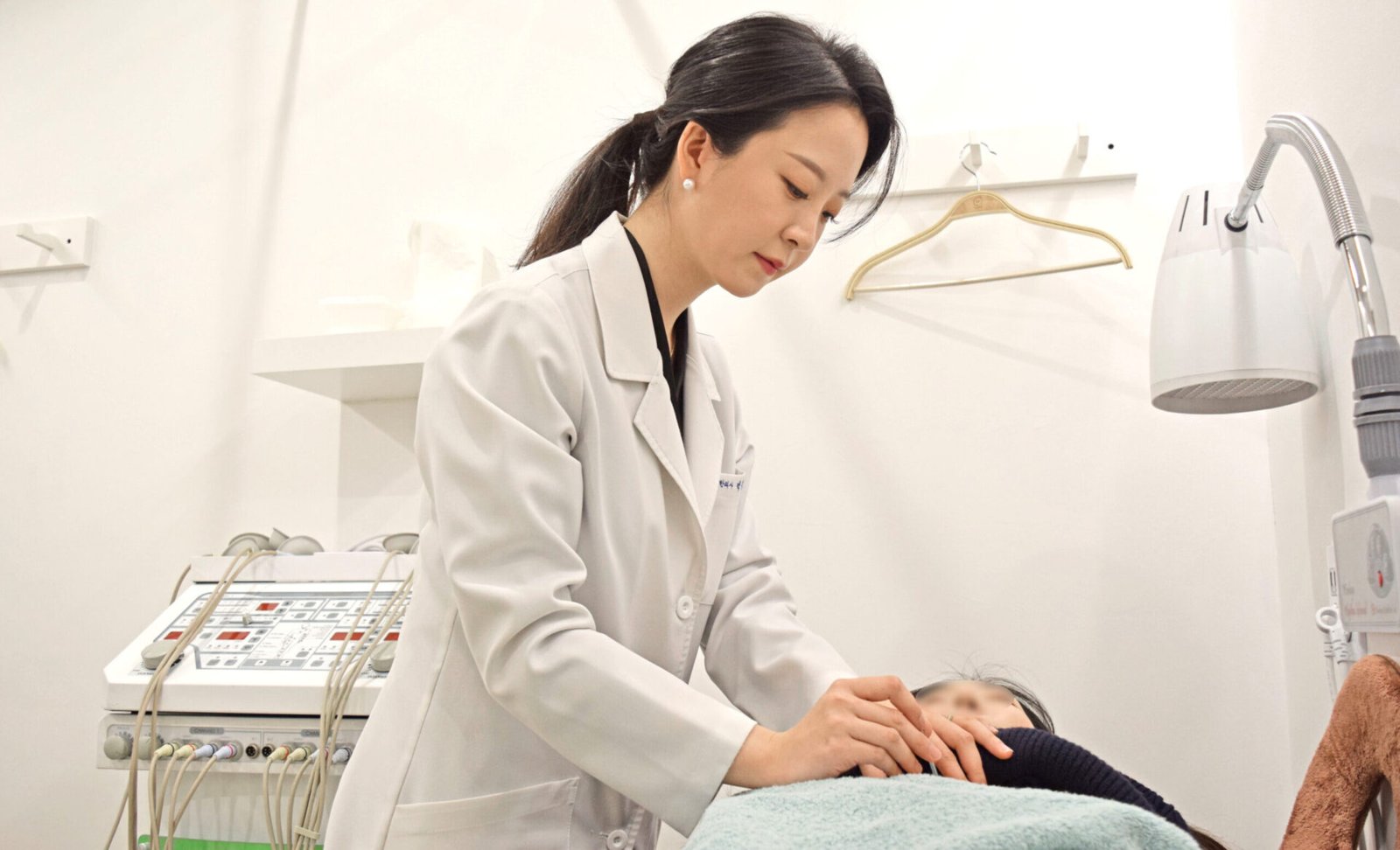
Bowi · Bogung Acupuncture Treatment
For those with a weak constitution and insufficient blood flow, it is important to increase blood flow to the uterus and improve the uterine immune environment. Based on symptoms and pattern identification, we select acupuncture points on the abdomen, back, arms, and legs to help circulation of qi and blood in the lower abdomen and recovery of uterine and ovarian function, while addressing disrupted autonomic nervous system balance.
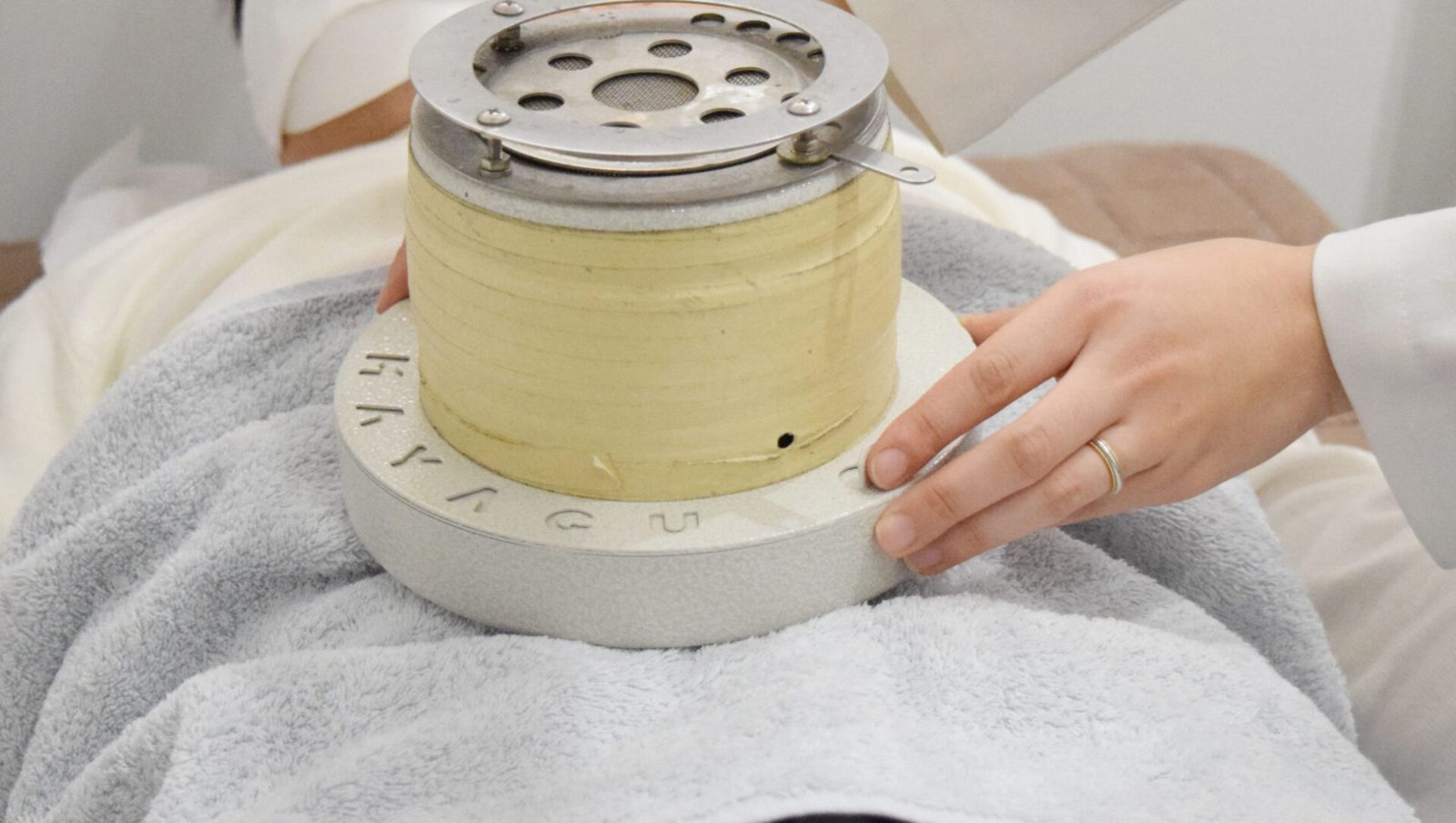
Abdominal Large Moxibustion
We apply moxibustion mainly to the abdomen, including the Jungwan, Hawan, Gwanwon, and Gihae points, to help blood circulation and address coldness in the lower abdomen and metabolic imbalance. It is smokeless (無煙) moxibustion made with Ganghwa mugwort and hinoki cypress together with charcoal, so there is less smoke and odor and reduced allergy burden.
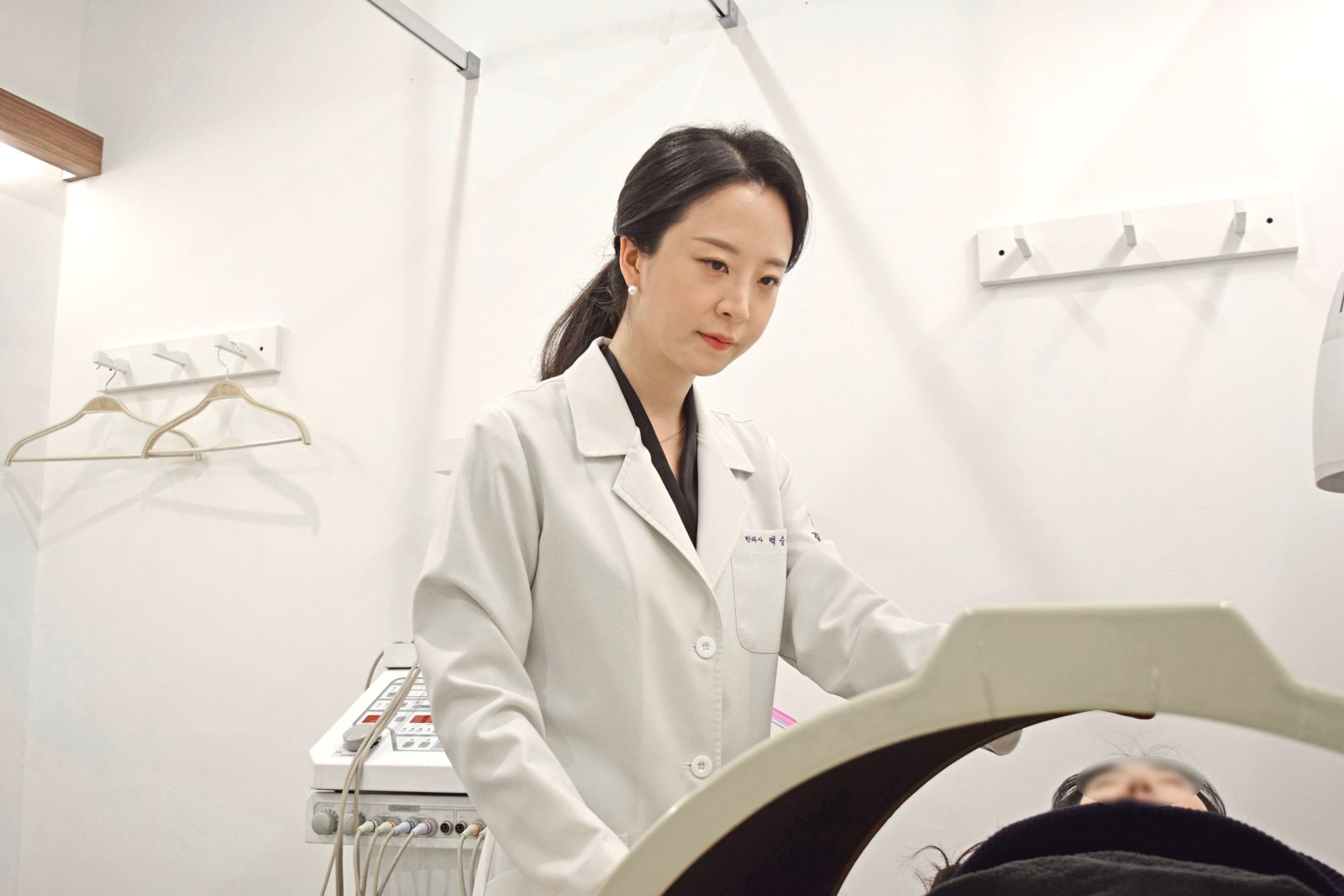
Aroma Heat Therapy
For those with severe coldness, we provide heat therapy that warms the hands, feet, and abdomen together. Certified organic aroma oils from the International Federation of Aromatherapists are blended for uterine circulation and tension relief so that heat stimulation can be delivered deeply.
Most patients take herbal medicine while receiving acupuncture and moxibustion treatment 2–3 times per week.
06TREATMENT STEPS
Treatment Proceeds in 3 Steps
- STEP 1
Accurate Diagnosis
We comprehensively assess symptoms, menstrual patterns, pulse diagnosis, abdominal diagnosis, and test results. Even with the same diagnosis, treatment differs from person to person depending on whether the cause is eohyeol, food accumulation, or phlegm-fluid, and whether the body is deficient or excessive.
- STEP 2
Bowi (Tonifying the Stomach) · Bogung (Tonifying the Uterus) Treatment to Nourish Vital Essence and Qi
Depending on the cause, the basics are to clear eohyeol, food accumulation, or phlegm-fluid. However, uterine and ovarian tumors are often deficiency patterns, so according to the Korean medicine principle of “when healthy qi is nourished, accumulations resolve on their own” (養正積自除), we do not use aggressive medicines for a long time, and instead replenish energy and immunity first. For chronic vaginitis and pelvic inflammatory disease as well, we supplement qi, blood, and body fluids and strengthen spleen, stomach, and kidney function.
- STEP 3
Ongung (Warming the Uterus) Care After Surgery or Treatment
We warm the uterus and ovaries to drive out damp-phlegm and cold influence and maintain healthy blood flow. If surgery or a treatment procedure was performed, we help reduce the discomfort afterward, support recovery, and manage the body and lifestyle habits together to help reduce recurrence.
CONSULTATION
Consider a consultation before symptoms become long-standing
If you bring your test results, we will review your current condition together.
07EXPERTISE
A Female Korean Medicine Doctor Also Looks After Concerns Across the Life Cycle
First author of an SCI-level paper on Women’s Health Clinic patients
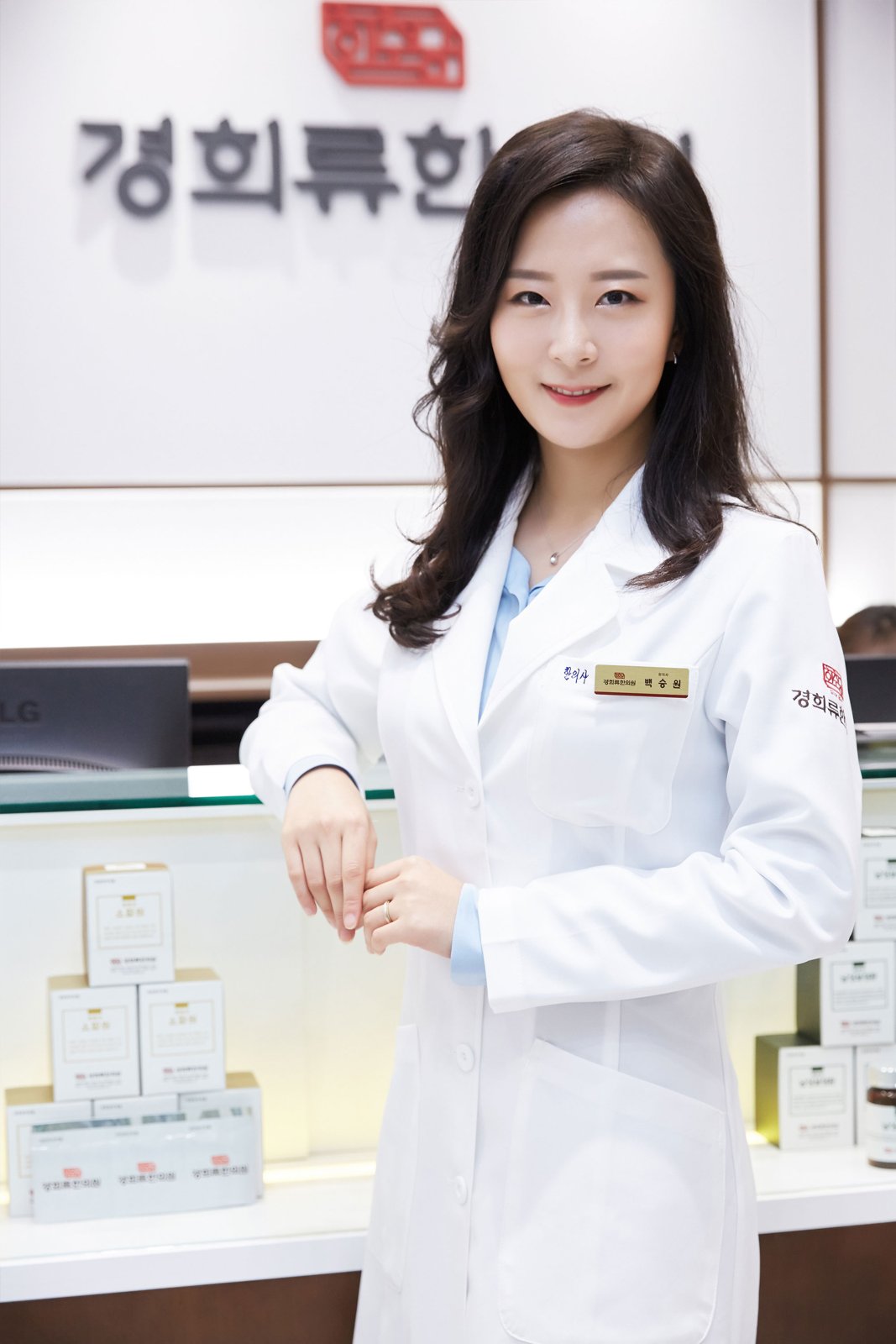
4th-Generation Married Korean Medicine Doctors · First Author of an SCI-Level Paper on Women’s Health
Dr. Seungwon Baek, Director
- Entered Sangji University College of Korean Medicine at the top of the class · Graduated salutatorian
- Master’s Program in Clinical Korean Medicine, Kyung Hee University
- Specialist Training Program, Department of Acupuncture and Moxibustion Medicine (Facial Palsy Center · Spine and Joint Center), Kyung Hee University Korean Medicine Hospital at Gangdong
- Certified Korean Medicine Doctor in Korean Medicine Obesity Treatment
Women's HealthDiet & BeautyPediatricsFacial PalsyPain · Traffic Accidents
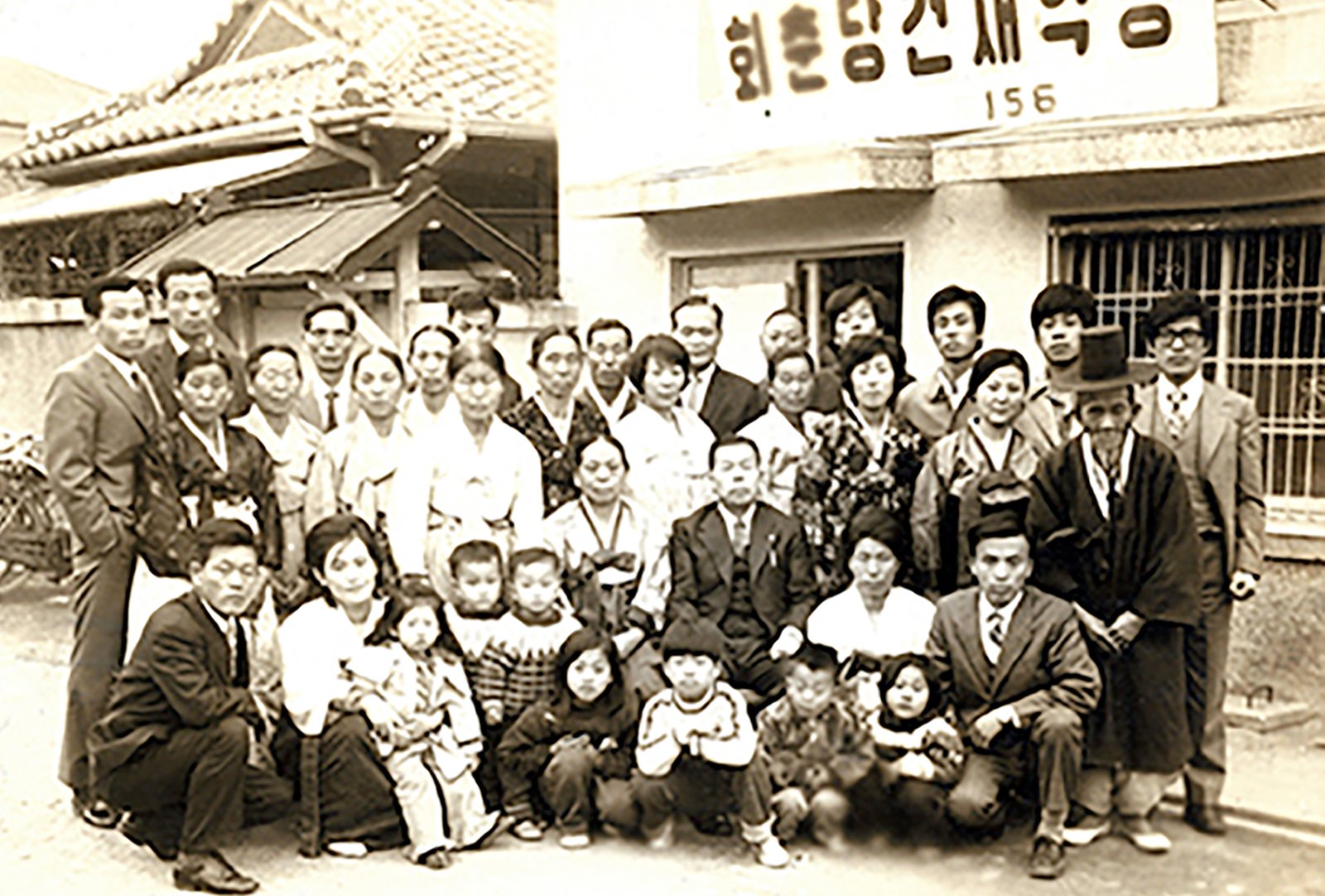
- We bring into care Hoechundang's women's health prescriptions, continued for four generations since 1904, in keeping with the wishes of the great-grandmother who was a pillar of Hoechundang.
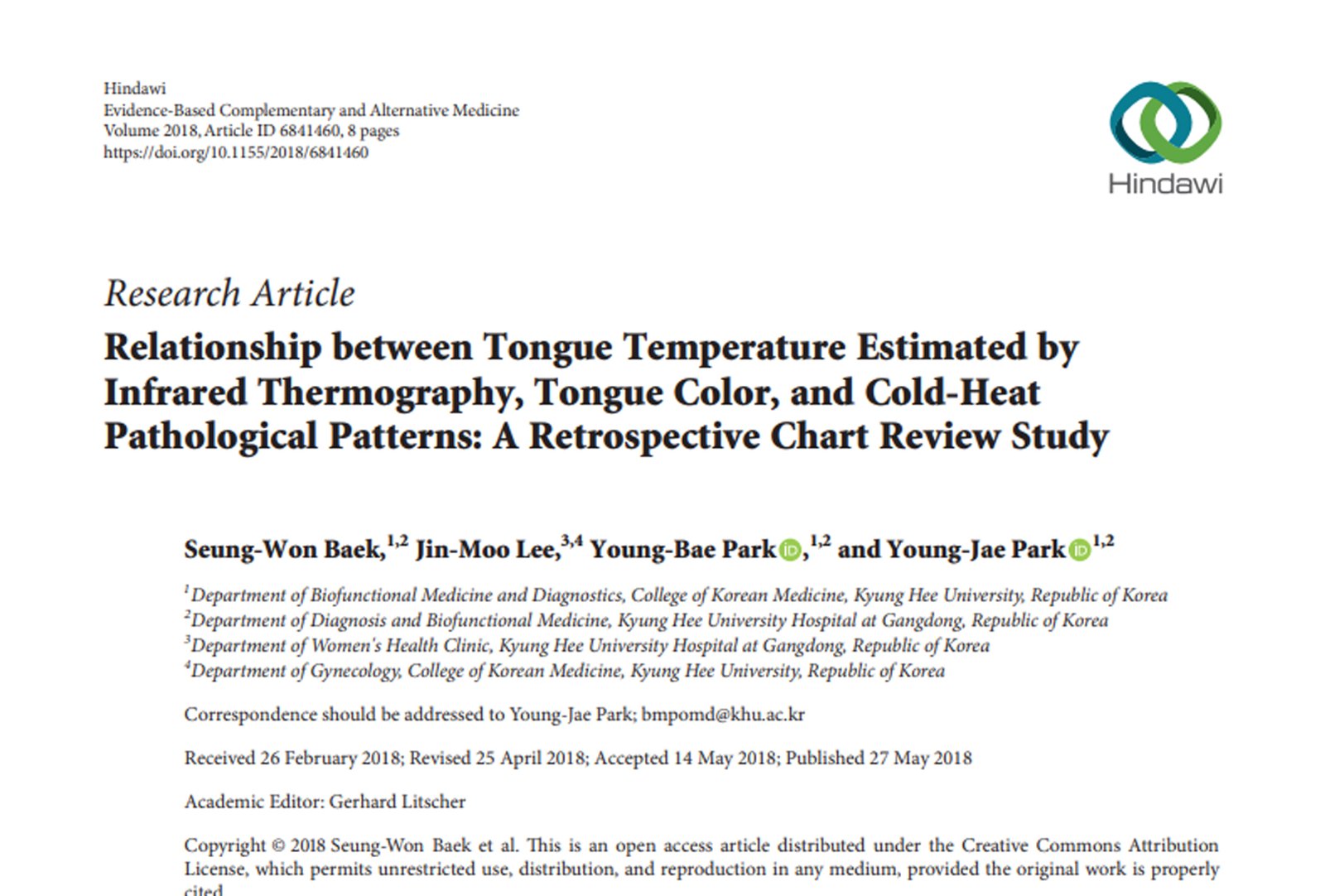
- Dr. Seungwon Baek, Director, trained at Kyung Hee University Korean Medicine Hospital and is the first author of an SCI(E)-level paper on the relationship between tongue diagnosis (舌診: examination of the tongue) and cold-heat pattern identification in Women's Health Clinic patients.
- We establish timely treatment plans according to the stage of the tumor, the pattern of vaginitis, and your current physical condition.
Related research
Relationship between Tongue Temperature Estimated by Infrared Thermography, Tongue Color, and Cold-Heat Pathological Patterns: A Retrospective Chart Review Study
This study retrospectively analyzed the medical records of Women's Health Clinic patients and examined the correlation between tongue temperature and tongue color measured by infrared thermography and cold-heat (寒熱) pattern identification.
disclaimers.paper
WHY HOECHUNDANG
Why Choose Hoechundang Kyunghee Ryu Korean Medicine Clinic
- 01
For 4 Generations Since 1904
For 4 generations, we have carried on Hoechundang’s treatment principle of seeing the stomach and intestines as the foundation of health.
- 02
Family Medical Team from Kyung Hee University Korean Medicine Hospital
Dr. Bongha Ryu, Honorary Director, who twice served as director of Kyung Hee University Korean Medicine Hospital and as a presidential physician; Dr. Hansung Ryu, Chief Director, a Korean medicine internal medicine specialist; and Dr. Seungwon Baek, Director, first author of an SCI-level paper on women’s health, provide care together.
- 03
Prepared In-House at Our Herbal Medicine Research Lab
Based on the research of our affiliated Herbal Medicine Research Institute, we prepare prescriptions in-house and use verified herbal ingredients at a level supplied to Kyung Hee University Korean Medicine Hospital.
- 04
15 Acupuncture and Moxibustion Treatment Rooms
We expanded our treatment rooms so patients can receive a variety of treatments, such as acupuncture, pharmacopuncture, Cupping, large moxibustion, radiofrequency, thermal dome therapy, Chuna Manual Therapy, and traction therapy, with minimal waiting.
08FAQ
Frequently Asked Questions
QIf I have a growth, do I definitely need surgery?
Ovarian cysts may disappear on their own within a few months, but if they grow larger than 8cm or there is concern about torsion or rupture, surgery may be needed. Based on an obstetrics and gynecology diagnosis, we establish a treatment plan appropriate to your situation, whether for conservative management or to help recovery after surgery.
QWhat changes mean I should get tested?
If your menstrual cycle has become irregular over the past three to four months, your menstrual flow has suddenly changed, or you have developed dysmenorrhea that you did not have before, diagnosis and testing are needed.
QCan Korean medicine treatment help even after surgery?
After laparoscopic surgery, abdominal pain, pelvic pain, low back pain, abdominal bloating, indigestion, urinary problems, and decreased stamina are common. We provide care to relieve these discomforts, support recovery, and help reduce recurrence by replenishing qi, blood, and organ function.
QMy vaginitis keeps recurring.
Unlike acute infections, chronic vaginitis often recurs when immunity is weakened. We replenish qi, blood, and body fluids, warm the uterus, and strengthen spleen-stomach and kidney function to help restore the vaginal environment and prevent recurrence.
QHow Often Do I Receive Treatment?
Most patients take herbal medicine while receiving acupuncture and moxibustion treatment 2–3 times a week. We will guide you on the duration and frequency after assessing your condition during your visit.
CONSULTATION
Consider a consultation before symptoms become long-standing
If you bring your test results, we will review your current condition together.
RELATED
Related Care
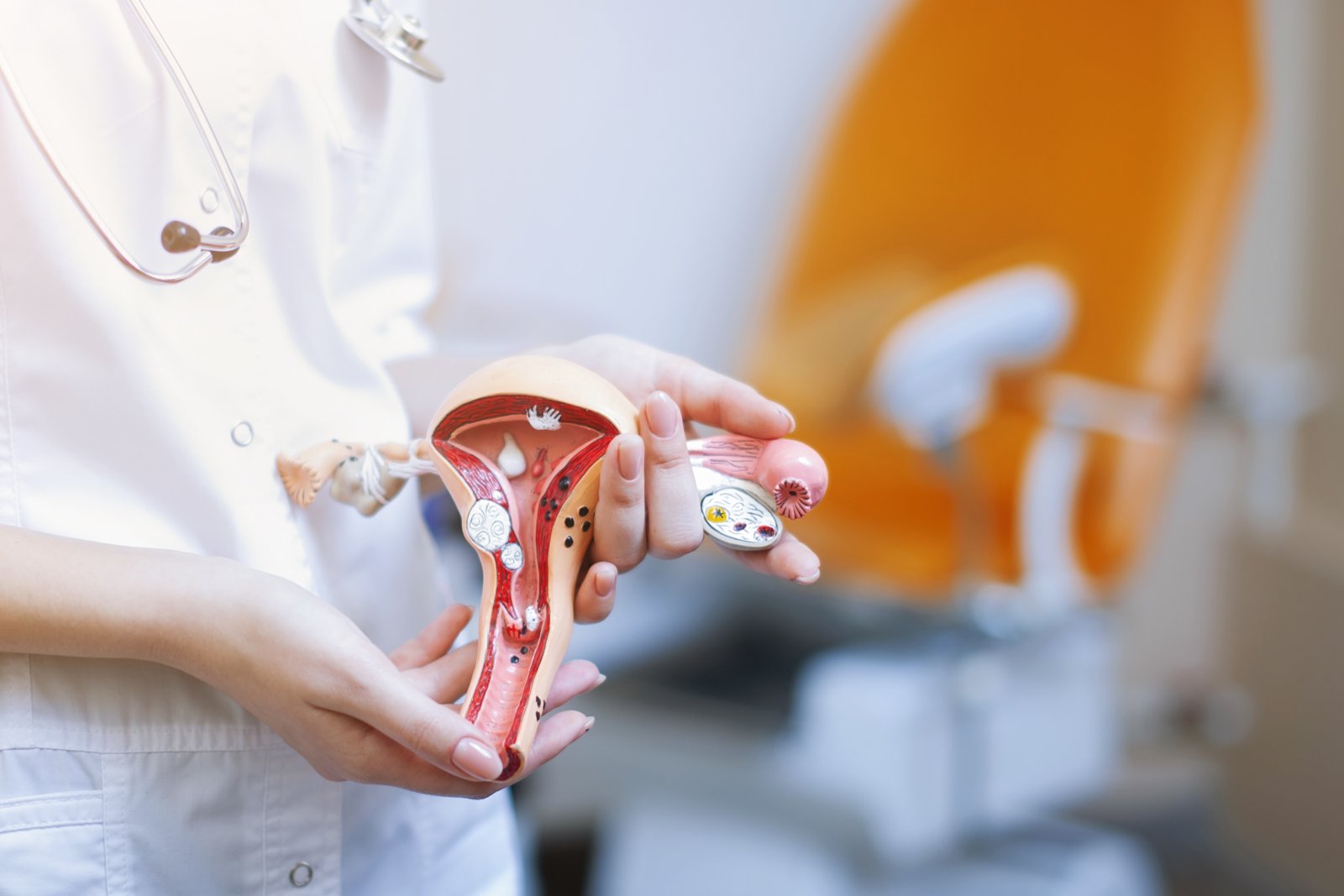 Women's HealthDysmenorrhea and Irregular PeriodsDo you reach for pain relievers every time your period starts?Learn more
 Women's HealthInfertility and Recovery After MiscarriageAs the waiting grows longer, your body and heart may feel worn downLearn more
 Women's HealthMenopausal SyndromeDo you suddenly feel hot and sweaty, or get angry for no clear reason?Learn more
RESERVATION
Uterine and Ovarian Diseases (Ovarian Cysts · Endometrial Polyps · Uterine Fibroids · Adenomyosis · Endometriosis · Chronic Vaginitis):
start with a consultation
Leave your details and we will contact you in order during clinic hours. First-time visitors are welcome — we start by carefully understanding your current condition.
+82-2-792-1904- Mon · Tue · Wed · Thu09:30 – 19:30
- Fri09:30 – 18:30
- Sat09:30 – 14:30 (open without a lunch break)
- LunchWeekdays 13:30 – 14:30