
Main ClinicWomen's Health
POSTPARTUM CARE
Postpartum Care
After childbirth, do you feel like you are not recovering no matter how much you rest?
The 6-week postpartum period is a time of recovery that can affect lifelong health. We support you step by step, from lochia discharge to restoring energy, sanhupung (postpartum wind disorder), edema, and weight management.
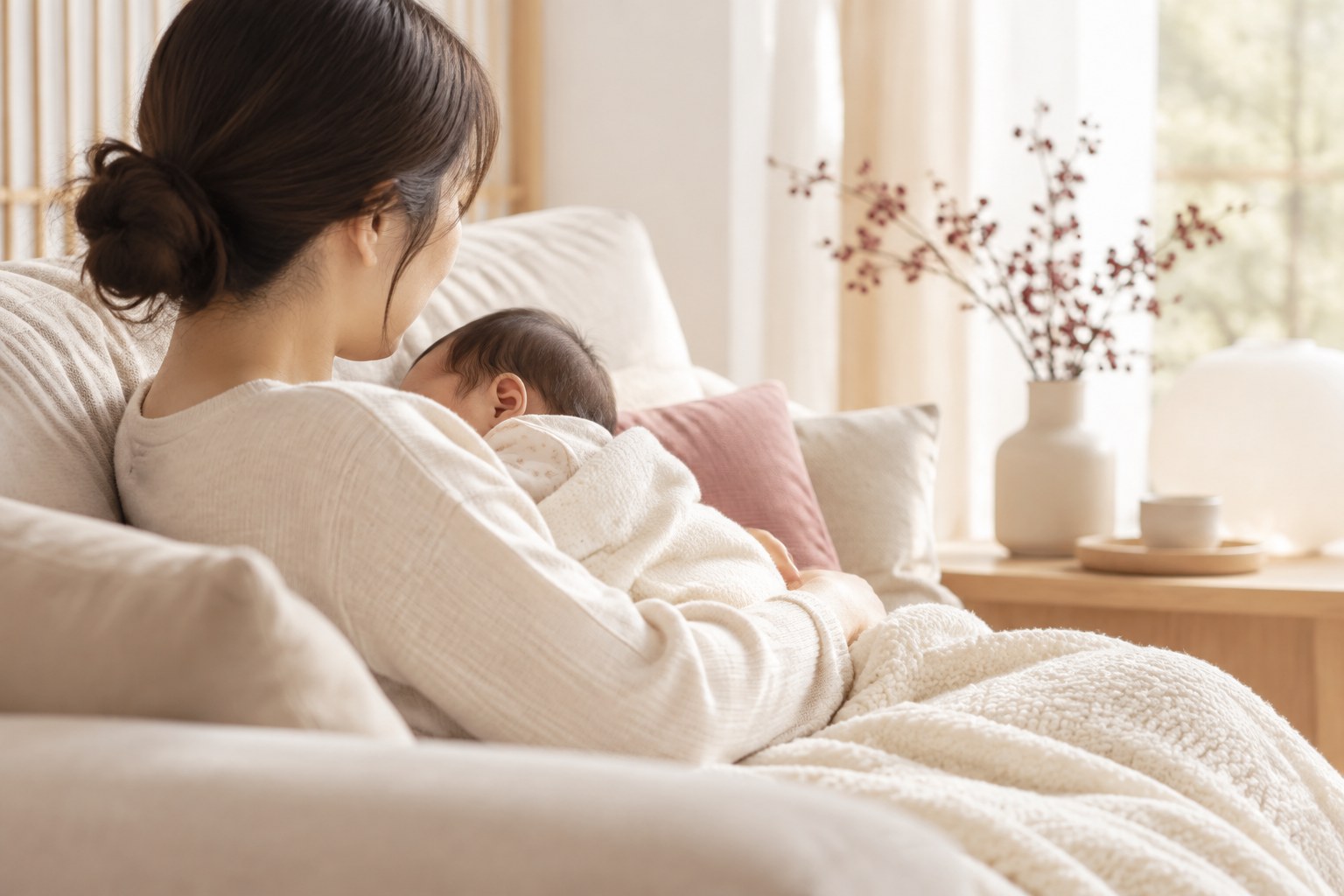
of Hoechundang care
- POINT 01
Stage-based postpartum tonic from immediately after childbirth — prescribed according to your condition, even during breastfeeding
- POINT 02
We provide combined management for sanhupung, childcare-related pain, postpartum low mood, edema, and postpartum weight management
- POINT 03
A father-in-law, Dr. Bongha Ryu, Honorary Director, and daughter-in-law, Dr. Seungwon Baek, Director, Korean medicine doctors, provide care together
01SELF CHECK
Do You Have These Concerns?
0/ 8
Tap the items that apply to you.
02WHY IT HAPPENS
These Changes Happen in the Body After Childbirth
During childbirth, bleeding occurs, energy is depleted, and joints and muscles throughout the body loosen. As nutrients are shared with the baby during pregnancy and breastfeeding, the mother's bones and joints also weaken. The approximately 6 weeks after childbirth, bleeding, and cesarean section, when qi and blood are greatly weakened, are called the postpartum period.
- 01
Uterine Contraction and Lochia Discharge
The enlarged uterus returns to its original size over 4 to 6 weeks, and waste products called “lochia” are discharged for 2 to 3 weeks after childbirth. Blood stasis and waste products need to be discharged cleanly for the damaged endometrium to recover.
- 02
Depletion of Qi and Blood and Hormonal Changes
Childbirth is one of the most physically demanding processes, so you may tire easily and recover slowly even with rest. Many people also feel overwhelmed by rapid hormonal changes and first-time childcare, and experience postpartum low mood.
- 03
Sanhupung (Postpartum Wind Disorder)
This occurs when harmful influences of wind (風), cold (寒), and dampness (濕) enter while qi and blood are weakened. The joints may ache, feel cold, or become numb, and it also affects uterine blood circulation and urogenital function. It tends to appear more often if you had a cesarean section, had heavy bleeding, or were generally weak to begin with.
- 04
Childcare-Related Pain
When you devote yourself to childcare before your body has fully recovered, pain can easily develop in various joints and the spine. It is common enough to be called “childcare-related pain,” and steady treatment is needed.
- 05
Postpartum Edema and Weight
Edema usually improves over about 3 weeks as lochia and waste products are discharged, but if swelling resolves slowly afterward, care is needed. The 3 to 6 months after childbirth are a good time for postpartum weight management, and excessive exercise or overly strict dietary restriction should be avoided.
03WHY TREAT EARLY
If Postpartum Care Is Neglected
Your lifelong health can vary greatly depending on how well you care for yourself during the postpartum period. If you are exposed to cold or overexert yourself before you have recovered, joint pain and cold sensations may continue as sanhupung. When the mother's body and mind are healthy, childcare can also be more joyful and healthy.
PROCESS
How Care Proceeds
- 01
Consultation · Pulse Diagnosis
We listen carefully to your symptoms, lifestyle habits, and treatment history, then assess your condition through pulse and tongue diagnosis.
- 02
Detailed Testing
We check organ function, energy level, and autonomic nervous system balance with tests suited to your condition.
- 03
Pattern Identification · Diagnosis
We combine your test results and constitution to find the underlying cause of your symptoms.
- 04
1:1 Customized Prescription
We design the needed treatments for each person, including herbal medicine, acupuncture, pharmacopuncture, and moxibustion.
- 05
Progress Management
We monitor your progress through regular tests and consultations and adjust prescriptions as needed.
04DIAGNOSIS
How We Check Your Postpartum Condition
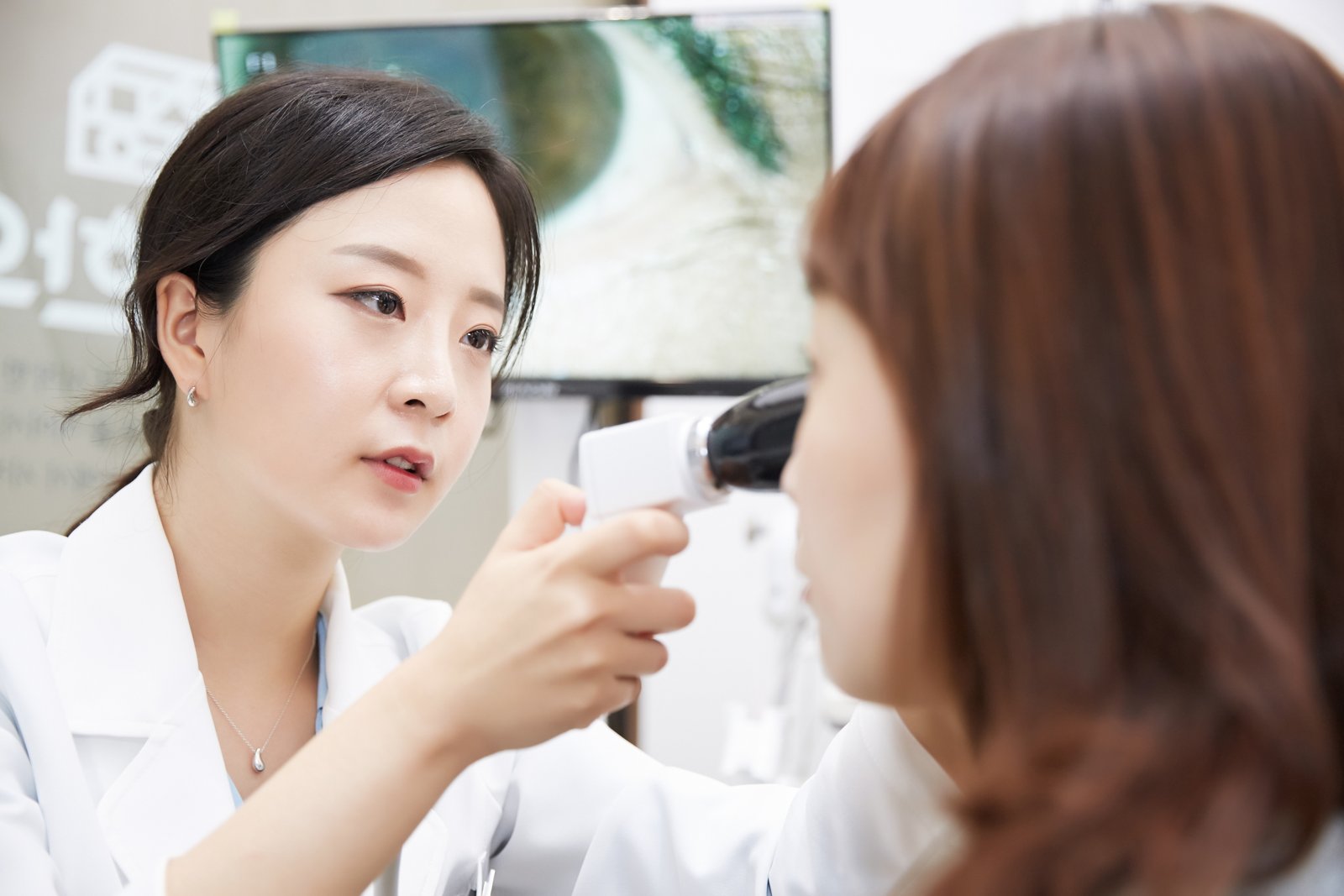 TEST 01
Iris Genetic Constitution Test
We comprehensively review genetic strengths and weaknesses, constitutional imbalance, emotional responses, and autonomic nervous system balance. We assess whether the uterus is constitutionally weak, and whether cold-heat (寒熱) balance, circulation, and stress are affecting your condition. The test can be performed comfortably even if you come wearing contact lenses.
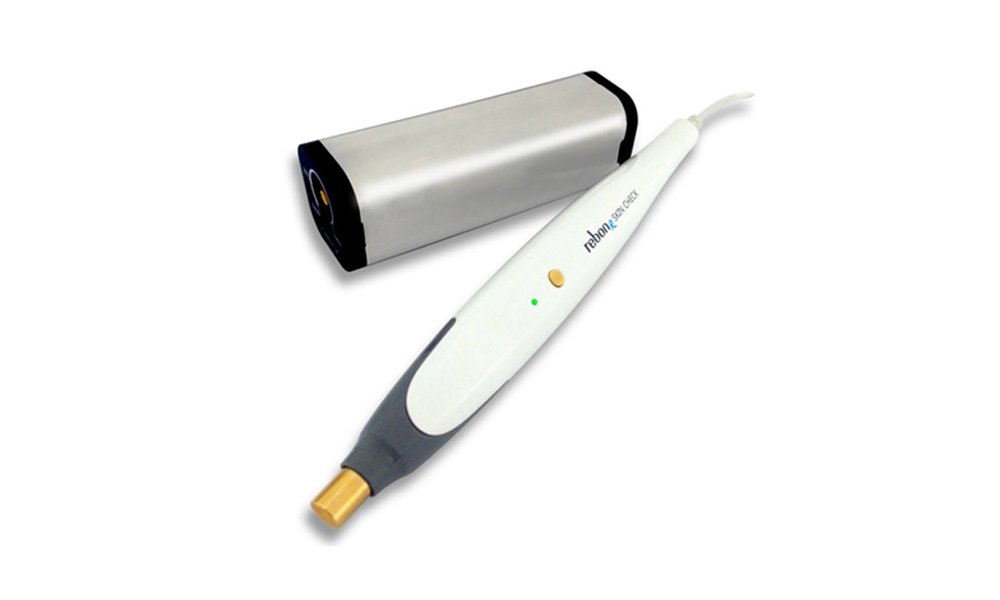 TEST 02
Ryodoraku Meridian Function Test
We measure meridian function at key acupoints on the hands and feet to understand overall energy level and the deficiency-excess (虛實) pattern of illness. For those whose energy has dropped too much after childbirth, sufficient energy replenishment is needed, so we make sure to check this.
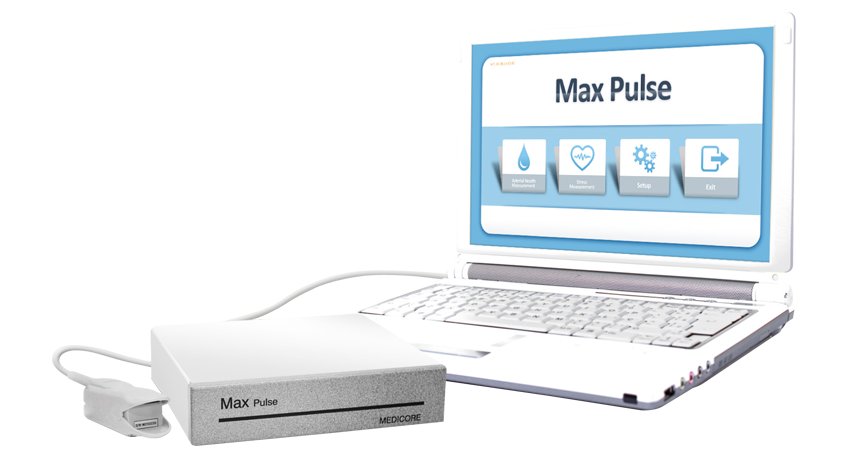 TEST 03
Heart Rate Variability (HRV) Autonomic Nervous System Test
We check the activity and balance of the sympathetic and parasympathetic nerves. After childbirth, stress, depression, and tension can have a strong effect, so autonomic nervous system stability is important.
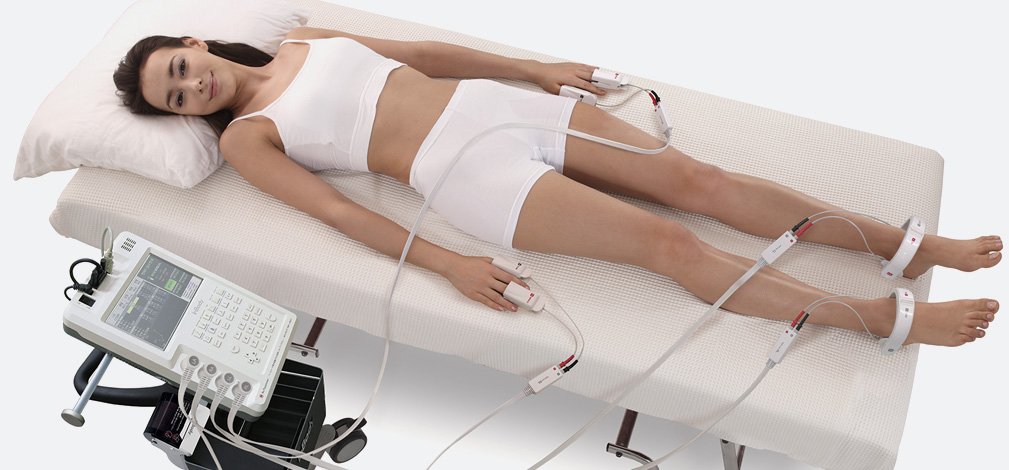 TEST 04
Cellular Health Immunity Test (InBody S10)
We assess cellular function, immune, circulation, and nutritional status, as well as body water, body fat, and muscle loss. After childbirth, we check energy and nutritional status, fluid balance, and body fat percentage to make a recovery plan.
If you bring results from previous tests such as blood tests, we can provide more thorough care.
05TREATMENT
From Postpartum Restorative Herbal Medicine to Postpartum Weight Management
We treat according to your stage of recovery, from postpartum restorative herbal medicine, the foundation of postpartum care, to joint pain, low mood, edema, and weight management. We prescribe by adding or adjusting herbs according to your constitution, situation, and symptoms.
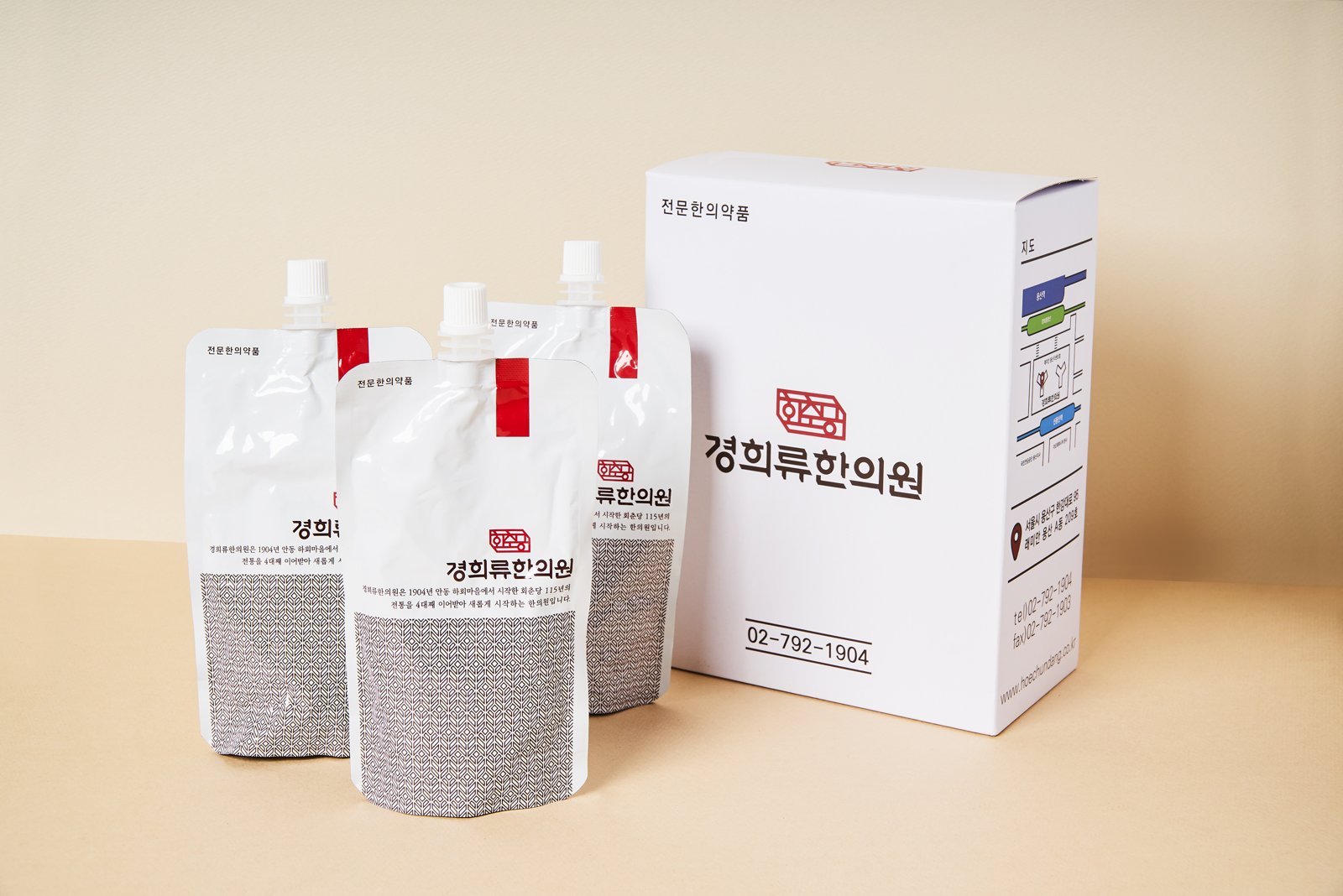
Stage-Based Postpartum Tonic
Immediately after childbirth, we prescribe herbal medicine to help discharge blood stasis and lochia, and later to replenish qi and blood and support uterine recovery. Even if you start later after lochia discharge has ended, we prescribe according to your condition at that time. We also prescribe during breastfeeding, and adjust herbs when breast milk supply is too low or too high.
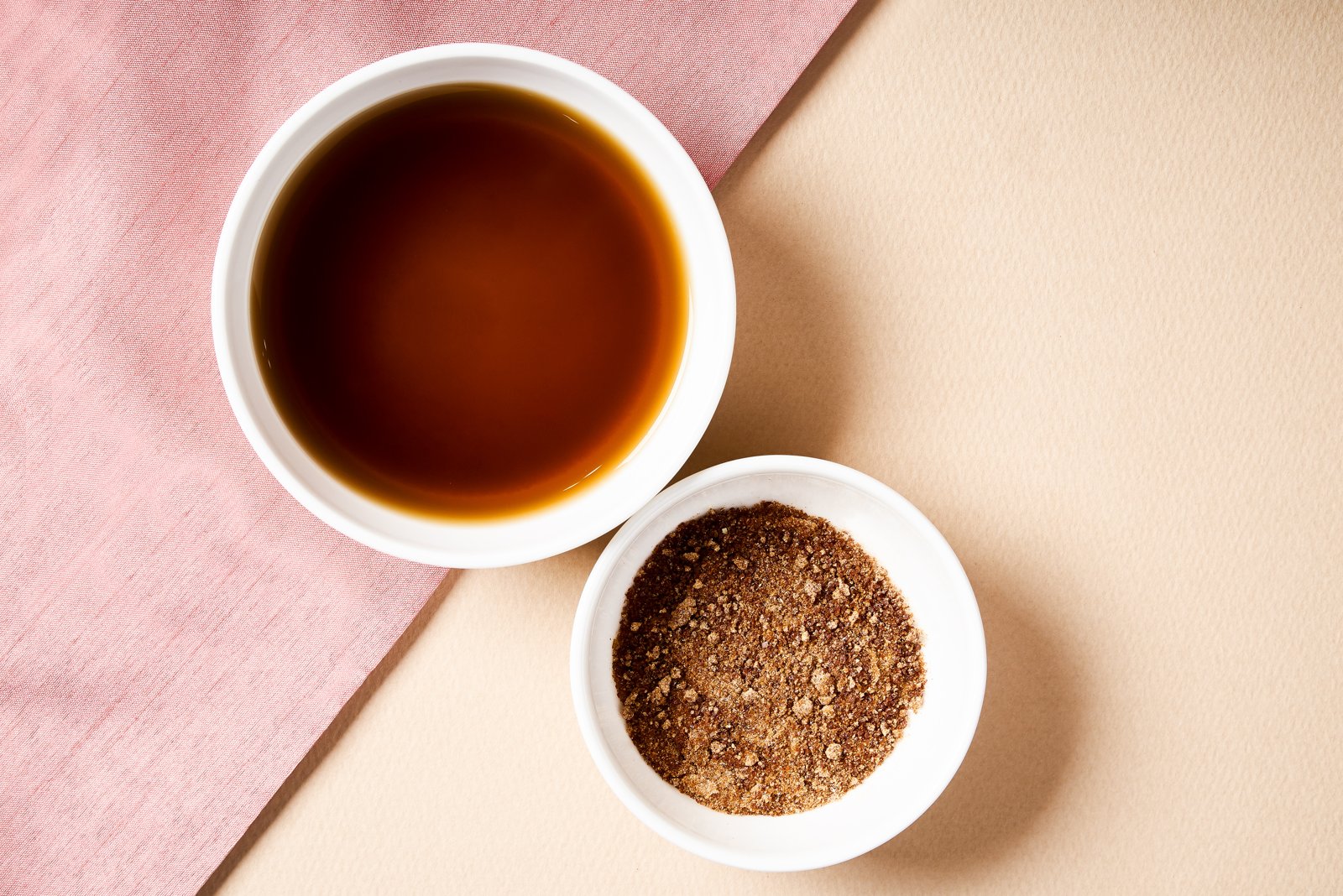
Customized Deer Antler Tonic Herbal Medicine
Nokyong (Deer Antler, 鹿茸) has strong blood-tonifying and yang-tonifying actions and is used for mothers whose qi and blood have been greatly depleted by childbirth. It is an herb that helps blood flow, discharge of remaining blood stasis in the uterus, and the generation of qi and blood; Donguibogam records that it supports greatly depleted energy and strengthens immunity. However, nokyong does not necessarily have to be included, and we prescribe according to your condition and circumstances.
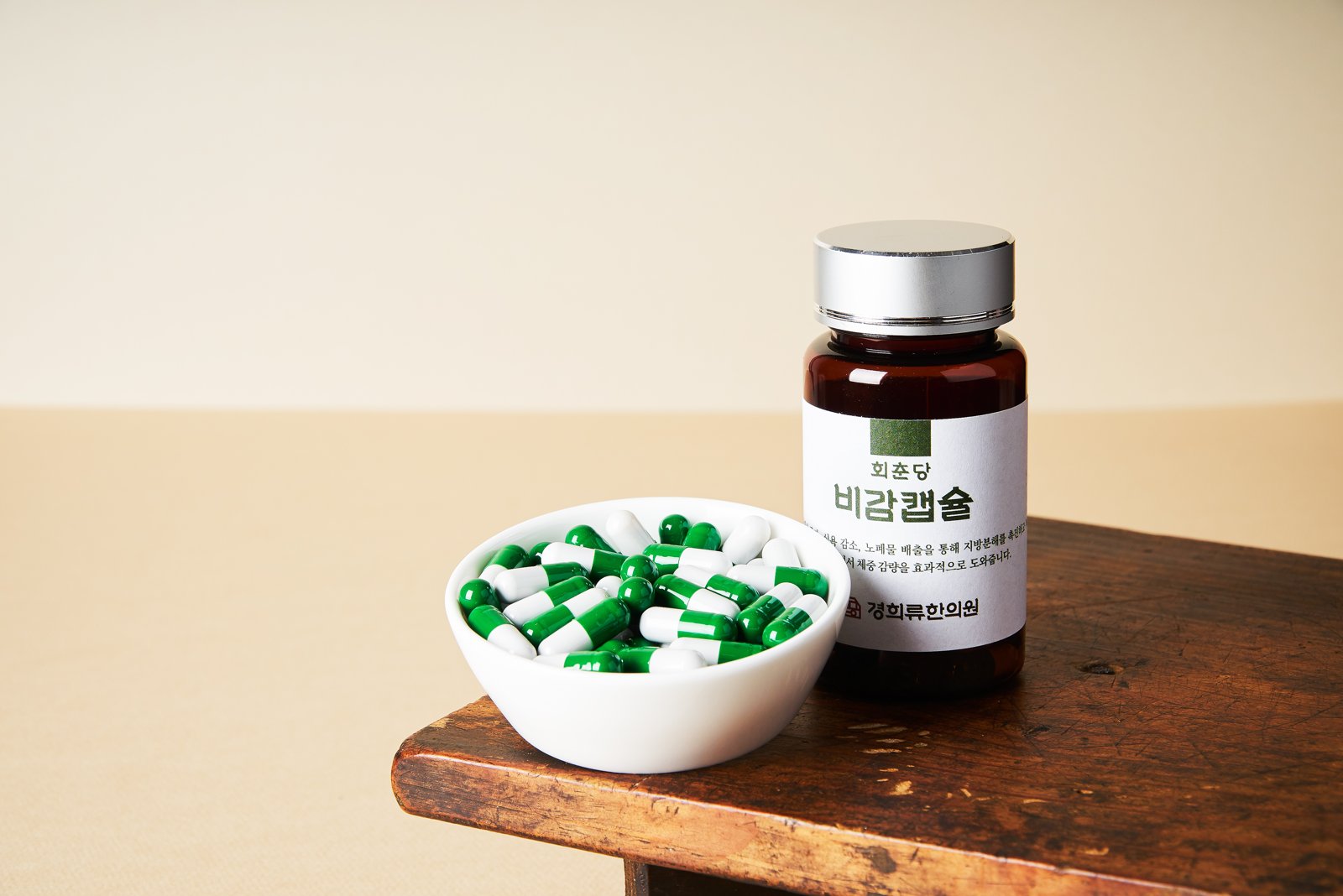
Detox Herbal Medicine · Bigam Capsule
Detox herbal medicine that helps postpartum edema reduction and waste product elimination can be taken during breastfeeding. Bigam Capsule, which helps reduce body fat, control appetite, inhibit fat absorption, and increase metabolic rate, is prescribed for those who have finished breastfeeding and whose postpartum energy has recovered.
Postpartum Weight Management Procedures
To avoid harming the body during the busy childcare period, we combine weight management herbal medicine with fat-burning electroacupuncture or wild ginseng obesity pharmacopuncture according to your condition. Details are provided in our weight management and edema care.
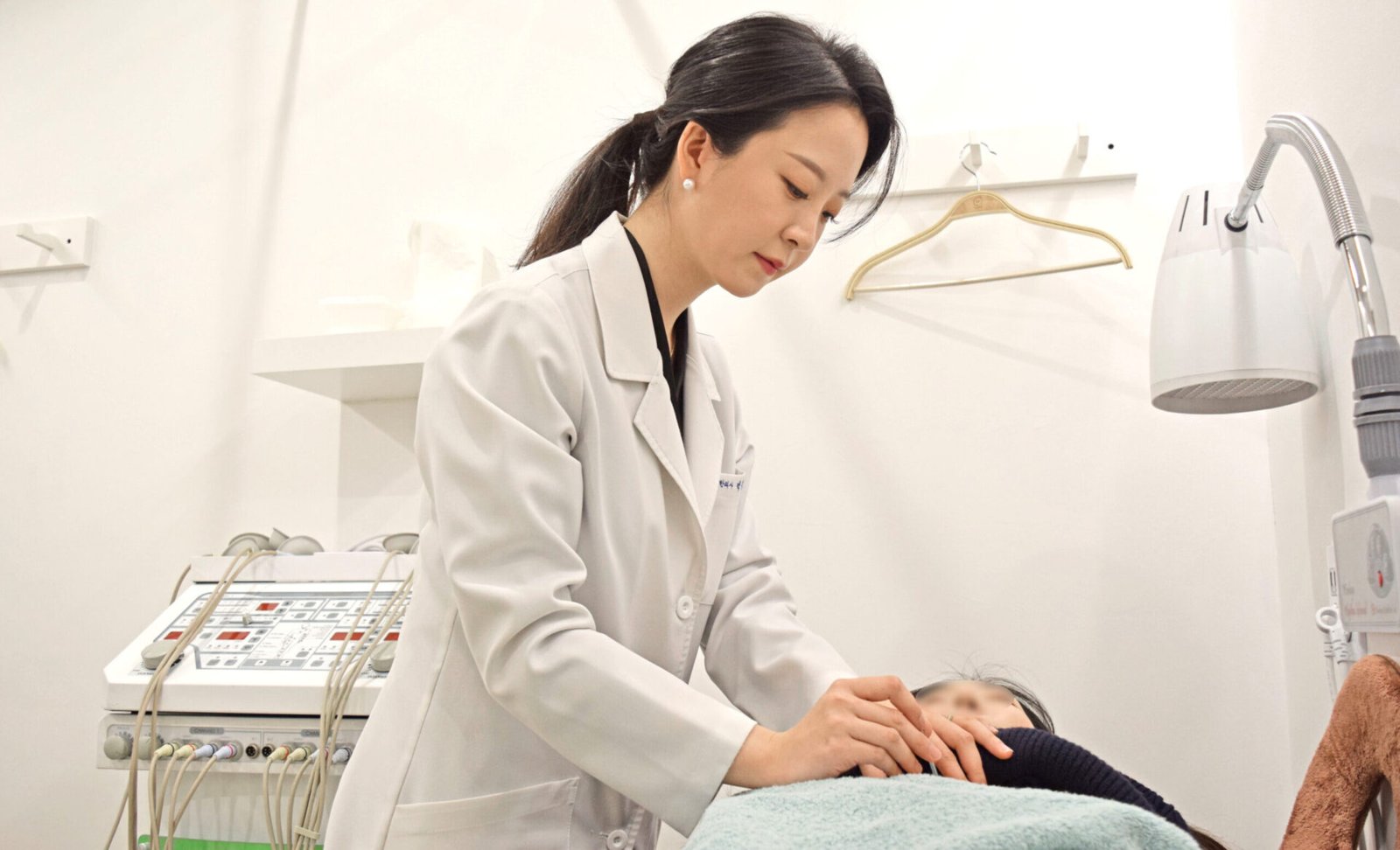
Acupuncture · Moxibustion · Thermotherapy
Using acupoints on the abdomen, back, arms, and legs, we help circulation of qi and blood in the lower abdomen and uterine recovery, and regulate disrupted autonomic nervous system balance to help the mind feel at ease. We warm the body with smokeless (無煙) abdominal large moxibustion and aroma heat therapy.
Most patients take herbal medicine while receiving acupuncture and moxibustion treatment 2 to 3 times a week. You can use the National Happiness Card to pay for herbal medicine, acupuncture, and moxibustion treatment needed for postpartum care and post-miscarriage recovery care.
06TREATMENT STEPS
Recovery Proceeds in 3 Steps
- STEP 1
Remove Blood Stasis and Restore the Uterus
This is taken starting from the period when lochia is being discharged. It helps discharge waste products and lochia from the uterus and supports smooth fluid metabolism and blood circulation, serving as the starting point for returning weight and edema to the pre-pregnancy state.
- STEP 2
Replenish Qi and Blood to Support Childcare
It replenishes depleted energy and blood, supports immunity, warms the body, and strengthens the joints to help relieve pain. When qi is replenished, circulation improves, which can also help normalize edema and weight. Usually, we allow a 6 to 8 week recovery period, and if recovery is slow, treatment may continue longer.
- STEP 3
Lighten the Body and Mind
We manage joint pain, cold sensations, and numbness from sanhupung, breast engorgement and breast milk supply concerns, and postpartum low mood together. If swelling is slow to resolve after 3 weeks, we help with detox herbal medicine, and during the 3 to 6 months after childbirth, we support gentle postpartum weight management.
CONSULTATION
Consider a consultation before symptoms become long-standing
If you bring your test results, we will review your current condition together.
07EXPERTISE
A Father-in-Law and Daughter-in-Law Korean Medicine Doctor Team Supports You Together
First author of an SCI-level paper on Women’s Health Clinic patients
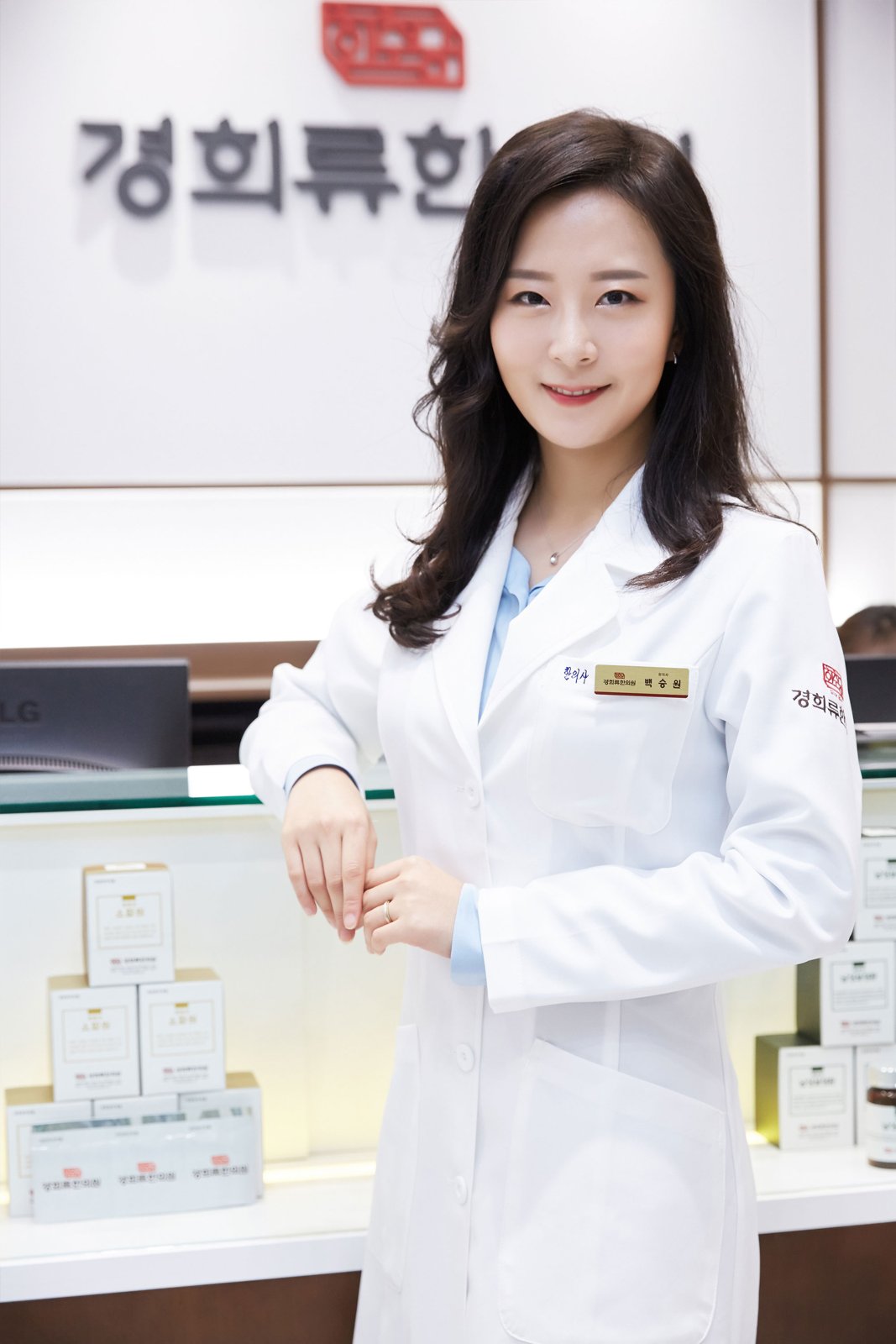
4th-Generation Married Korean Medicine Doctors · First Author of an SCI-Level Paper on Women’s Health
Dr. Seungwon Baek, Director
- Entered Sangji University College of Korean Medicine at the top of the class · Graduated salutatorian
- Master’s Program in Clinical Korean Medicine, Kyung Hee University
- Specialist Training Program, Department of Acupuncture and Moxibustion Medicine (Facial Palsy Center · Spine and Joint Center), Kyung Hee University Korean Medicine Hospital at Gangdong
- Certified Korean Medicine Doctor in Korean Medicine Obesity Treatment
Women's HealthDiet & BeautyPediatricsFacial PalsyPain · Traffic Accidents
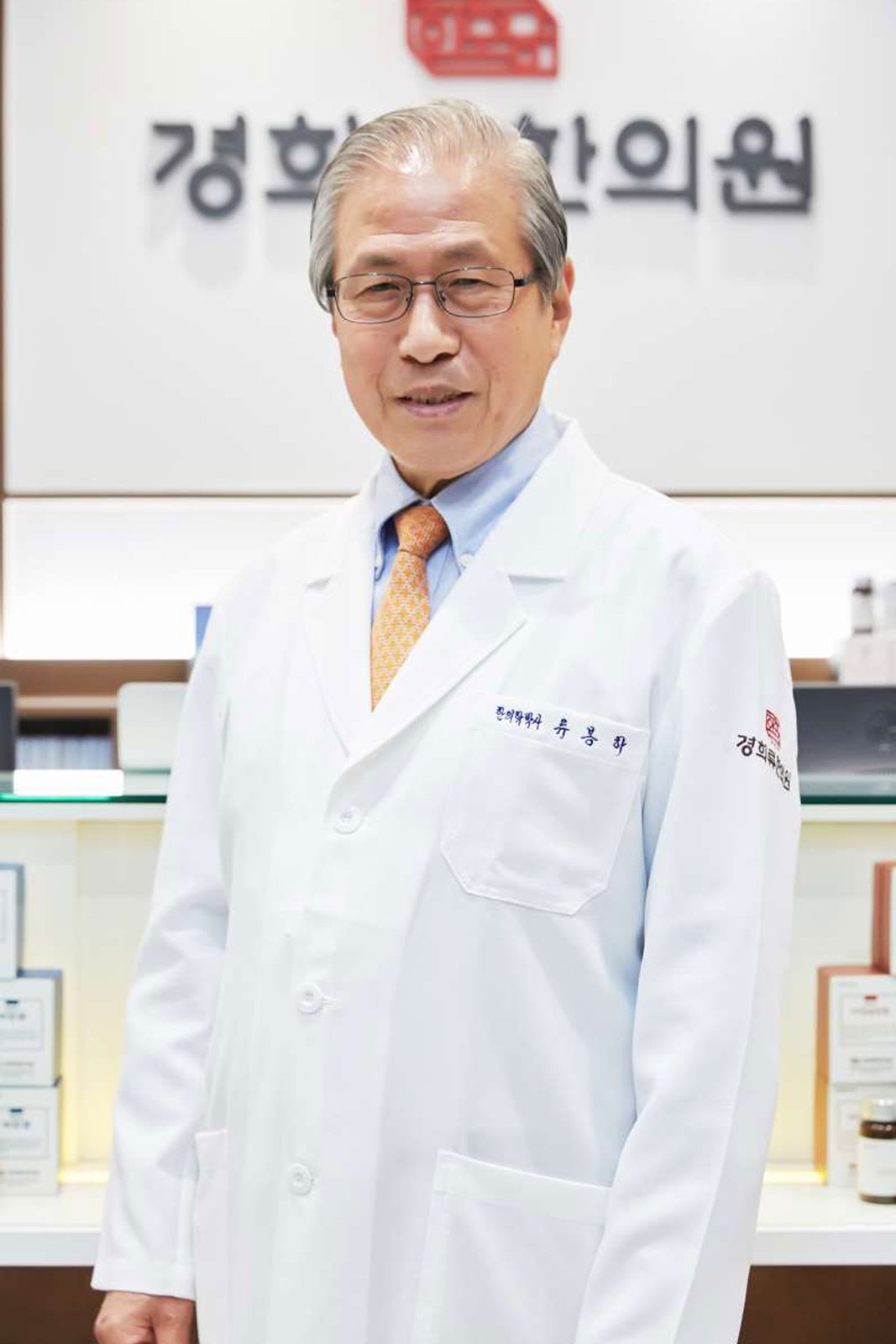
Presidential Physician · Twice Served as Director of Kyung Hee University Korean Medicine Hospital
Dr. Bongha Ryu, Honorary Director
- PhD in Korean Medicine Internal Medicine, Graduate School of Korean Medicine, Kyung Hee University
- Head Professor of Gastroenterology, College of Korean Medicine, Kyung Hee University
- Twice Served as Director of Kyung Hee University Korean Medicine Hospital, Kyung Hee Medical Center
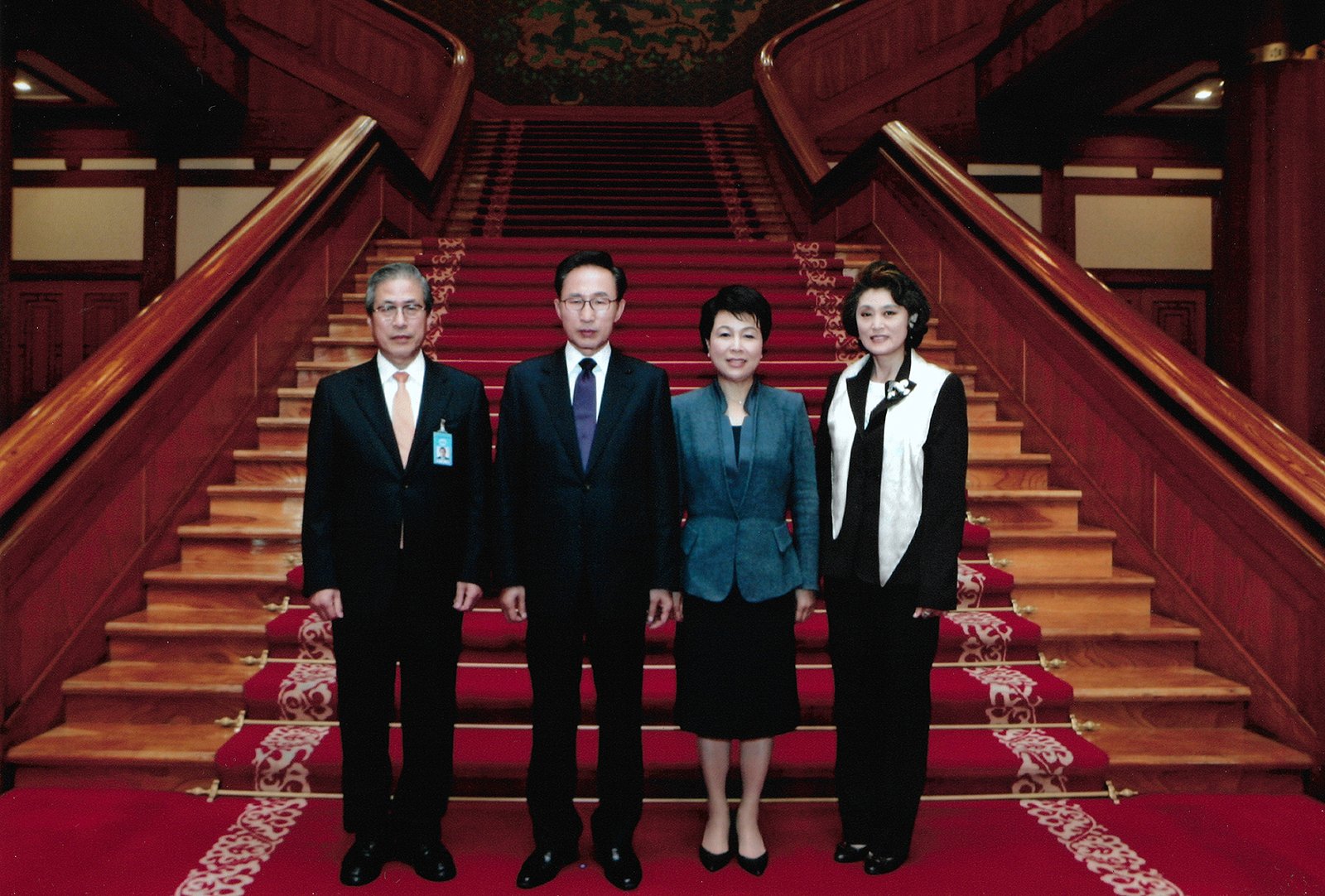
- Former Presidential Physician for President Lee Myung-bak
Digestive SystemRespiratory SystemFatigue · Tonic Herbal Medicine
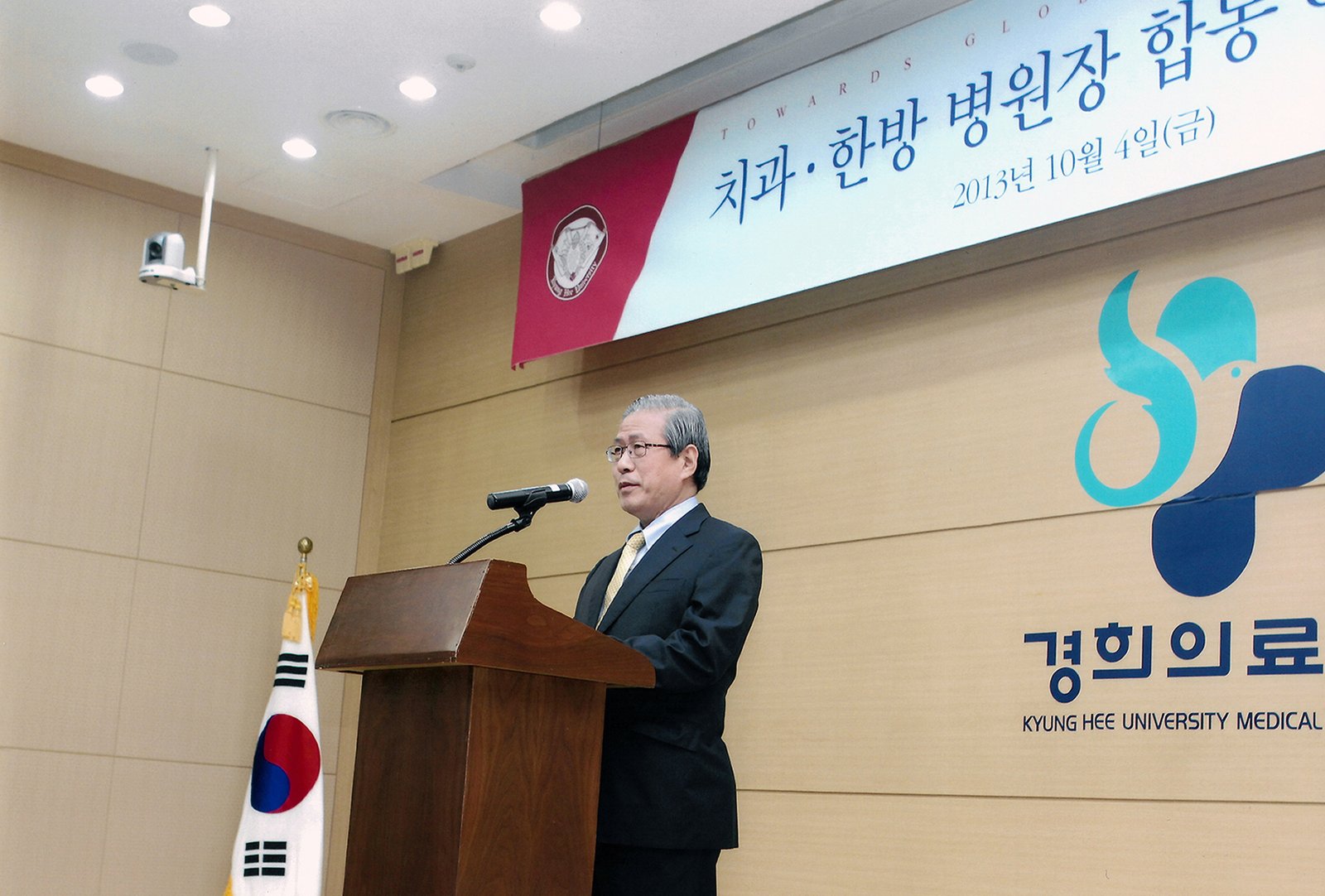
- Dr. Bongha Ryu, Honorary Director, has over 50 years of clinical experience, served twice as Director of Kyung Hee University Korean Medicine Hospital, and served as the President's physician.
- Dr. Seungwon Baek, Director, trained at Kyung Hee University Korean Medicine Hospital and is the first author of an SCI(E)-level paper on patients in the Women's Health Clinic. As a wife and mother, she listens carefully to concerns at each stage of life.
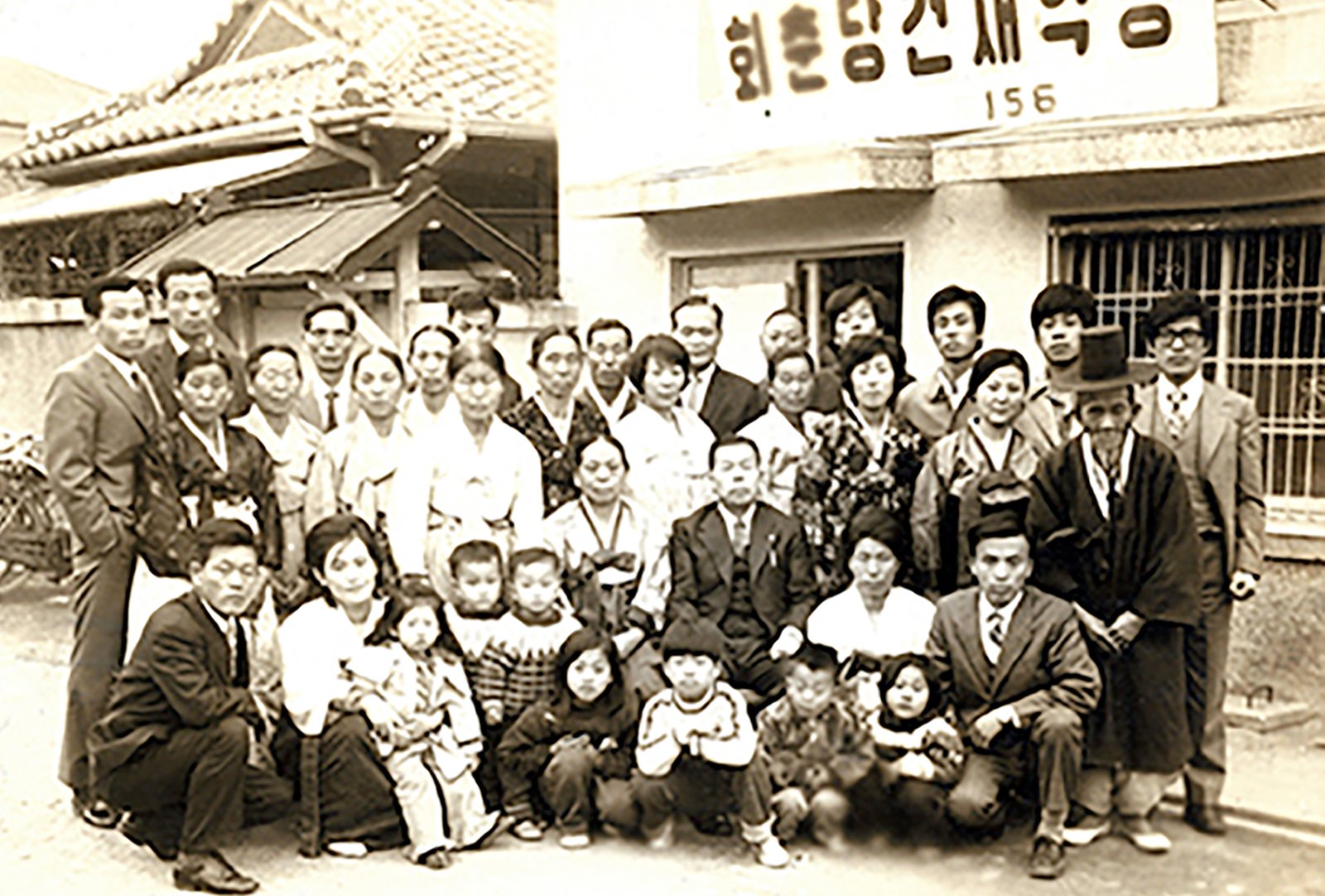
- We carry forward Hoechundang's women's health prescriptions, continued for four generations since 1904, and bring into our care the wishes of the great-grandmother who was a pillar of Hoechundang.
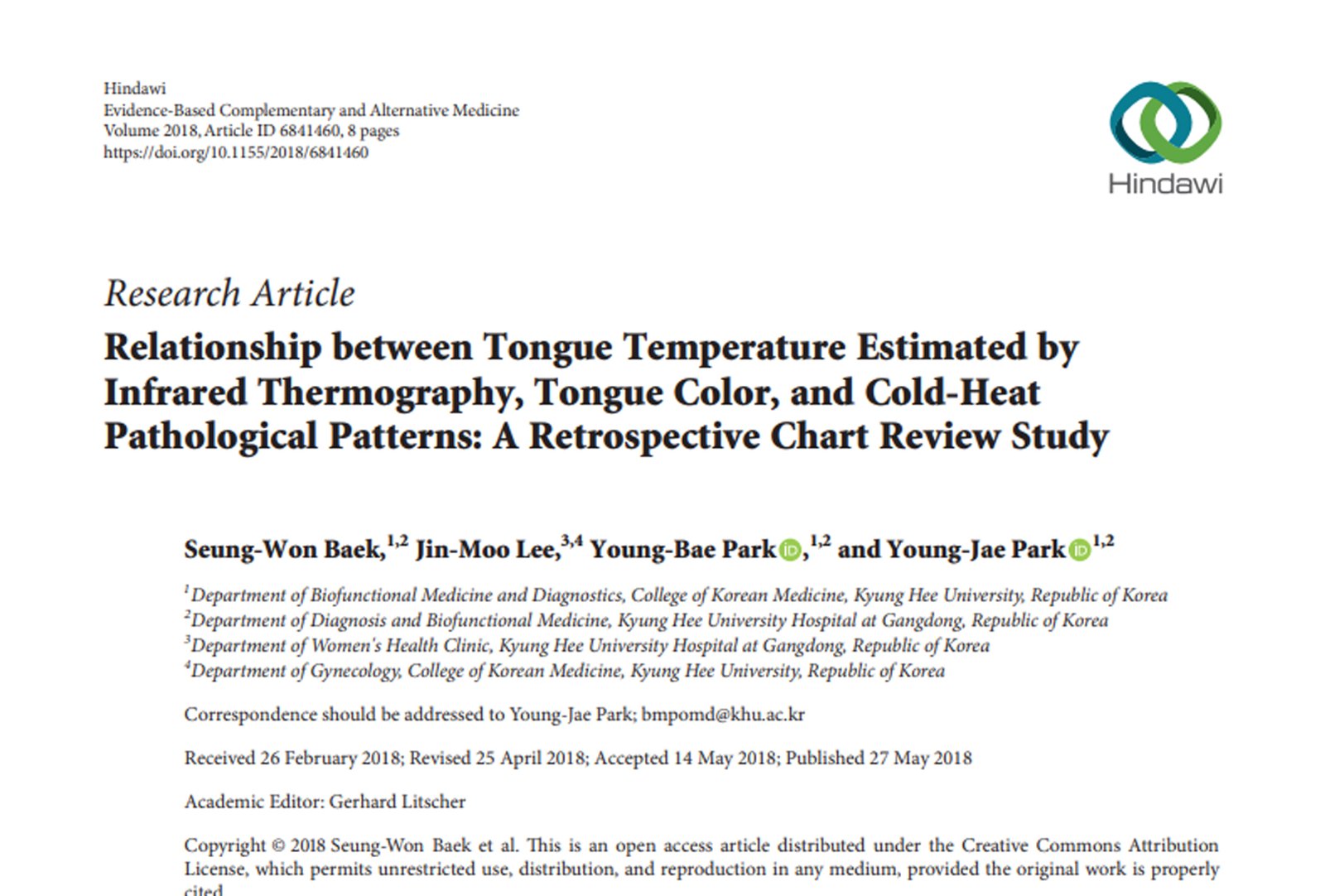
Related research
Relationship between Tongue Temperature Estimated by Infrared Thermography, Tongue Color, and Cold-Heat Pathological Patterns: A Retrospective Chart Review Study
This study retrospectively analyzed the medical records of patients in the Women's Health Clinic and examined the correlation between tongue temperature and tongue color measured by infrared thermography and cold-heat (寒熱) pattern identification.
disclaimers.paper
WHY HOECHUNDANG
Why Choose Hoechundang Kyunghee Ryu Korean Medicine Clinic
- 01
For 4 Generations Since 1904
For 4 generations, we have carried on Hoechundang’s treatment principle of seeing the stomach and intestines as the foundation of health.
- 02
Family Medical Team from Kyung Hee University Korean Medicine Hospital
Dr. Bongha Ryu, Honorary Director, who twice served as director of Kyung Hee University Korean Medicine Hospital and as a presidential physician; Dr. Hansung Ryu, Chief Director, a Korean medicine internal medicine specialist; and Dr. Seungwon Baek, Director, first author of an SCI-level paper on women’s health, provide care together.
- 03
Prepared In-House at Our Herbal Medicine Research Lab
Based on the research of our affiliated Herbal Medicine Research Institute, we prepare prescriptions in-house and use verified herbal ingredients at a level supplied to Kyung Hee University Korean Medicine Hospital.
- 04
15 Acupuncture and Moxibustion Treatment Rooms
We expanded our treatment rooms so patients can receive a variety of treatments, such as acupuncture, pharmacopuncture, Cupping, large moxibustion, radiofrequency, thermal dome therapy, Chuna Manual Therapy, and traction therapy, with minimal waiting.
08FAQ
Frequently Asked Questions
QWhen should I start taking postpartum restorative herbal medicine?
It is best to start as soon as possible after childbirth. Immediately after childbirth, we prescribe medicine to help discharge blood stasis and lochia, and afterward medicine to replenish qi and blood and support uterine recovery. Even if you start later, we prescribe according to your condition at that time.
QCan I take it while breastfeeding?
We also prescribe during breastfeeding. We check your breastfeeding status and adjust herbs when breast milk supply is too low or too high. However, Bigam Capsule is prescribed after breastfeeding has ended and your energy has recovered.
QDoes nokyong have to be included in postpartum restorative herbal medicine?
Nokyong has strong blood-tonifying and yang-tonifying actions and is used to replenish qi and blood depleted by childbirth, but it does not have to be included. We prescribe according to your condition and circumstances.
QHow long does recovery take?
In general, the recovery period is about 6 to 8 weeks. If pregnancy and childbirth were especially difficult or recovery is slow, treatment may continue longer.
QWhen should I start postpartum weight management?
The 3 to 6 months after childbirth are a good time for postpartum weight management. To avoid harming the body with excessive exercise or overly strict dietary restriction, we combine weight management herbal medicine with fat-burning electroacupuncture and wild ginseng obesity pharmacopuncture according to your condition.
QCan I use the National Happiness Card?
Yes. You can use the National Happiness Card to pay for herbal medicine and acupuncture and moxibustion treatment needed for postpartum care and post-miscarriage recovery care. The amount of support and period of use may change according to government standards, so please check before your visit.
CONSULTATION
Consider a consultation before symptoms become long-standing
If you bring your test results, we will review your current condition together.
RELATED
Related Care
 Fatigue & Herbal TonicsPostpartum Restorative Herbal MedicineDo you feel that recovery is slow even when you rest after childbirth?Learn more
 Metabolism, Circulation & ParalysisWeight Management · EdemaA body that does not lose weight easily even with less food, and always feels swollen and heavyLearn more
 Personalized Diet ProgramsPrenatal · Postpartum Weight ManagementAfter childbirth, when should you start managing weight that has not returned?Learn more
 Women's HealthInfertility · Recovery After MiscarriageAs the waiting grows longer, your body and heart may feel worn downLearn more
RESERVATION
Postpartum Care:
start with a consultation
Leave your details and we will contact you in order during clinic hours. First-time visitors are welcome — we start by carefully understanding your current condition.
+82-2-792-1904- Mon · Tue · Wed · Thu09:30 – 19:30
- Fri09:30 – 18:30
- Sat09:30 – 14:30 (open without a lunch break)
- LunchWeekdays 13:30 – 14:30