
Main ClinicMetabolism, Circulation & Paralysis
STROKE & PARKINSON'S
Stroke Sequelae · Parkinson's Disease
Paralysis and numbness after a stroke: 3–6 months is an important recovery period
Stroke is a condition in which managing sequelae and preventing recurrence are important. From prevention at the prodromal symptom stage to sequelae care, we provide Korean medicine treatment according to the stage of illness.
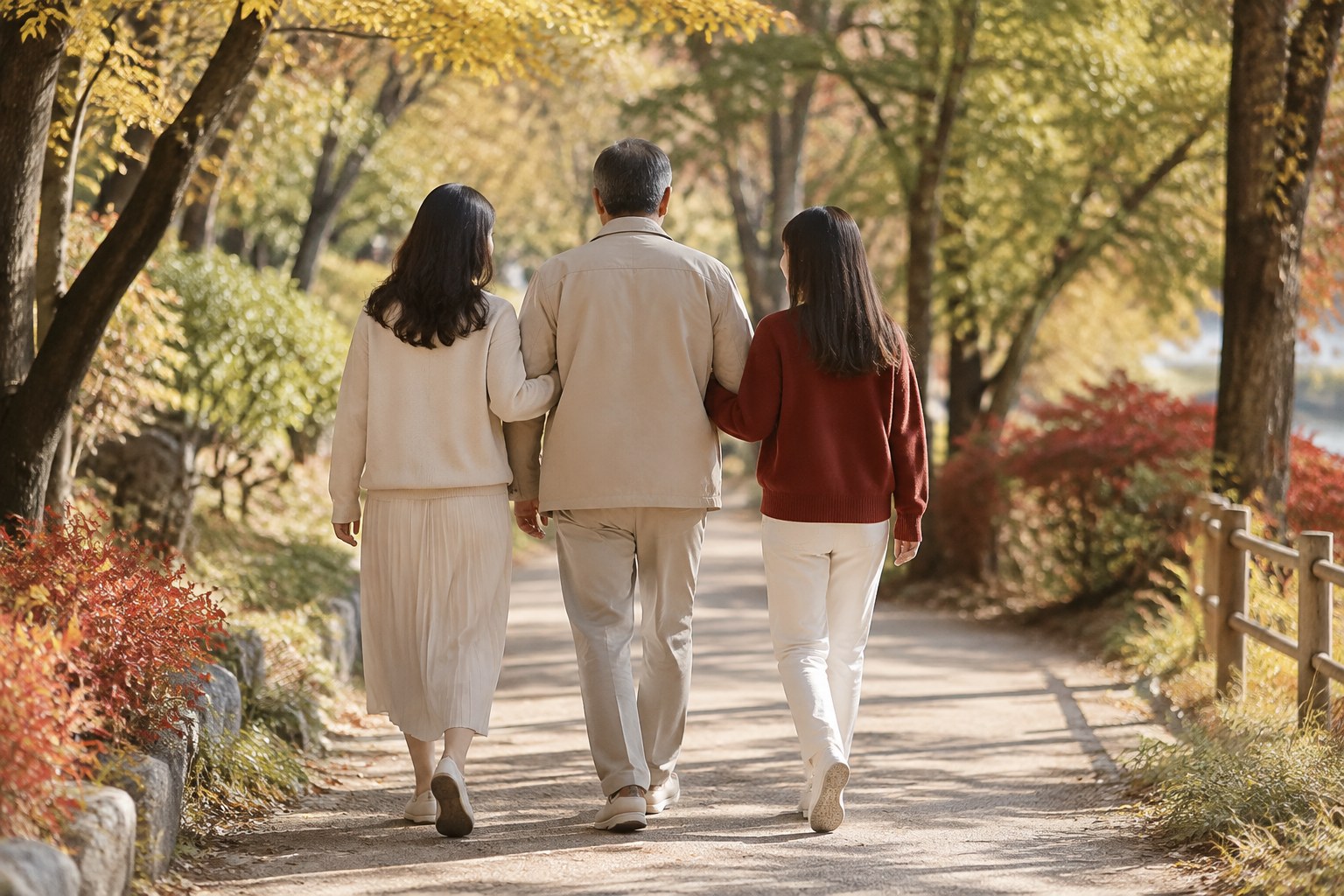
of Hoechundang care
- POINT 01
Dr. Bongha Ryu, Honorary Director, who treated stroke prevention, acute-stage care, sequelae, and recurrence management at the Stroke Center of Kyung Hee University
- POINT 02
Comprehensive treatment with herbal medicine for cerebral blood flow, acupuncture, electroacupuncture, moxibustion, and pharmacopuncture
- POINT 03
Guidance on taking Uwhang Cheongsimwon as an at-home medicine for people with a history of stroke
01SELF CHECK
Do you have these concerns?
0/ 8
Tap the items that apply to you.
02WHY IT HAPPENS
Stroke And Parkinson's Disease
Stroke (中風) is a cerebrovascular disease in which neurological damage occurs because a blood vessel in the brain becomes blocked or ruptures. A person may suddenly collapse while walking, develop slurred speech, have a drooping eye and mouth, or experience paralysis of the hands and feet. Even after regaining consciousness, sequelae such as facial palsy, language impairment, and hemiplegia may remain.
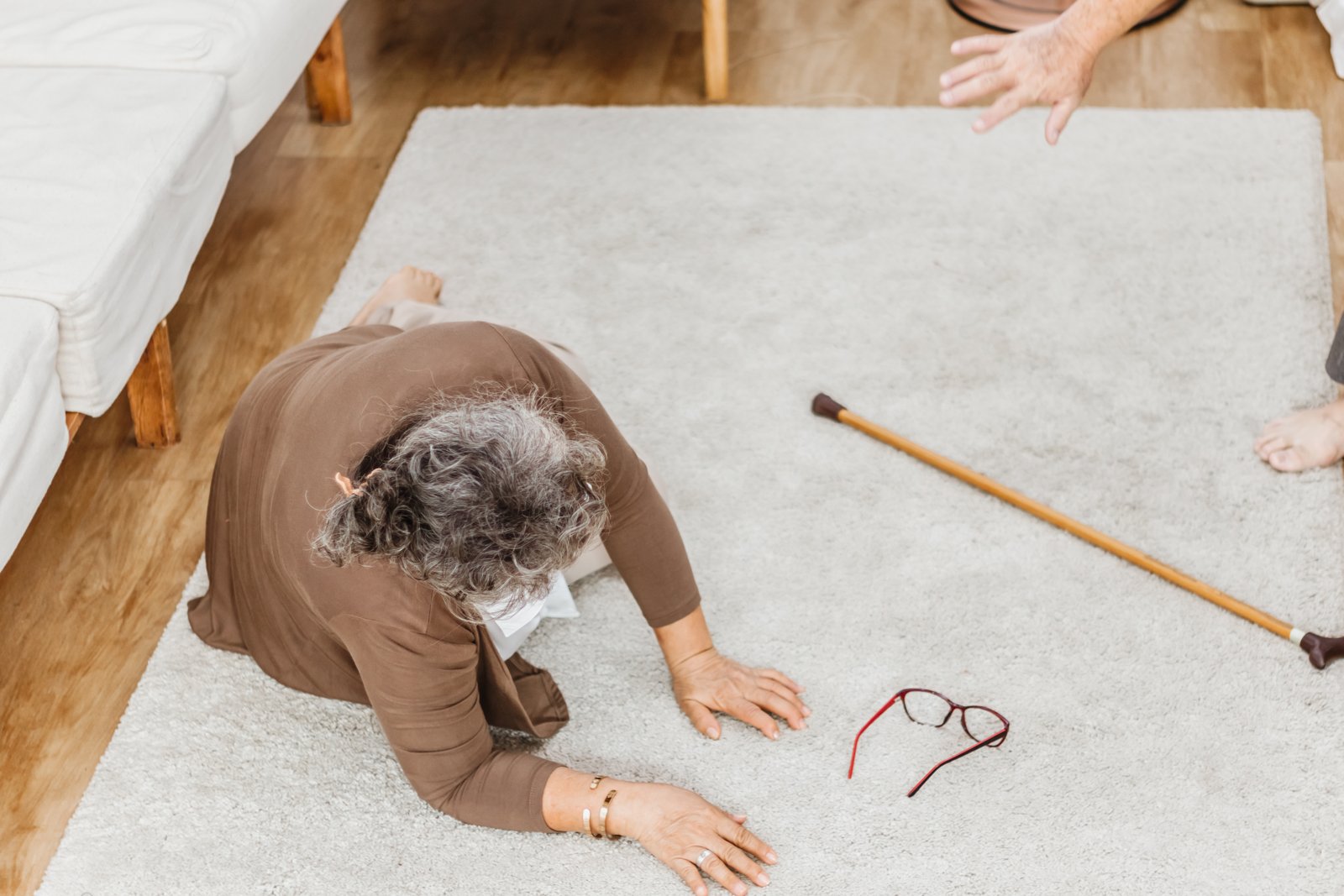
- 01
Cerebral Infarction
Brain tissue is damaged when blood and oxygen cannot be supplied because a blood vessel narrows or is blocked by a thrombus or embolus.
- 02
Cerebral Hemorrhage
Brain tissue is damaged by bleeding from a ruptured cerebral blood vessel. It is classified according to the bleeding site and cause, and the mortality rate is generally higher than that of cerebral infarction.
- 03
Transient Ischemic Attack (TIA)
Stroke symptoms appear briefly and recover within 24 hours without sequelae. Stroke occurs in about ⅓ of patients who experience this, so it is considered a prodromal symptom of stroke.
- 04
Parkinson's Disease
This is a chronic disease in which nerve cells in the substantia nigra of the brain are destroyed, leading to a dopamine deficiency. Resting hand tremor, rigidity, slow movement, unstable posture, and changes in pronunciation and intonation may appear, and pain, depression, anxiety, sleep disturbance, and constipation are also common. In the early stage, it may begin with fatigue and malaise.
03WHY TREAT EARLY
Why Stroke Is Feared: Sequelae
70–80% of patients experience various forms of stroke sequelae. The type of sequelae and degree of recovery vary depending on which part of the brain was damaged and how severely, age, and whether appropriate treatment was received after onset. Even after recovery, ongoing care is needed to help prevent recurrence.
If stroke is suspected, such as suddenly collapsing, slurred speech, or weakness in one arm or leg, call 119 or go to the emergency room without delay.
04TREATMENT STEPS
Treatment Goals By Stage
- STEP 1
Prodromal Symptom Stage
If you have had prodromal symptoms such as a transient ischemic attack, treatment and management are aimed at preventing stroke.
- STEP 2
1–3 Months After Onset
This is the period when recovery progresses most rapidly. We provide active care so that paralysis does not worsen and muscle contracture or stiffness does not develop.
- STEP 3
Second Golden Time
Although the speed of recovery slows, this is when brain plasticity—the ability of surrounding brain cells to form new networks and regain function in place of damaged areas—is most active. It is advisable to combine rehabilitation and recurrence prevention with active Korean medicine treatment.
- STEP 4
After 6 Months
From 6 months to 1 year, gradual improvement is common. Even afterward, ongoing treatment is provided to manage sequelae symptoms and help prevent recurrence.
PROCESS
How Care Proceeds
- 01
Consultation · Pulse Diagnosis
We listen carefully to your symptoms, lifestyle habits, and treatment history, then assess your condition through pulse and tongue diagnosis.
- 02
Detailed Testing
We check organ function, energy level, and autonomic nervous system balance with tests suited to your condition.
- 03
Pattern Identification · Diagnosis
We combine your test results and constitution to find the underlying cause of your symptoms.
- 04
1:1 Customized Prescription
We design the needed treatments for each person, including herbal medicine, acupuncture, pharmacopuncture, and moxibustion.
- 05
Progress Management
We monitor your progress through regular tests and consultations and adjust prescriptions as needed.
05DIAGNOSIS
Before Your Visit
When you visit, bringing the results of blood tests, electromyography, and nerve conduction studies can help us understand the stage and your condition.
06TREATMENT
How We Treat Stroke Sequelae And Parkinson's Disease
Along with consistent rehabilitation and exercise therapy, herbal medicine, acupuncture and moxibustion treatment, and risk factor management should be provided comprehensively. We accurately identify the disease stage and apply multiple treatments together. If the condition is longstanding and accompanied by complications or other metabolic syndromes, we develop a more detailed plan.
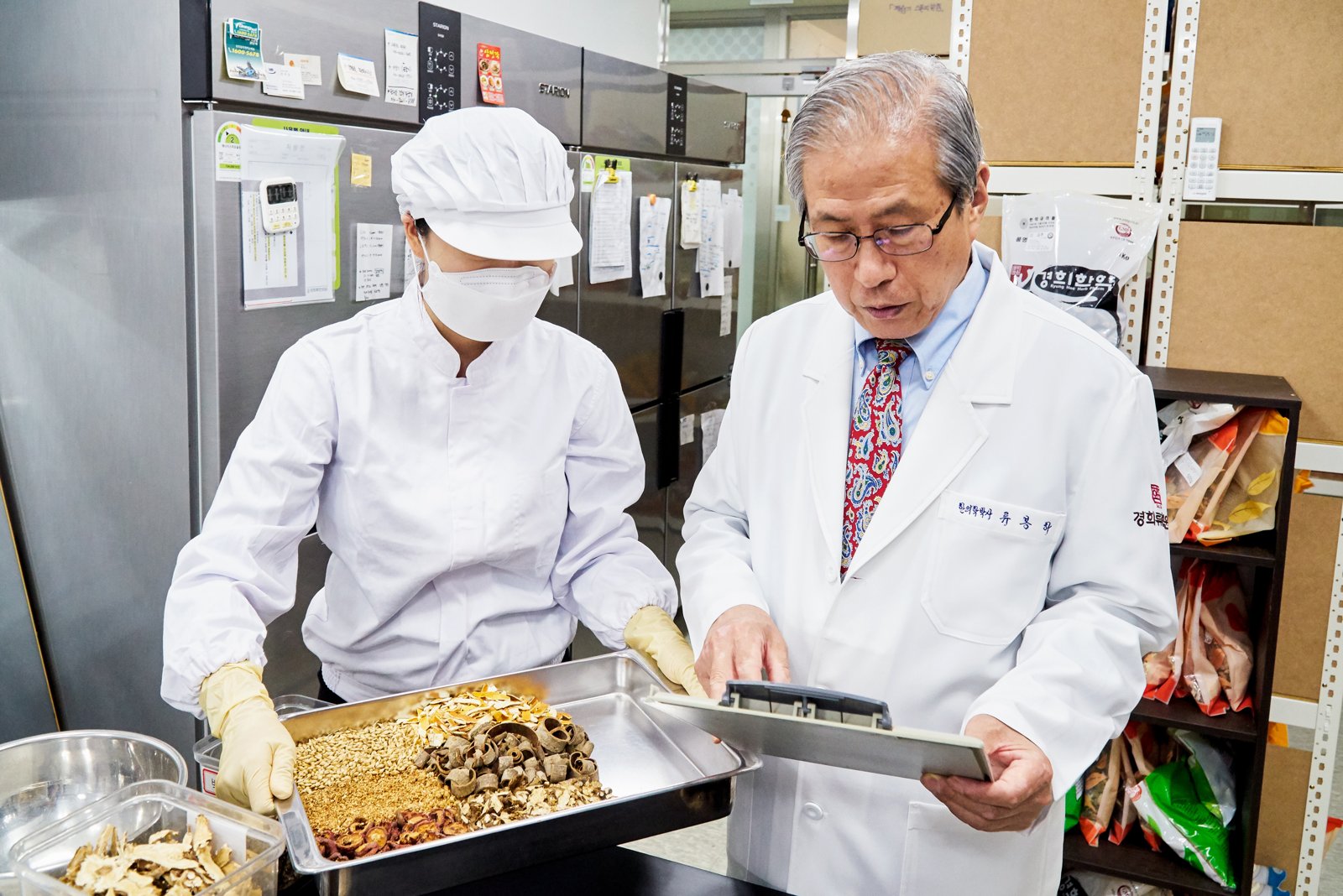
Customized Herbal Medicine
We aim to support recovery of brain nerve cells with herbal medicine that helps cerebral blood flow and reduces inflammation. It helps reduce inflammation inside blood vessels, supports clearer blood, and aids blood flow around damaged brain tissue. Prescriptions are individualized according to symptoms such as pain, muscle spasms, depressed mood, fatigue, and sleep disturbance.
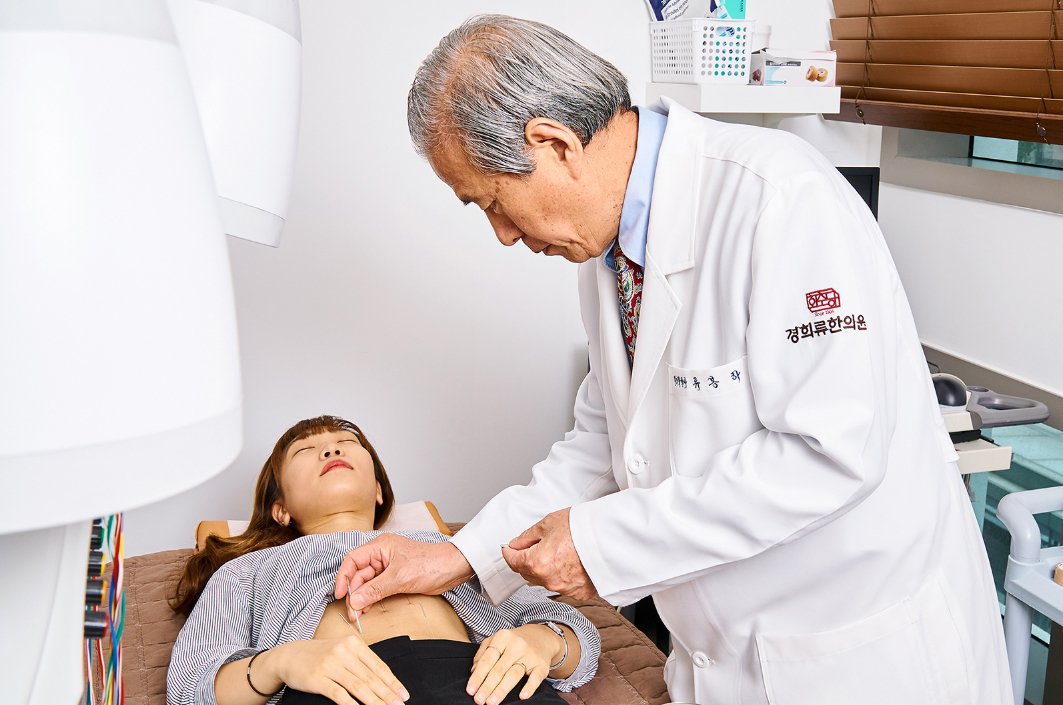
Acupuncture
This treatment helps the circulation of blocked qi and blood, and there are studies related to consciousness disturbance, high blood pressure, and reduced blood circulation. Clinical reports also indicate that acupuncture at acupoints on the hands and feet can increase blood circulation in the corresponding motor and sensory areas of the brain.
Electroacupuncture
Studies have found that it may help neurological recovery in patients with stroke and Parkinson's disease, as well as long-term ability to perform daily activities after 6 months.
Moxibustion
It helps the circulation of qi and blood and increases resistance to illness. It is used to tonify the body, and there are studies related to urination disorders, swallowing disorders, and paralysis in stroke patients.
Bee Venom · Pharmacopuncture
It helps qi and blood circulation and immune function, eases joint pain caused by paralysis, and supports protection of brain nerve cells.
- Most patients take herbal medicine while receiving acupuncture, moxibustion, and pharmacopuncture treatment 2–3 times per week
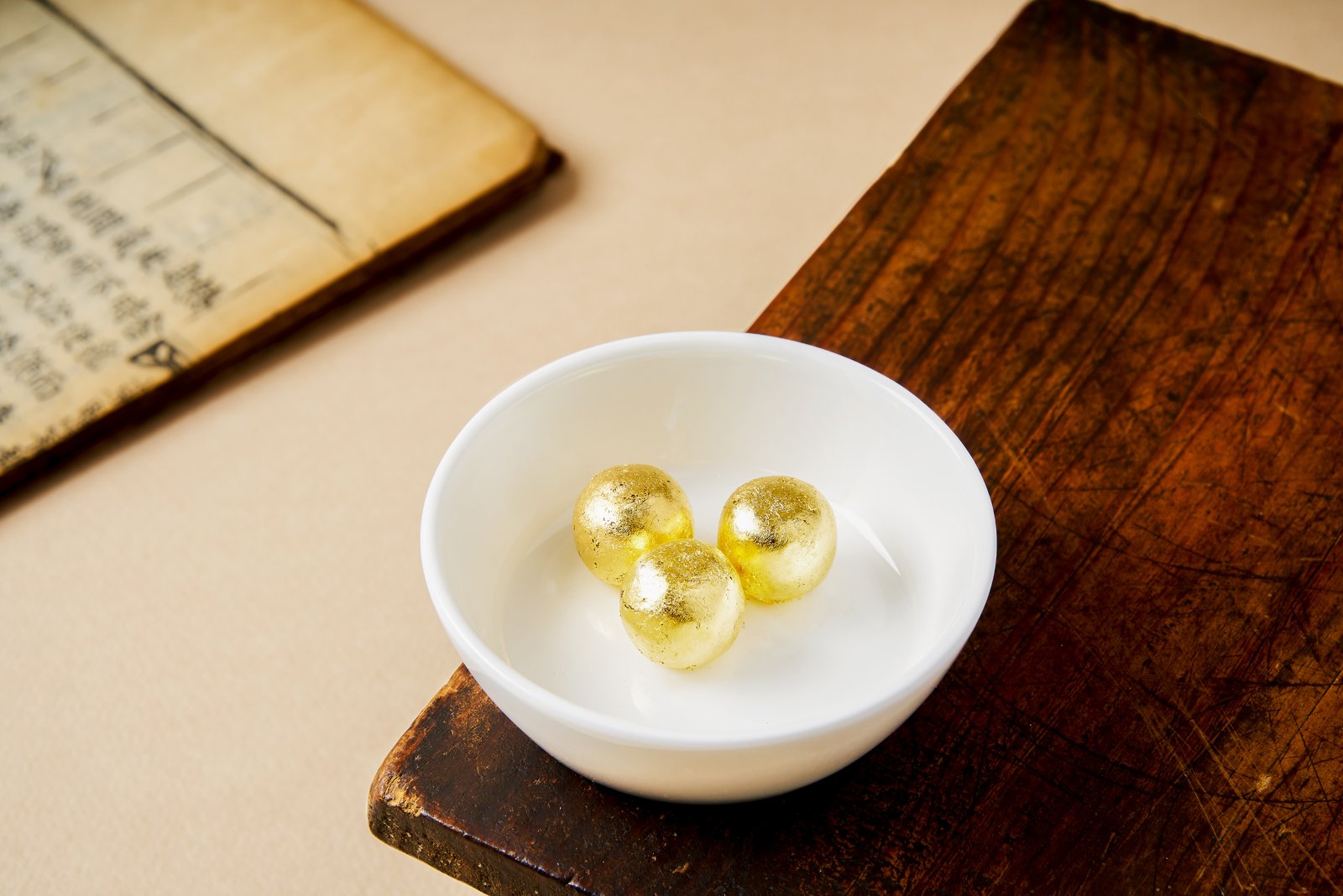
Uwhang Cheongsimwon (牛黃淸心元)
This prescription is known for the effects of Anjeong (Stabilization, 安定), Cheongsim (Clearing the Heart-Mind, 淸心), and Gaegyu (Opening the Orifices, 開竅), and was included in the Song dynasty text Taepyeong Hyemin Hwajegukbang in 1107. Dongui Bogam recorded it as an at-home medicine used when a person suddenly has wind stroke and loses consciousness. For people with a history of stroke, we prescribe it for long-term use to support cerebral blood flow around the damaged area and recovery from sequelae, and we advise keeping it as an at-home medicine.
- Research has identified actions that protect brain nerve cells from oxidative damage, ischemic damage, and excitotoxicity
- Parasympathetic nerve activation, dilation of capillaries and resistance vessels in the brain, improvement of cerebral blood flow, lowering of blood pressure, and anticonvulsant effects have been reported
- In an emergency situation where stroke is suspected, calling 119 and receiving emergency room care come before taking an at-home medicine
CONSULTATION
Consider a consultation before symptoms become long-standing
If you bring your test results, we will review your current condition together.
07EXPERTISE
Stroke Treatment Experience

Presidential Physician · Twice Served as Director of Kyung Hee University Korean Medicine Hospital
Dr. Bongha Ryu, Honorary Director
- PhD in Korean Medicine Internal Medicine, Graduate School of Korean Medicine, Kyung Hee University
- Head Professor of Gastroenterology, College of Korean Medicine, Kyung Hee University
- Twice Served as Director of Kyung Hee University Korean Medicine Hospital, Kyung Hee Medical Center
- Former Presidential Physician for President Lee Myung-bak
Digestive SystemRespiratory SystemFatigue · Tonic Herbal Medicine
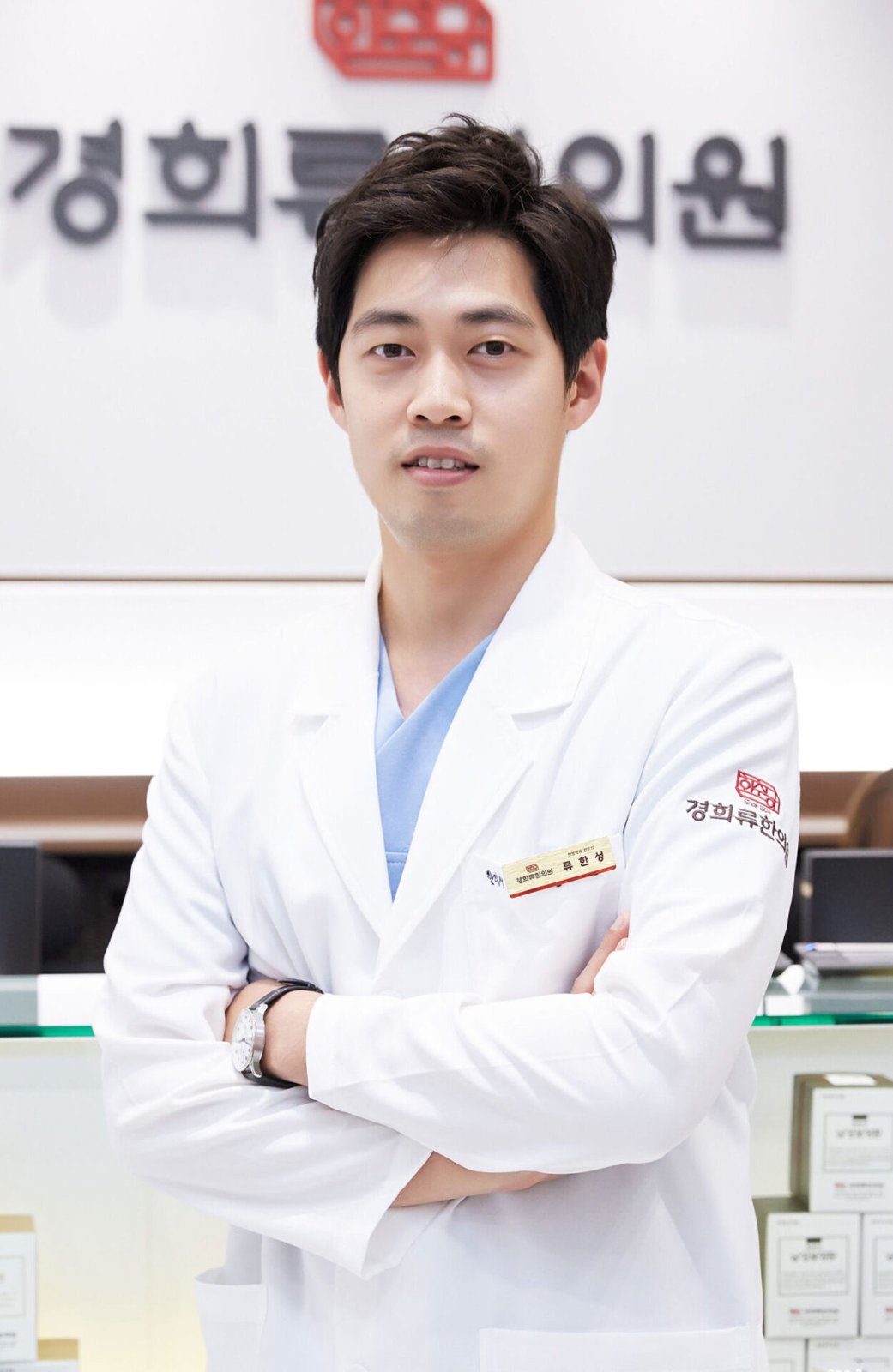
4th-Generation Korean Medicine Doctor · Korean Medicine Internal Medicine Specialist
Dr. Hansung Ryu, Chief Director
- Specialist Training, Korean Medicine Cancer Center, Kyung Hee University Korean Medicine Hospital at Gangdong
- Training at a Harvard Medical School-affiliated hospital (Joslin Diabetes Center)
- Training at the Block Center (Integrative Cancer Center, USA)
- Researcher in the Development of Korean Medicine Standard Clinical Practice Guidelines for Cancer Symptom Relief
SkinDigestive SystemDiabetes · MetabolismConstitutional Immunity & CancerPain · Traffic Accidents
- Dr. Bongha Ryu, Honorary Director: Worked at the Kyung Hee University Stroke Center, which opened in 1974, treating stroke prevention, acute inpatient care, sequelae treatment, and recurrence prevention
- Based on that clinical experience and research, we identify the disease stage in patients with stroke and Parkinson's disease and design treatment
- A family medical team from Kyung Hee University Korean Medicine Hospital provides care together
Related research
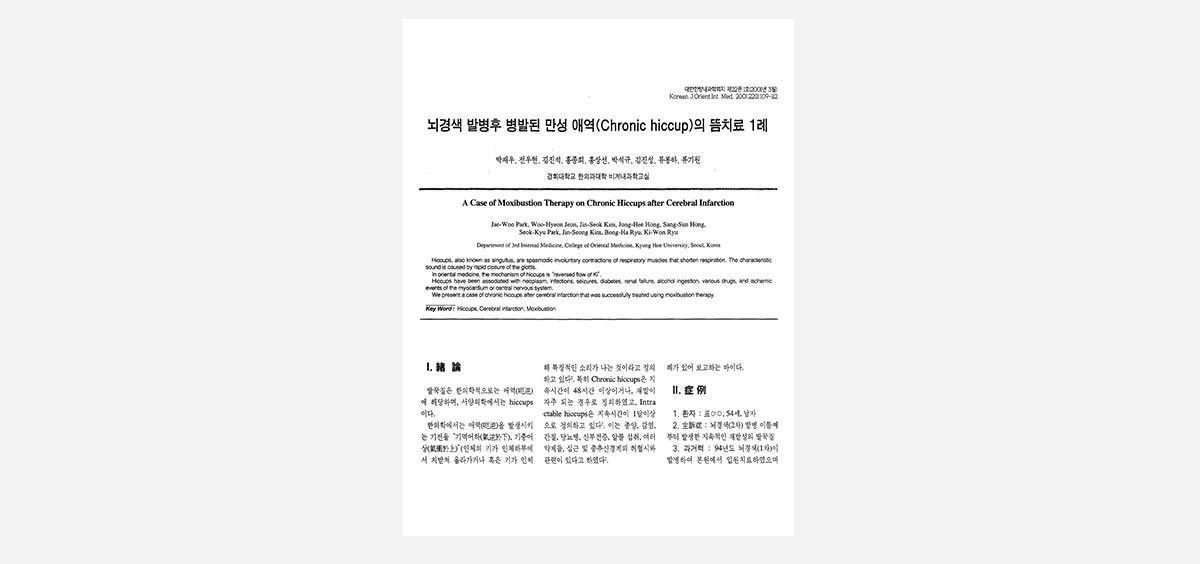
A Case of Moxibustion Treatment for Chronic Hiccup That Occurred After Cerebral Infarction
This case involved a 54-year-old man with recurrent hiccups (呃逆) that continued from the second day after onset of a second cerebral infarction. Moxibustion treatment at CV17, BL15, and BL17 was performed along with herbal decoction and Chlorpromazine. It was reported that the hiccups decreased and the accompanying sleep disturbance and eating difficulty improved.
WHY HOECHUNDANG
Why Choose Hoechundang Kyunghee Ryu Korean Medicine Clinic
- 01
For 4 Generations Since 1904
For 4 generations, we have carried on Hoechundang’s treatment principle of seeing the stomach and intestines as the foundation of health.
- 02
Family Medical Team from Kyung Hee University Korean Medicine Hospital
Dr. Bongha Ryu, Honorary Director, who twice served as director of Kyung Hee University Korean Medicine Hospital and as a presidential physician; Dr. Hansung Ryu, Chief Director, a Korean medicine internal medicine specialist; and Dr. Seungwon Baek, Director, first author of an SCI-level paper on women’s health, provide care together.
- 03
Prepared In-House at Our Herbal Medicine Research Lab
Based on the research of our affiliated Herbal Medicine Research Institute, we prepare prescriptions in-house and use verified herbal ingredients at a level supplied to Kyung Hee University Korean Medicine Hospital.
- 04
15 Acupuncture and Moxibustion Treatment Rooms
We expanded our treatment rooms so patients can receive a variety of treatments, such as acupuncture, pharmacopuncture, Cupping, large moxibustion, radiofrequency, thermal dome therapy, Chuna Manual Therapy, and traction therapy, with minimal waiting.
08FAQ
Frequently Asked Questions
QI had brief paralysis and it went away quickly. Is it okay?
A transient ischemic attack, in which symptoms disappear within 24 hours, is considered a prodromal symptom because stroke occurs in about ⅓ of patients who experience it. Care and management aimed at preventing stroke are needed.
QIt has been a long time since my stroke. Can treatment still help now?
From 6 months to 1 year, gradual improvement is common, and even after that, ongoing care is needed to manage sequelae symptoms and help prevent recurrence. If there are complications, we develop a more detailed plan.
QCan I receive it together with rehabilitation therapy?
Stroke treatment should combine consistent rehabilitation and exercise therapy with herbal medicine, acupuncture and moxibustion treatment, and risk factor management. If you tell us what treatment you are currently receiving, we will plan accordingly.
QDo you also treat Parkinson's disease?
We provide herbal medicine and acupuncture and moxibustion treatment according to the symptoms and condition of patients with Parkinson's disease. Along with motor symptoms such as tremor and rigidity, we also look at accompanying symptoms such as pain, depression, sleep disturbance, and constipation.
QWhen should I take Uwhang Cheongsimwon?
For people with a history of stroke, we prescribe it for long-term use and advise keeping it as an at-home medicine. However, in an emergency situation such as sudden collapse, paralysis, or language impairment, calling 119 and receiving emergency room care come first.
CONSULTATION
Consider a consultation before symptoms become long-standing
If you bring your test results, we will review your current condition together.
RELATED
Related Treatments
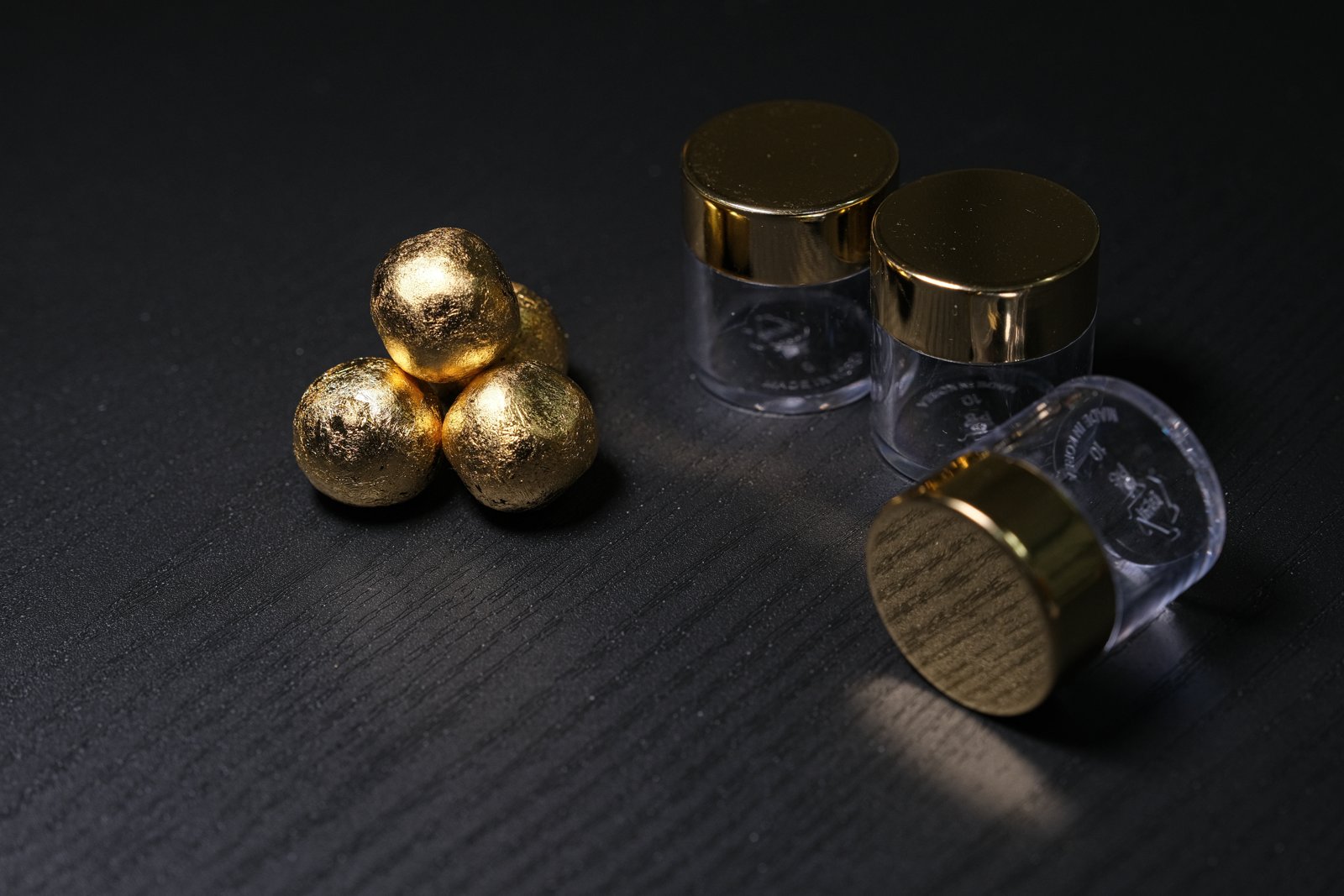 Metabolism, Circulation & ParalysisUwhang CheongsimwonWhen your heart pounds and you feel anxious before an important dayLearn more
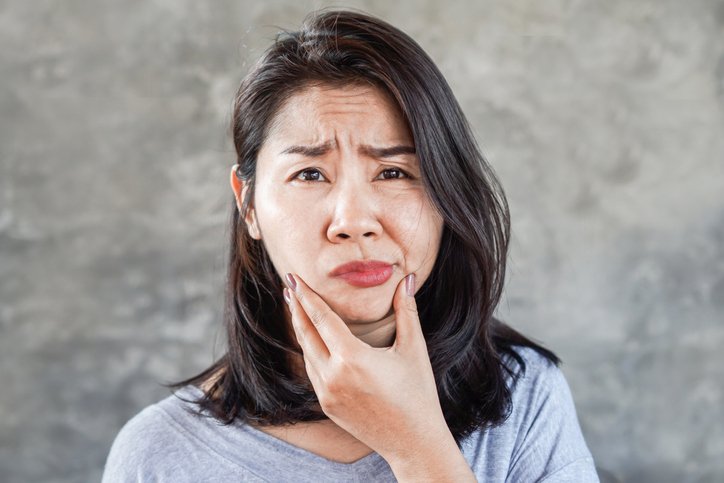 Metabolism, Circulation & ParalysisFacial Palsy · Facial DisordersIf one side of your face suddenly feels stiff, early treatment is importantLearn more
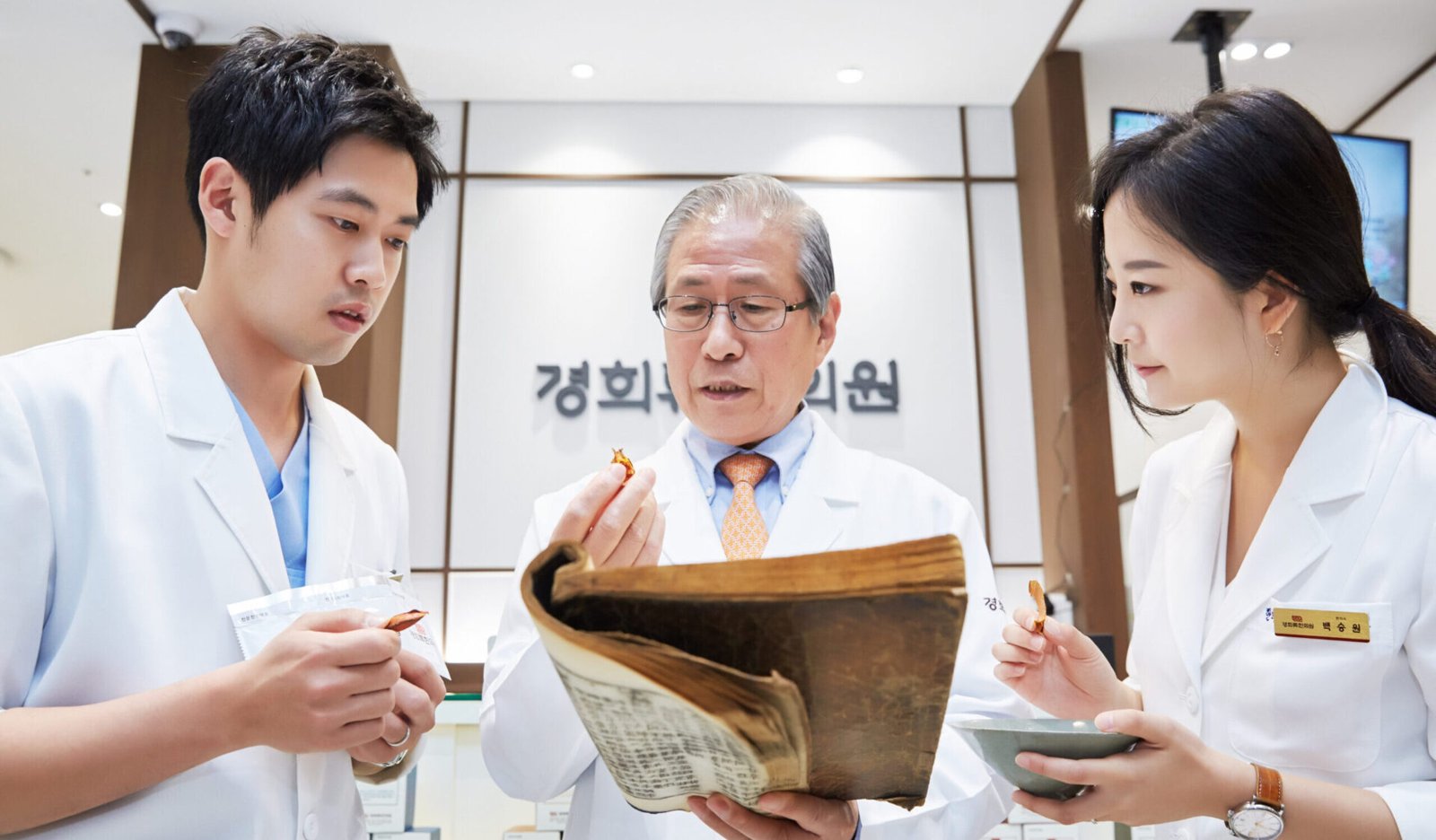 Metabolism, Circulation & ParalysisDiabetes · HyperlipidemiaIs your blood sugar still unstable even with medication, and does your body keep feeling exhausted?Learn more
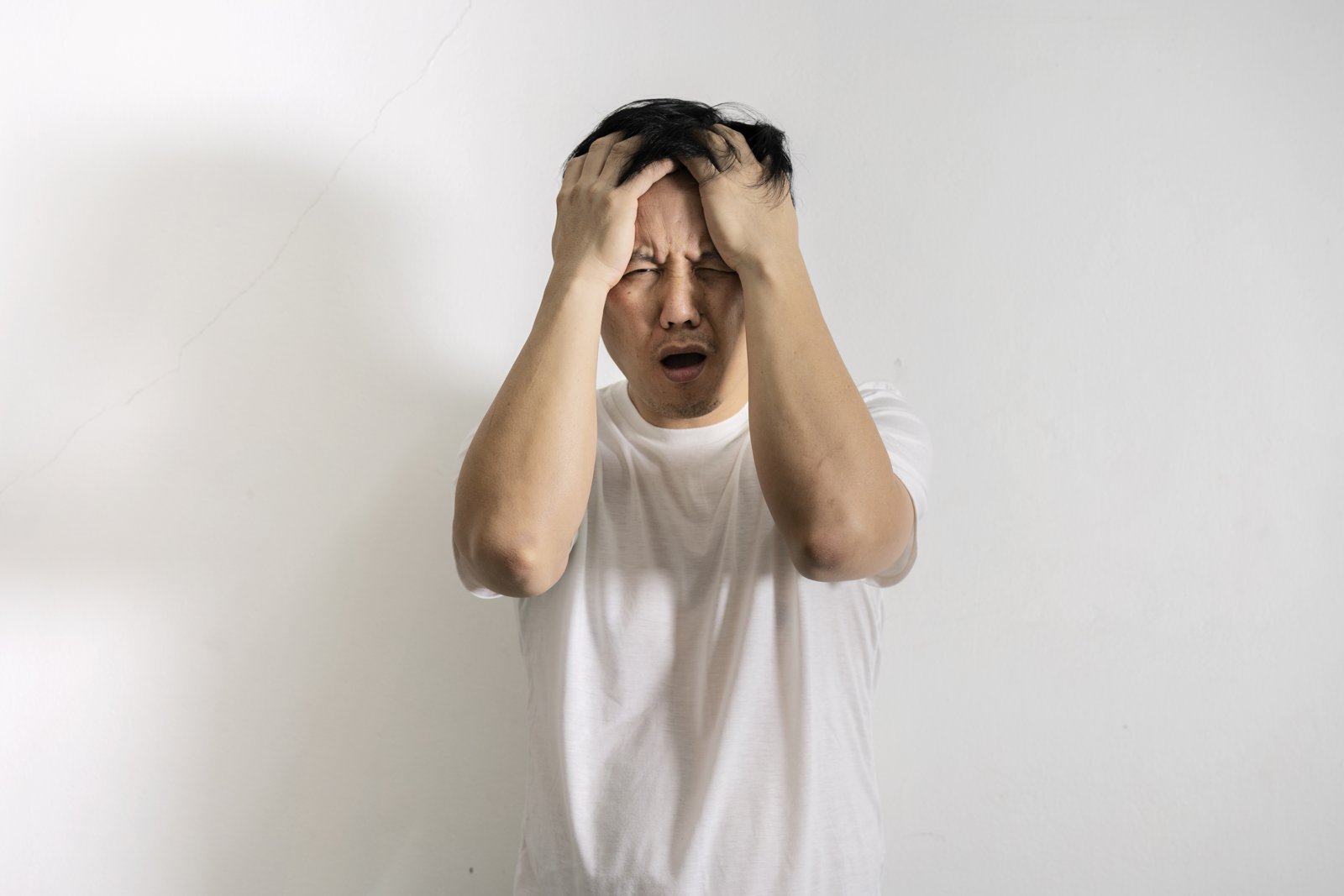 Pain & Accident RecoveryHeadache · DizzinessIf your tests are normal, but your head still hurts and you feel dizzyLearn more
RESERVATION
Stroke Sequelae · Parkinson's Disease:
start with a consultation
Leave your details and we will contact you in order during clinic hours. First-time visitors are welcome — we start by carefully understanding your current condition.
+82-2-792-1904- Mon · Tue · Wed · Thu09:30 – 19:30
- Fri09:30 – 18:30
- Sat09:30 – 14:30 (open without a lunch break)
- LunchWeekdays 13:30 – 14:30