
Main ClinicMetabolism, Circulation & Paralysis
DIABETES & DYSLIPIDEMIA
Diabetes · Hyperlipidemia
Is your blood sugar still unstable even with medication, and does your body keep feeling exhausted?
Diabetes is not only a blood sugar problem. It is a metabolic disease involving blood vessels, inflammation, and toxins. We treat it together with lifestyle regimen management, with the goal of “lowering blood sugar, reducing inflammation, and keeping the blood clear.”
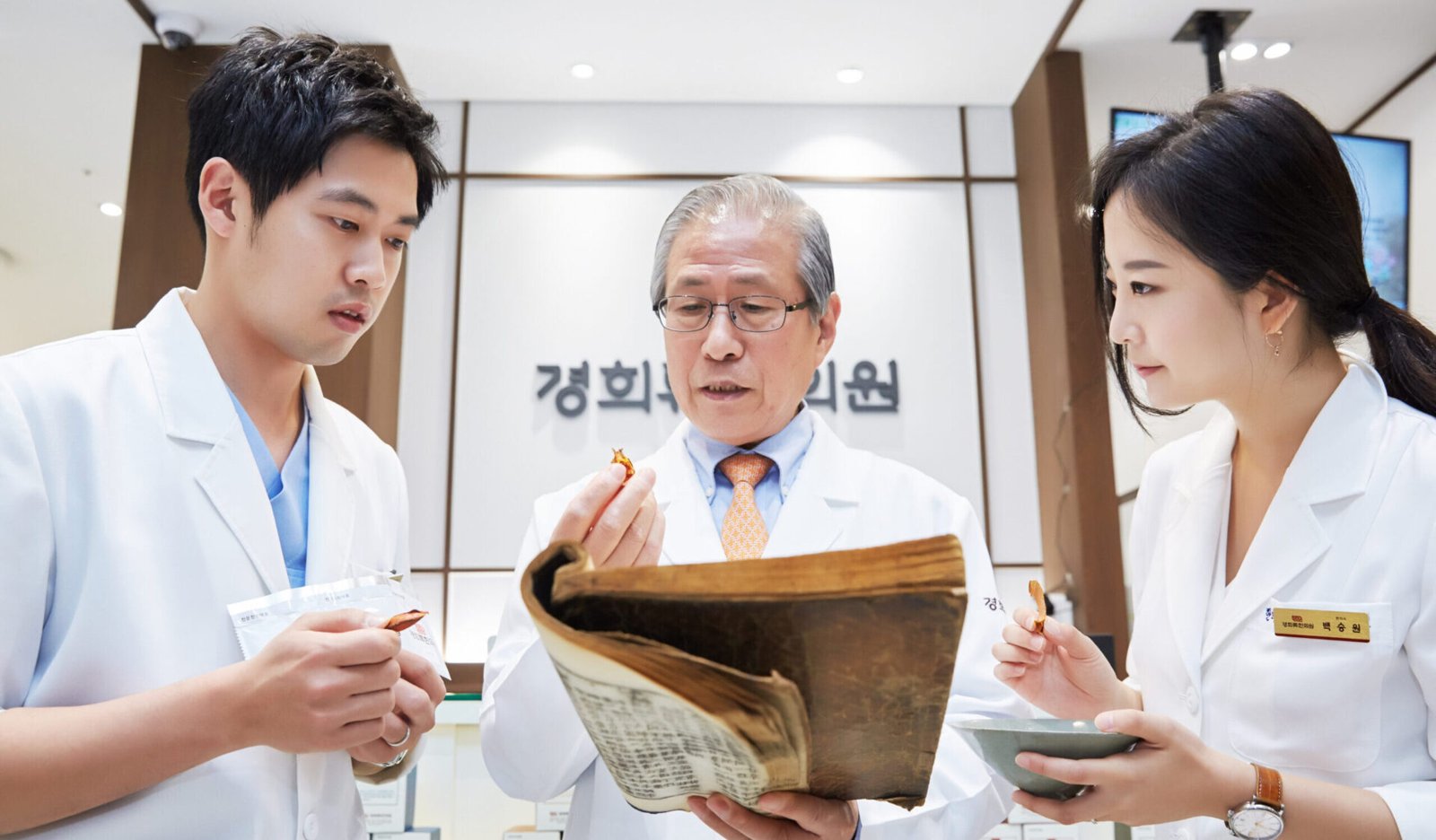
of Hoechundang care
- POINT 01
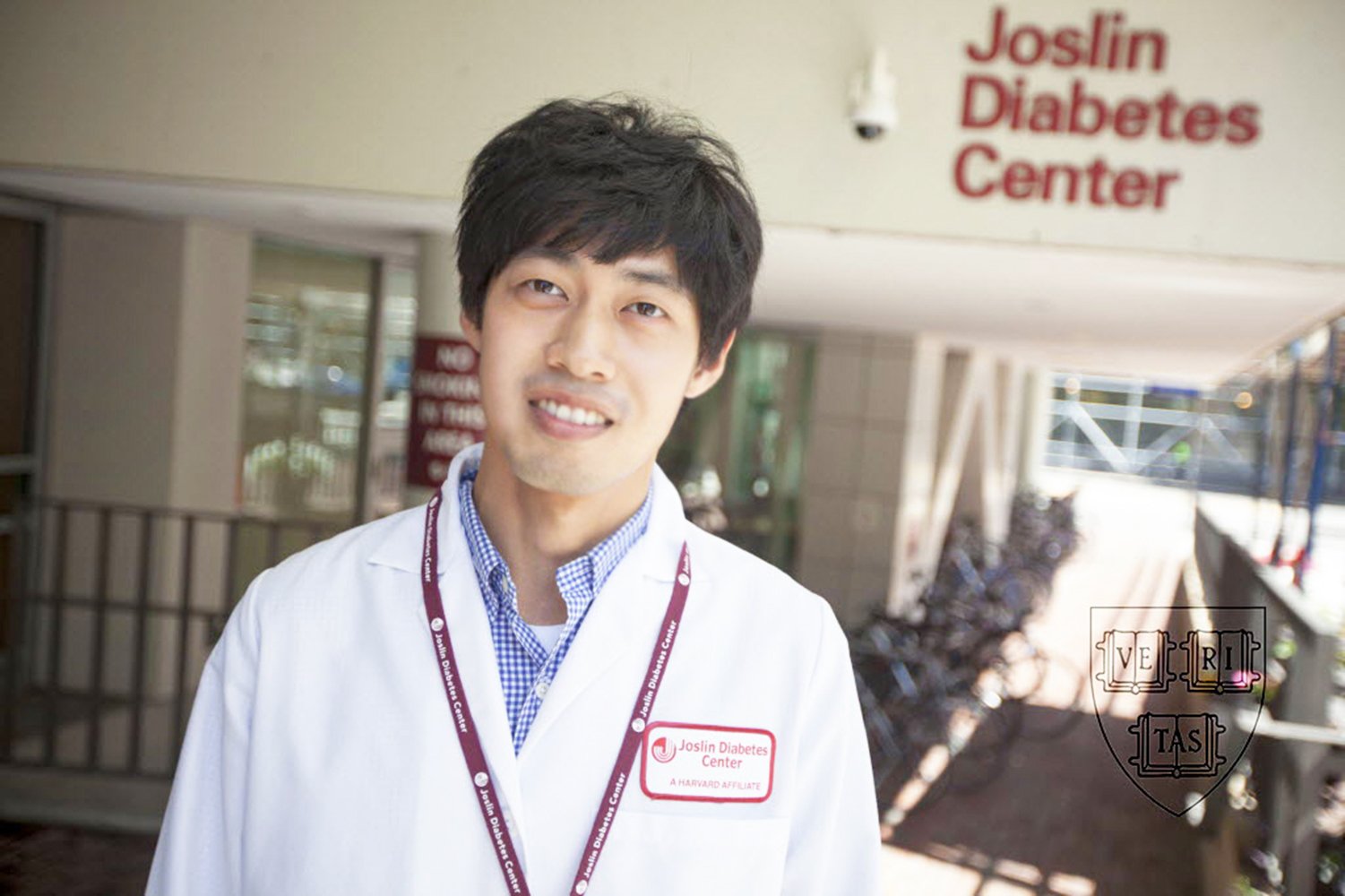
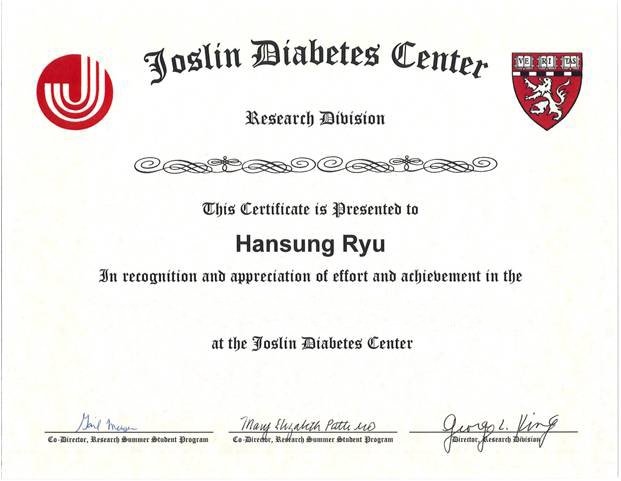
Care by Dr. Hansung Ryu, Chief Director, a Korean internal medicine specialist who trained at the Joslin Diabetes Center affiliated with Harvard Medical School
- POINT 02
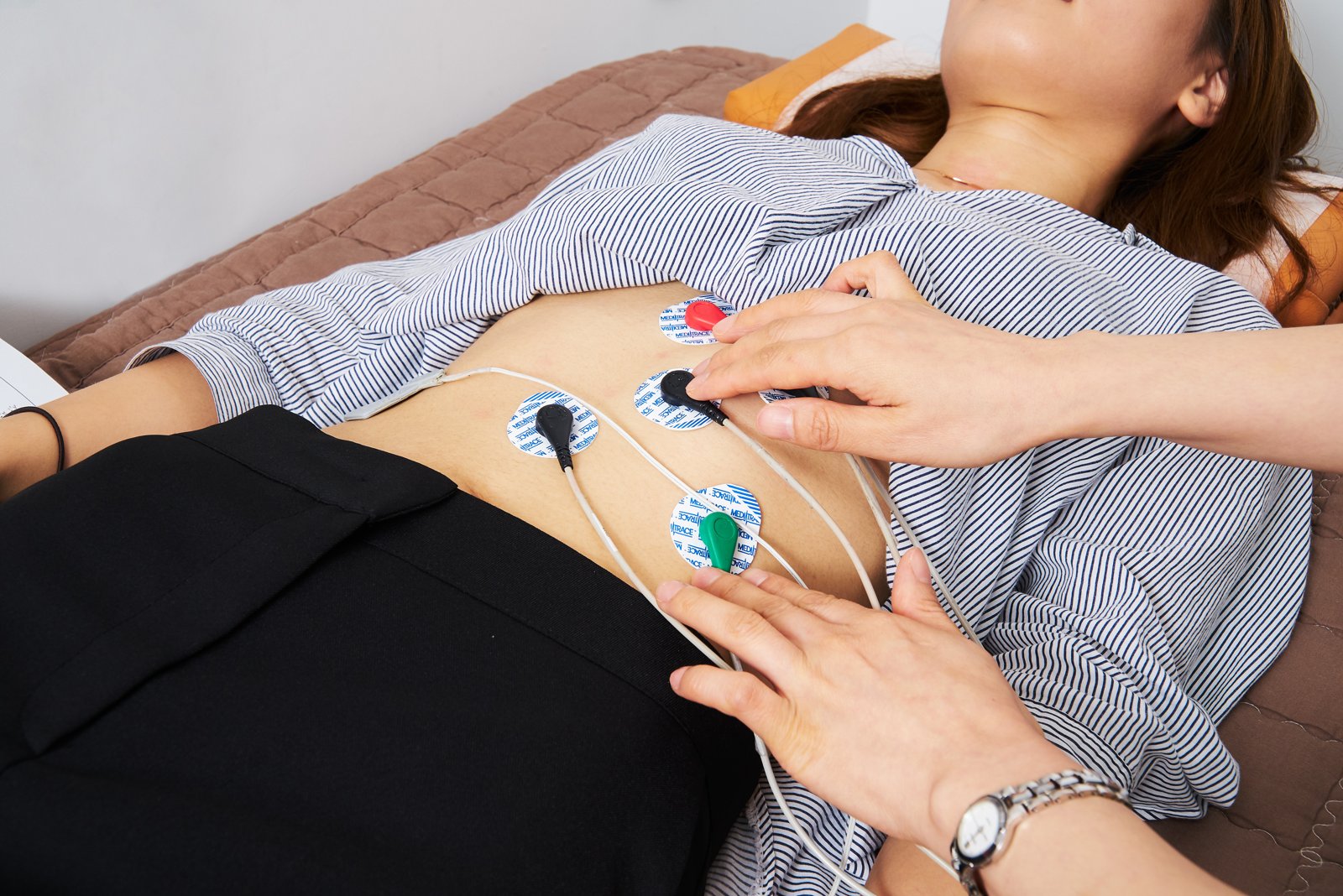
Even indigestion, constipation, and diarrhea caused by diabetes — we also check stomach function with electrogastrography
- POINT 03
Follow-up visits twice a month, acupuncture and pharmacopuncture once a week, and individualized diet and exercise guidance
01SELF CHECK
Do you have these symptoms?
0/ 8
Tap the items that apply to you.
02WHY IT HAPPENS
Diabetes is not just a blood sugar problem
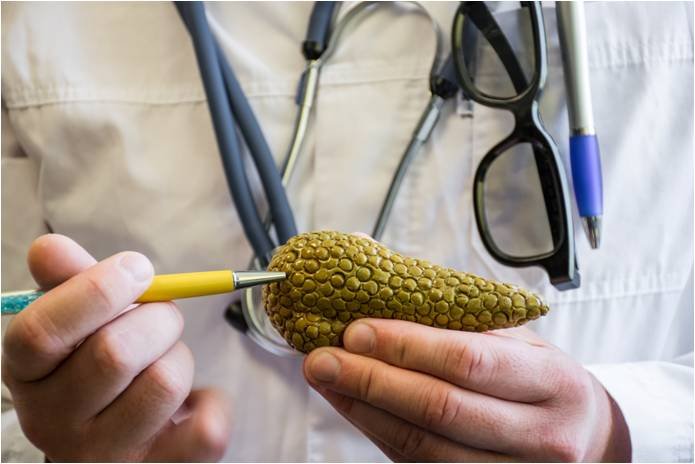
Type 2 diabetes is a metabolic circulation disorder involving abnormalities of the pancreas, liver, and stomach, as well as the muscles, fat tissue, and blood vessels. That is why high blood pressure, hyperlipidemia, and obesity can easily appear together in a vicious cycle. It is common enough to affect about one quarter of adults in Korea, and diagnoses among people in their 20s and 30s have also been increasing recently.
- 01
Unexplained Weight Loss
When the body cannot use glucose from food as energy, it burns muscle or fat instead. This is why weight may decrease even when you are eating enough.
- 02
Sudden Hunger
Because the body becomes less efficient at using blood sugar for energy, remaining blood sugar circulates in the body even after eating, making hunger easier to feel.
- 03
Thirst and Frequent Urination
When there is too much glucose in the blood, the kidneys release sugar into the urine, and water leaves the body with it, causing thirst.
 04
Chronic Inflammation and Vascular Damage
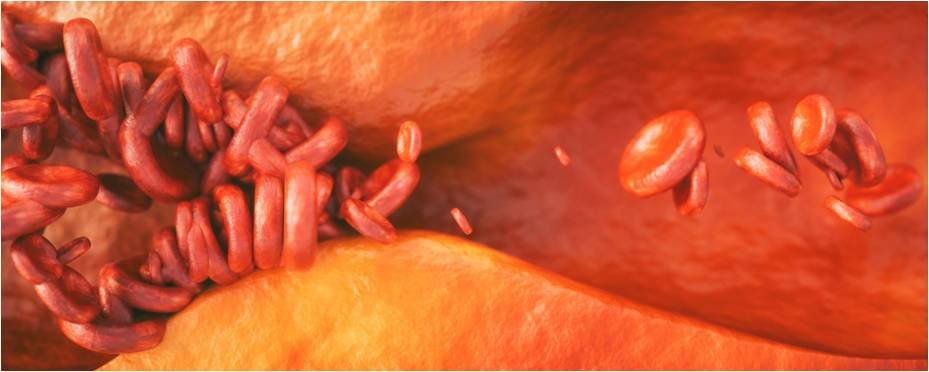
When high blood sugar continues, vascular endothelial cells are damaged and advanced glycation end products (AGEs) accumulate, aging the body and organs. Oxidative stress creates reactive oxygen species (ROS), leading to chronic inflammation, and pancreatic beta cells are damaged, reducing insulin secretion.
- 05
Toxins Accumulating in the Body
High blood sugar, chronic inflammation, and eating habits centered on refined carbohydrates such as flour, noodles, bread, pasta, and pizza cause toxins to accumulate in the body. Circulation becomes blocked, fatigue comes easily, and hyperlipidemia, high blood pressure, abdominal obesity, and fatty liver are more likely to occur together.
Diagnostic Criteria for Diabetes and Prediabetes
| Test | Prediabetes (impaired fasting glucose · impaired glucose tolerance) | Diabetes |
|---|---|---|
| Fasting blood glucose (after 8 hours of fasting) | 100~125mg/dL | 126mg/dL or higher |
| 2 hours after oral glucose tolerance test | — | 200mg/dL or higher |
| HbA1c | 5.7~6.4% | 6.5% or higher |
Prediabetes is a condition in which the body’s ability to metabolize glucose and maintain normal blood sugar has declined, creating a higher risk of progression to diabetes.
03WHY TREAT EARLY
Things that are easy to miss when relying only on medication
Even if numbers appear stable with blood sugar-lowering medication, diabetes status and pancreatic function may not improve if diet and exercise management are neglected. If tolerance or resistance to medication develops, control may become difficult with the same medication, making it more likely that the number or strength of medications will increase. Over time, complications may appear from head to toe.
As diabetes progresses, the nerves involved in gastrointestinal movement may also be damaged, so gastrointestinal symptoms such as indigestion, bloating, diarrhea, and constipation may occur together.
PROCESS
How Care Proceeds
- 01
Consultation · Pulse Diagnosis
We listen carefully to your symptoms, lifestyle habits, and treatment history, then assess your condition through pulse and tongue diagnosis.
- 02
Detailed Testing
We check organ function, energy level, and autonomic nervous system balance with tests suited to your condition.
- 03
Pattern Identification · Diagnosis
We combine your test results and constitution to find the underlying cause of your symptoms.
- 04
1:1 Customized Prescription
We design the needed treatments for each person, including herbal medicine, acupuncture, pharmacopuncture, and moxibustion.
- 05
Progress Management
We monitor your progress through regular tests and consultations and adjust prescriptions as needed.
04DIAGNOSIS
Tests that check the stomach along with diabetes
 TEST 01
Iris Genetic Constitution Test
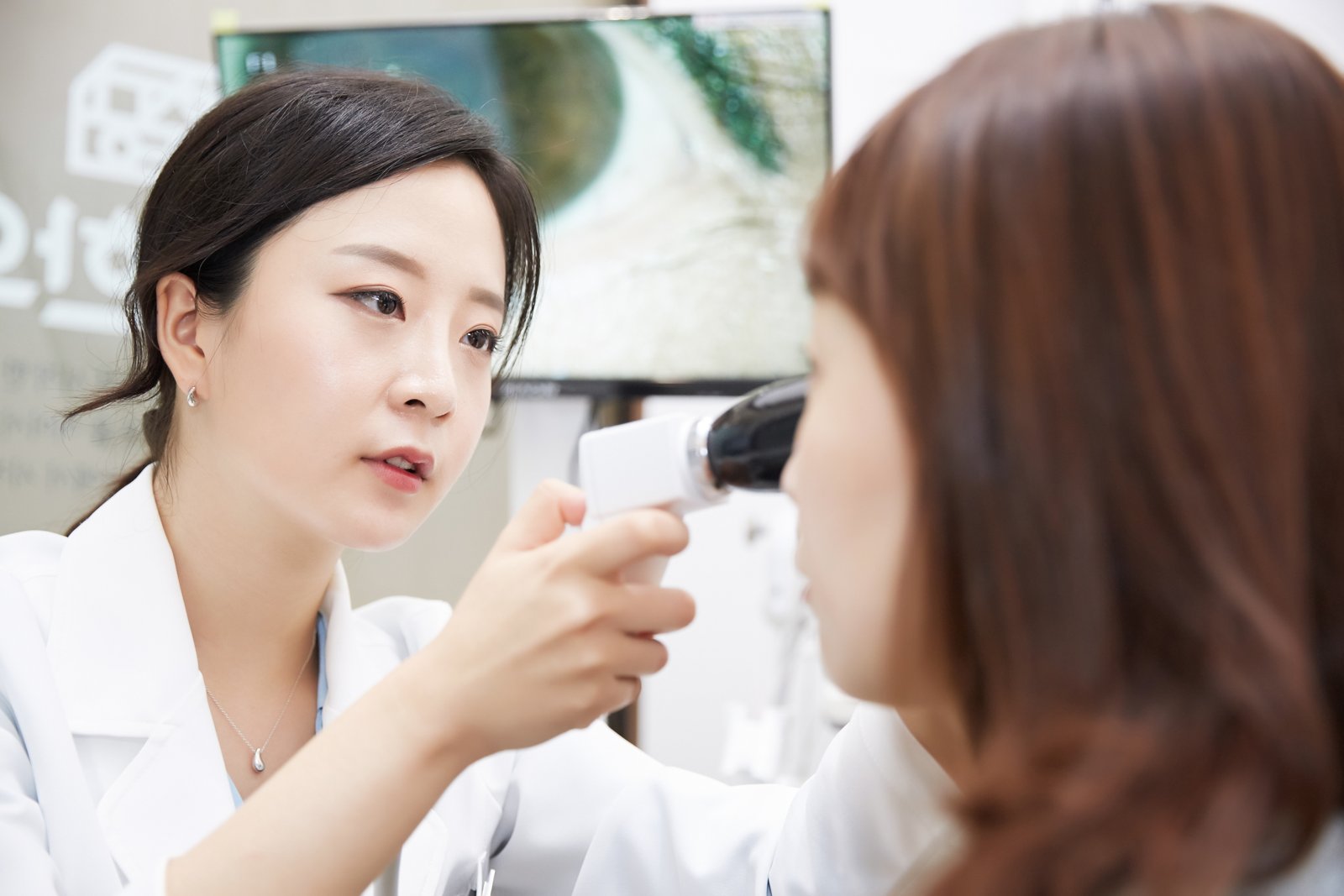
We check whether pancreatic function was constitutionally weak from birth or whether toxins have accumulated because circulation and detoxification declined later in life. We also look at reduced digestive system function, including the stomach, spleen, large intestine, and liver, and create a treatment plan according to constitution.
 TEST 02
Electrogastrography
Electrodes are attached to the abdomen to evaluate whether the stomach is moving properly through the stomach’s electrical signals. Unlike endoscopy, it involves little pain or discomfort, and it indirectly checks gastric emptying ability by comparing before and after meals. We assess the degree of reduced stomach motility in people with gastrointestinal symptoms from diabetes.
- TEST 03
Blood Test · HbA1c Test
When needed, we assess the current condition with a blood test and HbA1c test, and create a treatment plan together with constitutional diagnosis.
Bringing your blood test and endoscopy results to your visit can be helpful for care.
05TREATMENT
This Is How We Treat Diabetes
The treatment goal is “lowering blood sugar, reducing inflammation, and keeping the blood clear.” There are reports that lowering HbA1c by just 1% may reduce diabetes-related complications by about 21%, so blood sugar management should not be delayed. Based on diet and exercise management suited to each person, we aim to gradually reduce dependence on medication.
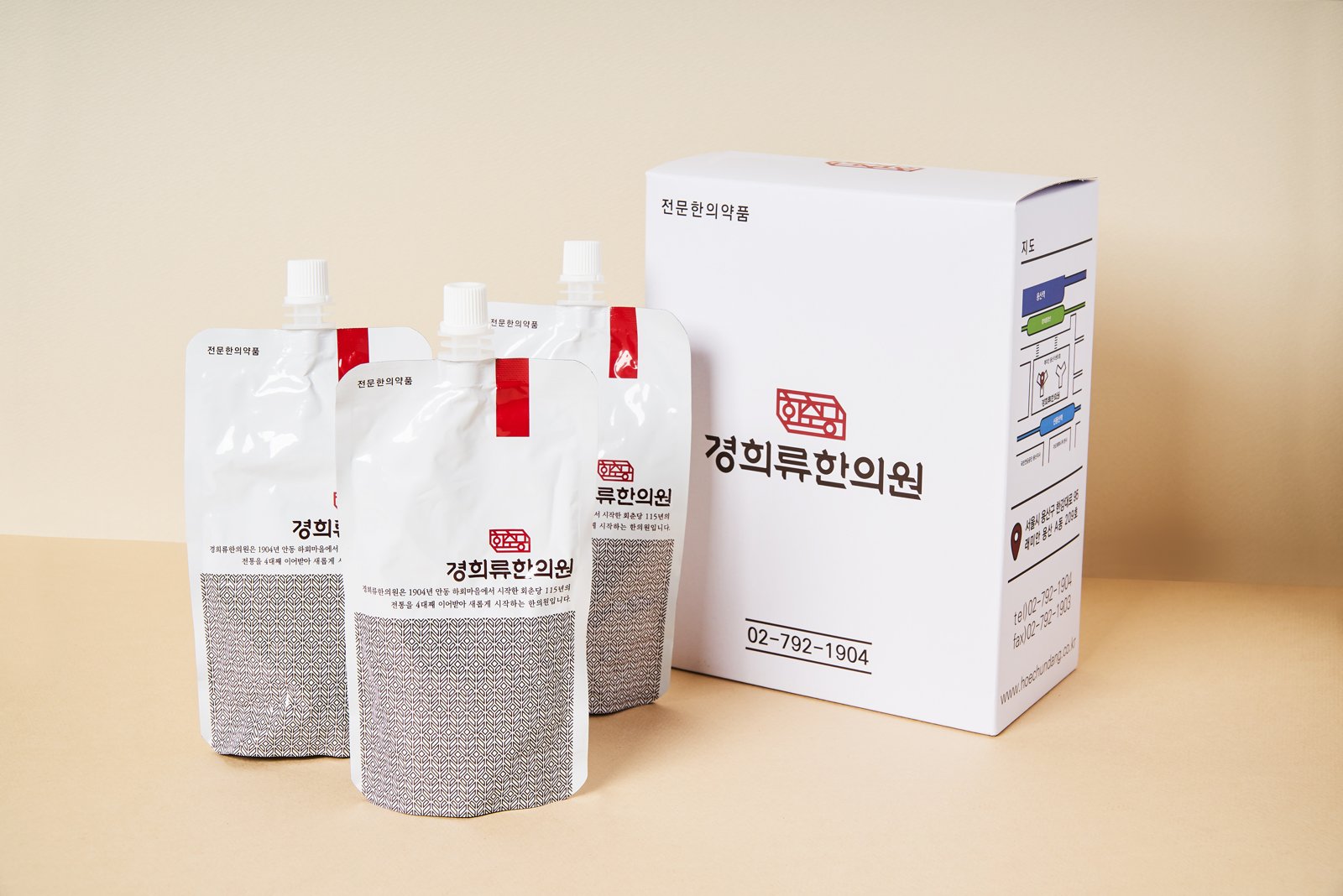
One-on-One Personalized Diabetes Herbal Medicine
Based on your constitution, we prescribe to help reduce inflammation in the blood vessels, circulate the blood clearly, and prevent blood sugar from rising excessively. If many waste products have accumulated, we adjust the formula with herbs that support detoxification. For diabetes together with hyperlipidemia, high blood pressure, abdominal obesity, and visceral obesity, we aim for blood circulation improvement, inflammation removal, and toxin elimination.
- If complications such as diabetic indigestion, constipation, or diarrhea are also present, we create a more detailed treatment plan
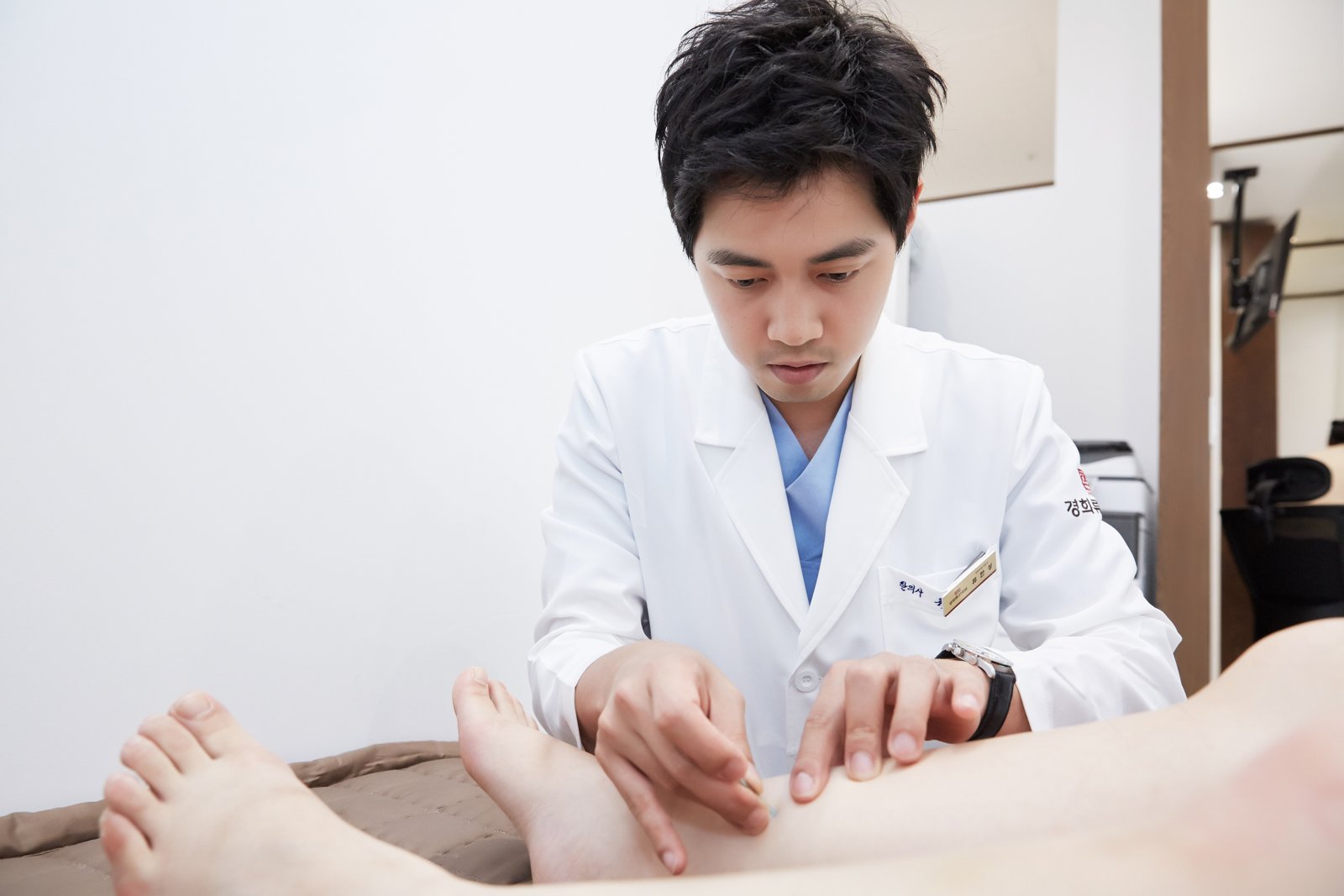
Acupuncture · Moxibustion · Pharmacopuncture
If accompanying symptoms such as peripheral neuropathy are present, we actively treat them with acupuncture, moxibustion, and pharmacopuncture. This helps support weakened metabolic circulation and manage disrupted autonomic nervous system balance.

Lifestyle Regimen Management — Diet
We limit carbohydrates, which have the most direct effect on blood sugar, and maintain balanced intake of the other nutrients.
- Reduce refined carbohydrates such as white rice, noodles, bread, and pasta, and simple sugars such as sugar, cake, and chocolate as much as possible
- Eat sufficient and balanced amounts of protein, fat, and dietary fiber
- Do not eat in a hurry, and eat a set amount regularly at set times
- Skipping meals or eating snacks often can easily lead to binge eating

Lifestyle Regimen Management — Exercise
We choose an exercise method differently depending on how far you are from your standard weight. We guide you to find and consistently follow the method that suits you, whether aerobic exercise such as walking, strength training, or a combination of both.
Treatment program
- Systematic and periodic testing
- Follow-up observation visits twice a month
- Acupuncture and moxibustion treatment and pharmacopuncture treatment once a week
- Consistent dietary and exercise lifestyle regimen management
CONSULTATION
Consider a consultation before symptoms become long-standing
If you bring your test results, we will review your current condition together.
06EXPERTISE
Diabetes · Metabolic Disease Care
Training at Harvard Medical School-affiliated Joslin Diabetes Center

4th-Generation Korean Medicine Doctor · Korean Medicine Internal Medicine Specialist
Dr. Hansung Ryu, Chief Director
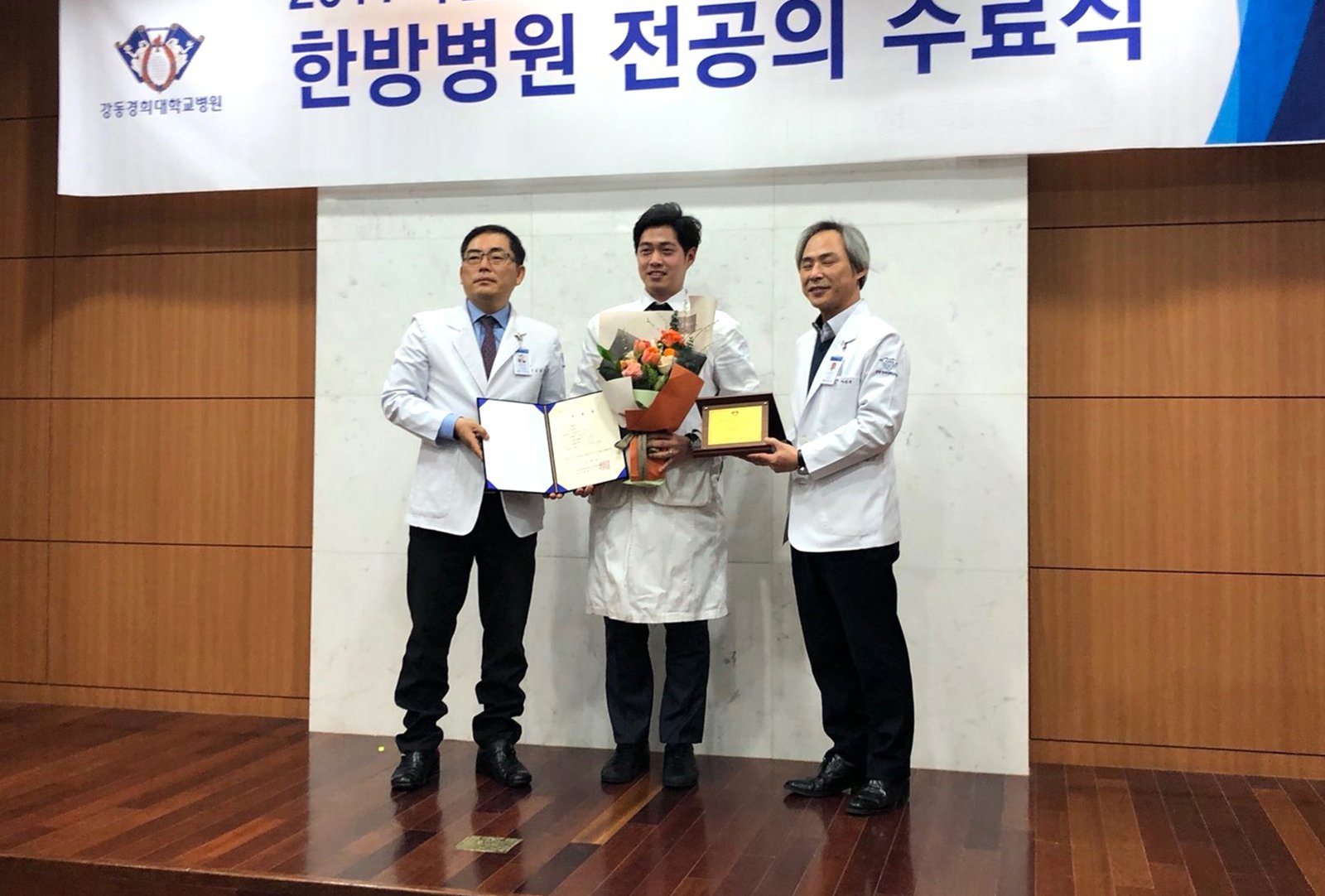
- Specialist Training, Korean Medicine Cancer Center, Kyung Hee University Korean Medicine Hospital at Gangdong
- Training at a Harvard Medical School-affiliated hospital (Joslin Diabetes Center)
- Training at the Block Center (Integrative Cancer Center, USA)
- Researcher in the Development of Korean Medicine Standard Clinical Practice Guidelines for Cancer Symptom Relief
SkinDigestive SystemDiabetes · MetabolismConstitutional Immunity & CancerPain · Traffic Accidents
- Dr. Hansung Ryu, Chief Director: trained at the Joslin Diabetes Center affiliated with Harvard Medical School
- Completed specialist training in Korean internal medicine at Kyung Hee University Korean Medicine Hospital
- An individualized diabetes management program combining overseas diabetes treatment strategies, Hoechundang Korean medicine treatment continued since 1904, and integrative medicine-based dietary management
WHY HOECHUNDANG
Why Choose Hoechundang Kyunghee Ryu Korean Medicine Clinic
- 01
For 4 Generations Since 1904
For 4 generations, we have carried on Hoechundang’s treatment principle of seeing the stomach and intestines as the foundation of health.
- 02
Family Medical Team from Kyung Hee University Korean Medicine Hospital
Dr. Bongha Ryu, Honorary Director, who twice served as director of Kyung Hee University Korean Medicine Hospital and as a presidential physician; Dr. Hansung Ryu, Chief Director, a Korean medicine internal medicine specialist; and Dr. Seungwon Baek, Director, first author of an SCI-level paper on women’s health, provide care together.
- 03
Prepared In-House at Our Herbal Medicine Research Lab
Based on the research of our affiliated Herbal Medicine Research Institute, we prepare prescriptions in-house and use verified herbal ingredients at a level supplied to Kyung Hee University Korean Medicine Hospital.
- 04
15 Acupuncture and Moxibustion Treatment Rooms
We expanded our treatment rooms so patients can receive a variety of treatments, such as acupuncture, pharmacopuncture, Cupping, large moxibustion, radiofrequency, thermal dome therapy, Chuna Manual Therapy, and traction therapy, with minimal waiting.
07FAQ
Frequently Asked Questions
QIf I take herbal medicine, can I stop taking diabetes medication?
Through diet and exercise management and treatment, we aim to gradually reduce dependence on medication. However, please do not reduce or stop any medication you are taking on your own, and adjust it in consultation with the prescribing medical team.
QI was told I have prediabetes. Should I start managing it now?
Prediabetes is a condition in which glucose metabolism has declined, creating a higher risk of progression to diabetes. If it is not an urgent situation, it is important to find a diet and exercise method that suits you and manage it consistently.
QHow do diabetes medications work?
Blood sugar-lowering medications are divided into sulfonylureas, biguanides, alpha-glucosidase inhibitors, glinides, thiazolidinediones, DPP-4 inhibitors, and others. Most increase insulin secretion or improve insulin sensitivity, and some slow carbohydrate absorption to help control blood sugar.
QCan poor digestion also be due to diabetes?
As diabetes progresses, the nerves involved in gastrointestinal movement may be damaged. Many people come in with diabetic indigestion, constipation, or diarrhea, and we use electrogastrography to check how much stomach movement has decreased.
QIs walking diligently all I need to do?
Depending on your weight and constitution, aerobic exercise, strength training, or a combination of both may be more appropriate. We consider how your weight compares with the standard weight and guide you on an exercise plan that fits you.
QHow often should I receive acupuncture treatment?
Our diabetes treatment program is based on weekly acupuncture, moxibustion, and pharmacopuncture treatments. Depending on accompanying symptoms, many patients receive treatment 2–3 times a week along with herbal medicine.
CONSULTATION
Consider a consultation before symptoms become long-standing
If you bring your test results, we will review your current condition together.
RELATED
Related Care
 Metabolism, Circulation & ParalysisWeight Management · EdemaA body that does not lose weight easily even with less food, and always feels swollen and heavyLearn more
 Metabolism, Circulation & ParalysisStroke Sequelae · Parkinson's DiseaseParalysis and numbness after a stroke: 3–6 months is an important recovery periodLearn more
- Digestive DisordersFunctional Dyspepsia · Damjeok (Phlegm Accumulation)My endoscopy is normal, so why do I always feel bloated and have indigestion?Learn more
 Fatigue & Herbal TonicsChronic Fatigue · Restorative Herbal MedicineDo you still feel tired even after sleeping?Learn more
RESERVATION
Diabetes · Hyperlipidemia:
start with a consultation
Leave your details and we will contact you in order during clinic hours. First-time visitors are welcome — we start by carefully understanding your current condition.
+82-2-792-1904- Mon · Tue · Wed · Thu09:30 – 19:30
- Fri09:30 – 18:30
- Sat09:30 – 14:30 (open without a lunch break)
- LunchWeekdays 13:30 – 14:30