
Main ClinicPain & Accident Recovery
MUSCULOSKELETAL PAIN
Musculoskeletal Pain
If you have been getting by with pain relievers and pain patches, it may be time to look at the cause
From the neck and low back to the shoulders, knees, wrists, ankles, and temporomandibular joint, we check the painful area along with the body’s balance and overall condition. We provide care to help reduce pain and lower the chance of recurrence.
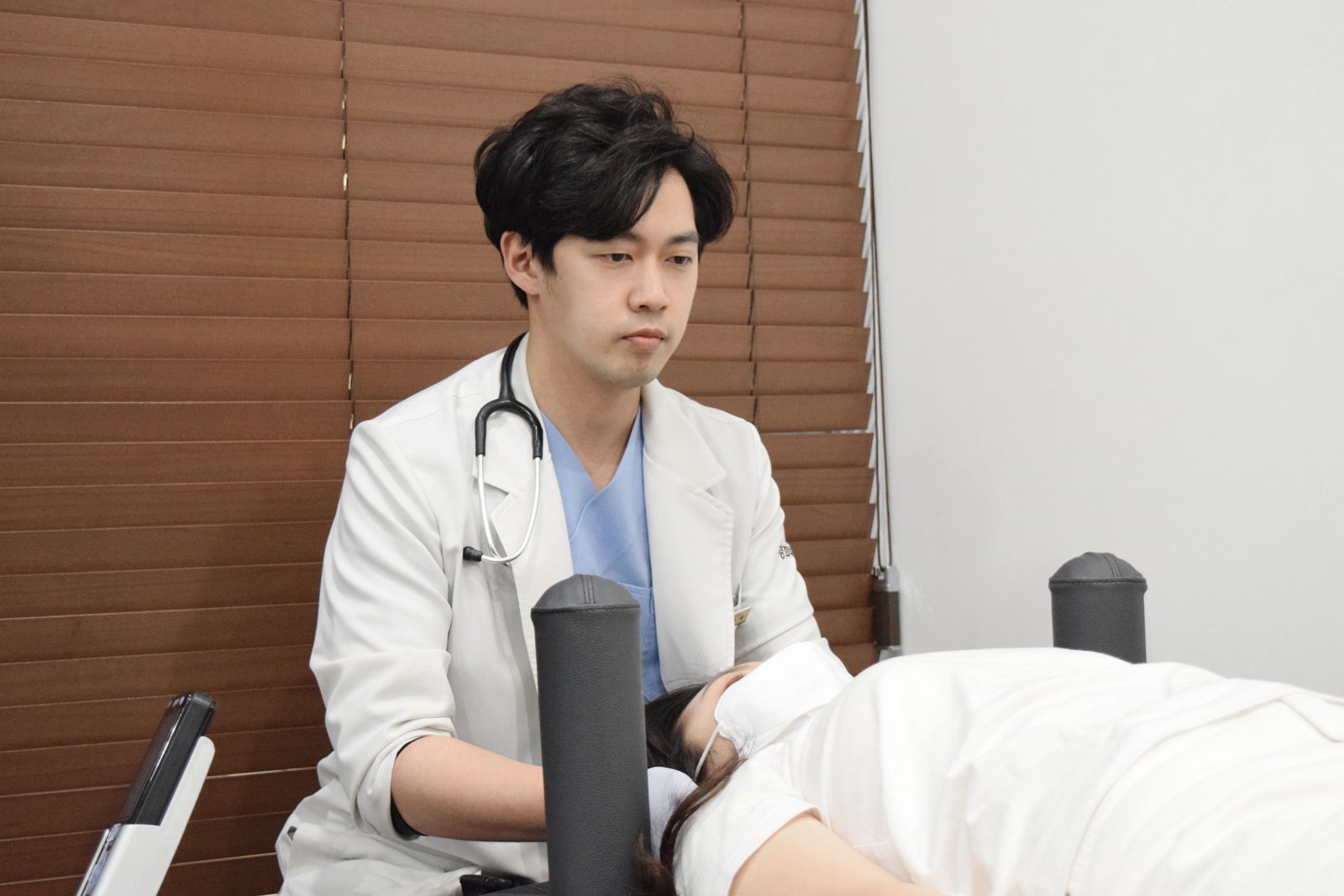
of Hoechundang care
- POINT 01
Diagnosing the cause of pain through Range of Motion (ROM) Assessment, Physical Examination, and Medical History Taking
- POINT 02
Combining acupuncture, electrical acupuncture, pharmacopuncture, Chuna Manual Therapy, maeseon acupuncture, and physical therapy according to your condition
- POINT 03
Medical Team with experience at Kyung Hee University Korean Medicine Hospital’s Acupuncture and Moxibustion Medicine Department and Spine and Joint Center
01SELF CHECK
Are you concerned about pain like this?
0/ 8
Tap the items that apply to you.
02WHY IT HAPPENS
These conditions may occur by body area
Musculoskeletal pain can arise from many causes, including lifestyle habits, trauma, stress, and aging. Even with the same type of pain, the cause and treatment goals differ depending on the area and structure involved.
We do not look only at the painful area
While treating the area the patient reports, we also check the body’s balance and overall condition. We help align the body’s balance, support circulation, and replenish deficient energy to help the body overcome chronic pain.
 01
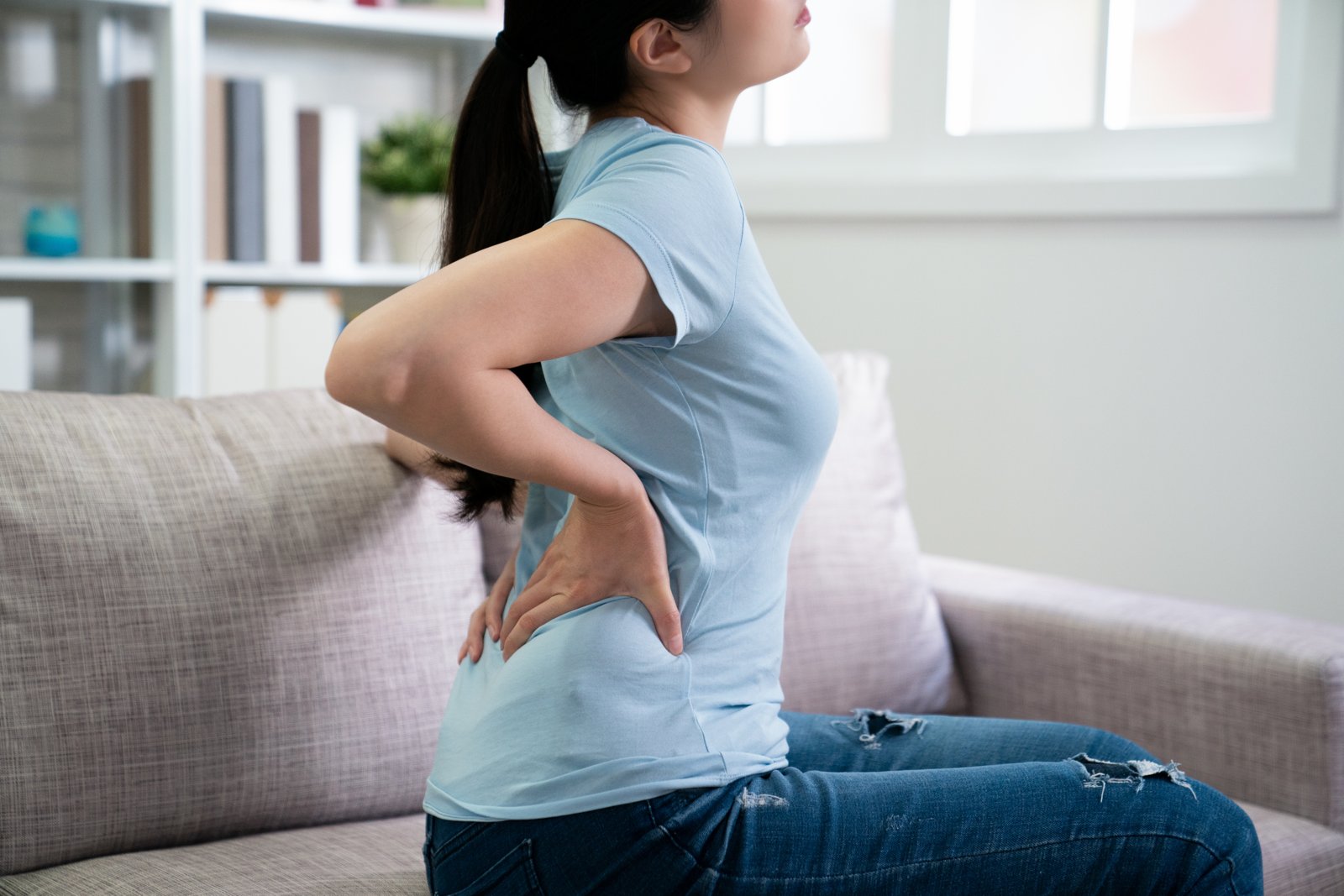
Spine — When the Body's Center Loses Balance
We review the causes of spinal pain and provide care by classifying it according to the characteristics of the related functional structures.
- Neck and low back disc herniation (herniated intervertebral disc) — A herniated disc or abnormally overgrown bone tissue presses on nerves, causing radiating pain and, in severe cases, sensory or motor impairment. In the past, it was common among people in their 40s and 50s, but with computer and smart device use, the number of patients in their 20s and 30s has increased greatly as well.
- Spinal stenosis — With spinal degeneration, the ligaments thicken and swell, narrowing the nerve passageway. The legs become numb and tight, making it difficult to walk normally.
 02
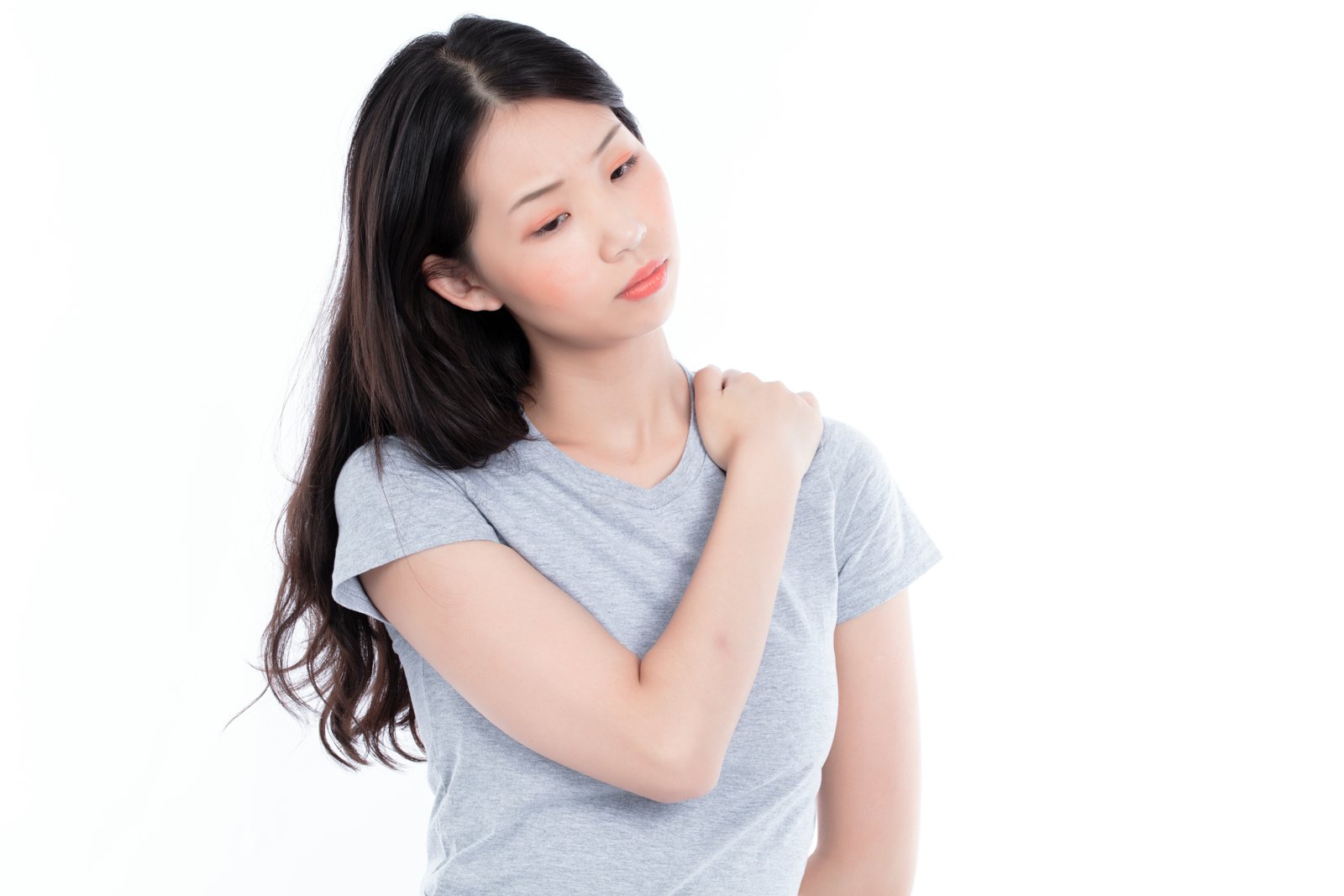
Shoulder — Pain That Keeps You from Lifting Your Arm or Sleeping
Our goal is to calm inflammation in the shoulder muscles and tendons, support recovery, and expand the range of motion.
- Frozen shoulder (adhesive capsulitis) — The joint capsule surrounding the shoulder joint thickens, causing inflammation and pain. The shoulder becomes stiff as if frozen, and symptoms repeatedly improve and worsen.
- Rotator cuff tear or inflammation — The four shoulder muscles that lift and rotate the arm develop inflammation from degeneration or overuse, or tear due to impact. It hurts more at night than during the day and makes it difficult to use the arm.
- Calcific tendinitis — Calcium accumulates and forms deposits due to tendon injury, degeneration, or overuse. It becomes hard to lift the arm, and the pain at night can make it difficult to fall asleep.
- 03
Knee — A Joint Prone to Chronic Pain
For degenerative arthritis, we warm the area around the knee to help blood circulation and ease pain, swelling, and discomfort. For cartilage and ligament injuries, we promote blood circulation and reduce pain to support rehabilitation.
- Degenerative arthritis — With aging, bones, muscles, and ligaments do not function properly, and inflammation causes pain. It can also occur due to obesity, nutritional deficiency, or repetitive use, and the joint becomes stiff and achy.
- Meniscus and knee ligament injury — Cartilage or ligaments tear due to overuse or external impact. Fluid may build up in the knee, causing swelling or instability, and a locking sensation may occur.
 04
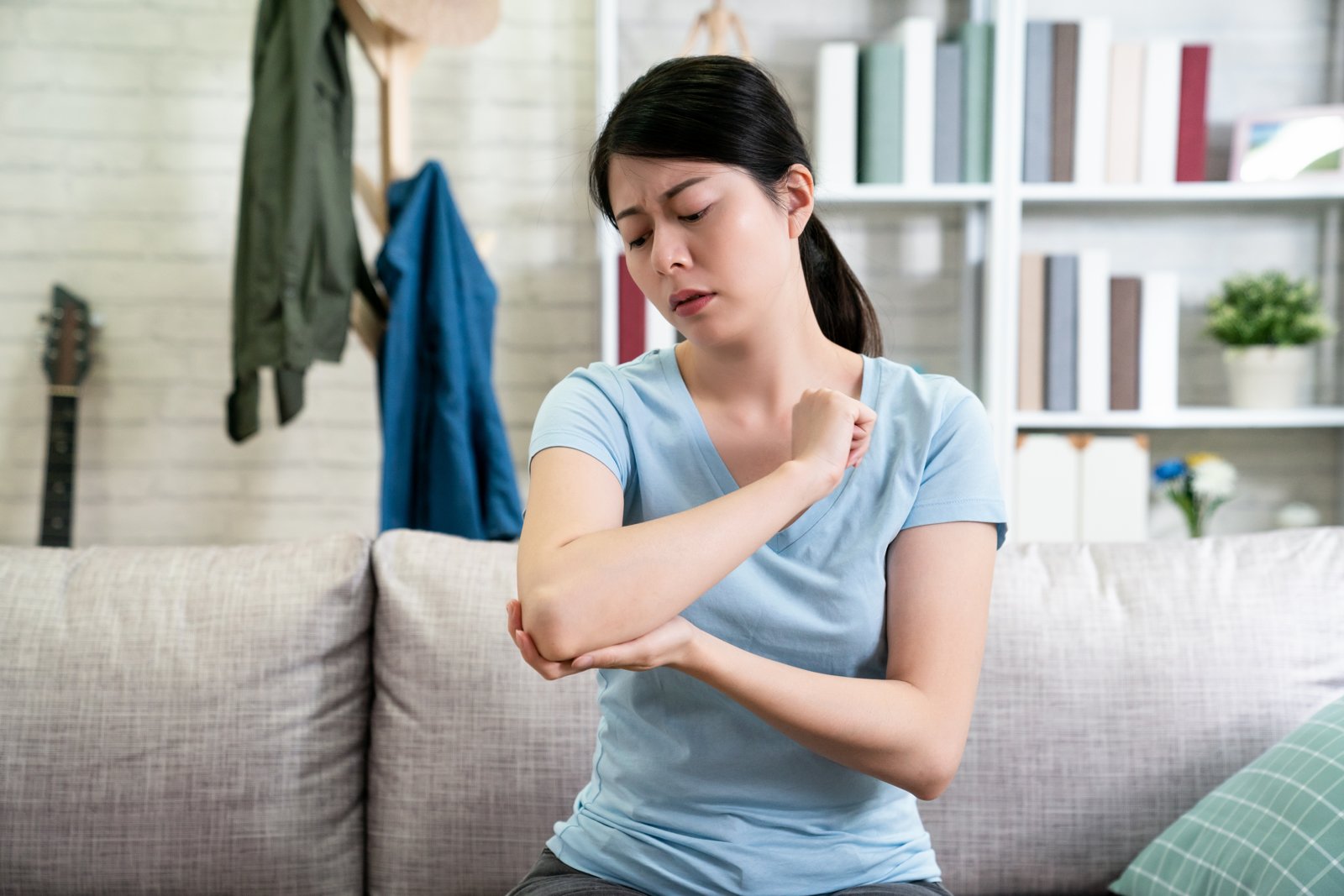
Elbow · Wrist · Fingers — Frequently Used, Frequently Painful Areas
We calm inflammation and pain and reduce tension in the surrounding tendons and muscles to ease accompanying symptoms such as numbness and swelling.
- Tennis elbow and golfer’s elbow — Pain occurs on the outside of the elbow (tennis elbow) or the inside (golfer’s elbow). It is caused by overuse of the arm, excessive exercise, household work, or external impact.
- Trigger finger — Inflammation of the finger tendon causes pain along with a “clicking” sound (snapping sound) when bending or straightening the finger, and movement becomes limited.
- Wrist tenosynovitis (De Quervain’s syndrome) — Friction occurs in the sheath surrounding the wrist tendons, causing the tendon to swell and become inflamed.
- 05
Foot · Ankle — From Acute Sprains to Chronic Recurrence
We provide treatment to manage inflammation of the ligaments, muscles, and fascia of the ankle and sole and to calm swelling.
- Ankle sprain — Commonly described as “twisting the ankle,” this is a condition in which ligaments or muscles are stretched or torn. Pain and swelling occur right away, and bruising may develop if severe.
- Plantar fasciitis — Repeated microscopic damage to the plantar fascia causes inflammation. It is associated with jobs that require prolonged standing, uncomfortable or high-heeled shoes, long periods of walking, flat feet, weight gain, and other factors.
- 06
Temporomandibular Joint Disorder — Pain and Reduced Confidence
Rather than only reducing pain, we help address the causes of temporomandibular joint disorder by correcting the jaw muscles and nearby spine together.
- You may have difficulty opening your mouth, hear a clicking sound each time you open it, and develop pain around the jaw and face.
- Causes include malocclusion, psychological stress that creates tension, habits that strain the jaw, and poor posture that can lead to forward head posture and scoliosis.
03WHY TREAT EARLY
Temporary fixes can allow pain to deepen
Pain relievers and patches often only help you get through the pain for the moment. If the cause is left unchanged, it may progress to chronic pain or a disc problem. If a meniscus injury is left untreated for a long time, the muscles may atrophy and the leg may become thinner, and temporomandibular joint disorder can be accompanied by facial asymmetry or tend to become chronic.
PROCESS
How Care Proceeds
- 01
Consultation · Pulse Diagnosis
We listen carefully to your symptoms, lifestyle habits, and treatment history, then assess your condition through pulse and tongue diagnosis.
- 02
Detailed Testing
We check organ function, energy level, and autonomic nervous system balance with tests suited to your condition.
- 03
Pattern Identification · Diagnosis
We combine your test results and constitution to find the underlying cause of your symptoms.
- 04
1:1 Customized Prescription
We design the needed treatments for each person, including herbal medicine, acupuncture, pharmacopuncture, and moxibustion.
- 05
Progress Management
We monitor your progress through regular tests and consultations and adjust prescriptions as needed.
04DIAGNOSIS
Pain care starts with an accurate diagnosis
The most important part of pain conditions is an accurate diagnosis. Especially with long-standing chronic pain, we also check whether there are other internal medical issues and what the state of qi and blood (氣血) circulation is like.
- TEST 01
Range of Motion (ROM) Assessment
We assess how far the painful joint can move.
- TEST 02
Physical Examination
We use various examination tests suited to the area to find the structures causing pain.
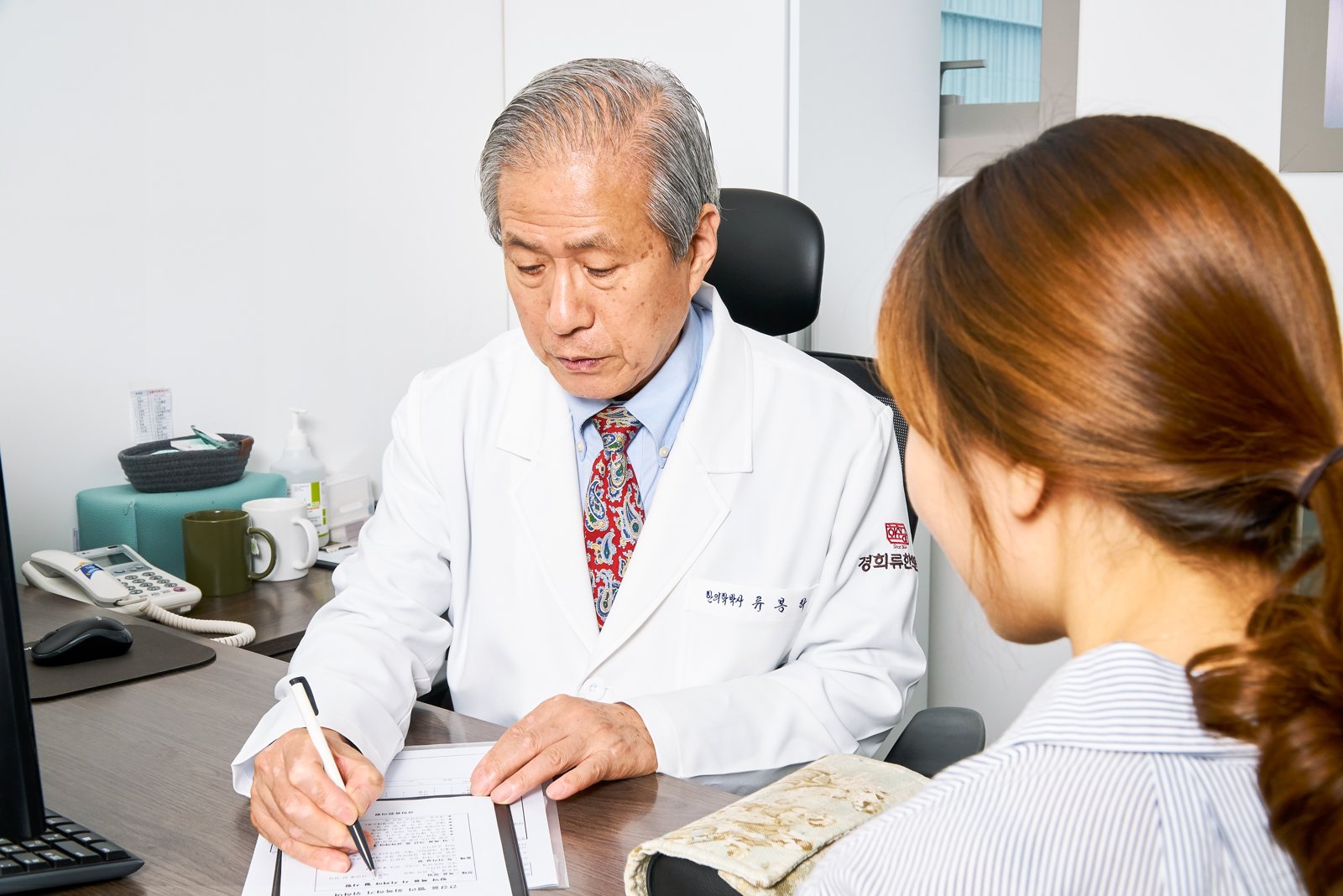 TEST 03
Medical History Taking
We listen carefully to how the pain began, how it has progressed, and possible causes in daily life.
- TEST 04
Checking Internal Medical Status · Qi and Blood Circulation
For long-standing pain, we check whether other internal medical issues or qi and blood circulation are also involved.
If you bring test results such as blood tests, X-rays, MRI, or CT scans when you visit, we can provide a more thorough evaluation.
05TREATMENT
Pain treatment proceeds as follows
We combine the treatments below according to each person’s pain and overall condition. We also review what treatment may be needed going forward, how much, and which lifestyle habits should be changed.
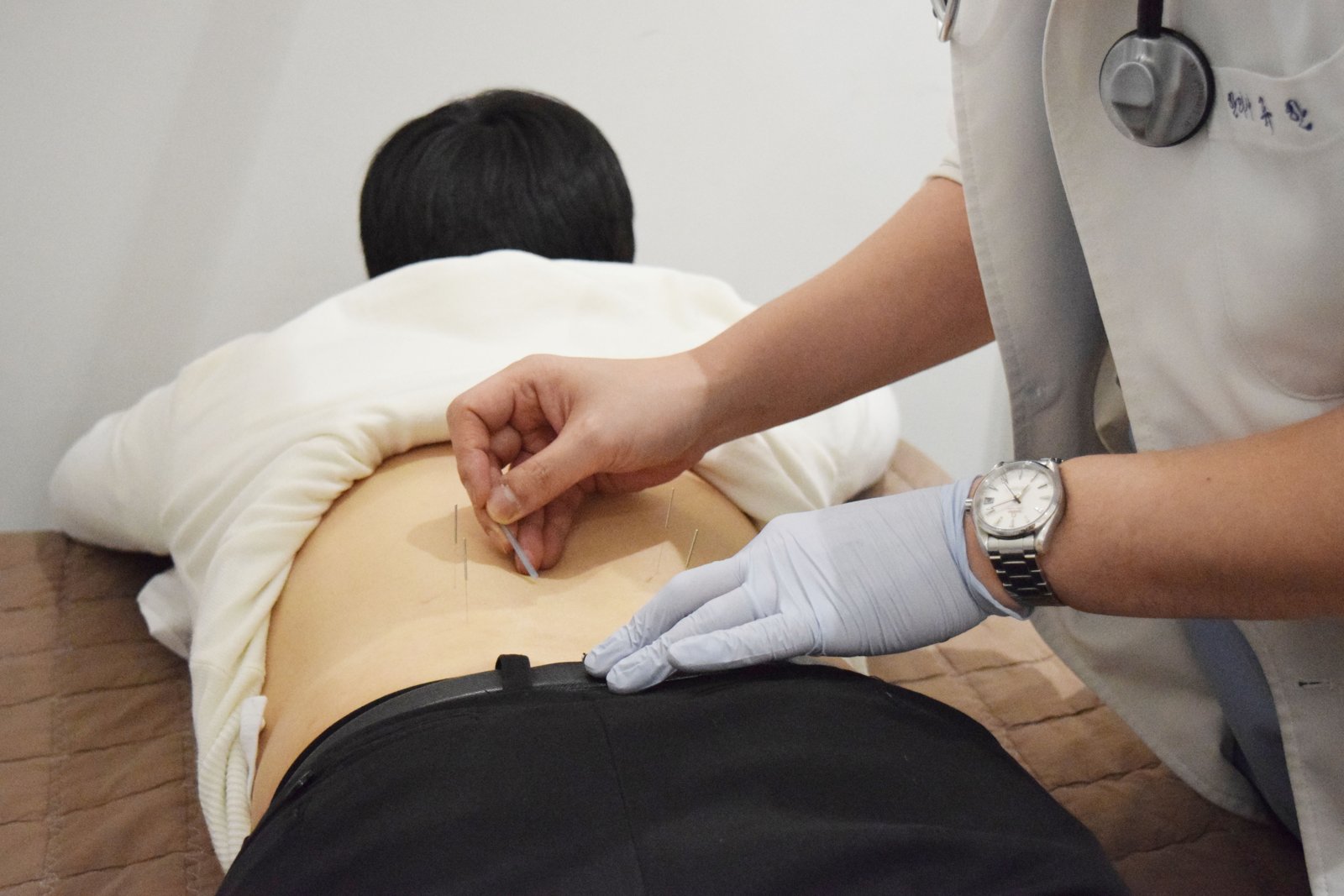
Acupuncture · Electroacupuncture
We loosen muscle knots (indurations) and support recovery of injured ligaments and nerves. Based on medical knowledge of musculoskeletal structures, we stimulate acupuncture points to relieve blocked qi and blood circulation, and use electroacupuncture to support nerve regeneration.
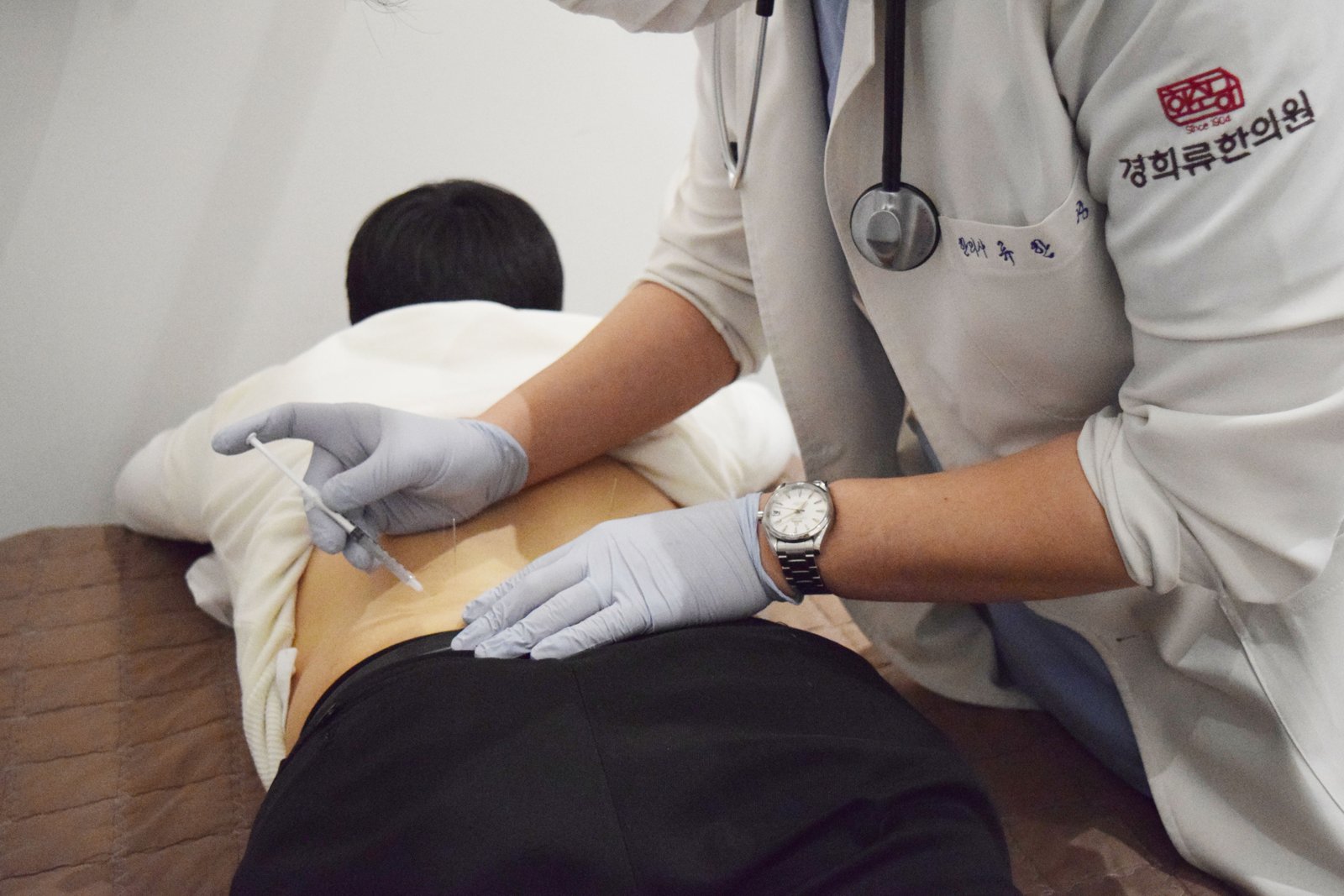
Pharmacopuncture · Bee Venom Pharmacopuncture
We inject a pharmacopuncture solution suited to your constitution and condition into acupuncture points or muscle reaction points, adding the action of pharmacopuncture to acupuncture treatment. It is mainly used for joint pain and muscle pain.
- Bee venom pharmacopuncture — Bee venom from honeybees is extracted and processed to remove allergy risk factors, then applied intensively to inflamed joints and ligaments. Anti-inflammatory, analgesic, blood-circulation-promoting, and immune-modulating actions are known.
- Cheongyeol (淸熱) pharmacopuncture — This pharmacopuncture helps relax muscle tension and reduce heat sensation, and is performed together around the muscles surrounding the joint.
- Jahageo (紫河車) pharmacopuncture — This may be applied for chronic deficiency-type pain with low energy.
- Because the injection volume and bee venom concentration are increased and adjusted step by step, experienced technique is important.
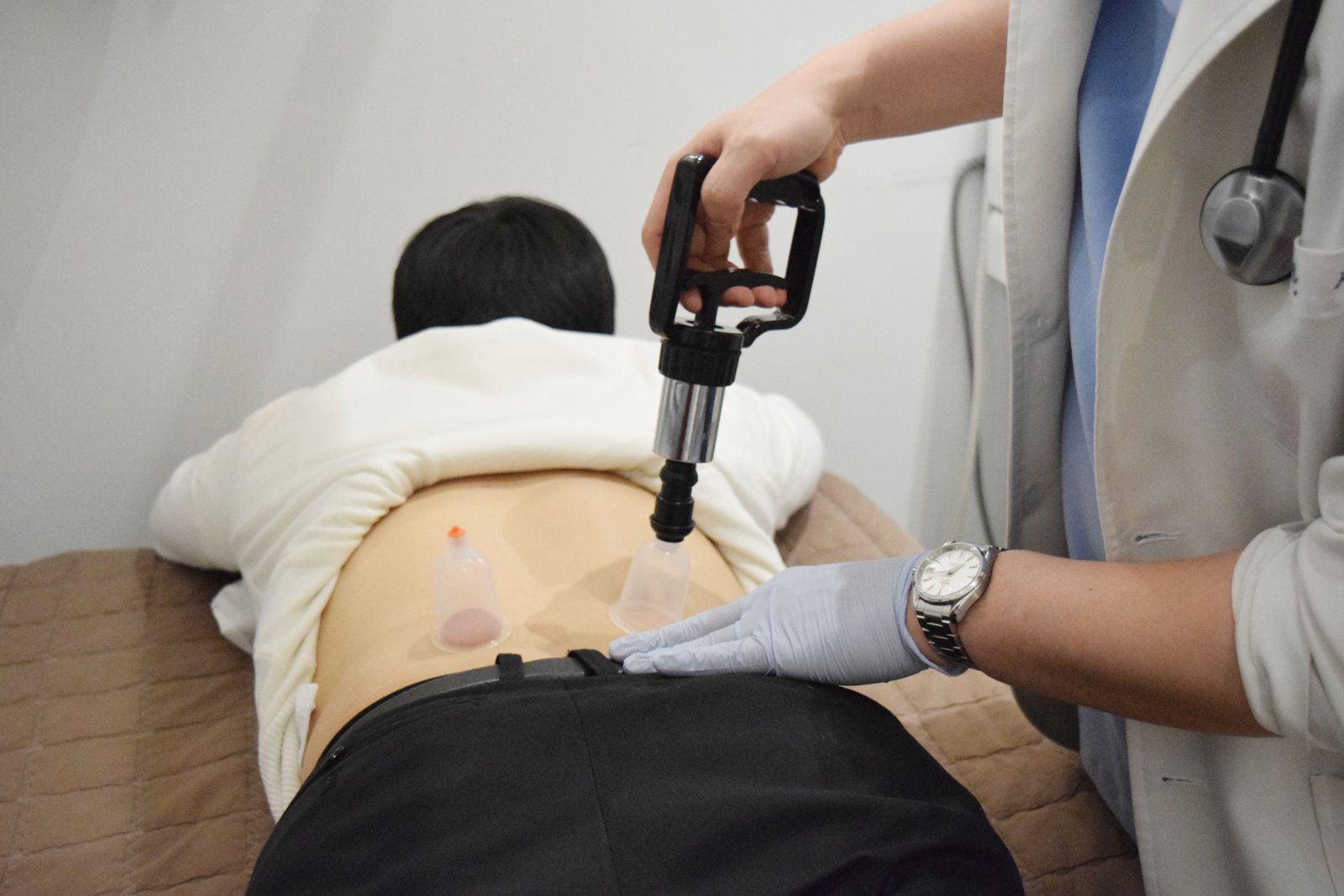
Cupping
Cupping creates negative pressure to engorge local capillaries and help body fluids circulate well throughout the whole body. We perform both wet (bloodletting) and dry cupping, choosing according to the pain pattern and the body’s condition.
Moxibustion · Heat Therapy
Areas with chronic pain are often cold and poorly circulated. We stimulate acupuncture points with mugwort moxibustion and electronic moxibustion, and for broader areas, we apply aroma oil and then provide a thermal dome, microwave diathermy, or high-frequency deep heat therapy. For acute inflammation and swelling, cold compresses are needed.
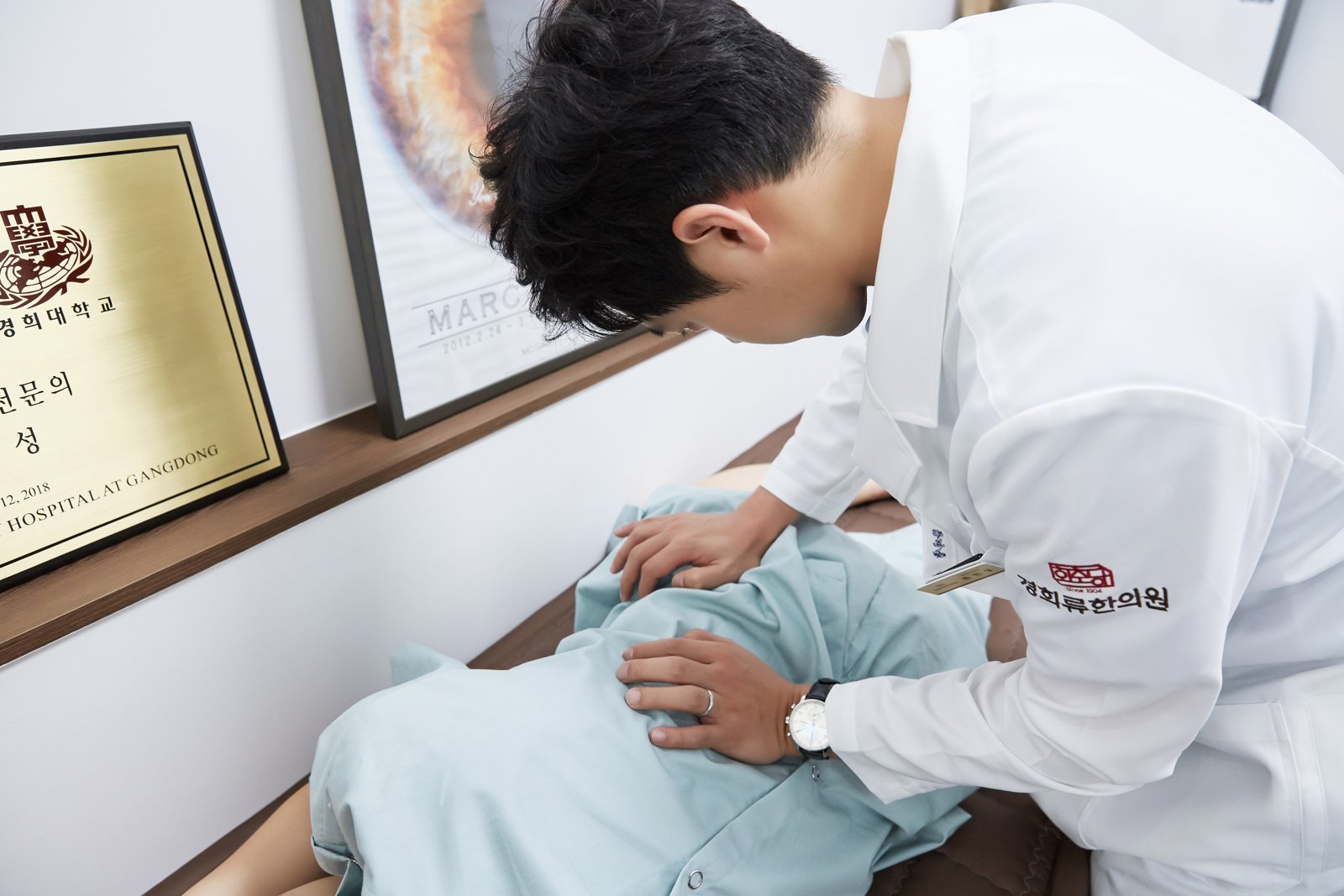
Chuna Manual Therapy
This treatment adjusts the spine and surrounding tissues to correct misalignment. By balancing the body, it helps meridian flow and qi and blood circulation.
Maeseon Acupuncture
This treatment places absorbable thread (maeseon) into the body using a special needle. While the thread is absorbed, it continuously stimulates acupuncture points to support blood circulation and nerve regeneration.
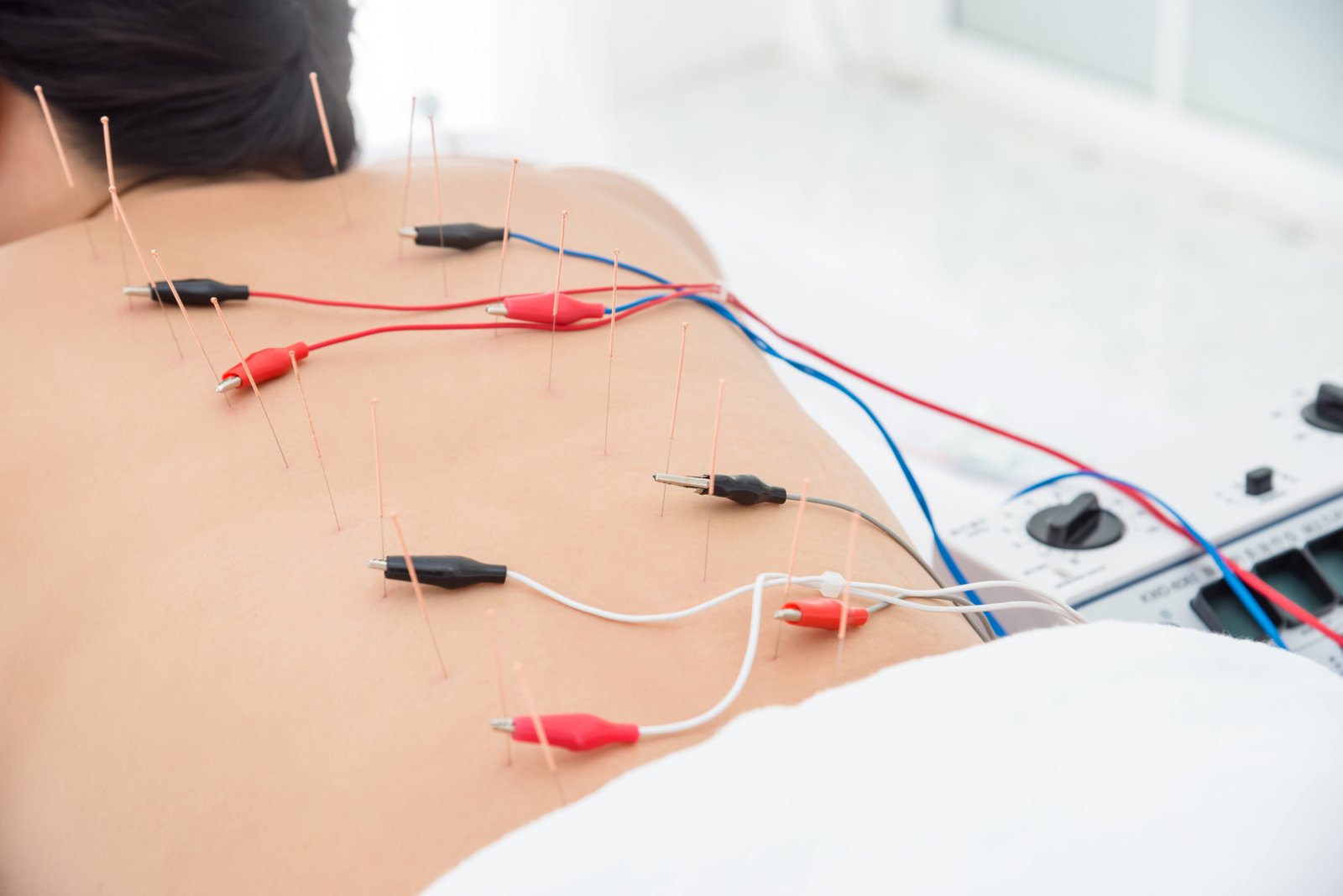
Physical Therapy · Traction Therapy
We select and apply physical therapy devices appropriate for your symptoms.
- Interferential current therapy (ICT) and infrared (IR) — Help relax muscle tension and provide warming stimulation.
- Magnetic field laser — Stimulates deep nerves and muscle tissue without pain.
- Microwave diathermy — Warms deep tissues with microwaves to increase blood flow.
- High frequency — Uses deep heat to increase blood flow, lymph circulation, and metabolism, helping reduce pain.
- Traction therapy — Helps align the spine and widen the disc space to relax the neck and low back muscles.
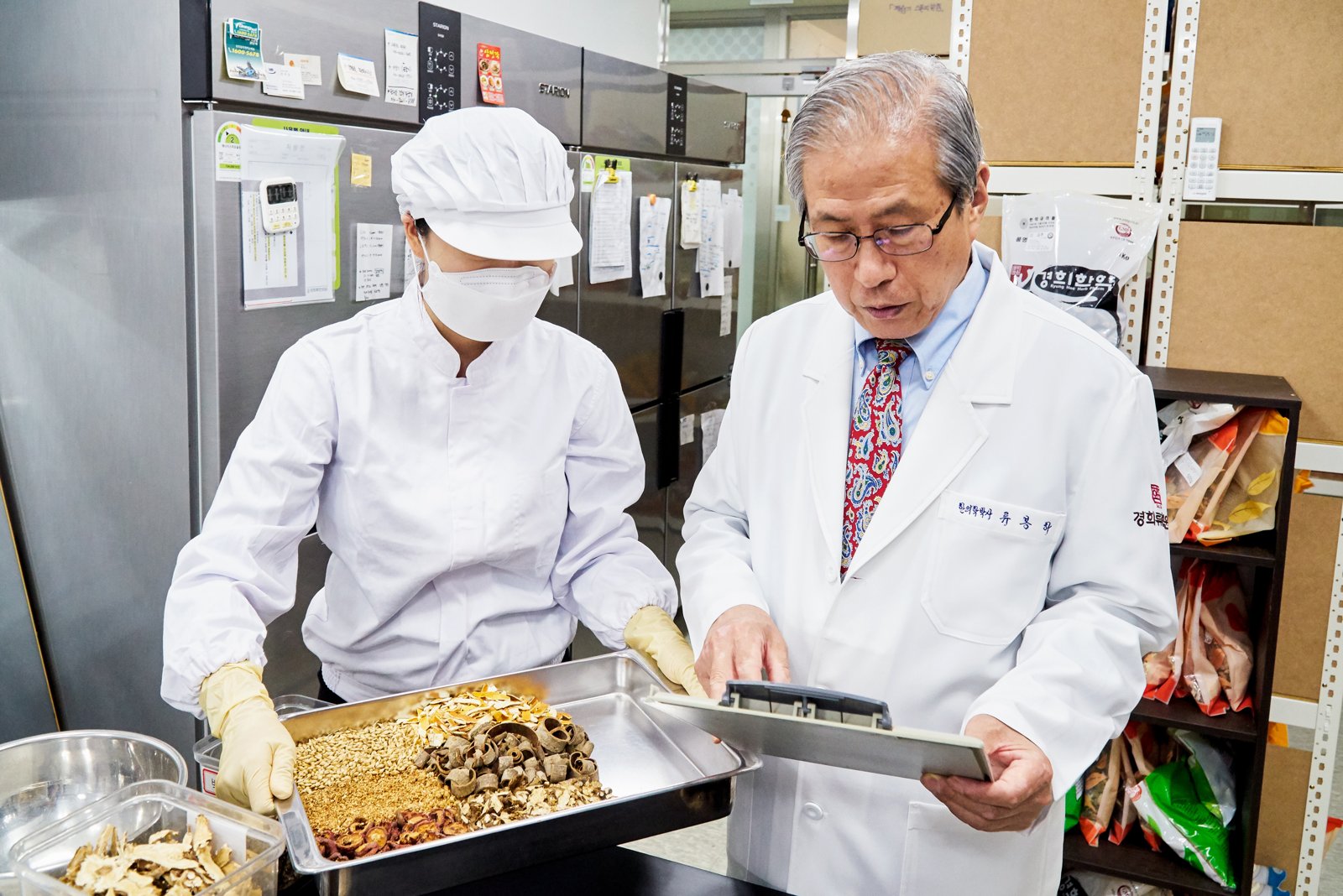
One-on-One Personalized Herbal Medicine
We prescribe Hwallakdan, which may help reduce pain and support muscle and joint recovery, as well as Gyeontongtang Extract, used for headaches accompanied by neck and shoulder pain. For severe or long-standing pain, or pain related to autoimmune issues, herbal medicine treatment to support qi and blood may also be considered. Combining herbal medicine is especially needed in the following cases.
- Older adults
- Those whose pain has lasted a long time and whose energy has declined
- Those with severe postpartum pain
- Those with severe pain after surgery
Side effects may occur after treatment procedures depending on the individual. Please proceed after a thorough consultation with the medical team in charge, and be sure to check the precautions before and after the treatment procedure.
CONSULTATION
Consider a consultation before symptoms become long-standing
If you bring your test results, we will review your current condition together.
06EXPERTISE
Based on Clinical Experience and Research in Spine and Joint Care
Pain · Traffic Accidents Clinic
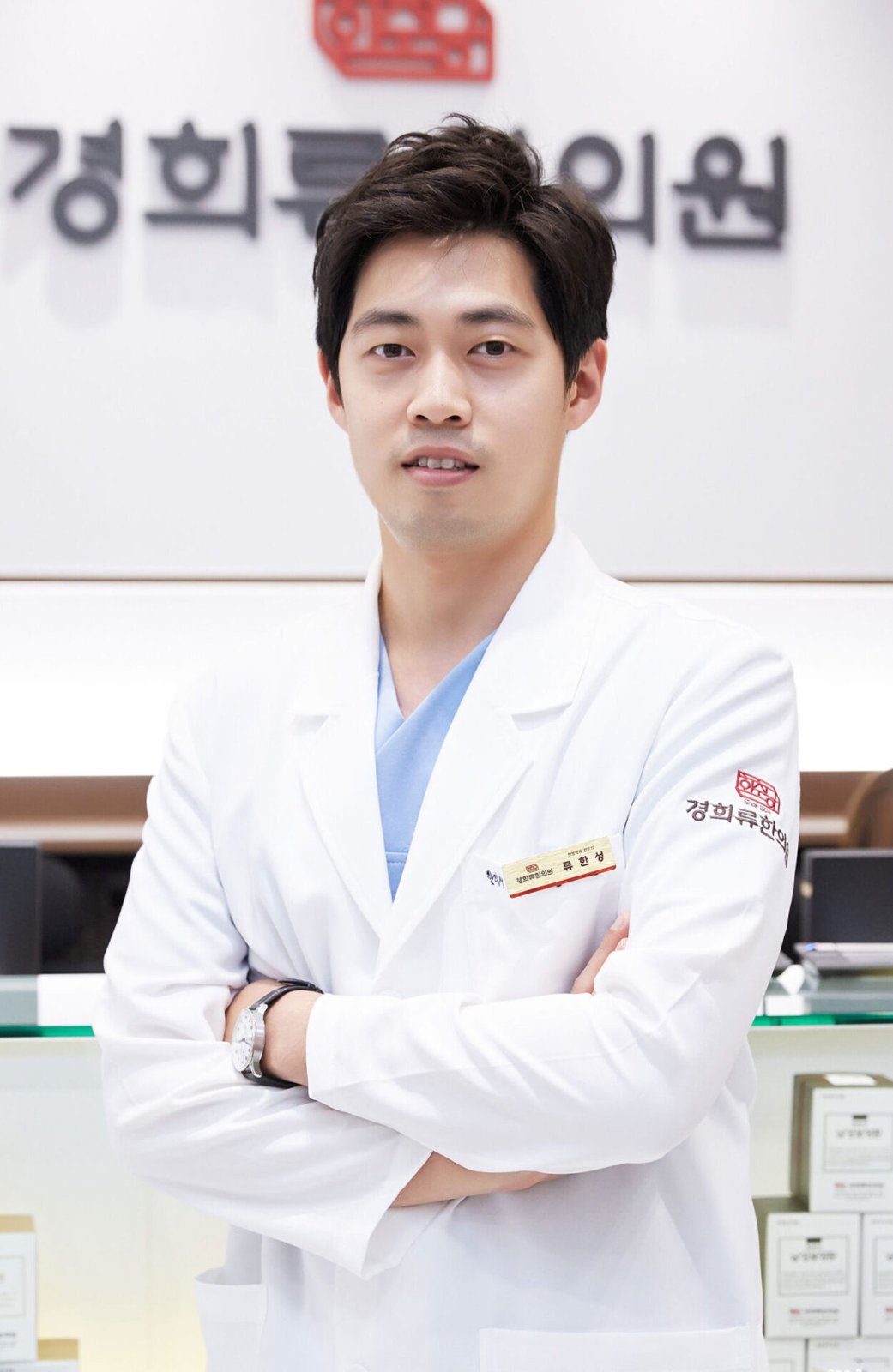
4th-Generation Korean Medicine Doctor · Korean Medicine Internal Medicine Specialist
Dr. Hansung Ryu, Chief Director
- Specialist Training, Korean Medicine Cancer Center, Kyung Hee University Korean Medicine Hospital at Gangdong
- Training at a Harvard Medical School-affiliated hospital (Joslin Diabetes Center)
- Training at the Block Center (Integrative Cancer Center, USA)
- Researcher in the Development of Korean Medicine Standard Clinical Practice Guidelines for Cancer Symptom Relief
SkinDigestive SystemDiabetes · MetabolismConstitutional Immunity & CancerPain · Traffic Accidents

4th-Generation Married Korean Medicine Doctors · First Author of an SCI-Level Paper on Women’s Health
Dr. Seungwon Baek, Director
- Entered Sangji University College of Korean Medicine at the top of the class · Graduated salutatorian
- Master’s Program in Clinical Korean Medicine, Kyung Hee University
- Specialist Training Program, Department of Acupuncture and Moxibustion Medicine (Facial Palsy Center · Spine and Joint Center), Kyung Hee University Korean Medicine Hospital at Gangdong
- Certified Korean Medicine Doctor in Korean Medicine Obesity Treatment
Women's HealthDiet & BeautyPediatricsFacial PalsyPain · Traffic Accidents
- All of our medical team members are from Kyung Hee University Korean Medicine Hospital, and we draw on our experience in the Department of Digestive Internal Medicine, the Acupuncture and Moxibustion Department’s Spine and Joint Center, and the Korean Medicine Cancer Center to diagnose a range of pain conditions.
- Dr. Seungwon Baek, Director completed specialist residency training in the Department of Acupuncture and Moxibustion at Kyung Hee University Korean Medicine Hospital at Gangdong, including the Facial Palsy Center and the Spine and Joint Center.
- He participated in research on Jahageo Pharmacopuncture, manual therapy for temporomandibular joint disorders, and acupuncture treatment for pain after cancer surgery.
Related research
Systematic Review of Hominis Placenta Pharmacopuncture in English and Korean Literature
A review of 83 studies on Jahageo Pharmacopuncture, including 50 clinical studies, found that the disease groups most frequently addressed in the clinical studies were musculoskeletal and central nervous system disorders. Basic research was reported to have been conducted mainly in anti-inflammatory and analgesic models and arthritis models.
Manual Therapy for Temporomandibular Disorders: A Systematic Review and Meta-Analysis
A meta-analysis of 10 randomized controlled trials (RCTs) reported that, compared with waitlist groups and conventional treatment groups (Botox, Western medication), the manual therapy group showed significant reductions in pain and improvements in temporomandibular joint range of motion. There was no significant difference compared with sham manual therapy.
Effects of Acupuncture Treatment on Postoperative Pain in Patients with Solid Tumors: A Systematic Review and Meta-Analysis
An analysis of 5 randomized controlled trials applying acupuncture and Electroacupuncture treatment for postoperative pain in patients with solid tumors reported that pain scores were significantly lower in the acupuncture treatment group compared with usual care.
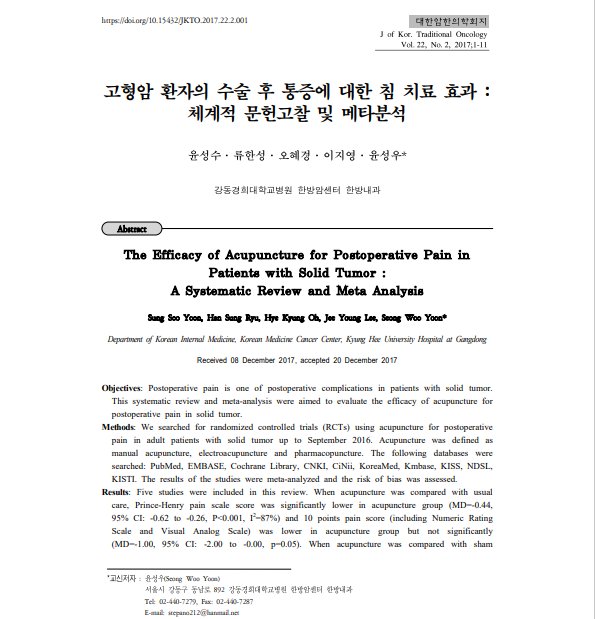
These are research findings reported in academic papers and do not guarantee individual treatment effects.
WHY HOECHUNDANG
Why Choose Hoechundang Kyunghee Ryu Korean Medicine Clinic
- 01
For 4 Generations Since 1904
For 4 generations, we have carried on Hoechundang’s treatment principle of seeing the stomach and intestines as the foundation of health.
- 02
Family Medical Team from Kyung Hee University Korean Medicine Hospital
Dr. Bongha Ryu, Honorary Director, who twice served as director of Kyung Hee University Korean Medicine Hospital and as a presidential physician; Dr. Hansung Ryu, Chief Director, a Korean medicine internal medicine specialist; and Dr. Seungwon Baek, Director, first author of an SCI-level paper on women’s health, provide care together.
- 03
Prepared In-House at Our Herbal Medicine Research Lab
Based on the research of our affiliated Herbal Medicine Research Institute, we prepare prescriptions in-house and use verified herbal ingredients at a level supplied to Kyung Hee University Korean Medicine Hospital.
- 04
15 Acupuncture and Moxibustion Treatment Rooms
We expanded our treatment rooms so patients can receive a variety of treatments, such as acupuncture, pharmacopuncture, Cupping, large moxibustion, radiofrequency, thermal dome therapy, Chuna Manual Therapy, and traction therapy, with minimal waiting.
07FAQ
Frequently Asked Questions
QHow long do I need treatment?
In general, simple sprains require 2–3 weeks, while chronic pain may require management for 4 weeks or, in some cases, ongoing care. Because this varies depending on the severity of pain and your overall condition, we will guide you after an examination.
QIf the pain decreases, can I stop treatment?
Even if the pain has decreased to some extent, completing the planned treatment can help reduce recurrence. We will adjust the number of treatments while monitoring your progress.
QIs acupuncture treatment enough, or do I also need to take herbal medicine?
Depending on the pain condition, we combine acupuncture, pharmacopuncture, Physical Therapy, and other treatments, and prescribe herbal medicine together if needed. We recommend taking herbal medicine together if you are older, if your energy has declined due to long-standing pain, or if you have severe postpartum or postoperative pain.
QCan anyone receive bee venom pharmacopuncture?
Bee venom pharmacopuncture uses processed bee venom designed to remove allergy risk factors, and the injection amount and concentration are adjusted step by step. However, because responses may vary by individual, we proceed after a thorough consultation with the medical team.
CONSULTATION
Consider a consultation before symptoms become long-standing
If you bring your test results, we will review your current condition together.
RELATED
Related Pain Conditions
RESERVATION
Musculoskeletal Pain:
start with a consultation
Leave your details and we will contact you in order during clinic hours. First-time visitors are welcome — we start by carefully understanding your current condition.
+82-2-792-1904- Mon · Tue · Wed · Thu09:30 – 19:30
- Fri09:30 – 18:30
- Sat09:30 – 14:30 (open without a lunch break)
- LunchWeekdays 13:30 – 14:30