
Main ClinicPain & Accident Recovery
HEADACHE · DIZZINESS
Headache · Dizziness
If your tests are normal, but your head still hurts and you feel dizzy
We look at headache and dizziness by cause, such as qi and blood circulation, stress, and digestive disorders. We also address accompanying symptoms with the goal of reducing recurrence.
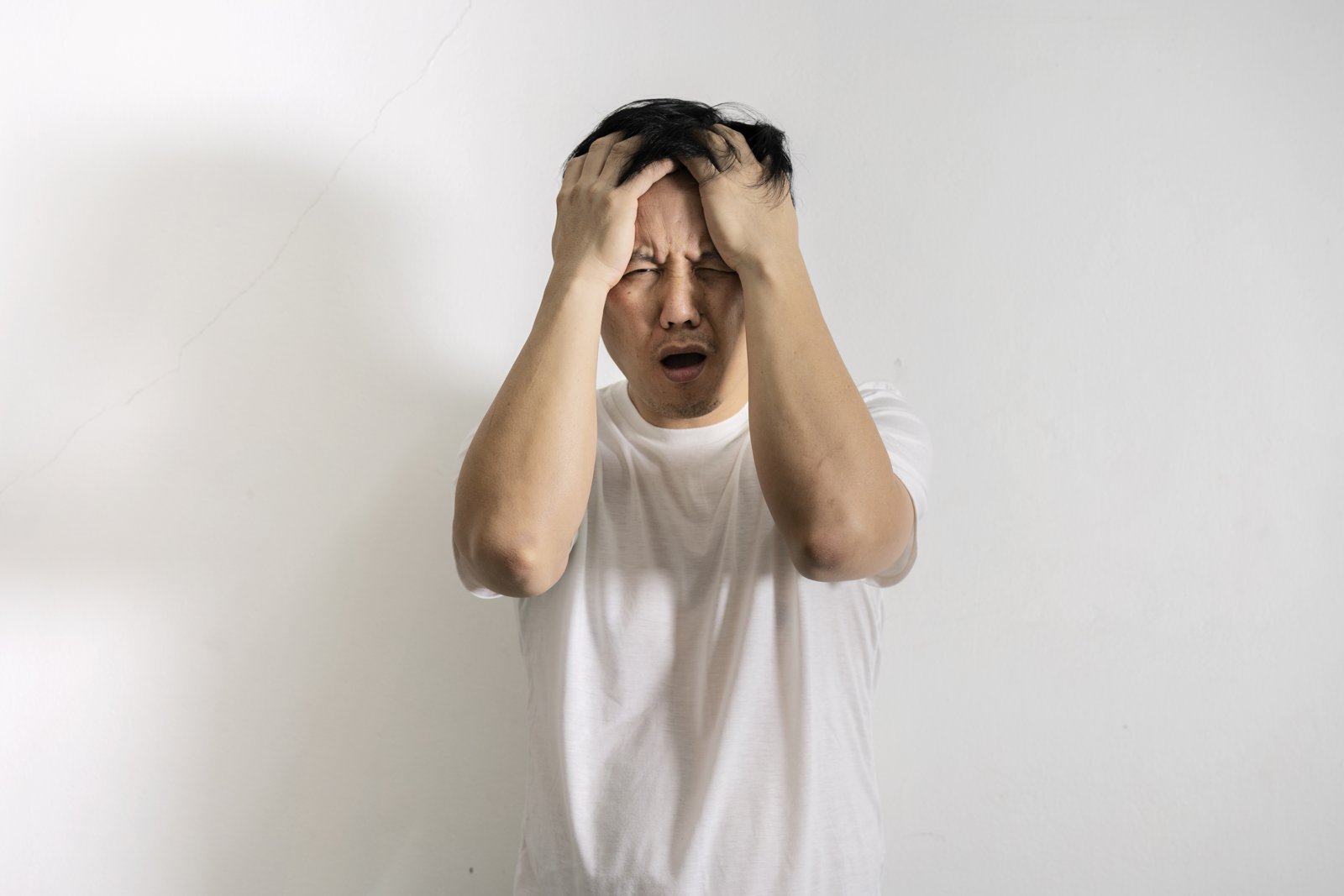
of Hoechundang care
- POINT 01
Care that distinguishes tension-type headache, migraine, cluster headache, peripheral vertigo, and central vertigo
- POINT 02
Assess autonomic nervous system balance and vitality with iris, HRV autonomic nervous system, and Ryodoraku tests
- POINT 03
Symptom-specific prescriptions such as Banbaek-tang and Gyeontongtang, combined with acupuncture, pharmacopuncture, moxibustion, cupping, and Chuna manual therapy
01SELF CHECK
Are you experiencing these symptoms?
0/ 8
Tap the items that apply to you.
02WHY IT HAPPENS
What types of headache and dizziness are there?
Headaches are divided into primary headaches, where no cause is found on testing, and secondary headaches, which arise from underlying disease, trauma, cerebrovascular disease, and other causes. In Korean medicine, headache is called baekbyeongjijang (百病之長), meaning it can appear in all kinds of illnesses. Dizziness is called hyeonhun (眩暈) in Korean medicine and refers to symptoms such as feeling as if the surroundings are spinning even while still, vision going dark, and motion-sickness-like nausea.
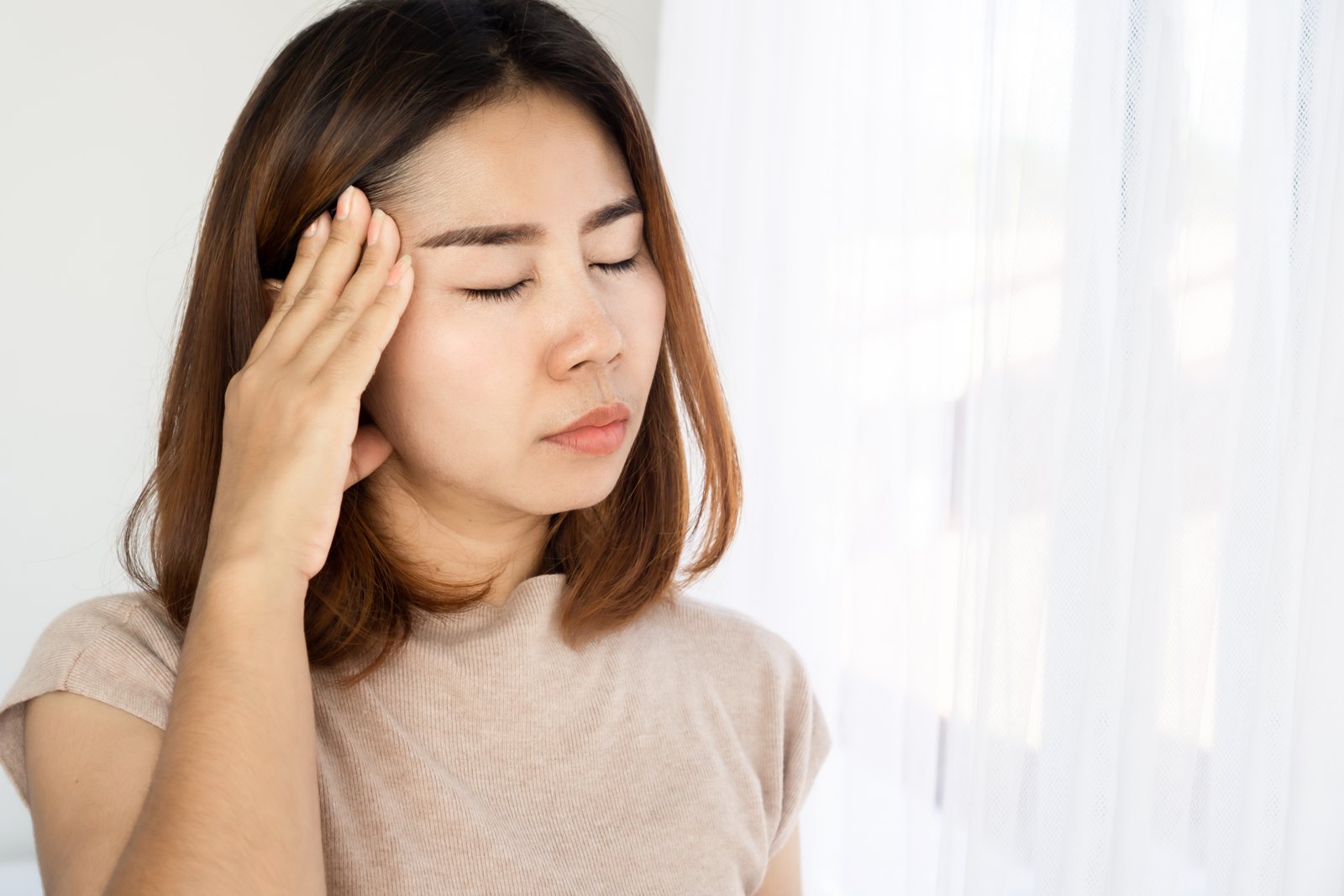
Causes from the Korean Medicine Perspective
Dizziness is divided into cases caused by pungdam (風痰, accumulated stagnant body fluids) that occurs when external pathogenic qi invades, and cases in which the body’s healthy qi (正氣) is insufficient because vital energy is weak. In actual care, we treat it by distinguishing cases with blocked qi and blood circulation, cases related to stress, and cases accompanied by digestive disorders.
- 01
Tension-Type Headache
This is the most common type of headache and is accompanied by pressure in the head and stiffness in the neck and shoulders. It can occur when fatigue or stress builds up, or when you stay in the same posture for a long time, and is common among office workers.
- 02
Migraine
Severe pain usually recurs in attacks on one side of the head, worsens with movement, and may be accompanied by nausea. It is about 3 times more common in women than in men due to the influence of female hormones, and common triggers include alcohol, stress, lack of sleep, and overwork.
- 03
Cluster Headache
This type recurs intensively 1–2 times a year during certain weather, seasons, or times of day. As one of the trigeminal autonomic cephalalgias, it is considered related to abnormalities of the hypothalamus or autonomic nervous system, and is more common in men in their 20s to 40s due to factors such as alcohol, smoking, and stress.
- 04
Peripheral Vertigo
This occurs due to problems with the vestibular nerve, including the cochlea and semicircular canals of the ear, and most cases of dizziness fall into this category. It may suddenly appear or worsen when moving the head or changing posture, and nausea, vomiting, tinnitus, or hearing loss may occur together. Benign paroxysmal positional vertigo, Ménière’s disease, and vestibular neuropathy are representative examples.
- 05
Central Vertigo
This occurs due to problems in the brain, such as stroke, brain tumor, or migraine. Dizziness persists even while still and does not go away, and neurological symptoms such as paralysis, reduced sensation, speech difficulty, or impaired consciousness accompany it.
- 06
Other Causes
It may also accompany internal medical conditions such as indigestion, diabetes, anemia, or reflux esophagitis, or psychogenic conditions such as panic disorder, hwabyeong, or depression.
03WHY TREAT EARLY
If you keep enduring it, it can easily become chronic
Because headache is difficult to show objectively, many people endure it or try to manage it on their own. However, if it lasts a long time or is severe, it may be a symptom not only of a nervous system disorder but also of a systemic disease. As it becomes chronic, systemic symptoms such as digestive disorders may occur together, and qi and blood may become deficient.
If dizziness does not go away even while still and is accompanied by paralysis, reduced sensation, speech difficulty, or impaired consciousness, it may be central vertigo caused by a brain problem. In these cases, an accurate diagnosis is needed first.
PROCESS
How Care Proceeds
- 01
Consultation · Pulse Diagnosis
We listen carefully to your symptoms, lifestyle habits, and treatment history, then assess your condition through pulse and tongue diagnosis.
- 02
Detailed Testing
We check organ function, energy level, and autonomic nervous system balance with tests suited to your condition.
- 03
Pattern Identification · Diagnosis
We combine your test results and constitution to find the underlying cause of your symptoms.
- 04
1:1 Customized Prescription
We design the needed treatments for each person, including herbal medicine, acupuncture, pharmacopuncture, and moxibustion.
- 05
Progress Management
We monitor your progress through regular tests and consultations and adjust prescriptions as needed.
04DIAGNOSIS
These tests are used in headache and dizziness care
We carefully identify the cause according to organ function and the state of deficiency. Based on the test results, we select acupuncture, pharmacopuncture, cupping, and herbal medicine treatments.
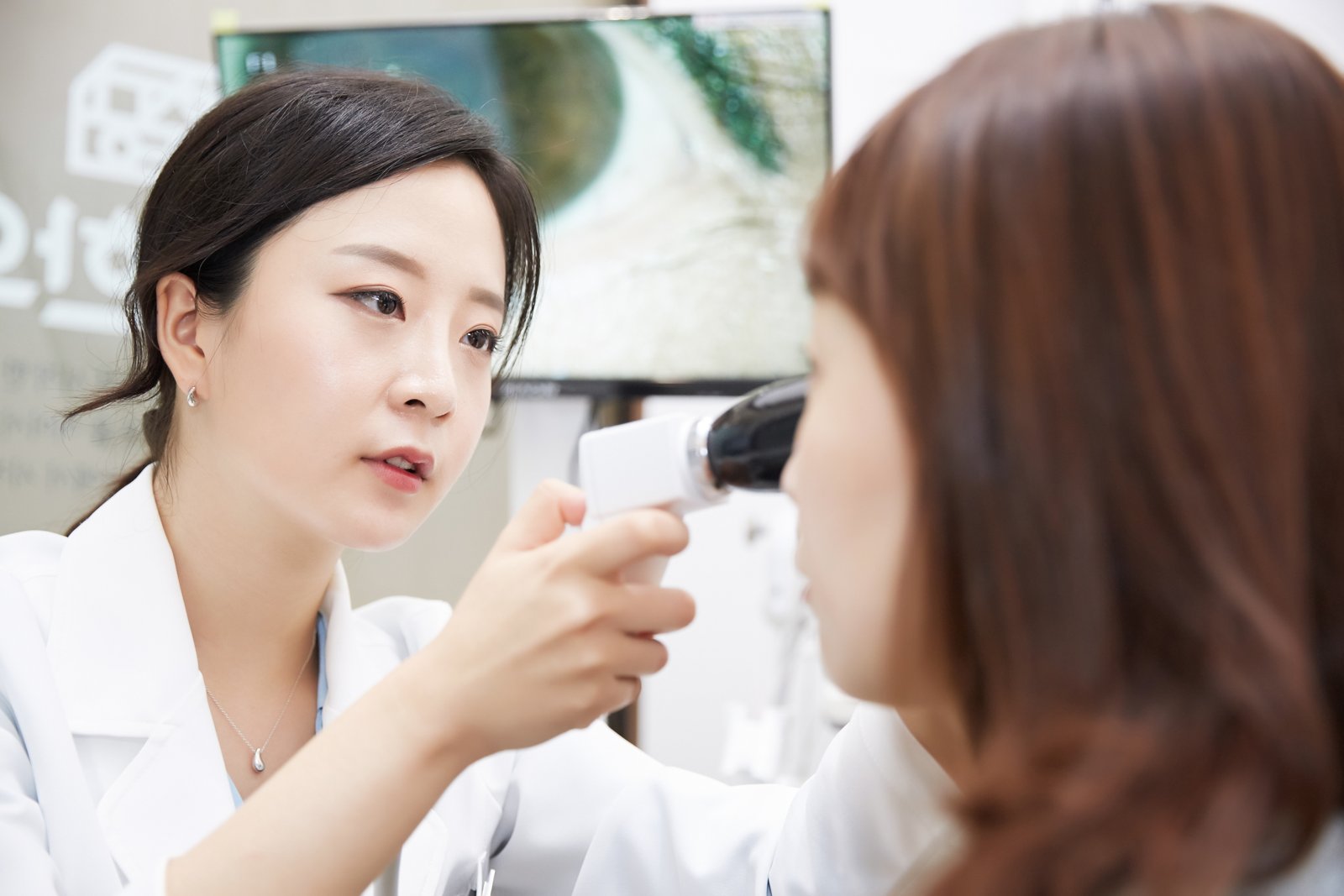 TEST 01
Iris Genetic Constitution Test
We comprehensively assess genetic strengths and weaknesses, constitutional imbalance, emotional responses, and autonomic nervous system balance. This is a simple, noninvasive test that can be done even while wearing contact lenses.
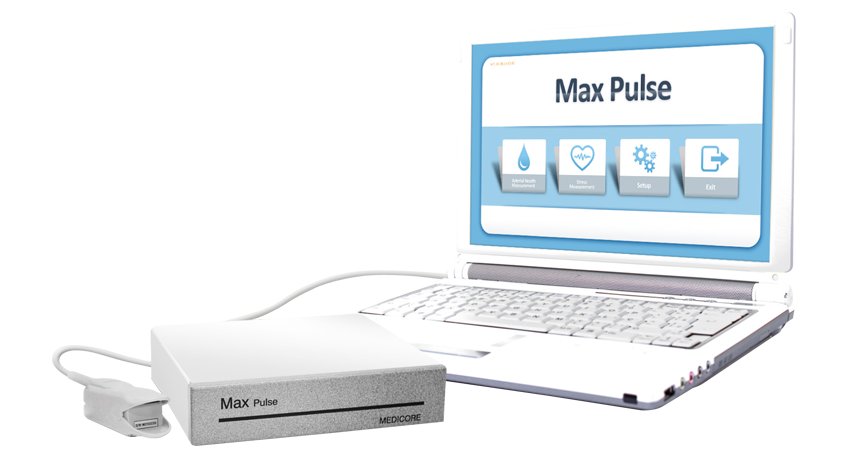 TEST 02
Heart Rate Variability (HRV) Autonomic Nervous System Test
We check the activity and balance of the sympathetic and parasympathetic nerves. When the autonomic nervous system is disrupted, organ movement can slow and the body may become more sensitive.
- TEST 03
Ryodoraku Meridian Function Test
We measure meridian function at major acupoints on the hands and feet to assess overall vitality and the deficiency-excess (虛實) pattern of the condition. For those with greatly reduced vitality, treating only fatigue in a hurry may lead to recurrence or slower recovery, so we check this as well.
If you bring results from blood tests, X-rays, MRI, CT, or other tests when you visit, we can provide more thorough care.
05TREATMENT
Headache and dizziness treatment proceeds this way
The head is a place where clear qi should gather. To help restore balance disrupted by stress, tension, overwork, and lack of sleep, we provide treatment that reduces pungdam and tonifies weakened healthy qi. The key is to help the body relax while considering mental, physical, and environmental factors together.
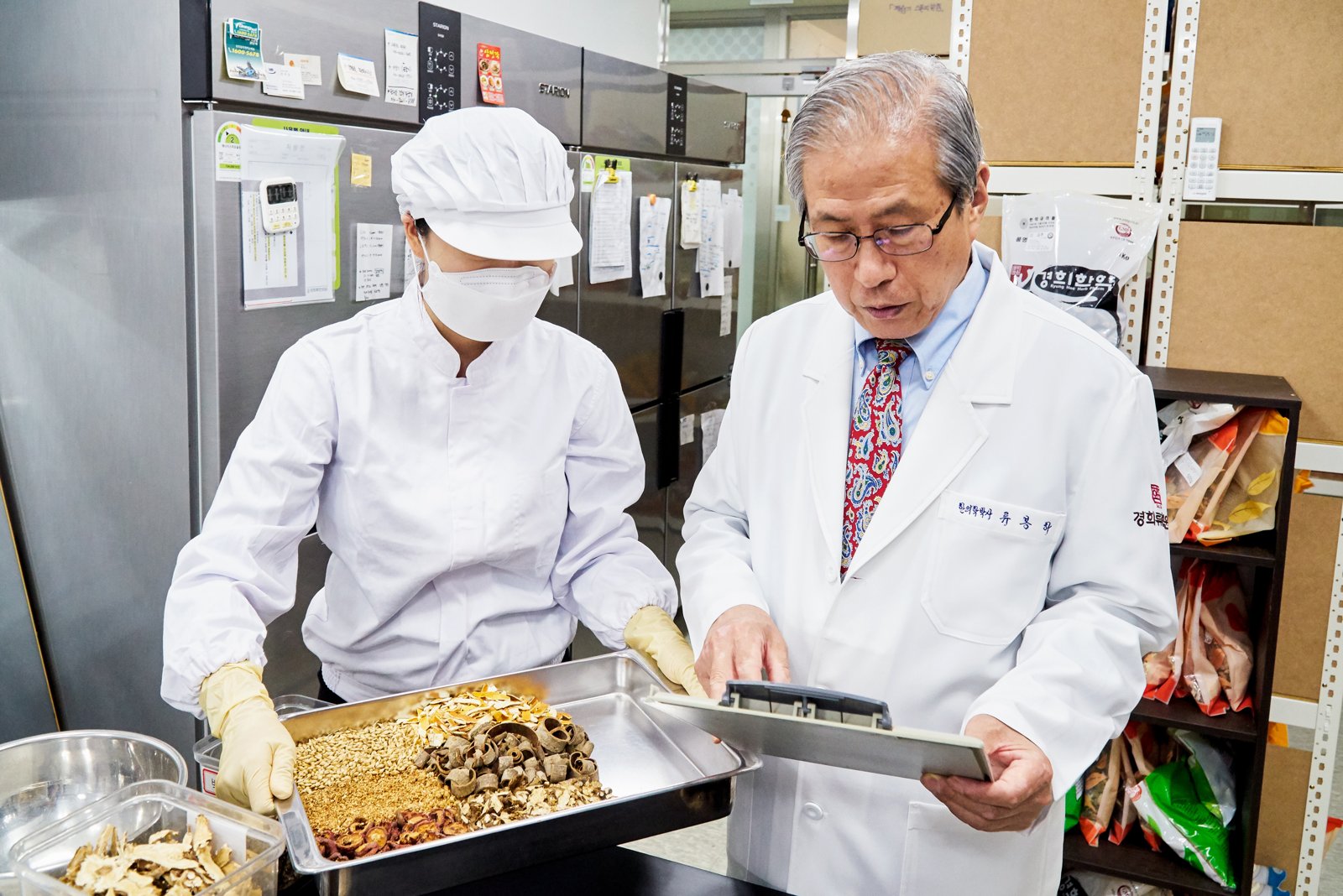
One-on-One Personalized Herbal Medicine
We provide individualized prescriptions to balance qi and blood, support circulation, and replenish deficient energy. If the condition has become chronic and qi and blood are deficient, we also include treatment to tonify the body.
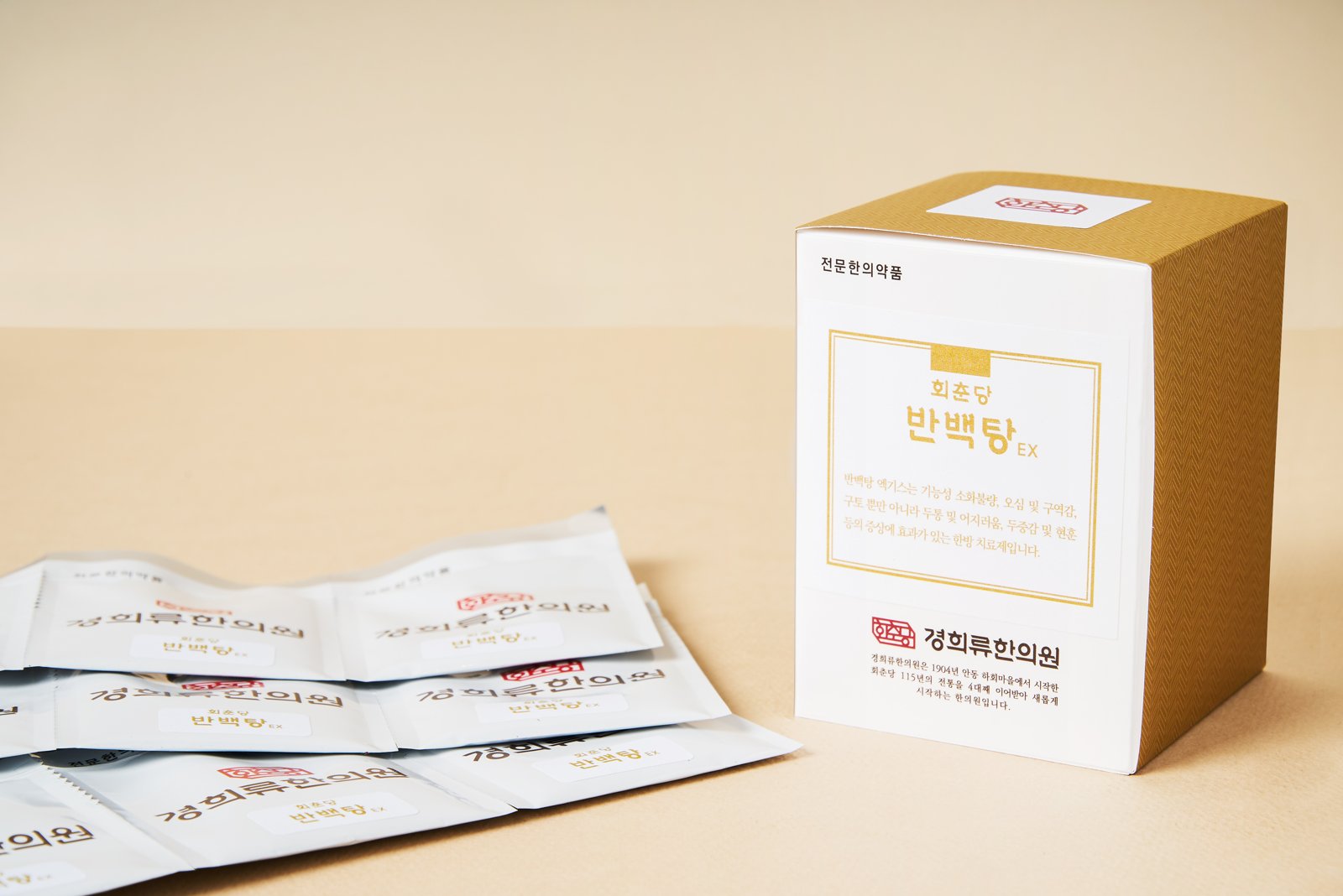
Banbaek-tang Extract
This Korean medicine treatment is used for symptoms such as functional dyspepsia, nausea, retching, vomiting, along with headache, dizziness, a heavy-headed feeling, and hyeonhun.
Gyeontongtang Extract
This is prescribed for headaches accompanied by neck and shoulder pain.
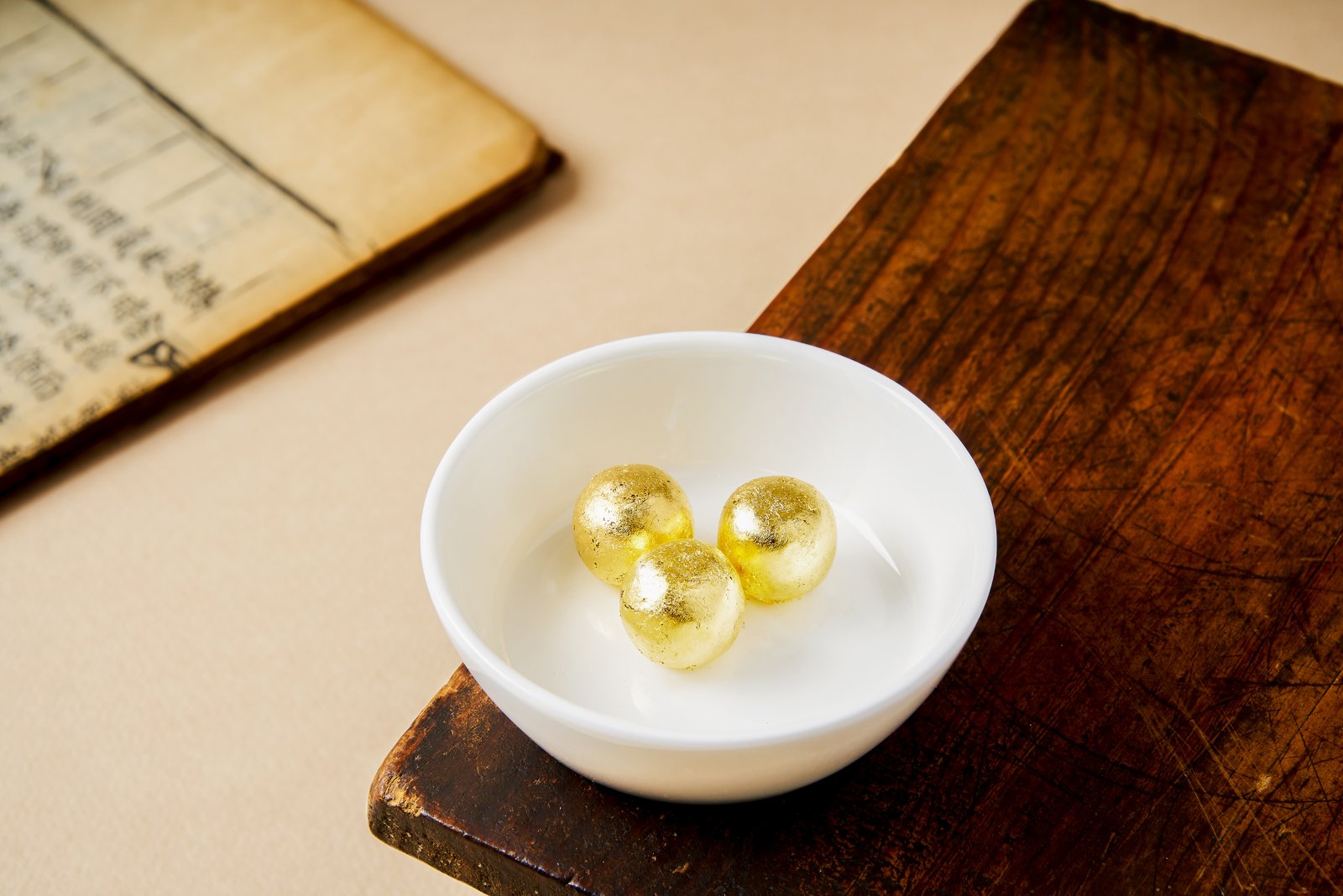
Uwhang Cheongsimwon (牛黃淸心元)
This prescription has been used to calm the mind and body, and is used as an at-home medicine in preparation for times when dizziness suddenly becomes severe and you feel as if you might collapse. In Dongui Bogam, it is recorded as a medicine used in urgent situations when a person suddenly experiences wind (風) and loses consciousness. It is used for symptoms of mental and physical unease, from palpitations and anxiety (simgye 心悸 · jeongchung 怔忡) to dizziness.
More about Uwhang Cheongsimwon (牛黃淸心元)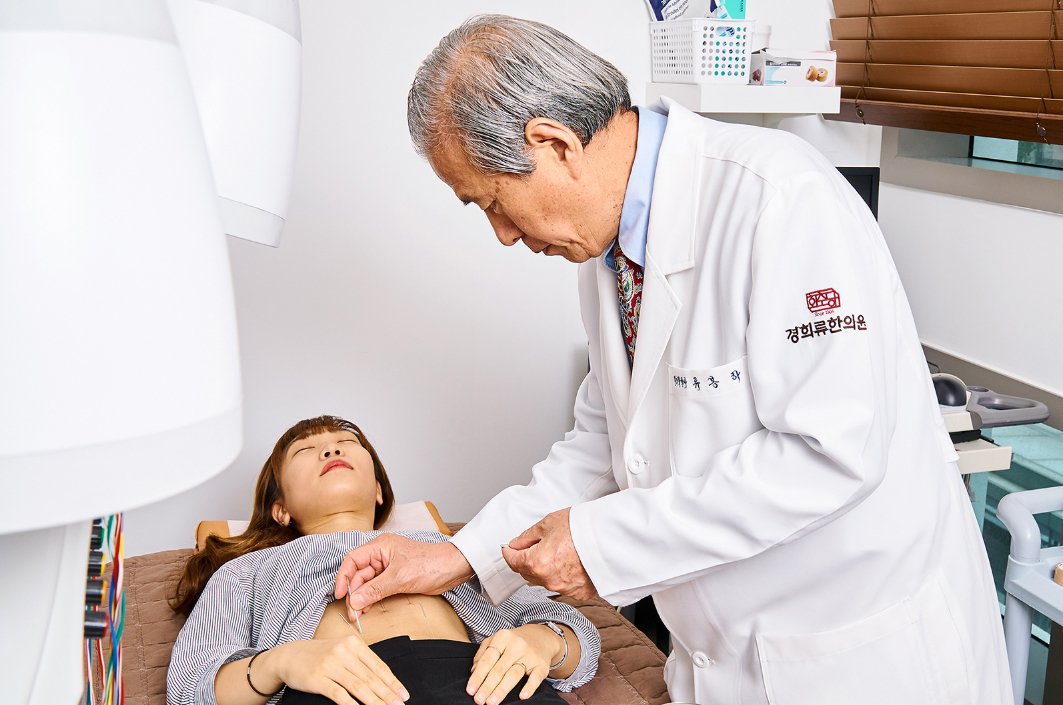
Acupuncture · Electroacupuncture
Based on body structure and medical knowledge, we stimulate acupoints to release blocked qi and blood circulation and relieve muscle tension. Electrical acupuncture is used in chronic pain management to help with pain relief and nerve and tissue regeneration.

Pharmacopuncture · Bee Venom Pharmacopuncture
We inject pharmacopuncture solution suited to your constitution and condition into acupoints or muscle response points. It helps support blood circulation, remove blood stasis, and calm inflammation. Bee venom pharmacopuncture uses processed bee venom designed to remove allergy risk factors, and the injection amount and concentration are adjusted step by step.
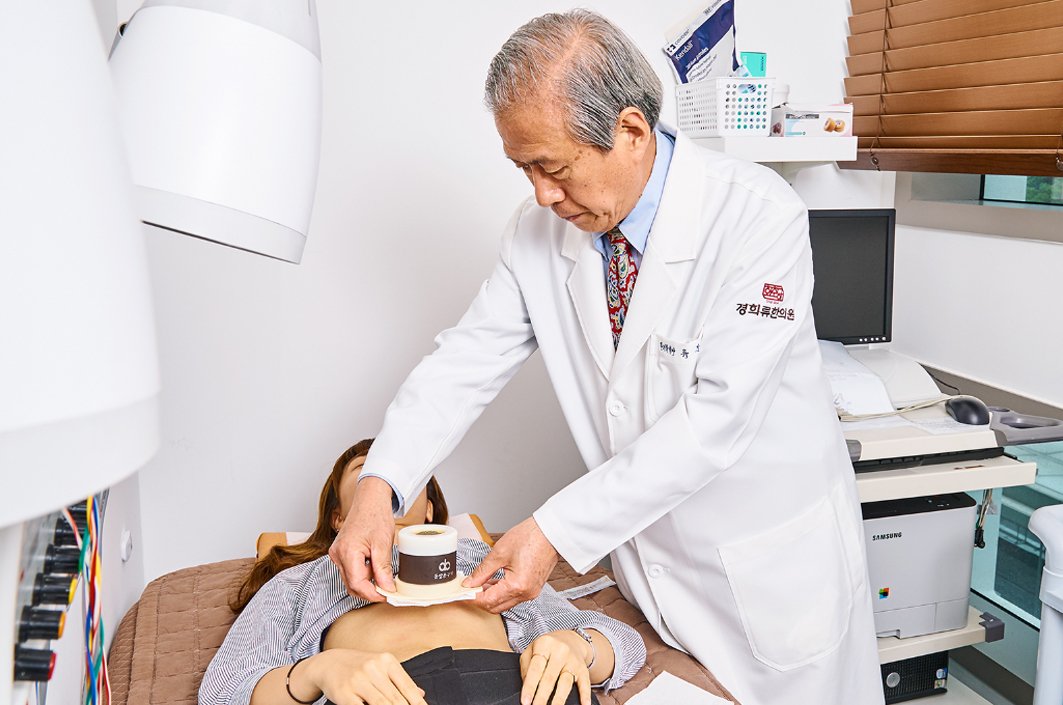
Moxibustion
We perform large moxibustion to raise body temperature, release tension, and support qi and blood circulation. Electronic moxibustion is used on acupoints around the neck and head (cervical region and head-neck region), and mugwort moxibustion is used depending on the condition.
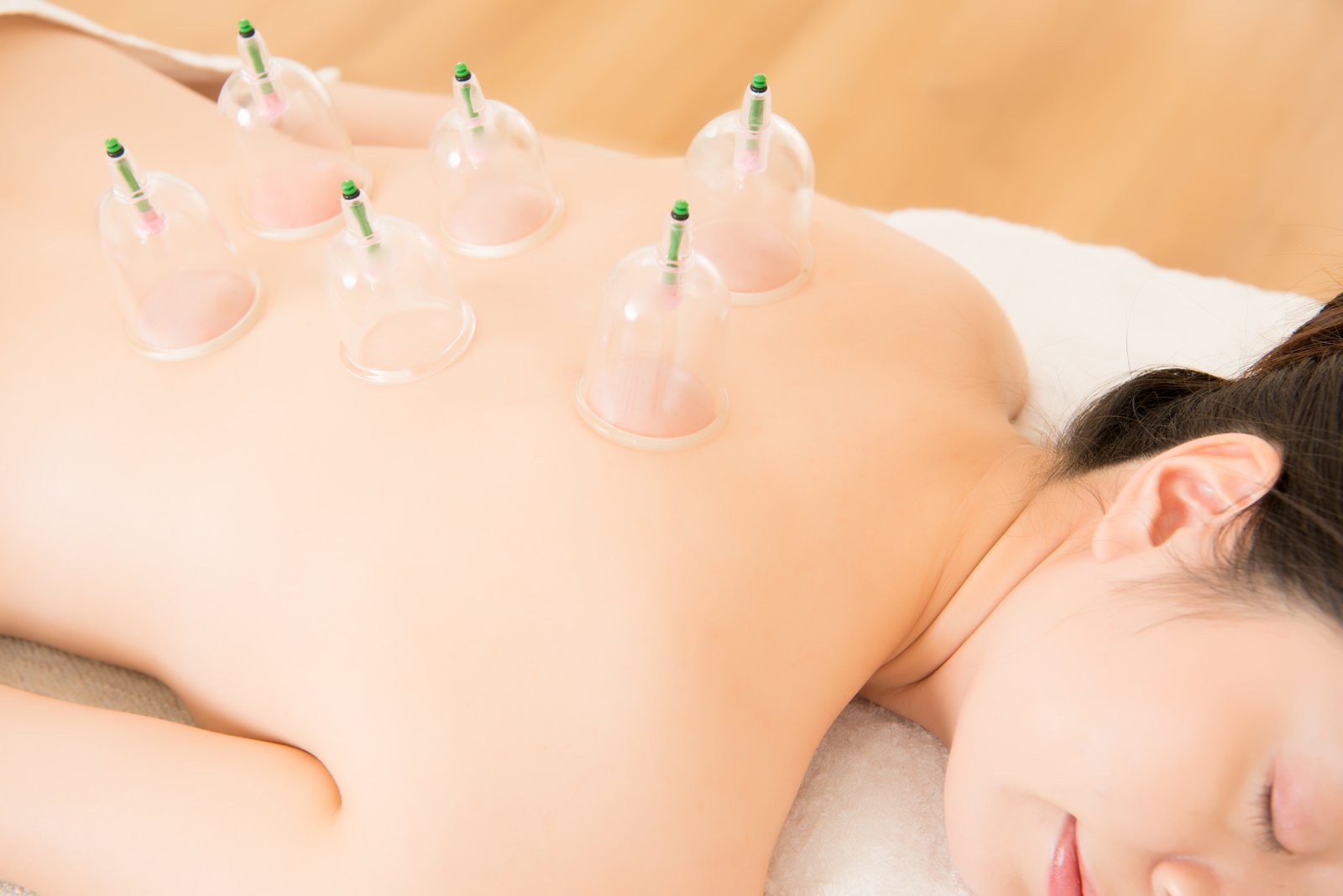
Cupping
Using negative pressure, cupping congests local capillaries to support fluid circulation and draw blood stasis out of the body. Wet (bloodletting) or dry cupping is selected according to the pattern of pain and the body’s condition.
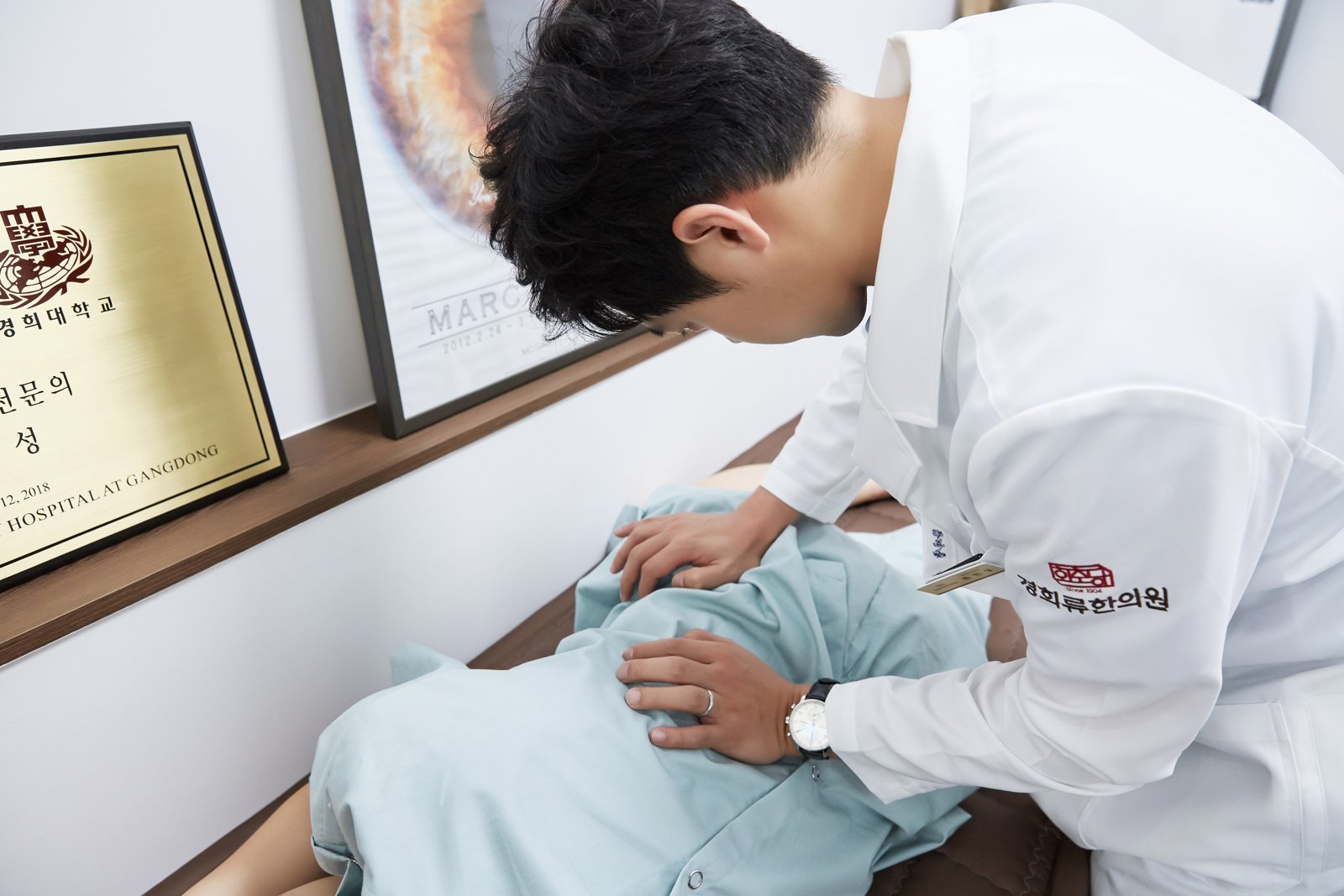
Chuna Manual Therapy
After a careful diagnosis, we adjust the spine and surrounding tissues to correct misalignment. For chronic headache and dizziness, releasing tension around the neck and head and promoting smooth circulation may help.
Side effects may occur after treatment procedures depending on the individual. Please proceed after sufficient consultation with the medical team, and be sure to check the precautions before and after treatment.
CONSULTATION
Consider a consultation before symptoms become long-standing
If you bring your test results, we will review your current condition together.
06EXPERTISE
Internal medicine care that looks at the whole body
Pain · Traffic Accidents Clinic
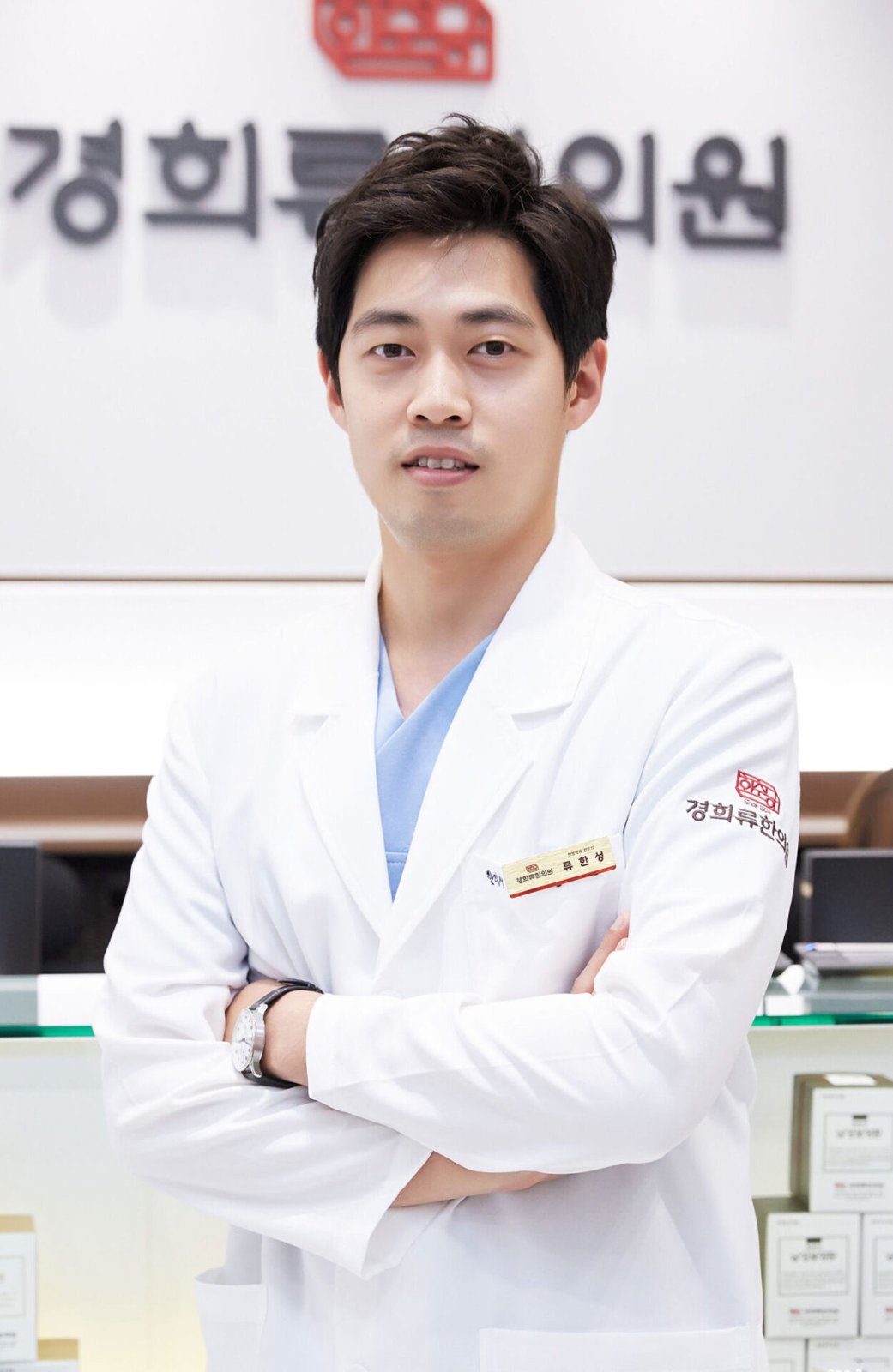
4th-Generation Korean Medicine Doctor · Korean Medicine Internal Medicine Specialist
Dr. Hansung Ryu, Chief Director
- Specialist Training, Korean Medicine Cancer Center, Kyung Hee University Korean Medicine Hospital at Gangdong
- Training at a Harvard Medical School-affiliated hospital (Joslin Diabetes Center)
- Training at the Block Center (Integrative Cancer Center, USA)
- Researcher in the Development of Korean Medicine Standard Clinical Practice Guidelines for Cancer Symptom Relief
SkinDigestive SystemDiabetes · MetabolismConstitutional Immunity & CancerPain · Traffic Accidents
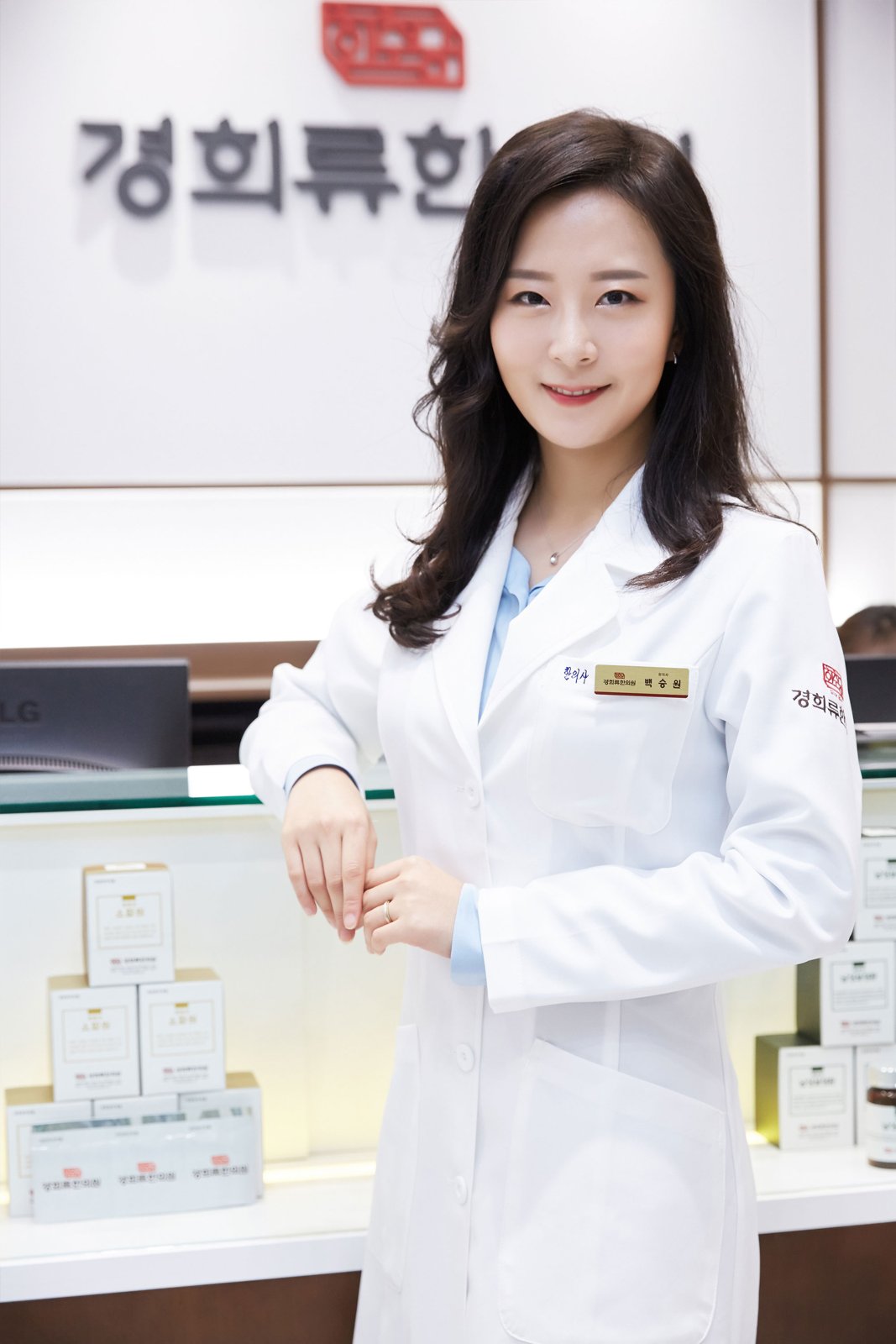
4th-Generation Married Korean Medicine Doctors · First Author of an SCI-Level Paper on Women’s Health
Dr. Seungwon Baek, Director
- Entered Sangji University College of Korean Medicine at the top of the class · Graduated salutatorian
- Master’s Program in Clinical Korean Medicine, Kyung Hee University
- Specialist Training Program, Department of Acupuncture and Moxibustion Medicine (Facial Palsy Center · Spine and Joint Center), Kyung Hee University Korean Medicine Hospital at Gangdong
- Certified Korean Medicine Doctor in Korean Medicine Obesity Treatment
Women's HealthDiet & BeautyPediatricsFacial PalsyPain · Traffic Accidents
- Our family medical team from Kyung Hee University Korean Medicine Hospital looks for internal medical causes of headache and dizziness from the perspective of Korean internal medicine.
- We carefully examine organ function and the state of deficiency, and also address accompanying symptoms such as digestive disorders that occur with headache.
- Based on extensive clinical experience, we closely observe your condition and establish a treatment plan.
WHY HOECHUNDANG
Why Choose Hoechundang Kyunghee Ryu Korean Medicine Clinic
- 01
For 4 Generations Since 1904
For 4 generations, we have carried on Hoechundang’s treatment principle of seeing the stomach and intestines as the foundation of health.
- 02
Family Medical Team from Kyung Hee University Korean Medicine Hospital
Dr. Bongha Ryu, Honorary Director, who twice served as director of Kyung Hee University Korean Medicine Hospital and as a presidential physician; Dr. Hansung Ryu, Chief Director, a Korean medicine internal medicine specialist; and Dr. Seungwon Baek, Director, first author of an SCI-level paper on women’s health, provide care together.
- 03
Prepared In-House at Our Herbal Medicine Research Lab
Based on the research of our affiliated Herbal Medicine Research Institute, we prepare prescriptions in-house and use verified herbal ingredients at a level supplied to Kyung Hee University Korean Medicine Hospital.
- 04
15 Acupuncture and Moxibustion Treatment Rooms
We expanded our treatment rooms so patients can receive a variety of treatments, such as acupuncture, pharmacopuncture, Cupping, large moxibustion, radiofrequency, thermal dome therapy, Chuna Manual Therapy, and traction therapy, with minimal waiting.
07FAQ
Frequently Asked Questions
QDo I need treatment even if CT and MRI show no abnormalities?
If a headache is not due to an organic brain disorder, CT and MRI usually show no particular problem. Still, if it lasts a long time or is severe, it may be a sign of a systemic disease, so it is helpful to look at qi and blood circulation, stress, and digestive status together.
QHow often do I receive treatment?
Most people take herbal medicine while receiving acupuncture treatment consistently 2–3 times a week. We will guide you on the number and duration of treatments according to your condition after examination.
QWhen should I take Uwhang Cheongsimwon?
It is used as an at-home medicine in preparation for times when dizziness suddenly becomes severe and you feel as if you might collapse. Please see the Uwhang Cheongsimwon information page for details.
CONSULTATION
Consider a consultation before symptoms become long-standing
If you bring your test results, we will review your current condition together.
RELATED
Related Pages
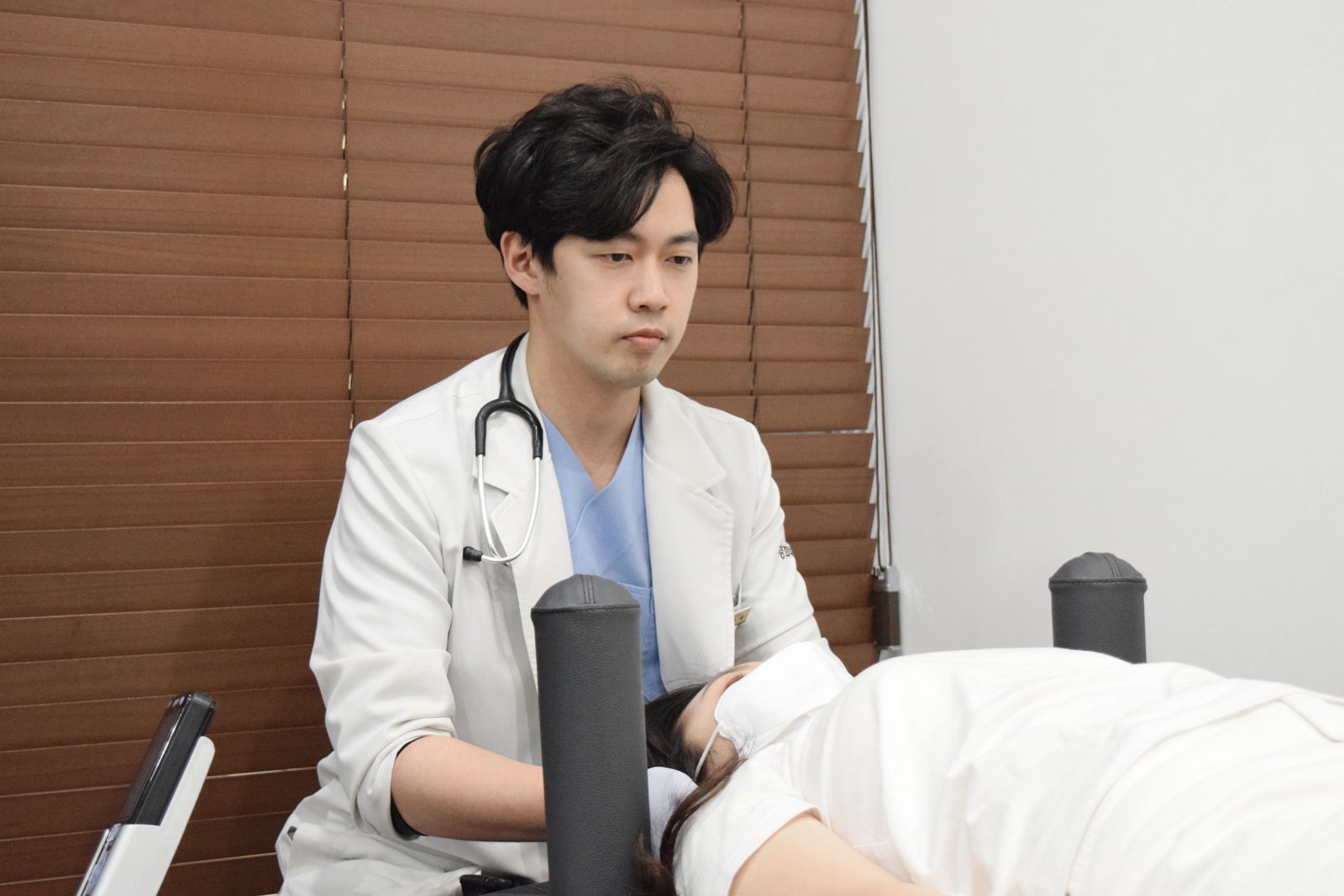 Pain & Accident RecoveryMusculoskeletal PainIf you have been getting by with pain relievers and pain patches, it may be time to look at the causeLearn more
 Pain & Accident RecoveryTraffic Accident AftereffectsIf you felt fine right after the accident, but your neck and low back hurt a few days laterLearn more
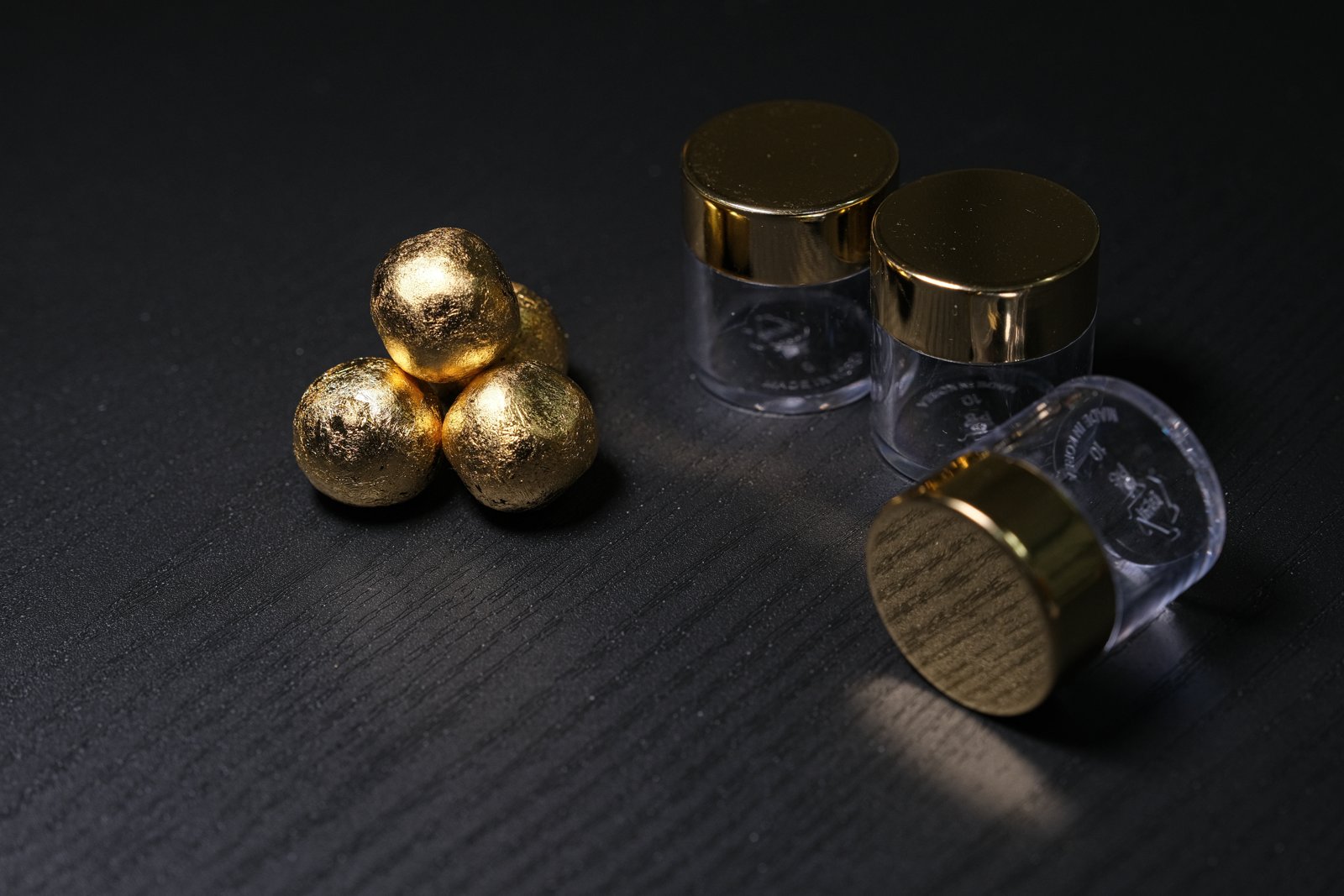 Metabolism, Circulation & ParalysisUwhang CheongsimwonWhen your heart pounds and you feel anxious before an important dayLearn more
RESERVATION
Headache · Dizziness:
start with a consultation
Leave your details and we will contact you in order during clinic hours. First-time visitors are welcome — we start by carefully understanding your current condition.
+82-2-792-1904- Mon · Tue · Wed · Thu09:30 – 19:30
- Fri09:30 – 18:30
- Sat09:30 – 14:30 (open without a lunch break)
- LunchWeekdays 13:30 – 14:30