
Main ClinicFatigue & Herbal Tonics
CHRONIC FATIGUE
Chronic Fatigue · Burnout · Stress
Do you still feel tired even after sleeping?
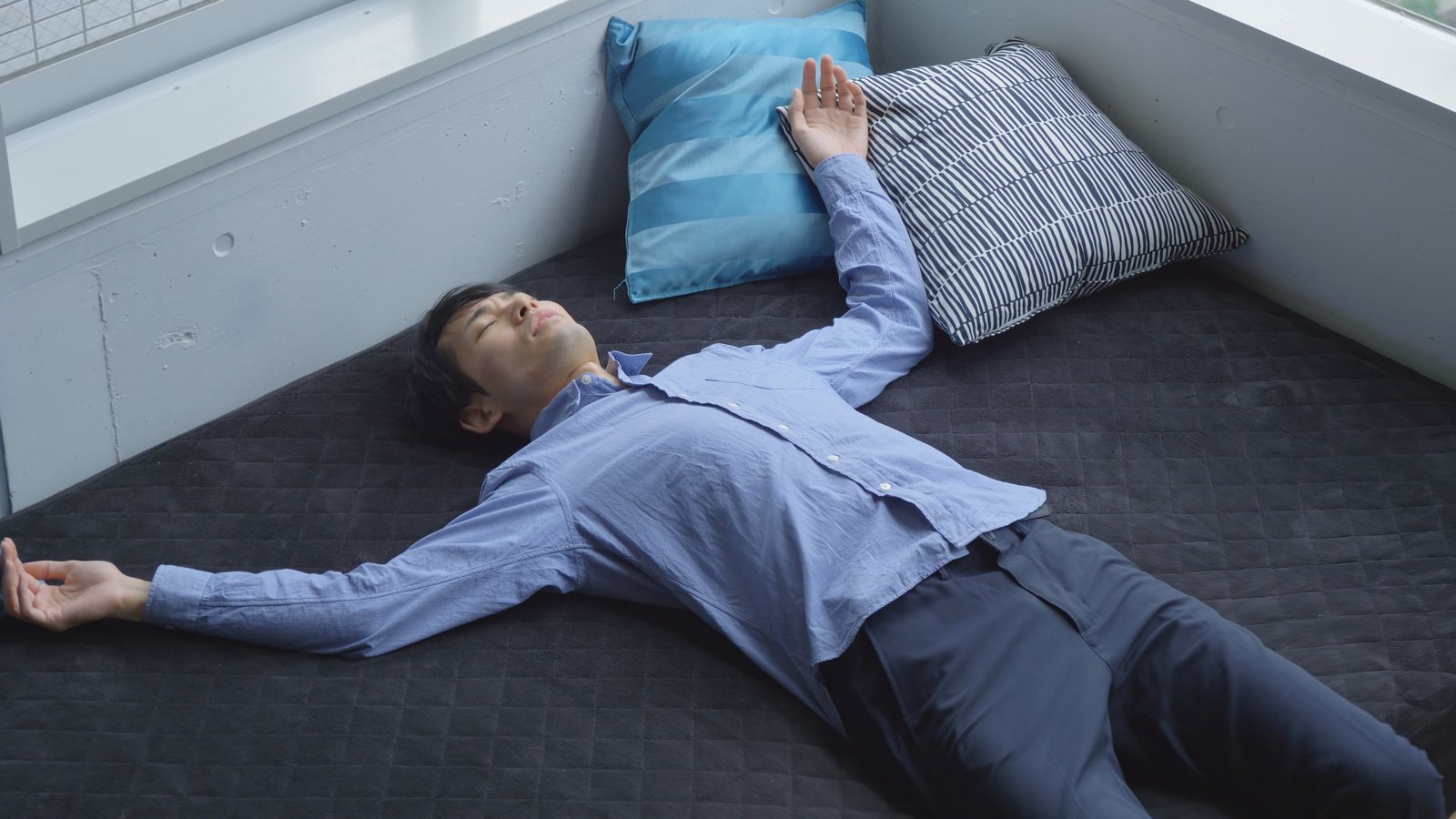
Fatigue that lasts longer than 6 months can be difficult to recover from with rest alone. We begin by looking at the spleen-stomach, the root of vitality, and help replenish insufficient qi and blood.
of Hoechundang care
- POINT 01
Fatigue · Tonic Herbal Medicine care that supports the spleen-stomach while replenishing qi, blood, and body fluids
- POINT 02
Check vitality and autonomic nervous system status with Ryodoraku, HRV, InBody S10, and iris testing
- POINT 03
Care by Dr. Bongha Ryu, Honorary Director, who served as the presidential physician and twice as director of Kyung Hee University Korean Medicine Hospital, together with family medical staff
01SELF CHECK
Does this kind of fatigue sound like you?

0/ 7
Tap the items that apply to you.
02WHY IT HAPPENS
Why does chronic fatigue happen?
Chronic fatigue is a condition in which fatigue does not go away even after sleep, lasts for 6 months or longer, and interferes with daily life, even when there is no other illness. The cause is not clear, but stress, toxic substances, central nervous system disorders, decreased blood flow to the brain, and neurotransmitter abnormalities are discussed as possible factors. In Korean medicine, it has been viewed as heoro (deficiency fatigue, 虛勞), a state of exhaustion from depleted energy, and has been treated according to the cause.

- 01
Noryeoksang (Overexertion Injury, 勞力傷)
A state in which original qi (元氣), the basic energy of life activity, has been damaged by excessive physical labor.
- 02
Nosimsang (Mental Overstrain Injury, 勞心傷)
A state in which qi and blood (氣血) have been damaged by excessive thinking and worry.
- 03
Bangnosang (Injury from Sexual Overexertion)
A state in which essence qi (精氣) has been depleted by excessive sexual activity.
- 04
Ilbyeong (Latent Disease, 逸病)
A state in which qi and blood circulation has declined due to a lifestyle with too little activity.
03WHY IT HAPPENS
The center of fatigue care: the spleen-stomach
The spleen and stomach absorb nutrients from food, produce qi and blood, and send them throughout the whole body. So when the spleen-stomach is weak, it is difficult to produce energy no matter how much you rest. This is why treatment is needed to support vitality while also helping digestive function.
“When there is stomach qi (胃氣), one lives; when there is no stomach qi, one dies.”
Essential Readings from the Medical Tradition (醫宗必讀)
- 01
Where Qi and Blood Are Produced
It absorbs nutrients from food to produce qi and blood, the building blocks of blood, and antibodies, and supplies them throughout the body.
- 02
Fluid Metabolism
It is responsible for fluid metabolism (水液代謝), helping the body’s fluids spread evenly.
- 03
When the Spleen-Stomach Weakens
The abdomen becomes bloated so you cannot eat much, the head and body feel heavy, you may swell easily, or stools may become loose. The energy of the five viscera and six bowels also declines together.
Spleen-stomach function check
- You have no appetite
- Your muscles and flesh are not firm, but feel soft or you are thin
- Your arms and legs feel weak and droop
- Your lips are not glossy and look dry or pale
- Your head feels heavy and unclear
- You have a lot of stress and think too much
- You have no motivation and do not want to move
- Your forgetfulness is severe and you often forget things
04WHY TREAT EARLY
If you dismiss it as common fatigue
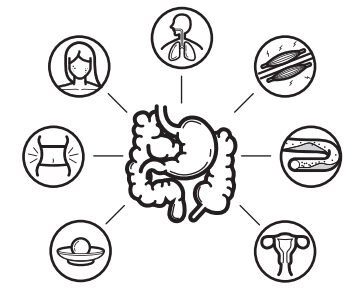
Many people take fatigue for granted, saying, “I’ve always been tired.” But when fatigue continues, original qi becomes insufficient, the Digestive System weakens, the ability to produce qi and blood declines, and the body becomes undernourished. When immunity declines, Respiratory System defenses can also weaken, making it easier to be exposed to chronic diseases with causes that are hard to identify.
PROCESS
How Care Proceeds
- 01
Consultation · Pulse Diagnosis
We listen carefully to your symptoms, lifestyle habits, and treatment history, then assess your condition through pulse and tongue diagnosis.
- 02
Detailed Testing
We check organ function, energy level, and autonomic nervous system balance with tests suited to your condition.
- 03
Pattern Identification · Diagnosis
We combine your test results and constitution to find the underlying cause of your symptoms.
- 04
1:1 Customized Prescription
We design the needed treatments for each person, including herbal medicine, acupuncture, pharmacopuncture, and moxibustion.
- 05
Progress Management
We monitor your progress through regular tests and consultations and adjust prescriptions as needed.
Helpful to bringIf you bring existing test results, such as blood tests, we can provide more thorough care.
05DIAGNOSIS
Tests that check fatigue status and vitality
 TEST 01
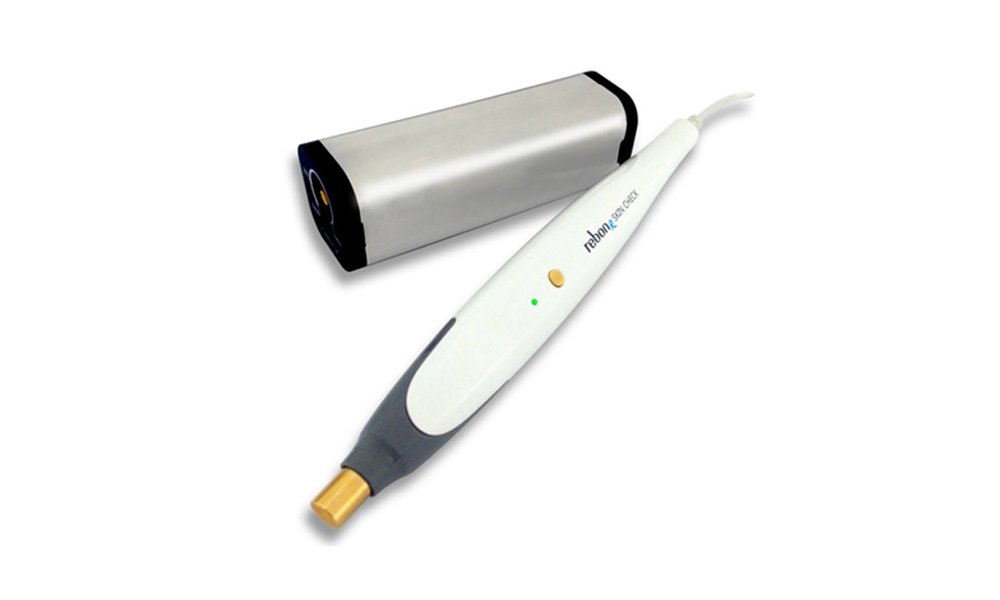
Ryodoraku Meridian Function Test
We measure the activity level of meridian function at major acupuncture points on the hands and feet. This helps identify abnormalities in organ function, overall vitality level, and the deficiency or excess (虛實) of illness.
 TEST 02
Heart Rate Variability (HRV) Autonomic Nervous System Test
We check the activity and balance of the sympathetic and parasympathetic nerves. When the autonomic nervous system is disrupted, organ movement may become sluggish and the body may become sensitive.
 TEST 03
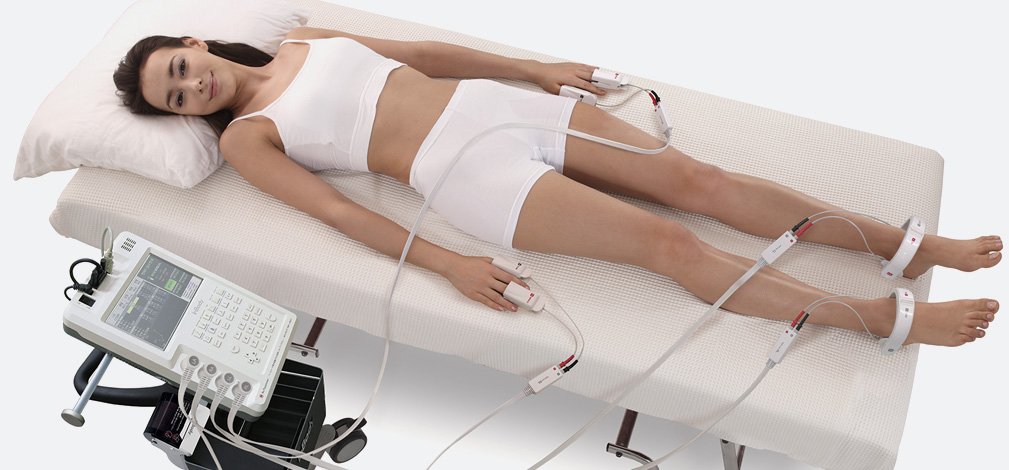
InBody S10 Detailed Body Water Analysis
Along with body composition, we analyze the ratio of intracellular and extracellular water and the bioelectrical phase angle to assess nutritional status and cellular health. When the phase angle is low, a person may become tired easily and more easily exposed to various diseases.
 TEST 04
Iris Genetic Constitution Test
We comprehensively review inherited strengths and weaknesses, constitutional imbalances, emotional responses, and autonomic nervous system balance. Based on the results, we set goals to help restore imbalances in immunity, detoxification, and metabolism.
06TREATMENT
This is how we treat chronic fatigue
The focus of treatment is to support the spleen-stomach while replenishing insufficient qi, blood, and jinye (body fluids, 津液). Herbal medicine and acupuncture · moxibustion treatments are provided together according to your condition.
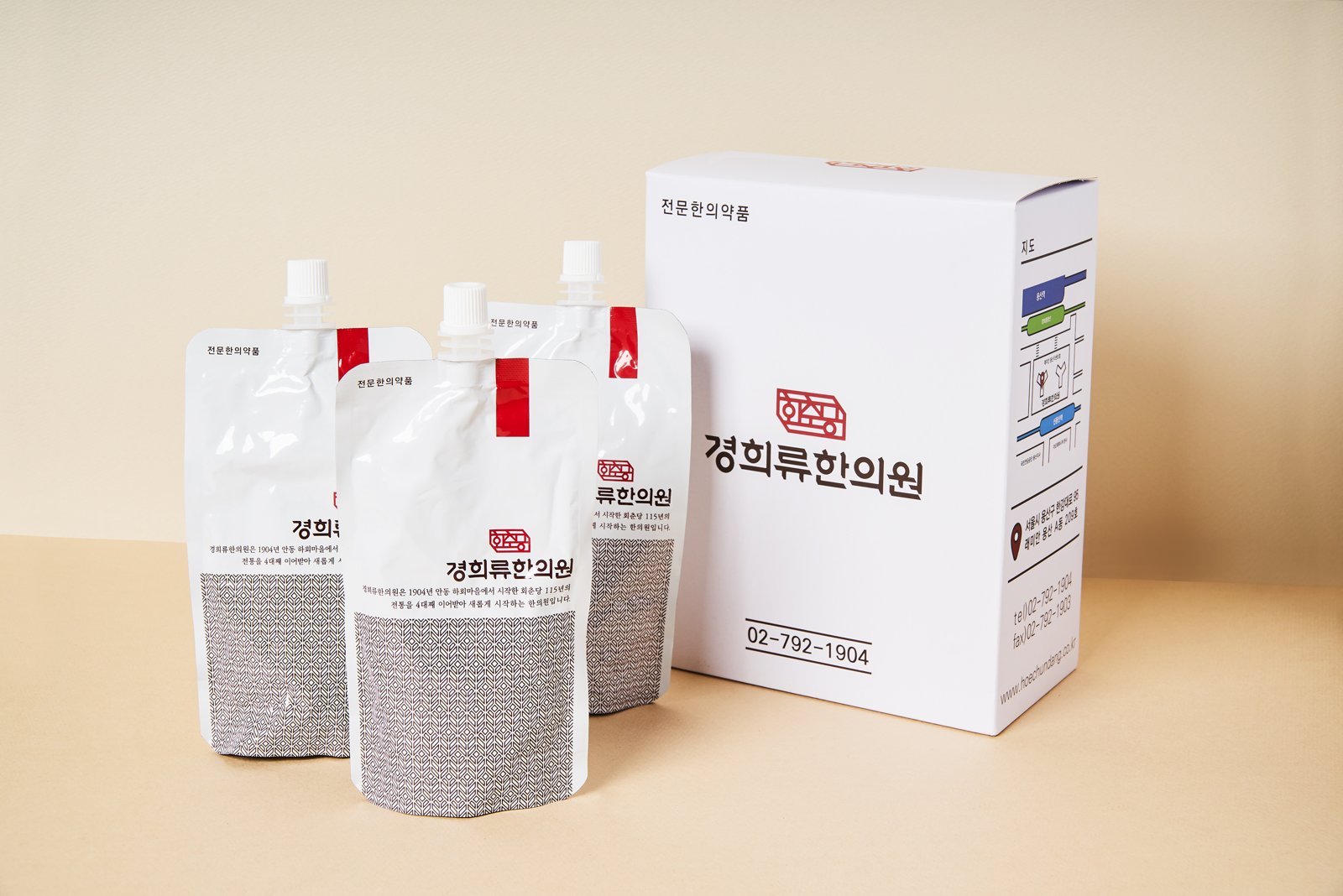
One-on-One Personalized Tonic Herbal Decoction
Korean medicine looks at the person more than the disease name. We prescribe after reviewing constitution, symptom severity, how long you have been ill, and lifestyle habits. We decoct Kyung Hee herbal ingredients through our in-clinic decoction system.
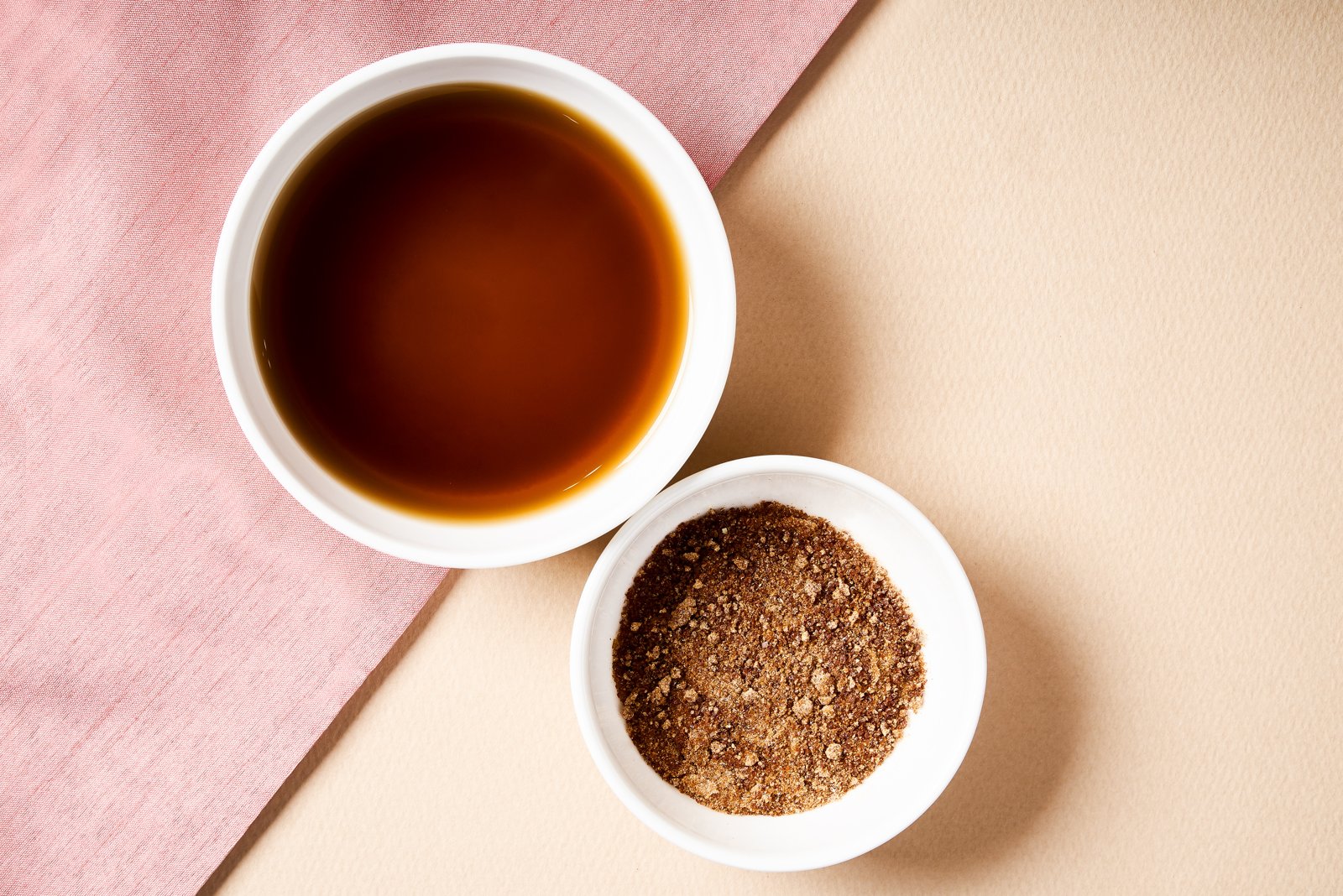
Nokyong (Deer Antler) Tonic
Nokyong (Deer Antler, 鹿茸) is a representative tonifying herb (補益藥), an herb that supports energy. It replenishes insufficient qi and blood and adds yang qi, helping with recovery of vitality and improved blood flow. We use Russian deer antler.
- It is known to be helpful for liver function, bone health, and immune function
- It has been used as an herb that clears the mind and helps concentration
- It is also used in Growth-Support Herbal Tonic
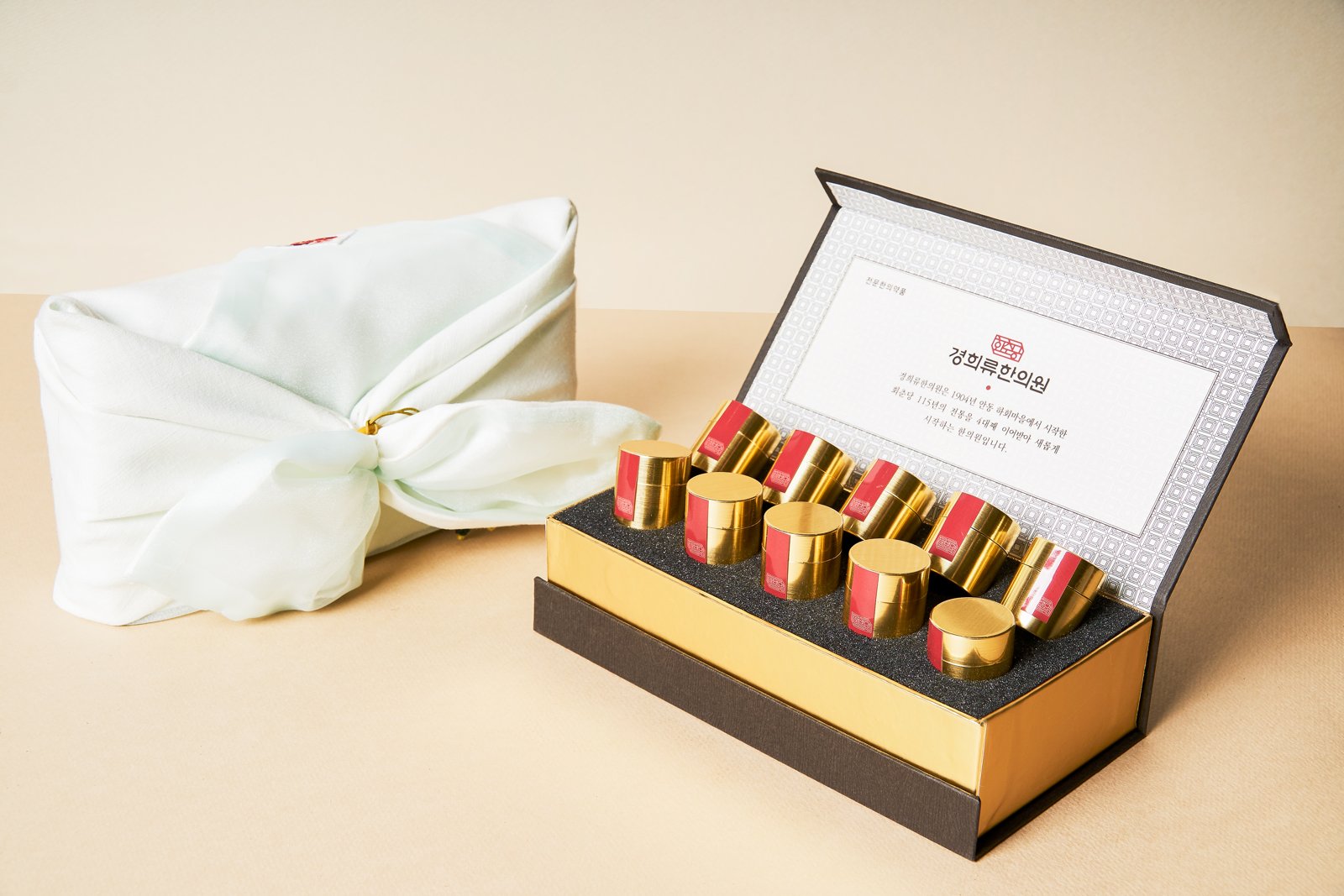
Wonbang Sahyang Gongjindan
This is a traditional tonic herbal medicine whose main ingredients are musk, nokyong (deer antler), danggui, and cornelian cherry. Since ancient times, it has been prescribed to ease chronic fatigue and support immunity and vitality. Each pill contains 100mg of musk, and we prepare it in-clinic while following the original formula content.
More about Wonbang Sahyang Gongjindan (原方麝香拱辰丹)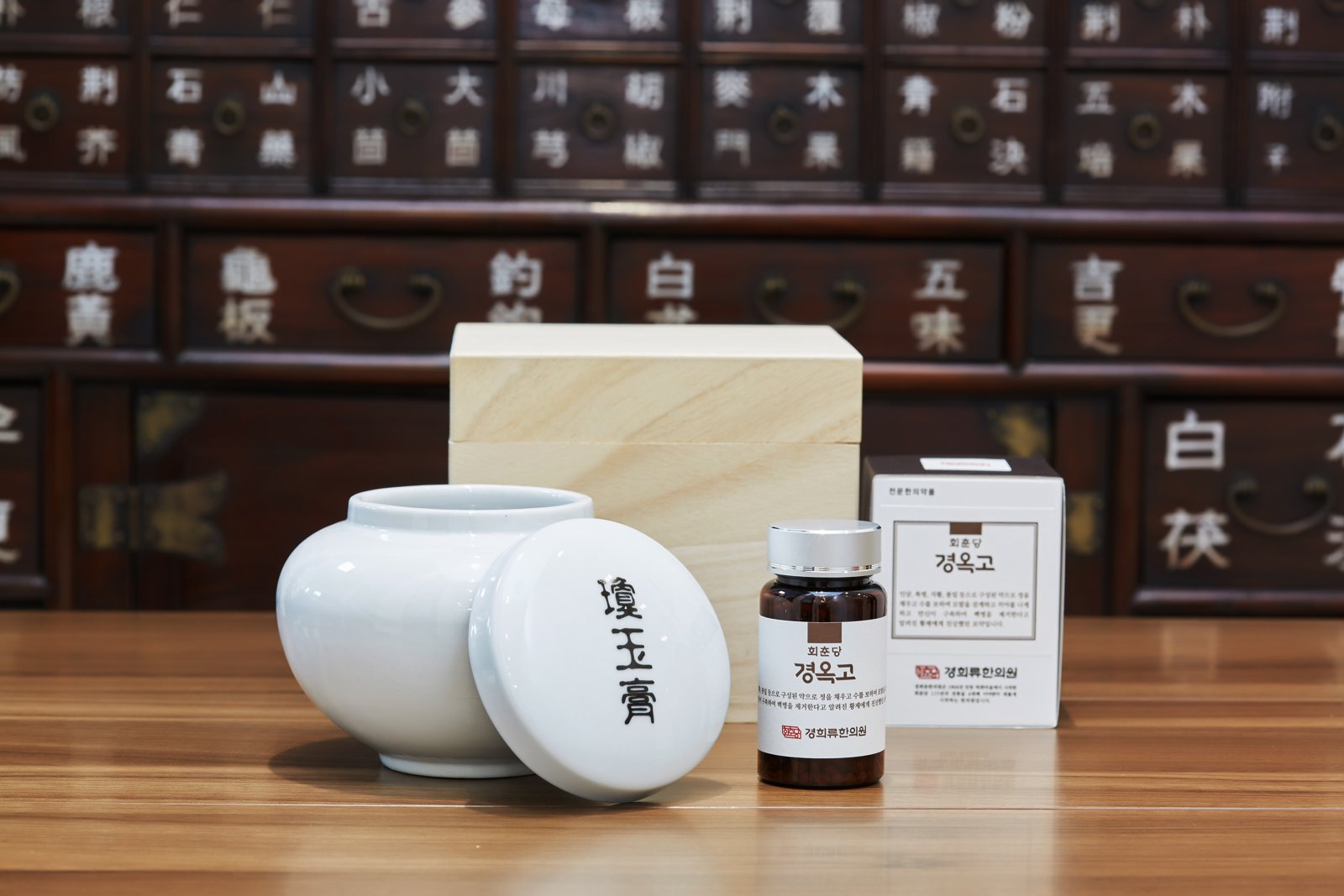
Gyeongokgo (瓊玉膏)
This traditional tonic herbal medicine supports vitality and replenishes body fluids, and it is recorded as having been used for easy fatigue due to heoro (deficiency fatigue, 虛勞). We also prescribe it in a convenient Stick Type.
More about Gyeongokgo (瓊玉膏)
Acupuncture · Electroacupuncture · Pharmacopuncture · Moxibustion
We use fatigue recovery acupuncture, Electroacupuncture, and pharmacopuncture to reduce accompanying symptoms, and Whole Body circulation moxibustion to help qi and blood circulation. We also address disrupted autonomic nervous system balance to help the mind feel more at ease.
- Most patients take herbal medicine and receive treatment 2–3 times per week
- At each visit, we review the treatment plan and lifestyle habits to improve
CONSULTATION
Consider a consultation before symptoms become long-standing
If you bring your test results, we will review your current condition together.
07EXPERTISE
Fatigue · Tonic Herbal Medicine care and research
Fatigue · Tonic Herbal Medicine Clinic, tonic herbal medicine prescriptions centered on the spleen-stomach (脾胃)

Presidential Physician · Twice Served as Director of Kyung Hee University Korean Medicine Hospital
Dr. Bongha Ryu, Honorary Director
- PhD in Korean Medicine Internal Medicine, Graduate School of Korean Medicine, Kyung Hee University
- Head Professor of Gastroenterology, College of Korean Medicine, Kyung Hee University
- Twice Served as Director of Kyung Hee University Korean Medicine Hospital, Kyung Hee Medical Center
- Former Presidential Physician for President Lee Myung-bak
Digestive SystemRespiratory SystemFatigue · Tonic Herbal Medicine

4th-Generation Korean Medicine Doctor · Korean Medicine Internal Medicine Specialist
Dr. Hansung Ryu, Chief Director
- Specialist Training, Korean Medicine Cancer Center, Kyung Hee University Korean Medicine Hospital at Gangdong
- Training at a Harvard Medical School-affiliated hospital (Joslin Diabetes Center)
- Training at the Block Center (Integrative Cancer Center, USA)
- Researcher in the Development of Korean Medicine Standard Clinical Practice Guidelines for Cancer Symptom Relief
SkinDigestive SystemDiabetes · MetabolismConstitutional Immunity & CancerPain · Traffic Accidents
- Spleen-stomach-centered tonic prescriptions continued since Hoechundang in 1904
- Dr. Bongha Ryu, Honorary Director: while serving at Kyung Hee University Korean Medicine Hospital, he and the Digestive System and tonification clinic team published about 200 or more research papers
- Dr. Hansung Ryu, Chief Director, and Dr. Seungwon Baek, Director, provide care together and offer Consultation on fatigue recovery and immune management by life stage
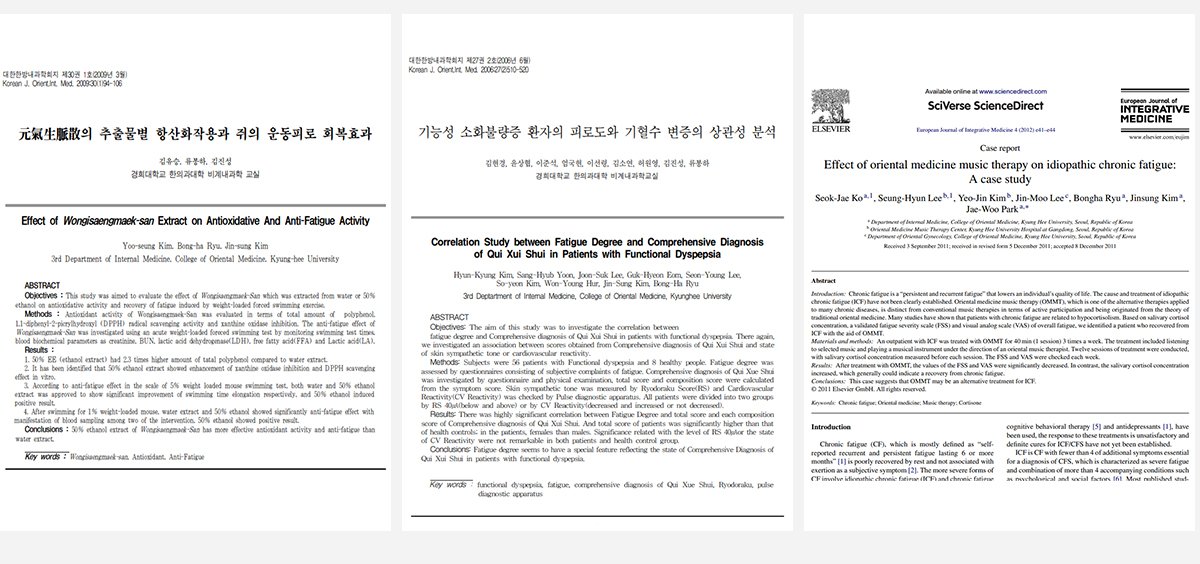
Related research
Analysis of the correlation between fatigue severity and qi-blood-fluid pattern identification in patients with functional dyspepsia
This study measured fatigue scores, a qi-blood-fluid (氣血水) pattern identification questionnaire, Ryodoraku sympathetic nerve activity, and pulse diagnosis elasticity index in 56 patients with functional dyspepsia and 8 healthy individuals. It was reported that higher total pattern identification scores were associated with higher fatigue levels, and this was presented as evidence that stomach treatment should be considered together in fatigue care.
Effect of oriental medicine music therapy on idiopathic chronic fatigue: A case study
This is a case report in which traditional Oriental medicine music therapy (OMMT) was performed 12 times for 40 minutes each in a patient with chronic fatigue. It was reported that fatigue scale (FSS), VAS scores, and salivary cortisol levels decreased.
Antioxidant effects by extract type of 元氣生脈散 and recovery effects on exercise fatigue in rats
This animal experiment study reported that antioxidant and anti-fatigue effects were observed in the water extract and 50% ethanol extract of Wongi Saengmaeksan (元氣生脈散), which is used for chronic fatigue, weak constitution, and students’ physical stamina.
WHY HOECHUNDANG
Why Choose Hoechundang Kyunghee Ryu Korean Medicine Clinic
- 01
For 4 Generations Since 1904
For 4 generations, we have carried on Hoechundang’s treatment principle of seeing the stomach and intestines as the foundation of health.
- 02
Family Medical Team from Kyung Hee University Korean Medicine Hospital
Dr. Bongha Ryu, Honorary Director, who twice served as director of Kyung Hee University Korean Medicine Hospital and as a presidential physician; Dr. Hansung Ryu, Chief Director, a Korean medicine internal medicine specialist; and Dr. Seungwon Baek, Director, first author of an SCI-level paper on women’s health, provide care together.
- 03
Prepared In-House at Our Herbal Medicine Research Lab
Based on the research of our affiliated Herbal Medicine Research Institute, we prepare prescriptions in-house and use verified herbal ingredients at a level supplied to Kyung Hee University Korean Medicine Hospital.
- 04
15 Acupuncture and Moxibustion Treatment Rooms
We expanded our treatment rooms so patients can receive a variety of treatments, such as acupuncture, pharmacopuncture, Cupping, large moxibustion, radiofrequency, thermal dome therapy, Chuna Manual Therapy, and traction therapy, with minimal waiting.
08FAQ
Frequently Asked Questions
QMy tests are normal, but I still feel tired. Is this something that can be treated?
Chronic fatigue refers to a condition in which fatigue continues for 6 months or longer even when there is no other illness. Because leaving it untreated as a common symptom may weaken the digestive system and immune function, we recommend a consultation.
QCould I be tired because of another illness?
Depression, anxiety disorders, decreased adrenal cortex or thyroid function, diabetes, severe obesity, tuberculosis, hepatitis, and other conditions can easily cause chronic fatigue. In these cases, fatigue symptoms can be improved along with treatment for the underlying condition (Western medicine or Korean medicine).
QAre all restorative herbal medicines the same prescription?
No. Prescriptions vary depending on your constitution, the severity of your symptoms, how long you have had them, and your lifestyle habits. After a medical consultation, we prescribe a personalized restorative herbal medicine.
QWhich is right for me, Gongjindan or Gyeongokgo?
Gongjindan is mainly used for chronic fatigue and vitality and immune care, while Gyeongokgo is mainly used to support energy and replenish body fluids. For both, we provide guidance on how to take them according to your constitution and health status during a medical consultation.
QHow often should I receive acupuncture treatment?
Most people take herbal medicine while receiving acupuncture · moxibustion · pharmacopuncture treatment 2–3 times a week. The number of treatments is adjusted depending on your condition.
CONSULTATION
Consider a consultation before symptoms become long-standing
If you bring your test results, we will review your current condition together.
RELATED
Related Care
 Fatigue & Herbal TonicsGrowth-Support Herbal Tonic · Exam Student Herbal TonicWhen children need to eat well, grow well, and have the stamina to get through examsLearn more
 Fatigue & Herbal TonicsPostpartum Restorative Herbal MedicineDo you feel that recovery is slow even when you rest after childbirth?Learn more
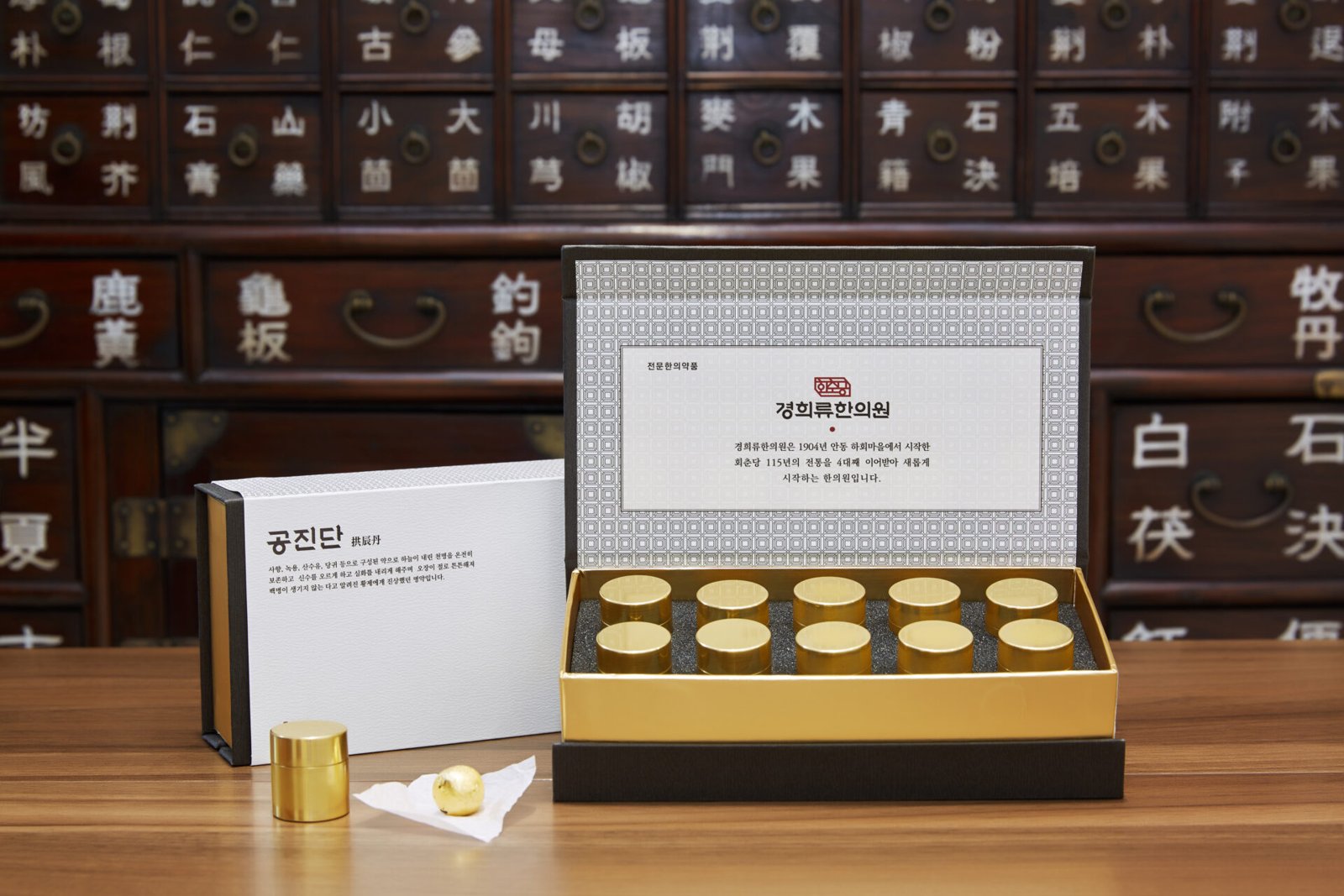 Fatigue & Herbal TonicsWonbang Sahyang GongjindanWhen you always feel low on energy and tire easily, Sahyang Gongjindan prepared according to the original formulaLearn more
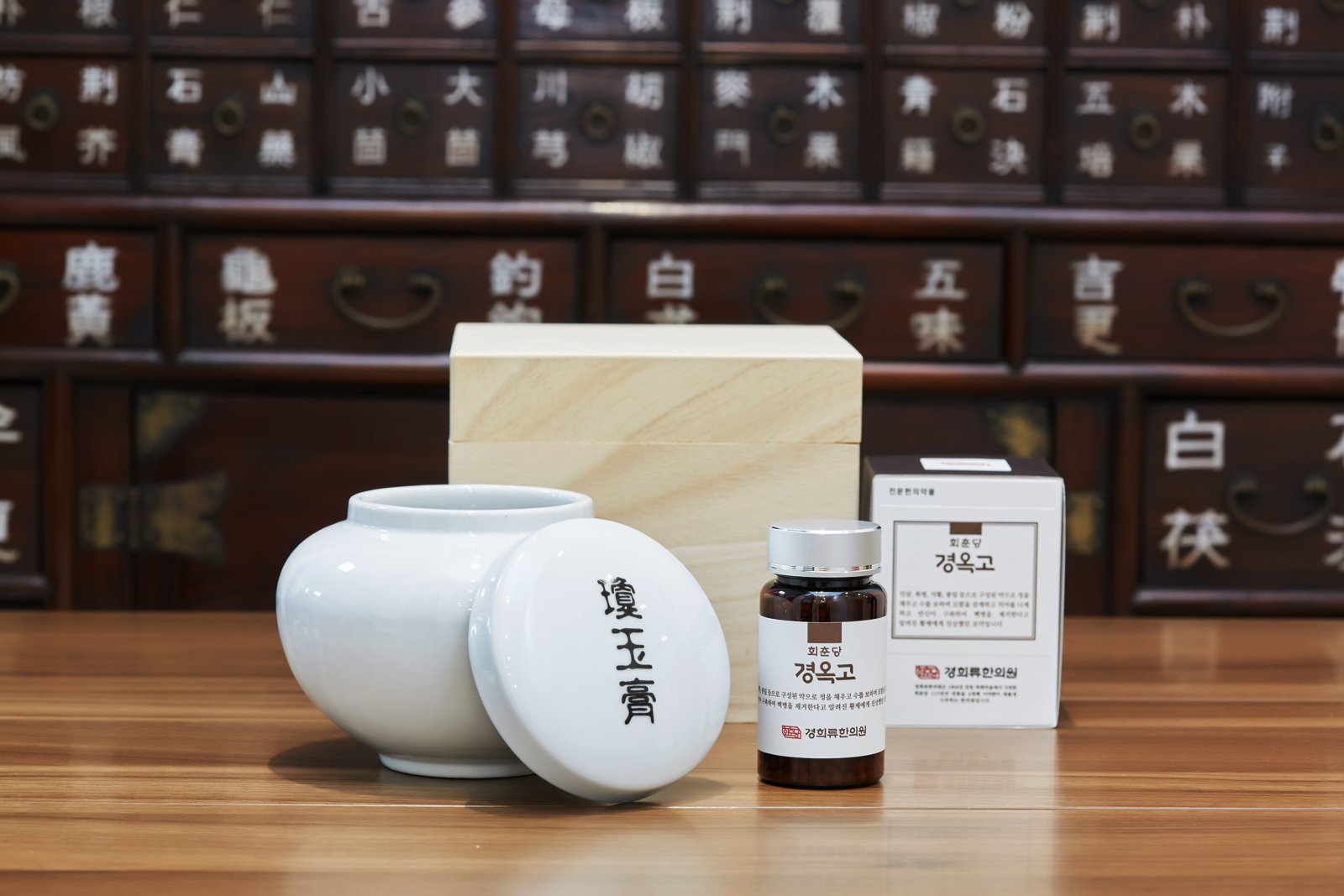 Fatigue & Herbal TonicsGyeongokgoGyeongokgo, which replenishes body fluids when you tire easily and feel dried outLearn more
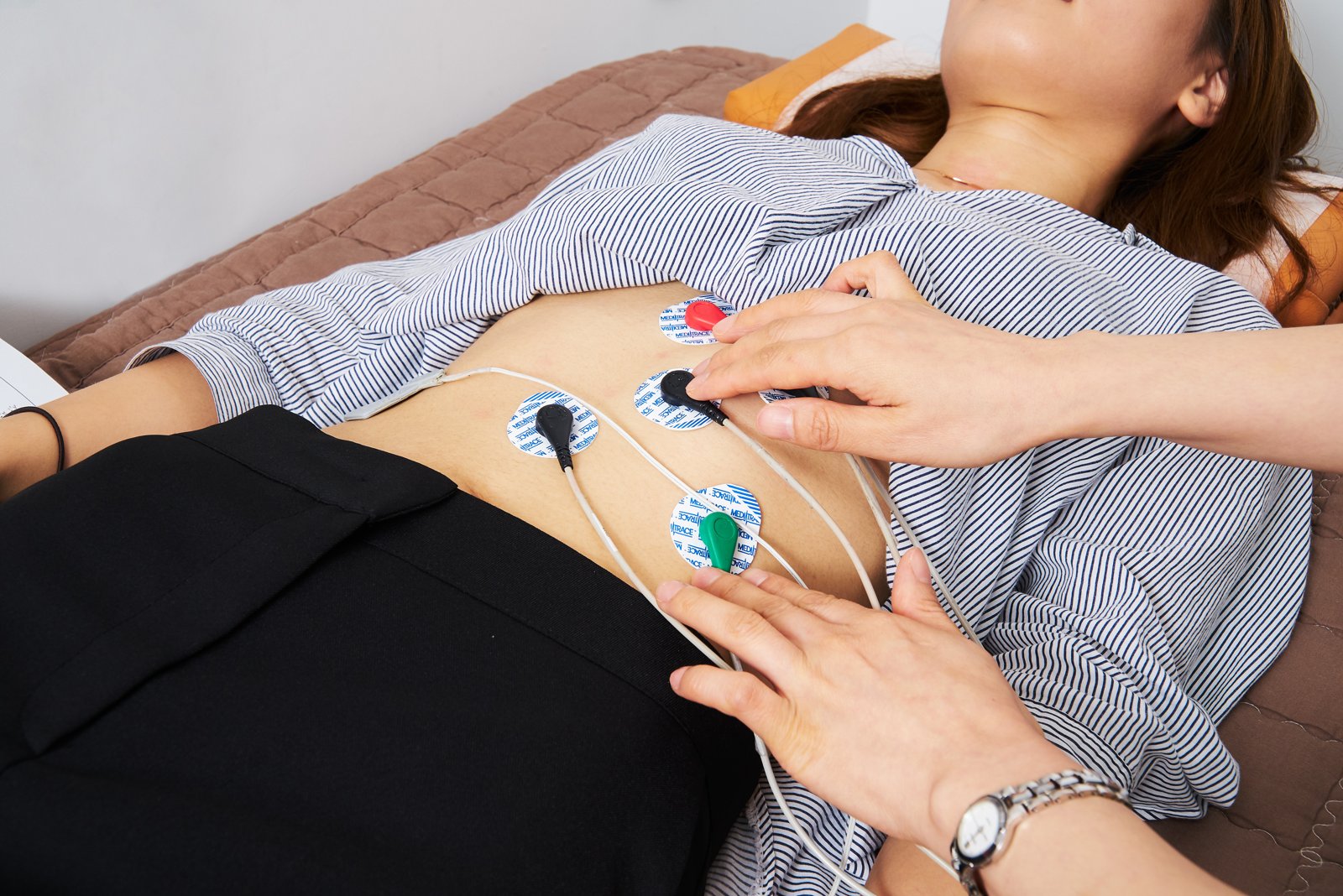 Digestive DisordersFunctional Dyspepsia · Damjeok (Phlegm Accumulation)My endoscopy is normal, so why do I always feel bloated and have indigestion?Learn more
RESERVATION
Chronic Fatigue · Burnout · Stress:
start with a consultation
Leave your details and we will contact you in order during clinic hours. First-time visitors are welcome — we start by carefully understanding your current condition.
+82-2-792-1904- Mon · Tue · Wed · Thu09:30 – 19:30
- Fri09:30 – 18:30
- Sat09:30 – 14:30 (open without a lunch break)
- LunchWeekdays 13:30 – 14:30