
Main ClinicFatigue & Herbal Tonics
POSTPARTUM TONIC
Postpartum Restorative Herbal Medicine
Do you feel that recovery is slow even when you rest after childbirth?
Postpartum restorative herbal medicine is prescribed according to your stage of recovery, from helping discharge lochia (惡露, discharge from the uterus after childbirth) to replenishing qi and blood. It can also be prescribed during breastfeeding, based on your condition.
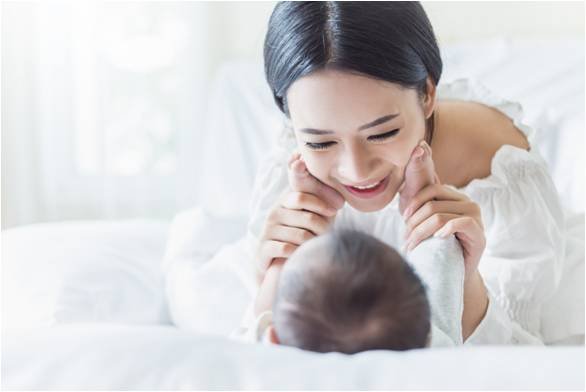
of Hoechundang care
- POINT 01
Right after childbirth: blood stasis and lochia discharge → replenish qi and blood → sanhupung (postpartum wind disorder) and edema care, with prescriptions by stage
- POINT 02
Herbs adjusted according to breast milk supply and whether you are breastfeeding
- POINT 03
Women’s Health Clinic Director Dr. Seungwon Baek, Director and Dr. Bongha Ryu, Honorary Director provide postpartum care together
01RECOMMENDED FOR
Recommended for those who
- Feel easily exhausted after childbirth and do not recover well even with rest
- Want support for lochia discharge and uterine recovery
- Had a C-section or heavy bleeding during delivery
- Are usually weak and are worried about sanhupung (postpartum wind disorder, 産後風)
- Have joint and spinal pain in areas such as the wrists or lower back from childcare
- Still have swelling that does not go down well 3 weeks after childbirth
- Are emotionally struggling with depressed mood or anxiety
- Are concerned that breast milk supply is too low or too high
02ABOUT
Why Postpartum Restorative Herbal Medicine May Be Needed
During childbirth, there can be significant bleeding and energy depletion, and the joints and muscles throughout the body become relaxed. During pregnancy and breastfeeding, nutrients are passed to the baby, which can also weaken the mother’s bones and joints. The puerperium (産褥期) refers to about 6 weeks after childbirth, when qi and blood are greatly weakened, and recovery during this period may affect lifelong health.
- 01
Uterine Recovery
The enlarged uterus returns to its original size over 4–6 weeks. Lochia is discharged for 2–3 weeks, and proper elimination of blood stasis and waste products can help the damaged uterine lining recover.
- 02
Depletion of Qi and Blood
Childbirth is a time of major physical exertion and may be accompanied by bleeding, leading to severe depletion of qi and blood. This is why you may feel easily exhausted and recover slowly even with rest.
- 03
Sanhupung (Postpartum Wind Disorder, 産後風)
It occurs when harmful influences of wind (風), cold (寒), and dampness (濕) enter while qi and blood are weakened. It may cause painful or cold-feeling joints and can interfere with blood circulation in the uterus. It is more likely to occur after a C-section, when there was heavy bleeding during delivery, or in those who are usually weak.
- 04
Emotional Changes
Many people experience depressed mood and anxiety due to rapid hormonal changes and childcare they are encountering for the first time. When the body recovers, it may also help emotional recovery.
03INGREDIENTS
Prescription Principles
Korean medicine looks at the person rather than only the disease name. We prescribe differently for each person depending on constitution, the birth process, degree of recovery, and whether you are breastfeeding.
- 01
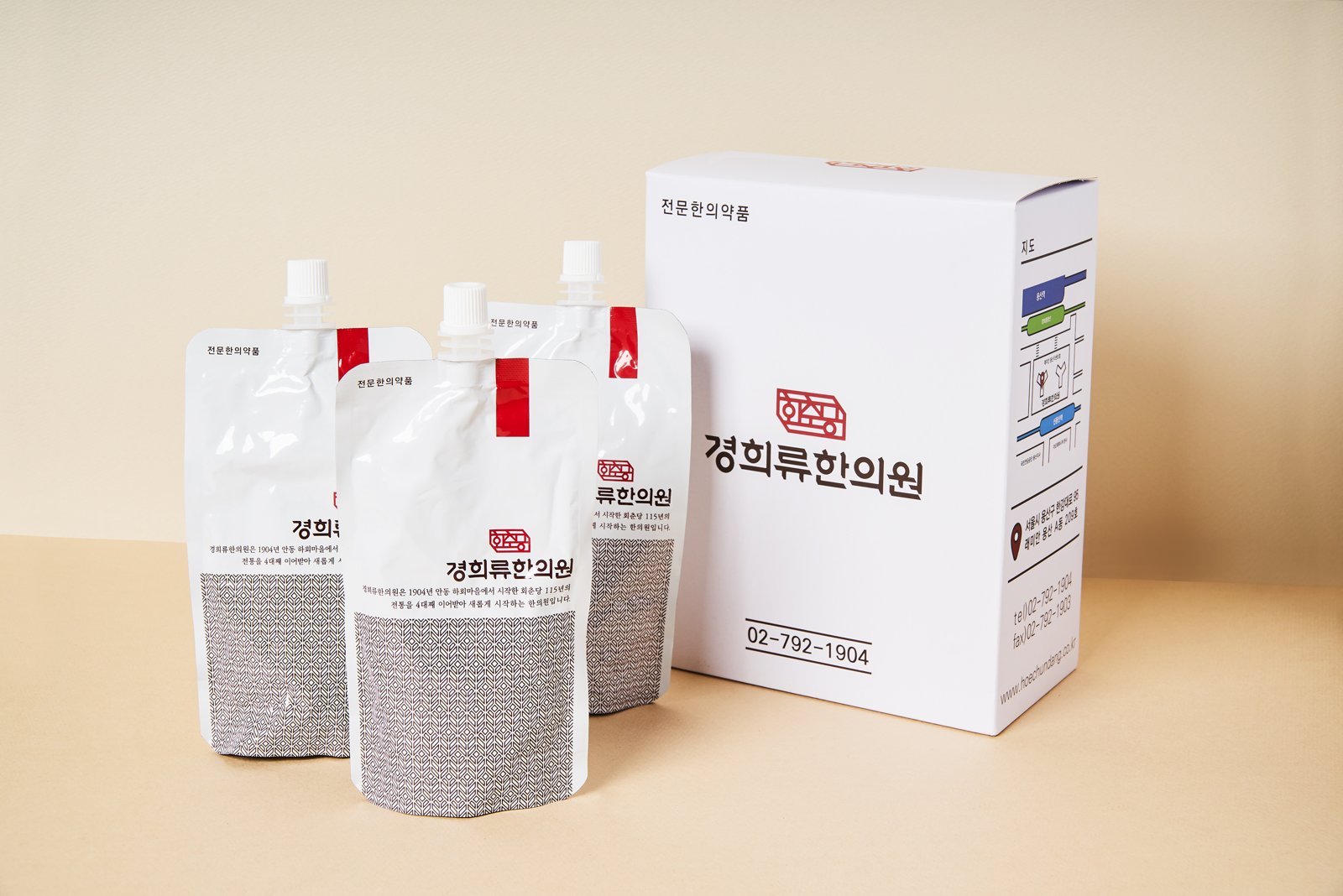
1:1 Customized Prescription
After consultation, we decide whether to use treatment-focused herbal medicine to ease discomfort, or a treatment and restorative tonic that also supports weakened uterine function and digestive function, which is considered a foundation of health.
- 02
Adjustments for Breastfeeding
We prescribe with both the mother and the breastfeeding baby in mind. If breast milk supply is too low or too high, we adjust the herbs accordingly.
 03
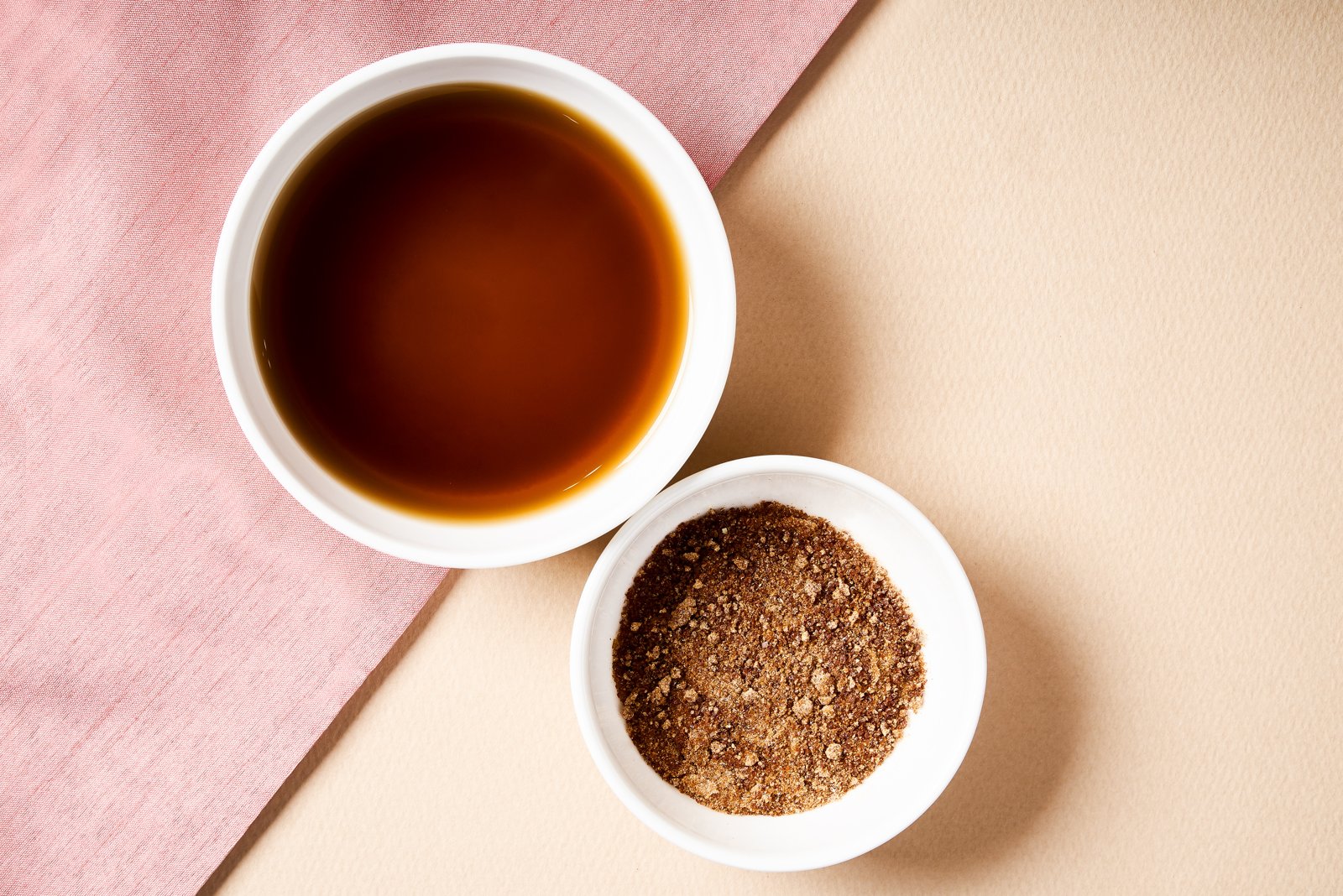
Nokyong (Deer Antler, 鹿茸) When Needed
Nokyong is an herb with strong blood-tonifying (補血) and yang-tonifying (補陽) actions and may help hematopoiesis (造血) and blood flow improvement. It is used to help eliminate blood stasis and replenish qi and blood. Donguibogam records that it raises severely depleted energy and supports immunity. However, it is not always necessary and is prescribed according to your condition and circumstances.
04BENEFITS
How We Support Each Stage of Recovery
- 01
Step 1 · Blood Stasis Removal and Uterine Recovery
This is taken starting from the period right after childbirth when lochia is being discharged. It helps clear blood stasis, supports lochia and waste product elimination, and promotes smooth fluid metabolism and blood circulation, helping the first step of recovery from weight changes and edema.
- 02
Step 2 · Replenish Qi and Blood and Restore Vitality
This replenishes depleted energy and blood and supports weakened immunity. It helps warm the body, strengthen joints, and relieve pain; as circulation improves, it may also help recovery from edema and weight changes. In general, the recovery period is about 6–8 weeks.
- 03
Step 3 · Sanhupung (Postpartum Wind Syndrome) · Edema · Postpartum Weight Management
We also look at sanhupung symptoms such as joint pain, coldness, and numbness; breast engorgement and breast milk supply concerns; and postpartum depressed mood. If swelling is slow to improve after 3 weeks, detox herbal medicine may be used. From 3–6 months after childbirth, we help manage weight with herbal medicine and acupuncture instead of strenuous exercise or dietary restriction.
If pregnancy and childbirth were especially difficult or recovery is slow, the treatment period may be longer.
05HOW TO TAKE
Instructions for Use
- 01
When to Start
It is best to start as early as possible after childbirth. Even if you start later after lochia discharge has ended, we prescribe according to your condition at that time.
- 02
Duration of Use
In general, it is about 6–8 weeks and is adjusted according to the degree of recovery.
- 03
During Breastfeeding
We prescribe by adjusting herbs while also considering the breastfeeding baby. Detox herbal medicine that helps postpartum edema and waste product elimination can also be taken during breastfeeding.
- 04
Postpartum Weight Management Herbal Medicine
Bigam Capsule, which helps reduce body fat and control appetite, is prescribed for those who have finished breastfeeding and have sufficiently recovered their vitality.
The National Happiness Card (pregnancy and childbirth medical expense support) can be used for Korean medicine clinic postpartum care, post-miscarriage recovery care herbal medicine, and acupuncture and moxibustion treatment.
06FAQ
Frequently Asked Questions
QWhen can I start taking postpartum restorative herbal medicine?
It is best to start as early as possible after childbirth. Right after childbirth, we prescribe herbal medicine to help discharge blood stasis and lochia; afterward, we prescribe herbal medicine to replenish qi and blood and support uterine recovery.
QCan I take it while breastfeeding?
We prescribe with the breastfeeding baby in mind as well. If breast milk supply is too low or too high, we adjust the herbs accordingly.
QDoes postpartum restorative herbal medicine have to include nokyong?
Nokyong is often used for postpartum mothers because it has strong blood-tonifying and yang-tonifying actions, but it is not required. We prescribe according to your condition and circumstances.
QHow long should I take it?
In general, the recovery period is about 6–8 weeks. If pregnancy and childbirth were especially difficult or recovery is slow, treatment may be longer.
QI had a C-section and am worried about sanhupung.
Sanhupung is more likely to occur after a C-section, when there was heavy bleeding during delivery, or in those who were usually weak. We observe your progress while using prescriptions that replenish qi and blood and warm the body.
QCan I use the National Happiness Card?
Pregnancy and childbirth medical expense support (National Happiness Card) can be used for herbal medicine, acupuncture, and moxibustion treatment needed for postpartum care and post-miscarriage recovery care. Based on the original standard (2022), the support amount is 1 million KRW for one baby and 1.4 million KRW for multiple births. Because the amount and period of use may change, we recommend checking before your visit.
07EXPERTISE
Care That Understands the Female Life Cycle
First author of an SCI-level paper on Women’s Health Clinic patients
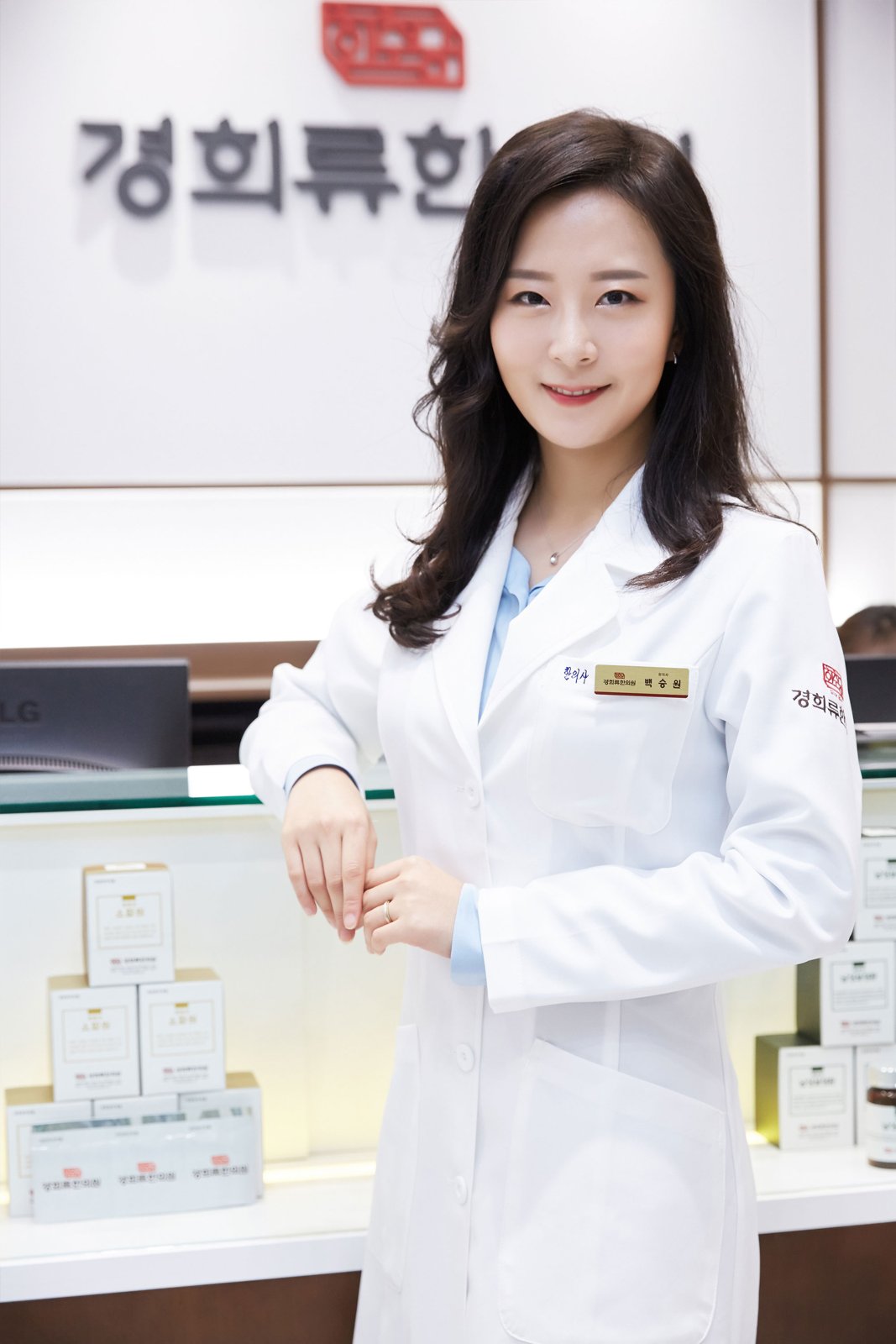
4th-Generation Married Korean Medicine Doctors · First Author of an SCI-Level Paper on Women’s Health
Dr. Seungwon Baek, Director
- Entered Sangji University College of Korean Medicine at the top of the class · Graduated salutatorian
- Master’s Program in Clinical Korean Medicine, Kyung Hee University
- Specialist Training Program, Department of Acupuncture and Moxibustion Medicine (Facial Palsy Center · Spine and Joint Center), Kyung Hee University Korean Medicine Hospital at Gangdong
- Certified Korean Medicine Doctor in Korean Medicine Obesity Treatment
Women's HealthDiet & BeautyPediatricsFacial PalsyPain · Traffic Accidents
- Dr. Seungwon Baek, Director: Published a paper in an SCI(E)-level international academic journal on Women’s Health Clinic patients; as a wife and mother in a family, she carefully considers postpartum concerns
- Father-in-law Dr. Bongha Ryu, Honorary Director and daughter-in-law Dr. Seungwon Baek, Director provide care together, from postpartum restorative herbal medicine to postpartum joint pain, depressed mood, and weight management
- Women’s condition prescriptions carried on through the tradition of the 4th-generation Hoechundang
CONSULTATION
Consult with us first to see if it is right for you
After checking your constitution and health condition, we will guide you on whether and how to take it.
RELATED
Related Care
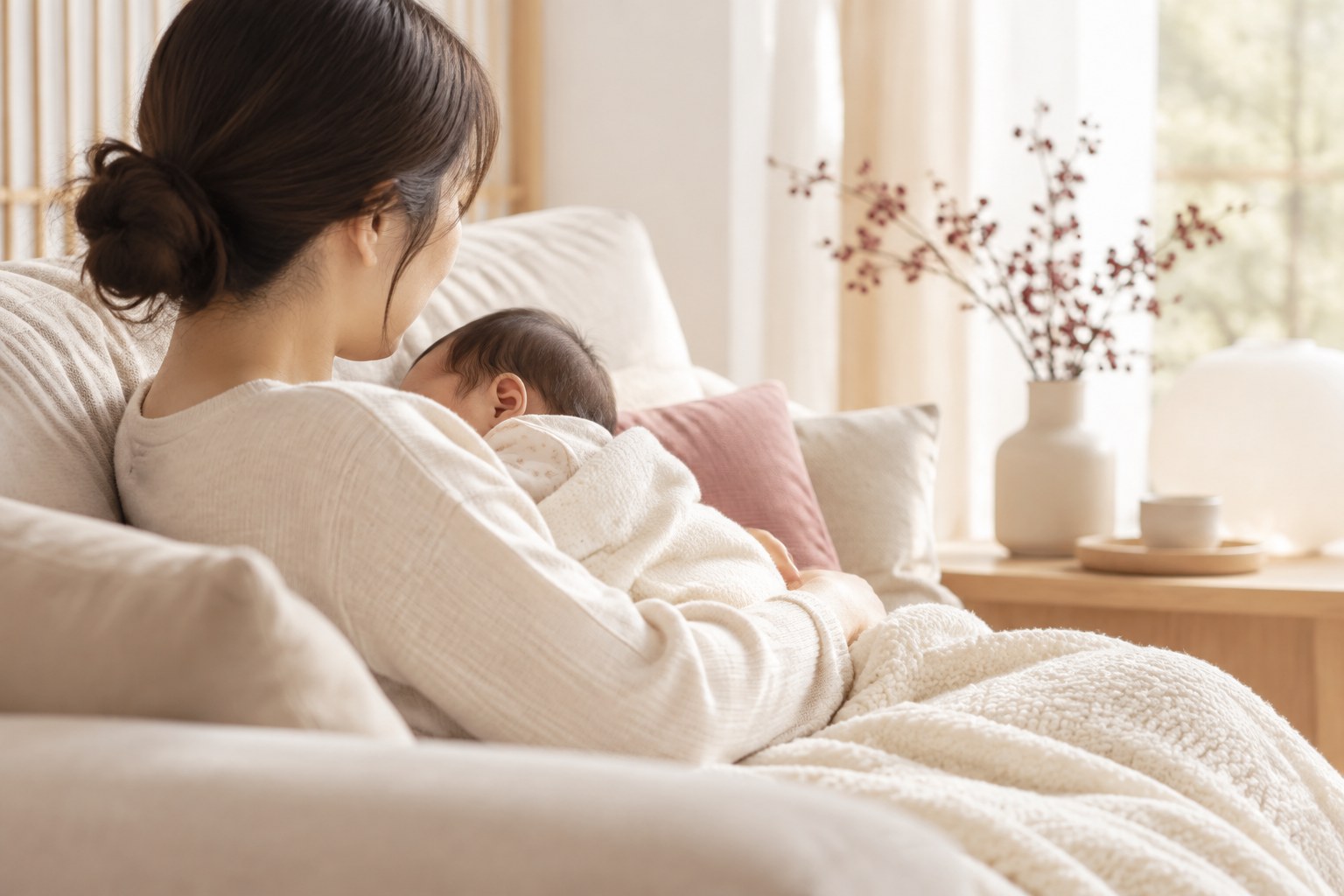 Women's HealthPostpartum Care (Examinations · Acupuncture and Moxibustion Treatment)After childbirth, do you feel like you are not recovering no matter how much you rest?Learn more
 Fatigue & Herbal TonicsChronic Fatigue · Herbal TonicsDo you still feel tired even after sleeping?Learn more
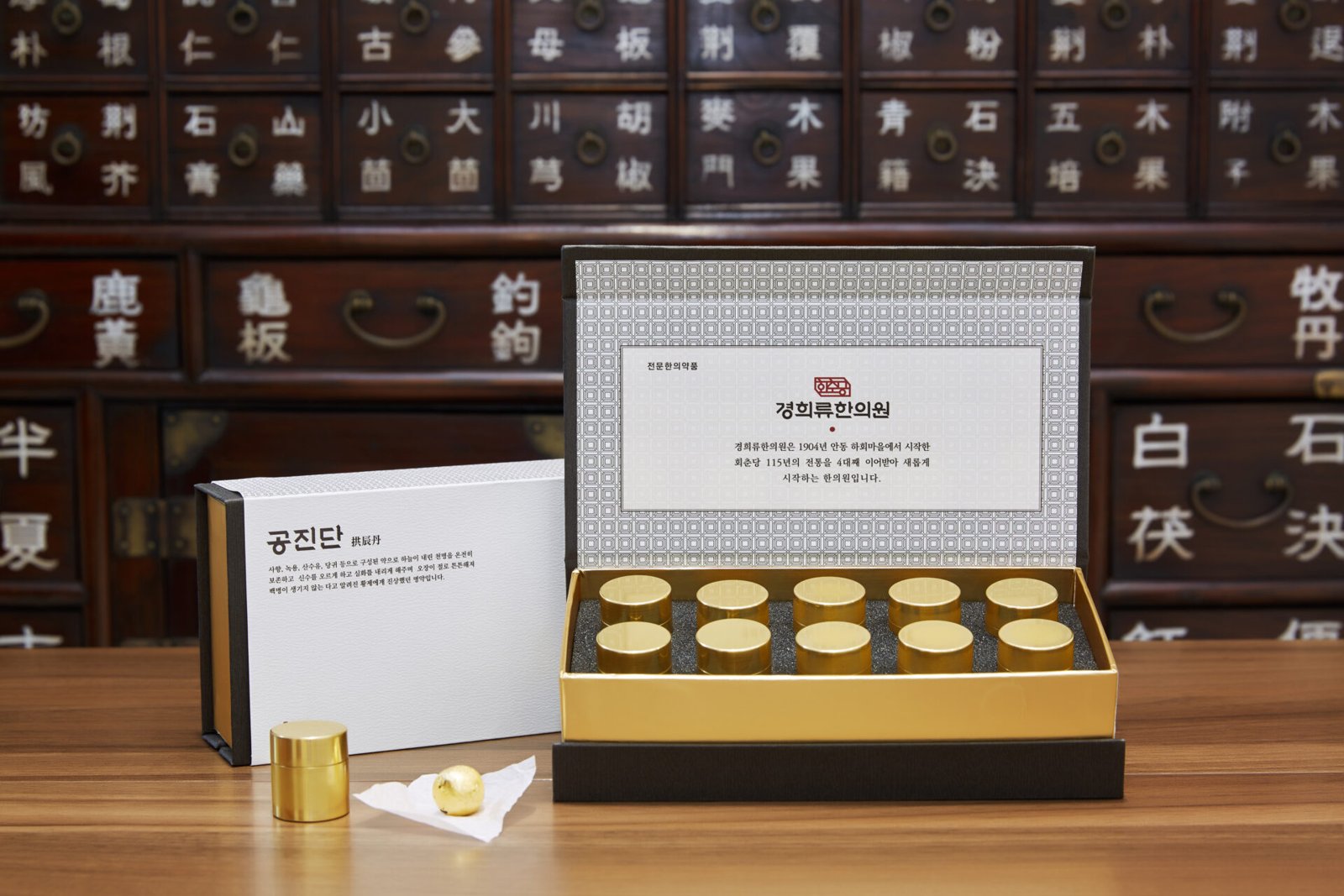 Fatigue & Herbal TonicsWonbang Sahyang GongjindanWhen you always feel low on energy and tire easily, Sahyang Gongjindan prepared according to the original formulaLearn more
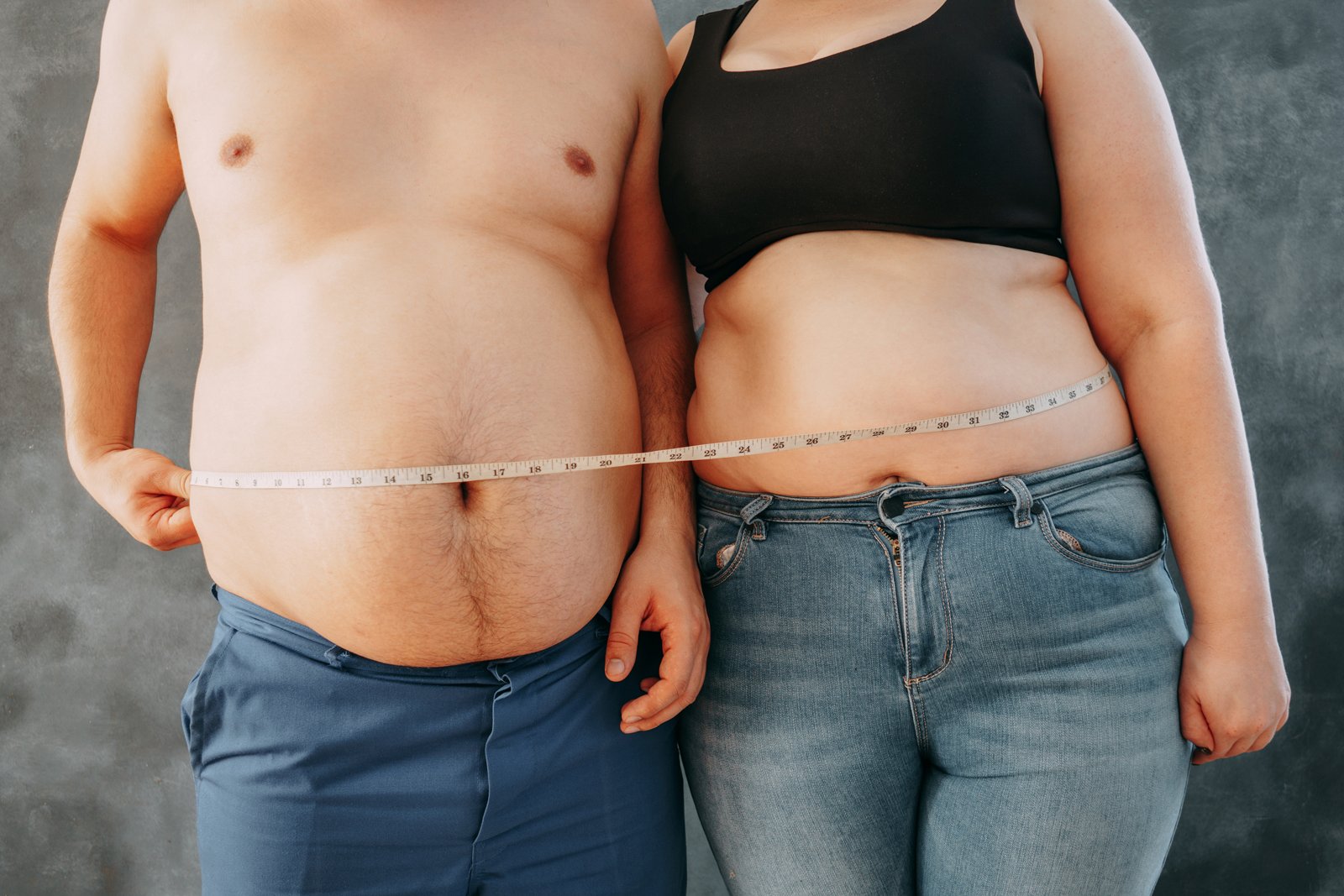 Metabolism, Circulation & ParalysisWeight Management · EdemaA body that does not lose weight easily even with less food, and always feels swollen and heavyLearn more
 Personalized Diet ProgramsPrenatal · Postpartum Weight Management (Beauty Clinic)After childbirth, when should you start managing weight that has not returned?Learn more
RESERVATION
Postpartum Restorative Herbal Medicine:
start with a consultation
Leave your details and we will contact you in order during clinic hours. First-time visitors are welcome — we start by carefully understanding your current condition.
+82-2-792-1904- Mon · Tue · Wed · Thu09:30 – 19:30
- Fri09:30 – 18:30
- Sat09:30 – 14:30 (open without a lunch break)
- LunchWeekdays 13:30 – 14:30