
Main ClinicDigestive Disorders
ULCERATIVE COLITIS · CROHN'S DISEASE
Ulcerative Colitis · Crohn's Disease
Do abdominal pain and diarrhea come back just when you thought you were getting better, making everyday life feel uncertain?
Ulcerative colitis and Crohn's disease are inflammatory bowel diseases that require long-term management. We review your current treatment and test results together, and help manage symptoms with Korean medicine treatment that supports your constitution, vitality, and spleen-stomach and intestinal function.
of Hoechundang care
- POINT 01
A customized prescription that distinguishes constitution and deficiency-excess (虛實) while looking at spleen-stomach and intestinal function together
- POINT 02
Checking digestive function, vitality, and autonomic nervous system status with electrogastrography, Ryodoraku, and HRV
- POINT 03
Medical team members with backgrounds in gastroenterology who participated in experimental colitis studies on Bojanggeonbitang, honeysuckle flower, elm root bark, and more
01SELF CHECK
Are you experiencing these difficulties?
0/ 6
Tap the items that apply to you.
02WHY IT HAPPENS
How are ulcerative colitis and Crohn's disease different?
Inflammatory bowel disease is a condition in which the immune system of the intestinal lining becomes abnormally activated, causing excessive inflammation. The lining is damaged, leading to impaired absorption and secretion, with abdominal pain, repeated diarrhea, mucus in the stool, bloody stool, and weight loss. In Korea as well, prevalence has increased, with reports of a 33% increase over 5 years.
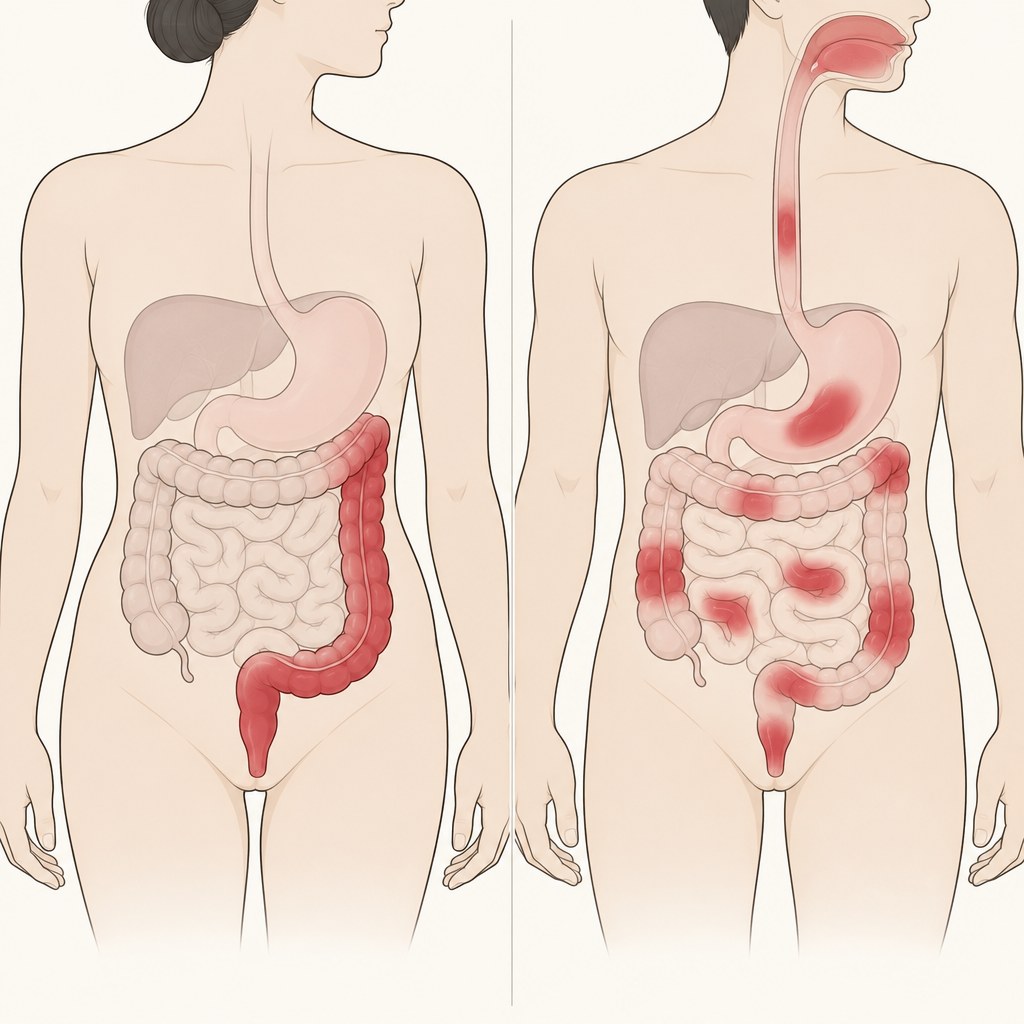
- 01
Ulcerative Colitis
Inflammation is limited to the mucosa or submucosa of the large intestine. It is characterized by continuous findings starting from the rectum, such as mucosal swelling, redness, exudate, and loss of vascular pattern.
- 02
Crohn's Disease
Inflammation can occur in any part and in all layers of the intestine. Lesions are often patchy rather than continuous.
- 03
Immunity · Environment · Gut Microbiota
The exact cause has not yet been identified, and multiple factors are thought to be involved. Possible causes include an excessive immune response in the body, including accompanying autoimmune disease, Westernized lifestyle habits, and metabolites produced by changes in the gut microbiota.
- 04
Family History · Stress · Smoking
Reports indicate that prevalence within families is much higher than in groups without such history. Psychological stress also has an effect, and in Crohn's disease, smoking may promote onset and worsen symptoms.
In Korean medicine, this is understood within the categories of jangbyeok (腸澼: diarrhea mixed with mucus and blood), byeonhyeol (便血: bloody stool), diarrhea (泄瀉), and abdominal pain (腹痛). Jeokchwi (積聚: a lump or mass in the abdomen), hyusikri (休息痢: dysentery that stops and then starts again), and guri (久痢: long-standing dysentery) also belong here. Depending on the condition and constitution, we distinguish deficiency and excess and treat based on spleen-stomach and intestinal function.
03WHY TREAT EARLY
Frequent relapses mean steady management is needed
Lifestyle habits, stress, and immunity often interact in complex ways, so symptoms may improve and then flare up again. In Western medicine, oral or enema steroids are often used first, but many people find it hard to continue them because of side effects or intolerance. The longer symptoms continue, the more time recovery may take, and low vitality, chronic fatigue, and weight loss can follow, so early management is important.
Surgery may be considered when there are findings such as toxic megacolon, intestinal obstruction due to perforation or stricture, fistula, abscess, uncontrolled bleeding, or malignant tumor findings.
CONSULTATION
Consider a consultation before symptoms become long-standing
If you bring your test results, we will review your current condition together.
PROCESS
How Care Proceeds
- 01
Consultation · Pulse Diagnosis
We listen carefully to your symptoms, lifestyle habits, and treatment history, then assess your condition through pulse and tongue diagnosis.
- 02
Detailed Testing
We check organ function, energy level, and autonomic nervous system balance with tests suited to your condition.
- 03
Pattern Identification · Diagnosis
We combine your test results and constitution to find the underlying cause of your symptoms.
- 04
1:1 Customized Prescription
We design the needed treatments for each person, including herbal medicine, acupuncture, pharmacopuncture, and moxibustion.
- 05
Progress Management
We monitor your progress through regular tests and consultations and adjust prescriptions as needed.
04DIAGNOSIS
We check digestive and colon function and vitality status
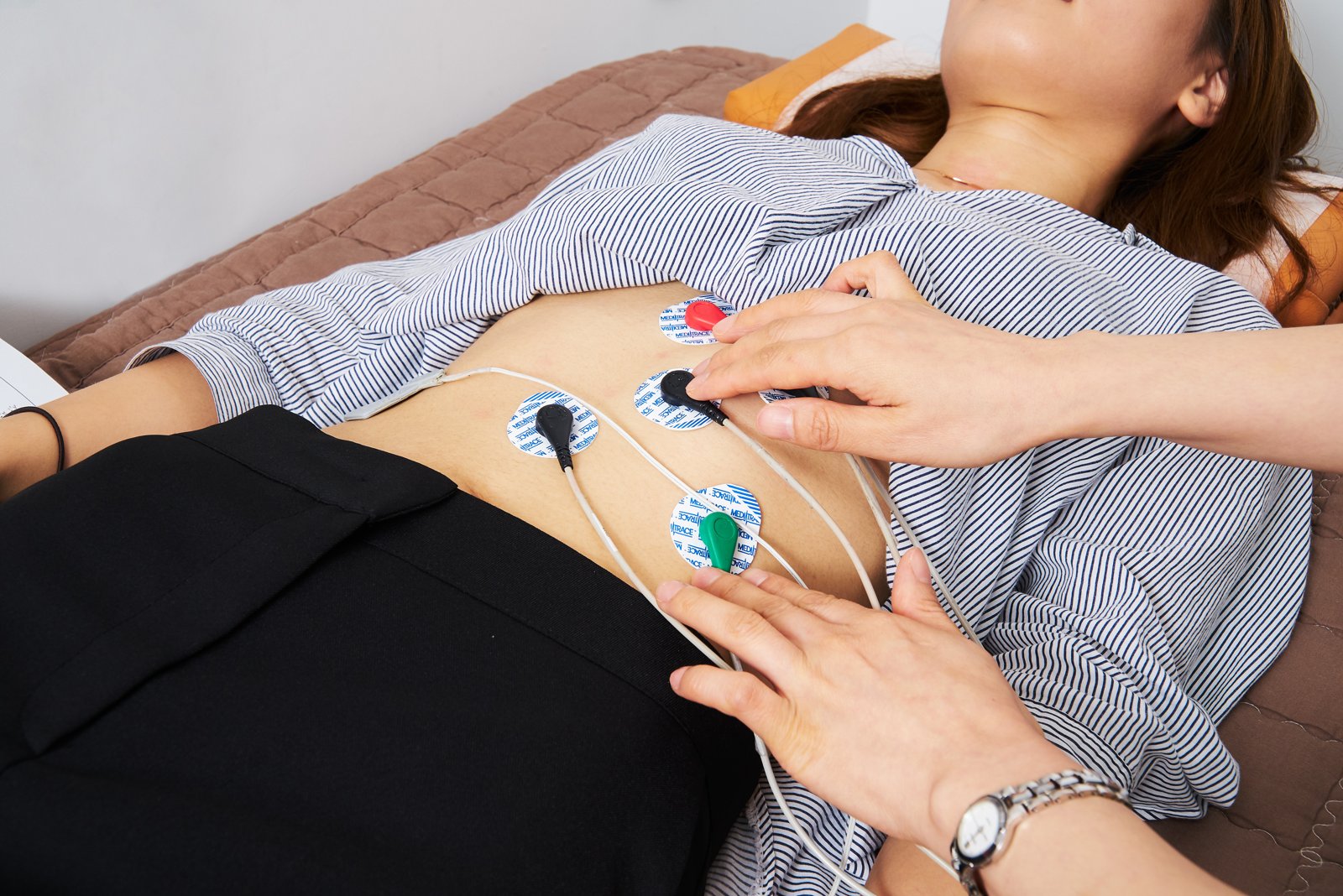 TEST 01
Electrogastrography
This evaluates digestive function. It is the starting point for a treatment plan based on spleen-stomach and intestinal function.
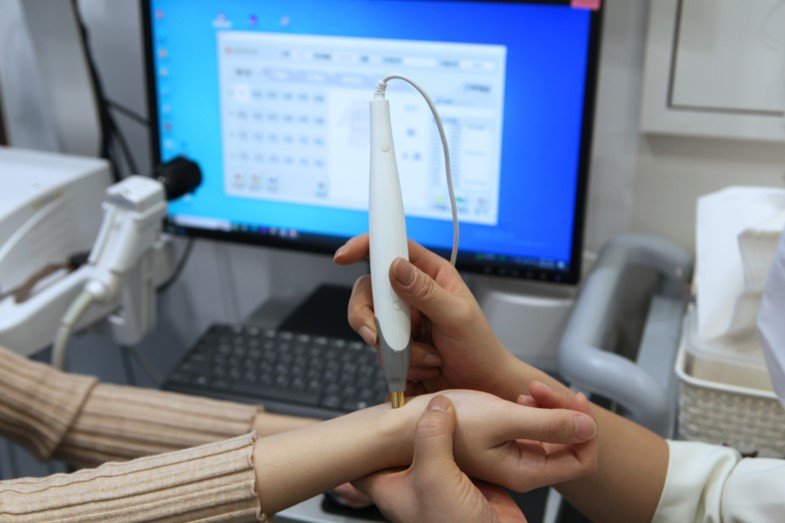 TEST 02
Ryodoraku Meridian Function Test
This test measures organ and meridian function at acupuncture points on the hands and feet to assess overall vitality and the deficiency-excess pattern of the condition. If vitality is too low, urgently treating only intestinal symptoms such as diarrhea may lead to relapse or slower recovery, so understanding vitality is important.
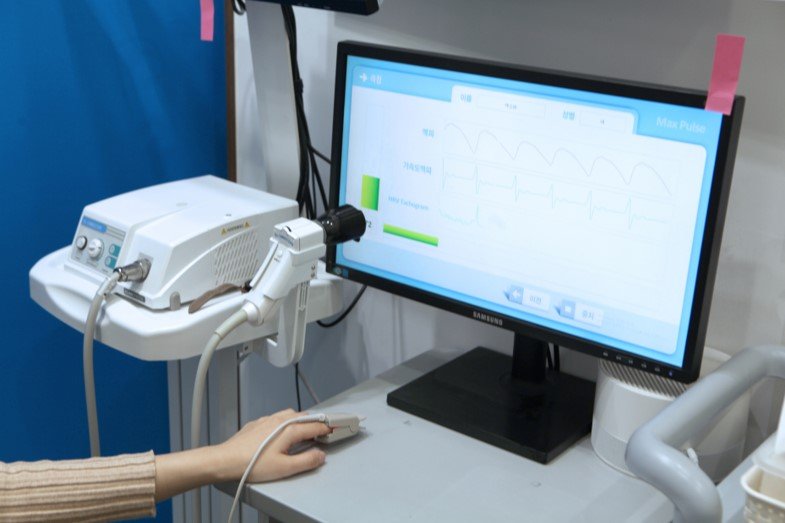 TEST 03
Heart Rate Variability (HRV) Test
Autonomic nervous system imbalance can slow digestive movement and increase intestinal sensitivity. Because intestinal symptoms are often affected by stress, it is important to check and stabilize the balance between the sympathetic and parasympathetic nerves.
Please be sure to bring your blood test and endoscopy reports, as well as any medications you are currently taking. We determine the prescription after reviewing the progress of your current treatment together.
05TREATMENT
We care for spleen-stomach and intestinal function together
Considering the patient's condition and constitution, we distinguish deficiency and excess and treat based on spleen-stomach and intestinal function. When the cause is not clear, management is needed to reduce inflammation and help restore intestinal movement to a normal pattern.
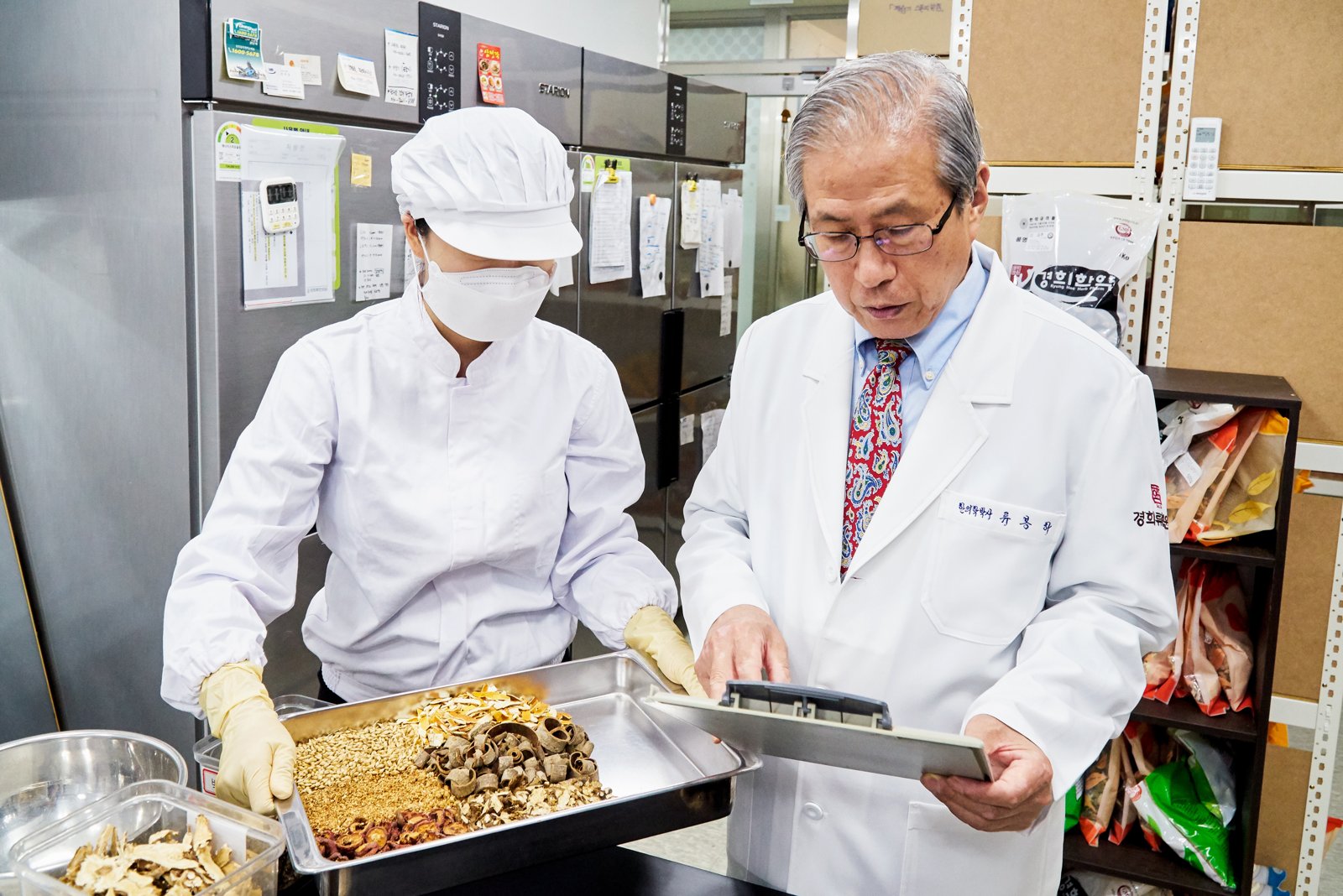
One-on-One Personalized Herbal Medicine
Prescriptions vary according to symptom severity, how long you have had the condition, relapse patterns, and lifestyle habits. After the consultation, we decide whether to use a treatment medicine to reduce discomfort or a “treatment and tonic” approach that also replenishes digestive function and vitality weakened by long-standing diarrhea.
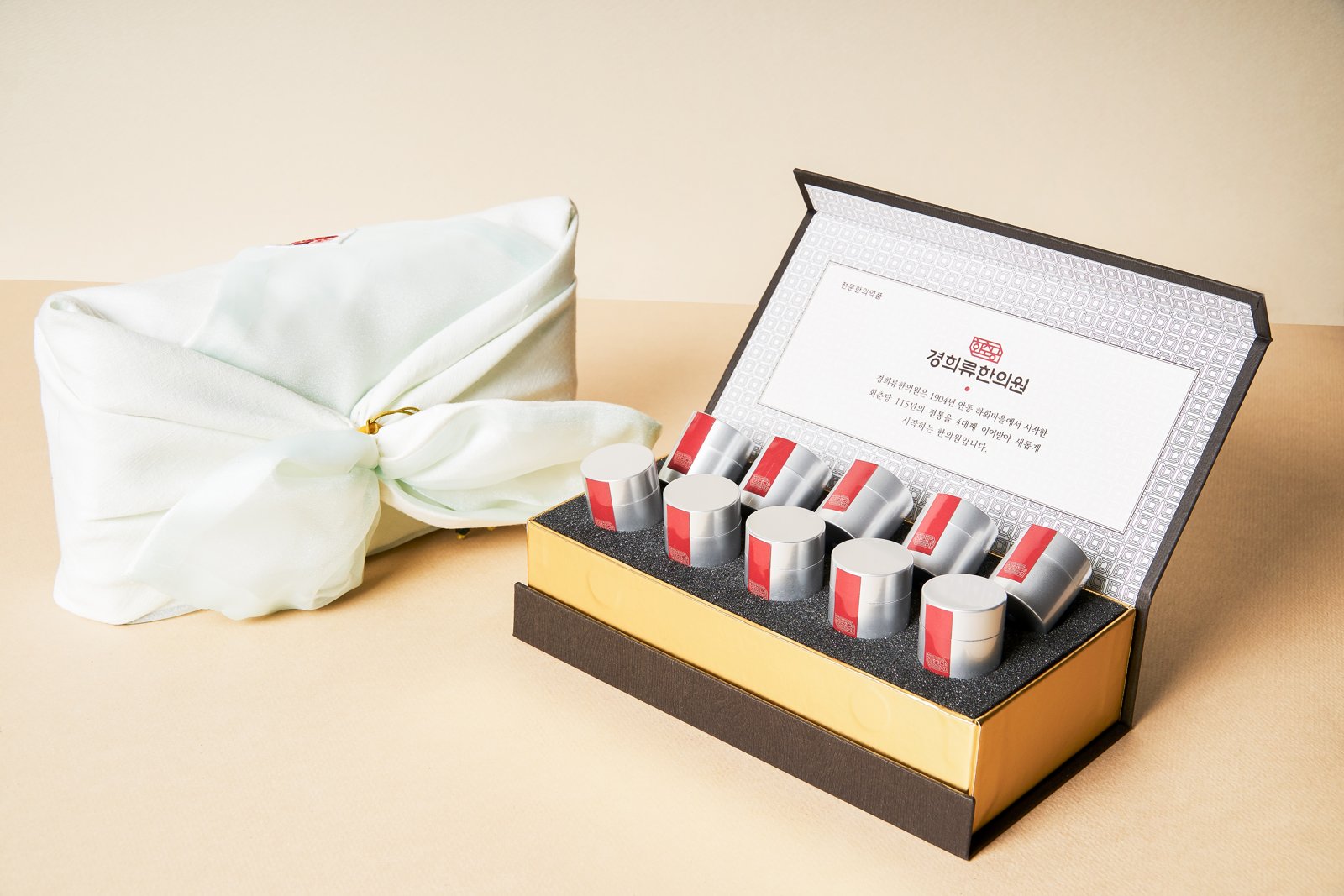
Bowi Gongjindan (補胃供辰丹)
When long-standing diarrhea reduces digestion and absorption, vitality inevitably weakens. This prescription is formulated with deer antler as the base, plus atractylodes and amomum fruit, ginseng and astragalus, to care for both a weak constitution and chronic digestive disorders.
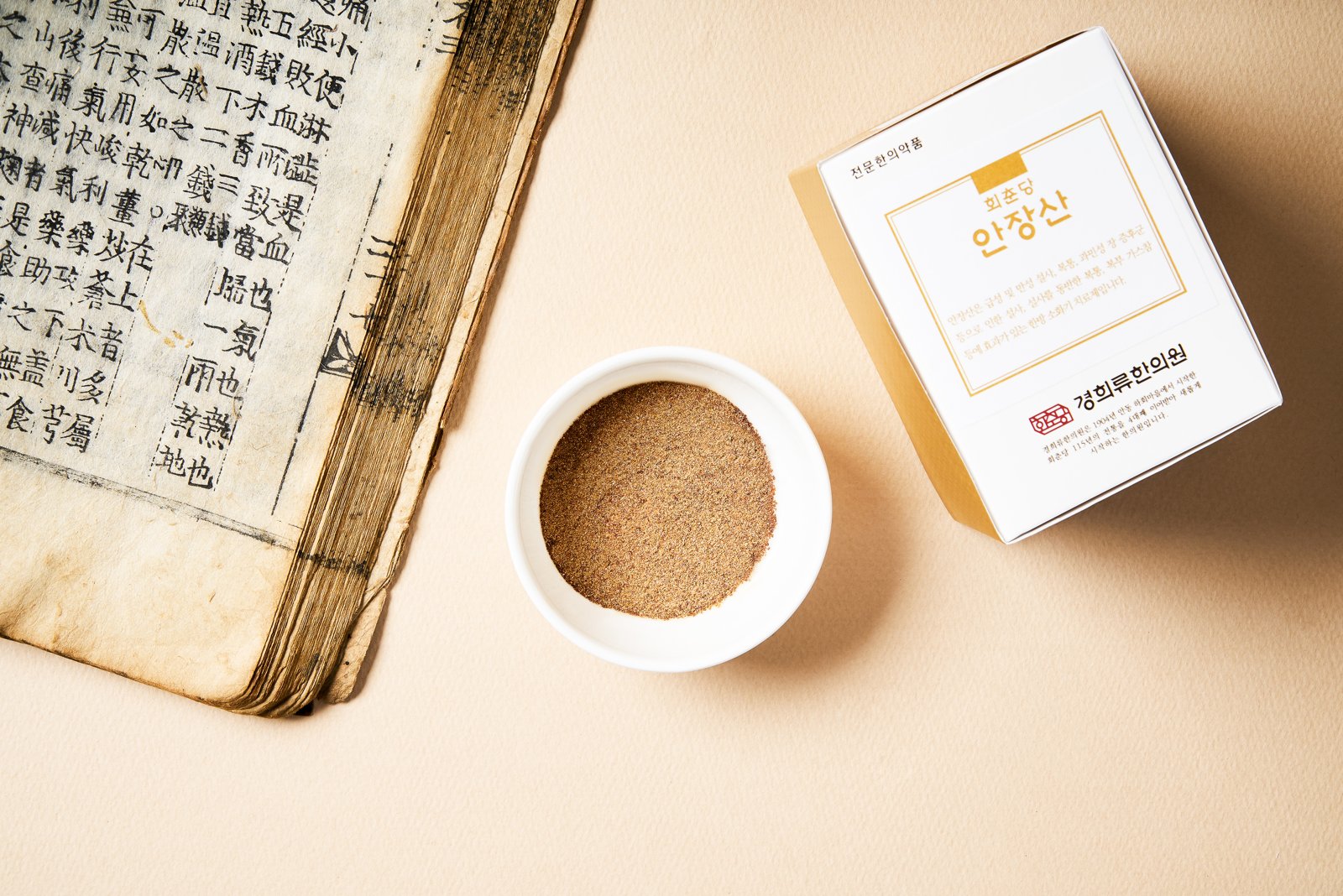
Anjangsan (安腸散) and Other Extract Powders
Anjangsan, developed by Dr. Bongha Ryu, Honorary Director, and similar formulas are prescribed after decoction treatment has stabilized, for maintenance by calming the intestines, helping stop diarrhea, and supporting normal bowel movements.
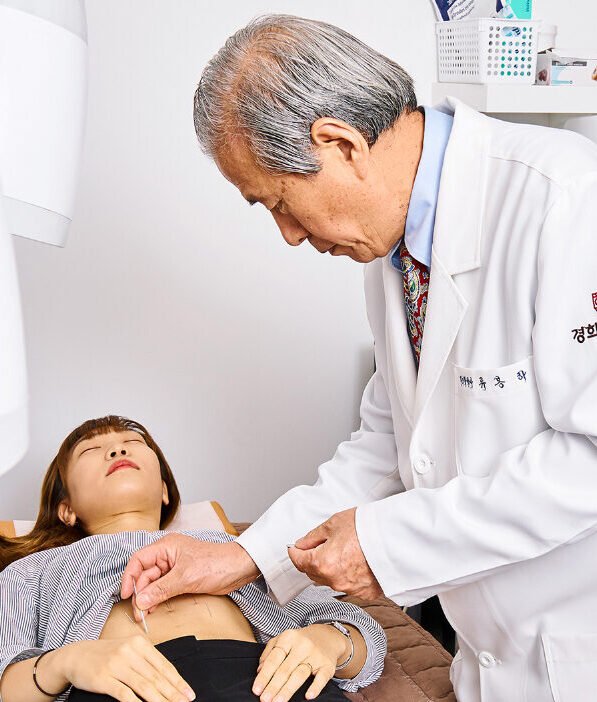
Bowi · Bojang Acupuncture and Moxibustion
Most patients receive steady treatment 2–3 times a week while taking herbal medicine. At each treatment, we review the treatment plan going forward and lifestyle habits that need to be changed.
- Bowi · Bojang acupuncture: We use acupuncture points on the abdomen, back, arms, and legs according to symptoms and pattern identification, and help regulate an imbalanced autonomic nervous system.
- Large moxibustionThis is a large moxibustion treatment that covers the entire abdomen, warming a cold abdomen to support digestive movement.
06EXPERTISE
Medical team that has studied inflammatory bowel disease
About 200 research papers on digestive system disorders (Gastroenterology Team during service at Kyung Hee Medical Center)

Presidential Physician · Twice Served as Director of Kyung Hee University Korean Medicine Hospital
Dr. Bongha Ryu, Honorary Director
- PhD in Korean Medicine Internal Medicine, Graduate School of Korean Medicine, Kyung Hee University
- Head Professor of Gastroenterology, College of Korean Medicine, Kyung Hee University
- Twice Served as Director of Kyung Hee University Korean Medicine Hospital, Kyung Hee Medical Center
- Former Presidential Physician for President Lee Myung-bak
Digestive SystemRespiratory SystemFatigue · Tonic Herbal Medicine

4th-Generation Korean Medicine Doctor · Korean Medicine Internal Medicine Specialist
Dr. Hansung Ryu, Chief Director
- Specialist Training, Korean Medicine Cancer Center, Kyung Hee University Korean Medicine Hospital at Gangdong
- Training at a Harvard Medical School-affiliated hospital (Joslin Diabetes Center)
- Training at the Block Center (Integrative Cancer Center, USA)
- Researcher in the Development of Korean Medicine Standard Clinical Practice Guidelines for Cancer Symptom Relief
SkinDigestive SystemDiabetes · MetabolismConstitutional Immunity & CancerPain · Traffic Accidents
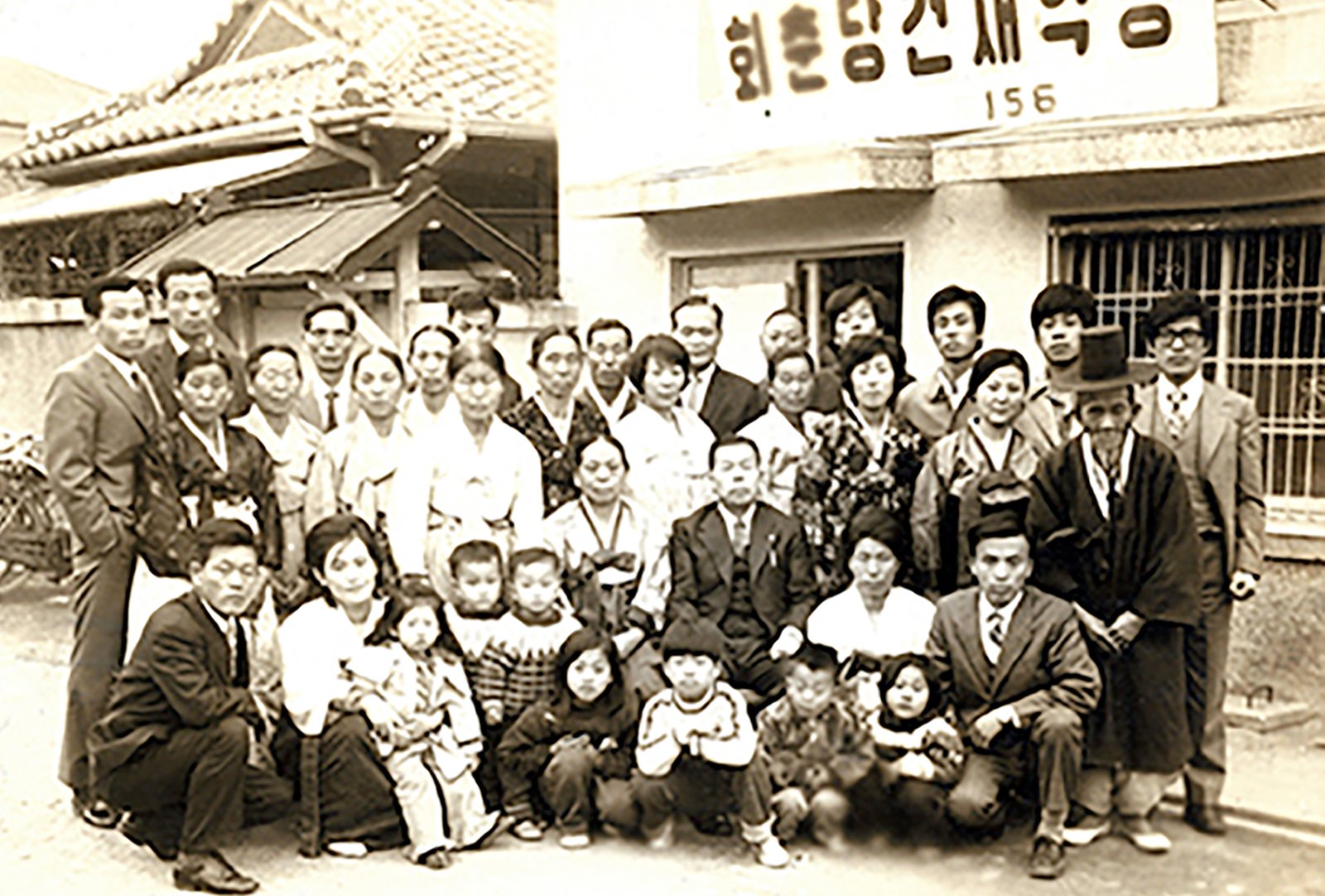
- Third- and fourth-generation family medical team continuing the Hoechundang tradition since 1904
- Former physician to President Lee Myung-bak; twice served as Director of Kyung Hee University Korean Medicine Hospital (Dr. Bongha Ryu, Honorary Director)
- All family medical team members are from Kyung Hee University Korean Medicine Hospital; father and son are Korean internal medicine specialists
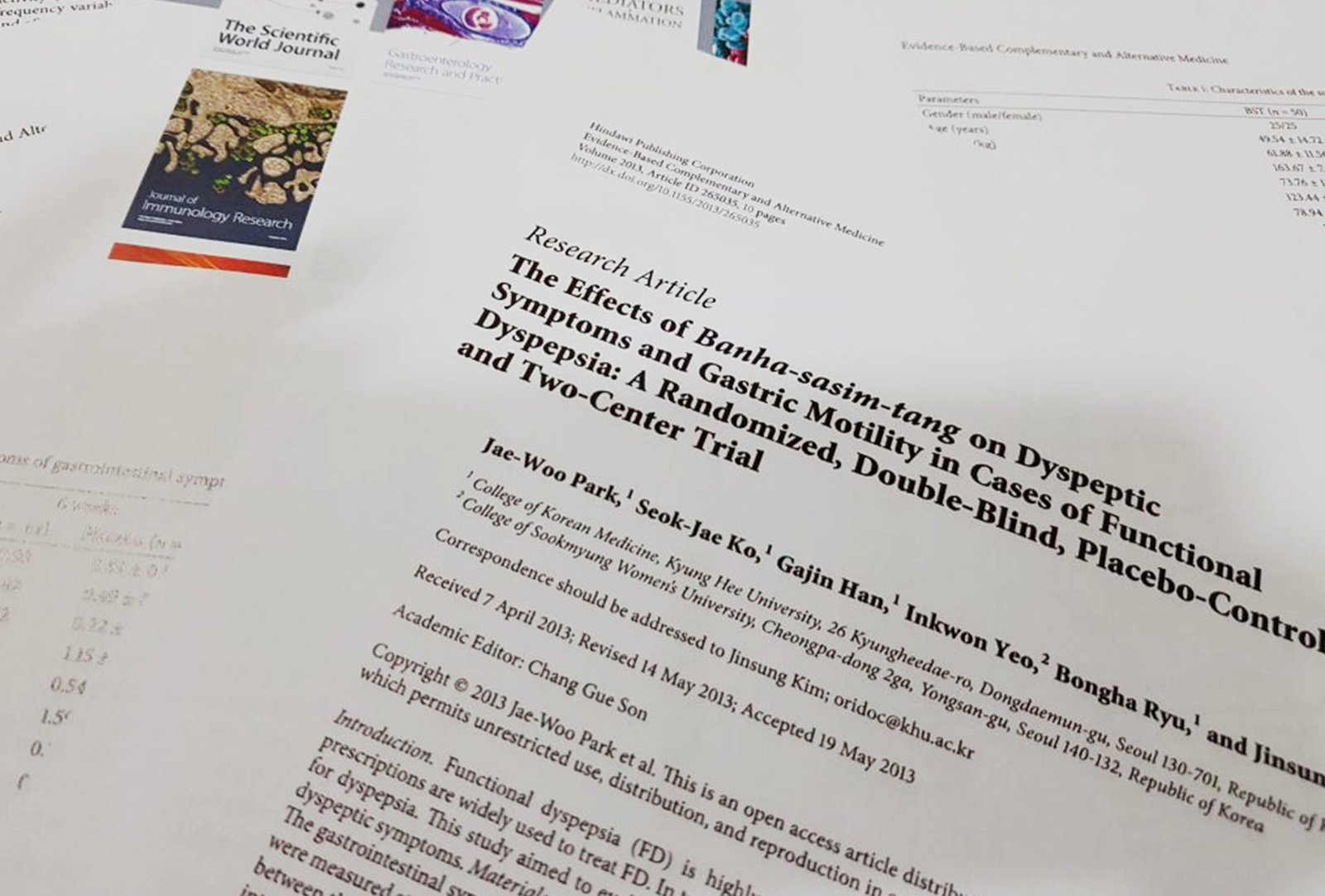
- About 200 papers by the medical team; participation in studies related to colitis in SCI-level international journals
Related research
Prophylactic effects of Lonicera japonica extract on dextran sulphate sodium-induced colitis in a mouse model by the inhibition of the Th1/Th17 response
In a study in a mouse model (DSS) that induced inflammatory bowel disease with diarrhea, bloody stool, and other findings, honeysuckle flower extract was administered twice daily for 7 days. The study reported that colon length shortening, weight loss, and tissue damage were significantly inhibited in a dose-dependent manner. Significant inhibition of immune T cell-related inflammatory substances (IL-1β, TNF-α, interferon-γ, IL-6, IL-12, IL-17) was also observed (animal study, SCI-level journal).
Bojanggunbi-tang, a traditional Korean herbal prescription, ameliorates colonic inflammation induced by dextran sulfate sodium and 2,4,6-trinitrobenzene sulfonic acid in mice
In a study in mouse models with colitis induced by DSS and TNBS, Bojanggeonbitang, a formula commonly prescribed for ulcerative colitis, was administered for 7 days. Significant effects in preventing weight loss, colon length shortening, and tissue damage were reported in both models, and a significant improvement in survival rate was reported in the TNBS model (animal study, SCI-level journal).
Effects of Soyeomjeongjangtang (消炎整腸湯) on DSS-Induced Ulcerative Colitis in Mice
In a study in colitis-induced mice using Soyeomjeongjangtang (消炎整腸湯), developed by Dr. Bongha Ryu, Honorary Director, the treated group was reported to show greater recovery of colonic mucosal inflammation, shedding, and edema, and significantly decreased expression of COX-2, IL-1β, and IL-6. The activity of fecal enzymes that promote colorectal cancer development (chondroitinase, tryptophanase, β-glucuronidase, β-glucosidase) also decreased significantly (animal study).
Protective effects of Ulmus macrocarpa on experimental colitis mice models
In a Crohn's disease mouse model induced by DSS and TNBS, elm root bark extract was reported to help prevent colon length shortening and visible colon damage, and to be effective in reducing clinical discomfort (animal study).
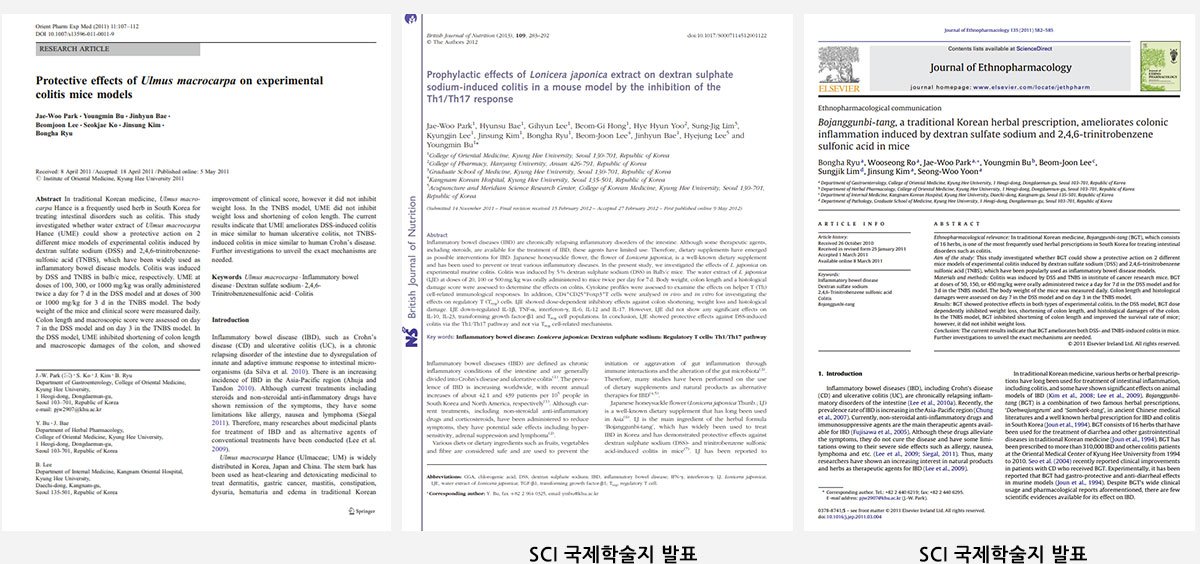
The above information describes research findings reported in animal studies and does not mean or guarantee treatment effects in humans.
WHY HOECHUNDANG
Why Choose Hoechundang Kyunghee Ryu Korean Medicine Clinic
- 01
For 4 Generations Since 1904
For 4 generations, we have carried on Hoechundang’s treatment principle of seeing the stomach and intestines as the foundation of health.
- 02
Family Medical Team from Kyung Hee University Korean Medicine Hospital
Dr. Bongha Ryu, Honorary Director, who twice served as director of Kyung Hee University Korean Medicine Hospital and as a presidential physician; Dr. Hansung Ryu, Chief Director, a Korean medicine internal medicine specialist; and Dr. Seungwon Baek, Director, first author of an SCI-level paper on women’s health, provide care together.
- 03
Prepared In-House at Our Herbal Medicine Research Lab
Based on the research of our affiliated Herbal Medicine Research Institute, we prepare prescriptions in-house and use verified herbal ingredients at a level supplied to Kyung Hee University Korean Medicine Hospital.
- 04
15 Acupuncture and Moxibustion Treatment Rooms
We expanded our treatment rooms so patients can receive a variety of treatments, such as acupuncture, pharmacopuncture, Cupping, large moxibustion, radiofrequency, thermal dome therapy, Chuna Manual Therapy, and traction therapy, with minimal waiting.
07FAQ
Frequently Asked Questions
QCan I receive care together with the Western medical treatment I am receiving now?
We determine the prescription after reviewing your current treatment, blood and endoscopy test results, and medications you are taking at the visit. Do not stop your existing treatment on your own without consulting your medical team.
QI heard inflammatory bowel disease is difficult to treat.
Because it is a chronic, intractable condition, treatment is not easy, and relapses are common even after symptoms improve. It is important to distinguish constitution and deficiency-excess, care for spleen-stomach and intestinal function and vitality together, and continue lifestyle management to help reduce relapse.
QI have Crohn's disease. Does smoking affect it?
Smoking is known to potentially promote the onset of Crohn's disease and worsen symptoms. Psychological stress and Westernized eating habits may also have an effect, so lifestyle management is needed as well.
QHow often should I receive acupuncture treatment?
It varies by person, but most patients receive steady treatment 2–3 times a week while taking herbal medicine.
CONSULTATION
Consider a consultation before symptoms become long-standing
If you bring your test results, we will review your current condition together.
RELATED
Related Digestive Disorders
 Digestive DisordersChronic Diarrhea · ConstipationDiarrhea or constipation that only improves briefly even with “good” medicine—are you silently enduring it?Learn more
 Digestive DisordersIrritable Bowel SyndromeDo you have unexplained abdominal pain and rumbling, making you feel anxious whenever you go out?Learn more
 Digestive DisordersGastrointestinal CancerDuring cancer treatment, are you unsure how to care for your exhausted body?Learn more
RESERVATION
Ulcerative Colitis · Crohn's Disease:
start with a consultation
Leave your details and we will contact you in order during clinic hours. First-time visitors are welcome — we start by carefully understanding your current condition.
+82-2-792-1904- Mon · Tue · Wed · Thu09:30 – 19:30
- Fri09:30 – 18:30
- Sat09:30 – 14:30 (open without a lunch break)
- LunchWeekdays 13:30 – 14:30