
Main ClinicDigestive Disorders
FUNCTIONAL DYSPEPSIA · DAMJEOK
Functional Dyspepsia · Damjeok (Phlegm Accumulation)
My endoscopy is normal, so why do I always feel bloated and have indigestion?
The main cause of functional dyspepsia is a gastric motility disorder, in which the stomach does not move properly. We check the stomach’s movement with testing and also address Damjeok (Phlegm Accumulation, 痰積) that has built up in the digestive tract.
of Hoechundang care
- POINT 01
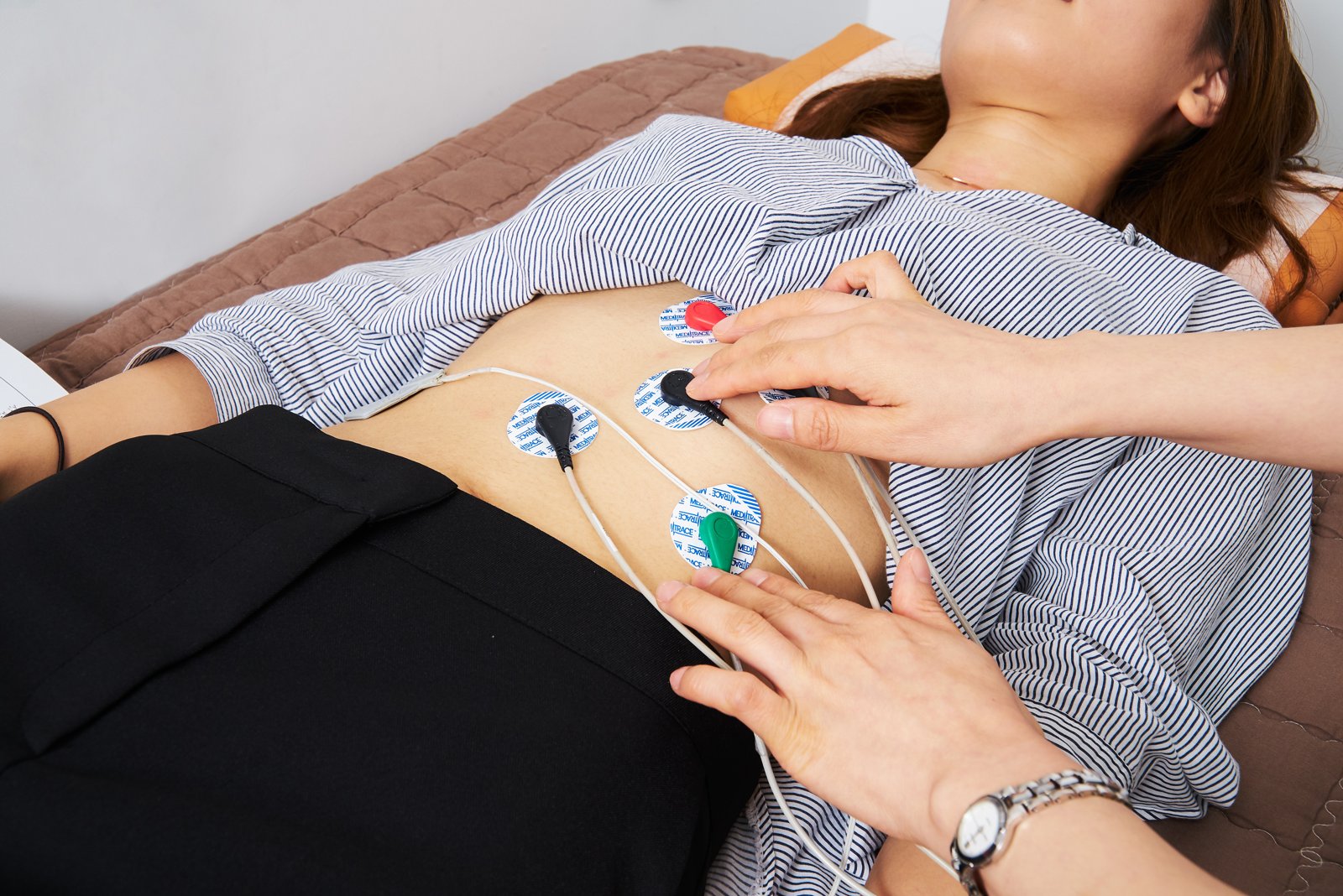
Check directly how well the stomach is moving with electrogastrography (EGG)
- POINT 02
Bowi (補胃) herbal medicine prescriptions that support both digestive function and vitality
- POINT 03
A medical team with a background in gastroenterology that has studied Korean medicine treatment for functional dyspepsia
01SELF CHECK
Do These Symptoms Keep Coming Back?
0/ 8
Tap the items that apply to you.
If any of these apply to you, Damjeok Disease may be considered. Your exact condition is confirmed through consultation and testing.
02WHY IT HAPPENS
Why Do Functional Dyspepsia and Damjeok Disease Occur?
Functional dyspepsia is a condition in which indigestion continues for a long time even though no abnormality is seen on gastroscopy. It may be regarded as “nervous stomach” and treated with sedatives, but the main cause is a gastric motility disorder, in which the stomach’s motor function is reduced. Gastric motility disorders occur for the following reasons.
- 01
Congenital Factors
This refers to being born with a constitutionally weak digestive function.
- 02
Acquired Factors
Irregular eating habits, excessive stress, lack of exercise, and Western-style eating habits can be causes. Misuse or overuse of alcohol or medications, or dysfunction of other organs, can also weaken the stomach.
- 03
Korean Medicine Factors
Deficiency of qi and blood (氣血), retained damp-phlegm (痰飮) in the stomach, deficiency of stomach fluids (津液), and blood stasis (瘀血) are the main causes. In order, these mean lack of energy, stagnation of digestive contents, lack of digestive fluids, and obstructed blood circulation.
- 04
Damjeok Disease (Phlegm Accumulation, 痰積病)
This is a condition in which food that has not been properly digested accumulates in the stomach and intestines as waste products called phlegm (痰), making digestive illness chronic. Because it reduces digestive function and motility and can worsen functional dyspepsia, we treat it together.
When damp-phlegm and blood stasis remain stagnant for a long time and progress to Damjeok Disease, the upper abdomen feels tight as if filled with gas and hurts when pressed. Heartburn, reflux, and a sensation of something stuck in the throat may also occur, and symptoms can appear throughout the body, such as headache, dizziness, chronic fatigue, anxiety, and sleep disorders.
03WHY TREAT EARLY
The More Often It Occurs and the Longer It Lasts, the Slower Recovery May Be
Functional dyspepsia is a common condition that accounts for 50~70% of patients with Digestive Disorders. Many people delay care because symptoms are not severe at first and come to the clinic late, but the longer it persists, the more difficult treatment can become and the more often it may recur. When digestive function declines, nutrition becomes insufficient, and a vicious cycle can develop in which vitality and immunity also decline.
Before it becomes chronic, focused treatment is needed to restore the stomach’s movement.
CONSULTATION
Consider a consultation before symptoms become long-standing
If you bring your test results, we will review your current condition together.
PROCESS
How Care Proceeds
- 01
Consultation · Pulse Diagnosis
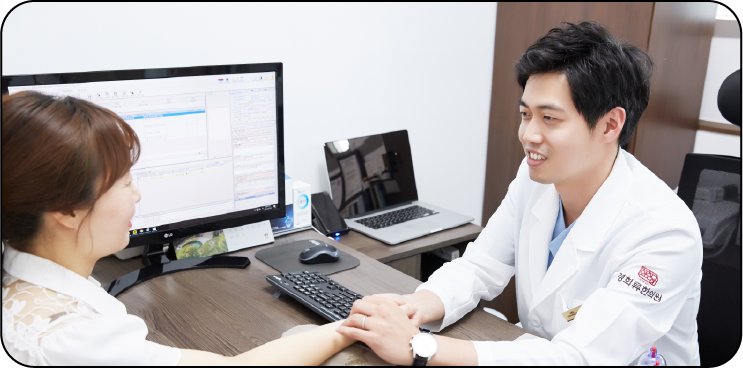
We listen carefully to your symptoms, lifestyle habits, and treatment history, then assess your condition through pulse and tongue diagnosis.
- 02
Detailed Testing
We check organ function, energy level, and autonomic nervous system balance with tests suited to your condition.
- 03
Pattern Identification · Diagnosis
We combine your test results and constitution to find the underlying cause of your symptoms.
- 04
1:1 Customized Prescription
We design the needed treatments for each person, including herbal medicine, acupuncture, pharmacopuncture, and moxibustion.
- 05
Progress Management
We monitor your progress through regular tests and consultations and adjust prescriptions as needed.
Helpful to bringIf you bring your blood test and endoscopy results, we can provide more thorough care.
04DIAGNOSIS
We Check the Stomach’s Movement, Vitality, and Autonomic Nerves with Testing
- TEST 01
Electrogastrography (EGG)
Using the stomach’s electrical signals, we check whether the stomach is moving properly and how much motility it has compared with normal. We compare gastric movement before and after meals to assess the ability to move food along. Only electrodes are attached to the abdomen, so unlike endoscopy, there is little pain or discomfort.
 TEST 02
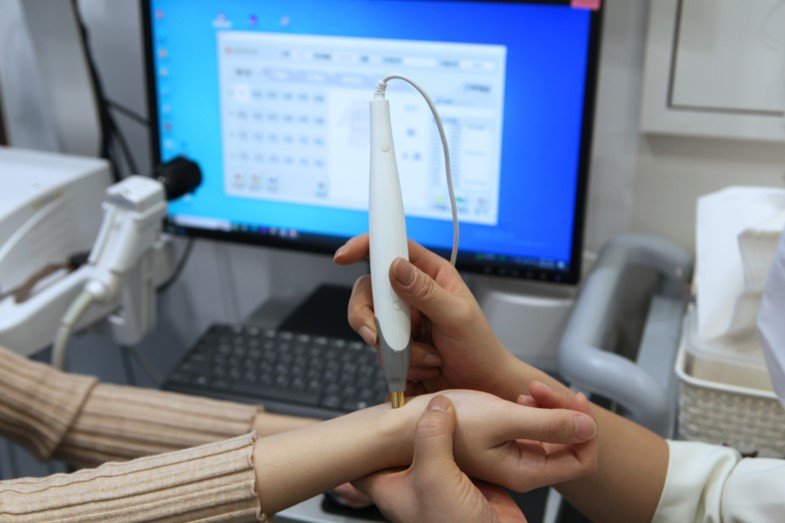
Ryodoraku Meridian Function Test
This test measures the functional activity of the organs and meridians at major acupuncture points on the hands and feet. It helps us understand overall vitality and the deficiency-excess pattern of the condition (虛實: whether energy is insufficient or blocked and overflowing), so we can establish a treatment plan and duration and use the information to help prevent recurrence.
 TEST 03
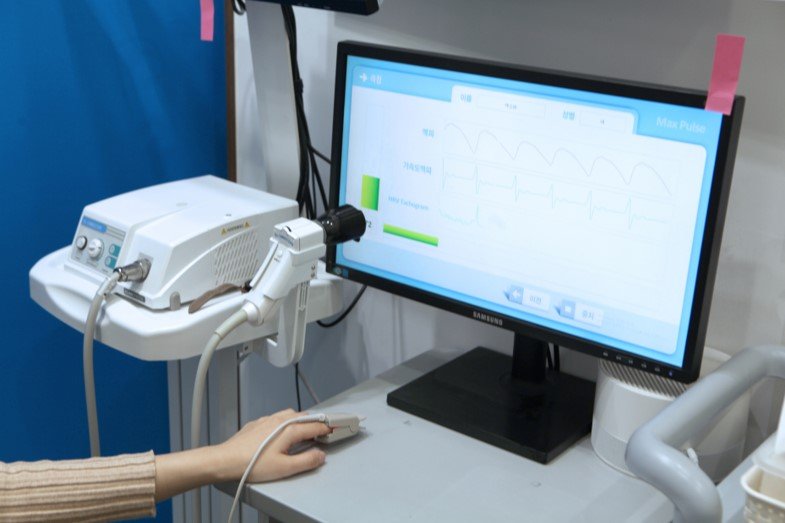
Hand Yangming Meridian Test (HRV)
When headache, dizziness, anxiety, depression, or sleep disorders are also present, this test checks whether autonomic nerve balance is disrupted or whether activity itself has declined. Metabolic activity and the stress index help us gauge the degree of recovery of the body and mind.
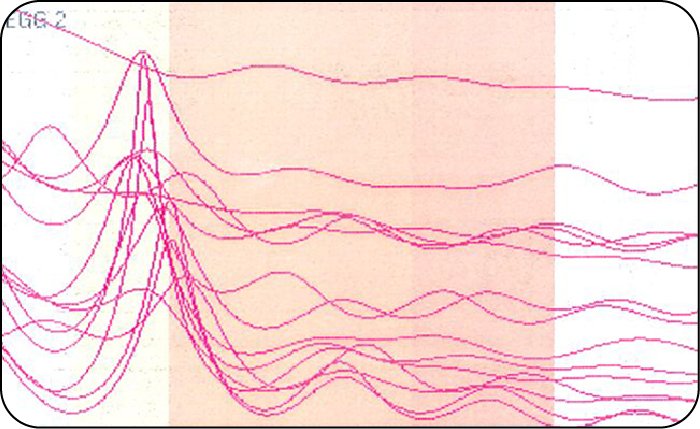
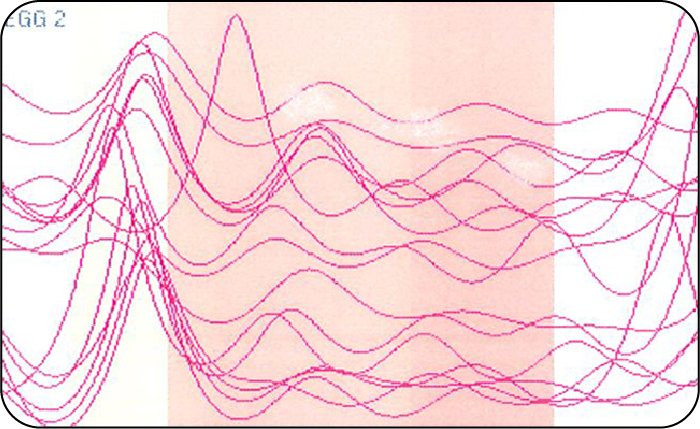
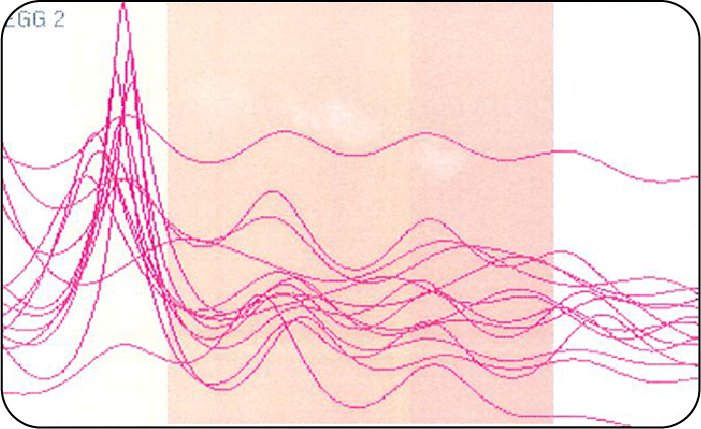
The weaker the stomach’s electrical signals are, the less the stomach moves and the lower the actual digestive ability becomes. Electrogastrography results are classified by movement compared with normal.
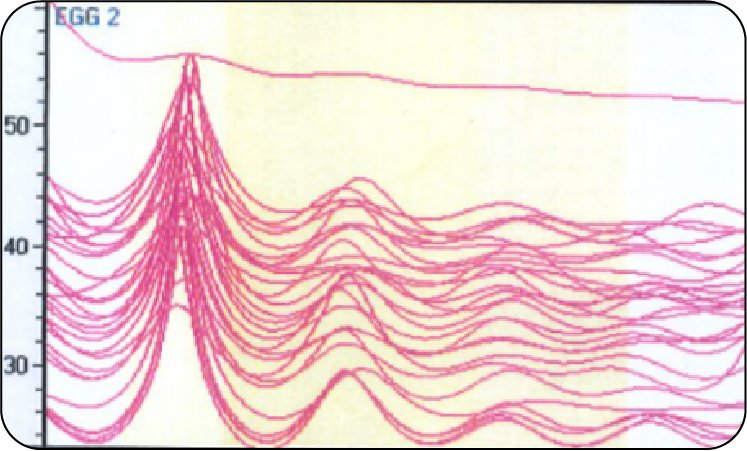
Mild Gastrointestinal Disorder
About 70% movement compared with normal
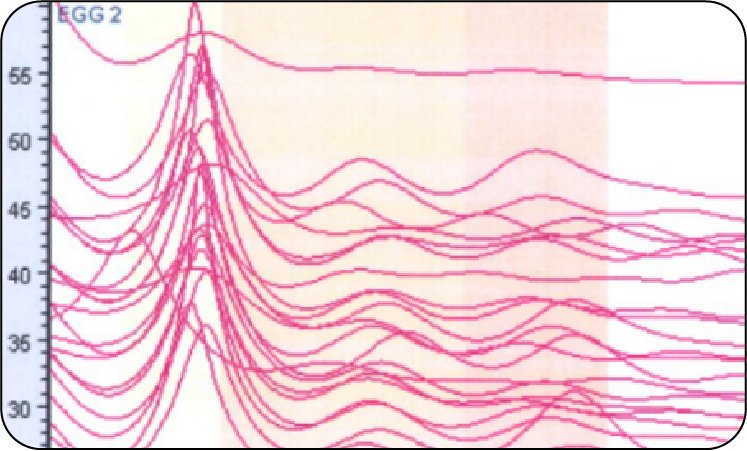
Moderate Gastrointestinal Disorder
About 40% movement compared with normal
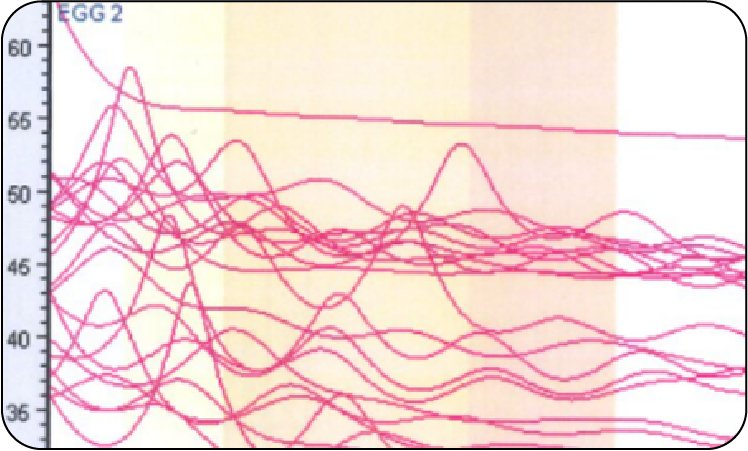
Severe Gastrointestinal Disorder
About 20% movement compared with normal
05TREATMENT
We Restore Stomach Movement and Reduce Damjeok
Treatment is designed in the following 8 directions. For functional dyspepsia and Damjeok Disease, we focus especially on restoring stomach movement and vitality, removing damjeok toxins, and stabilizing the autonomic nerves.
- 01Strengthen digestive function
- 02Restore digestive vitality
- 03Strengthen stomach movement
- 04Strengthen damaged gastric mucosa
- 05Ease chronic inflammation
- 06Toxin Removal from damjeok
- 07Increase abdominal temperature
- 08Ease autonomic nerve stress
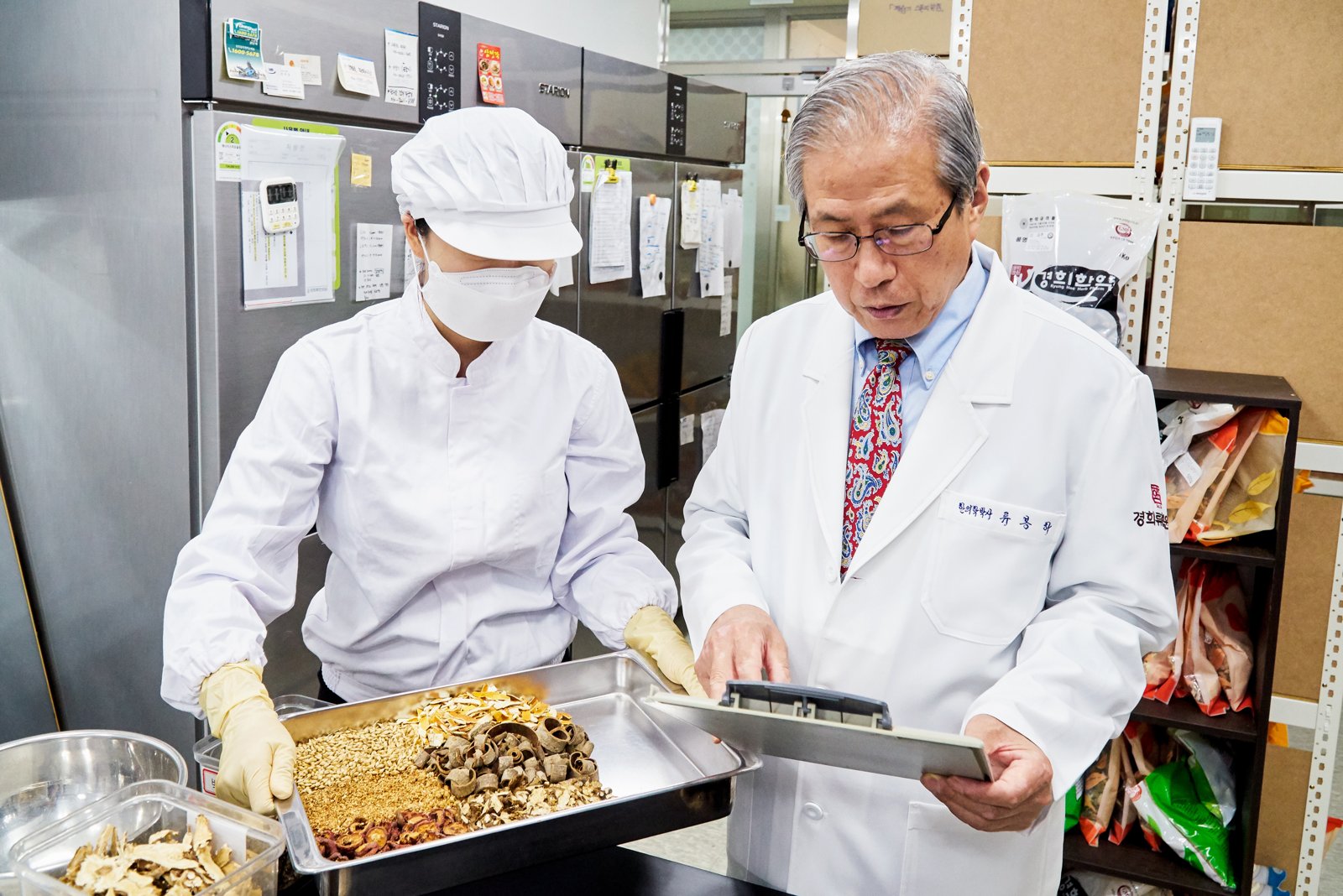
One-on-One Personalized Herbal Medicine
Because Korean medicine looks not only at the disease name but also at the person, prescriptions vary depending on constitution, symptom severity, how long the condition has been present, and lifestyle habits. After consultation, we decide whether to use medicine aimed at relieving discomfort or a “treatment and tonic” approach that also replenishes weakened digestive function and vitality. Herbs are adjusted according to symptoms (加減: adding and subtracting).
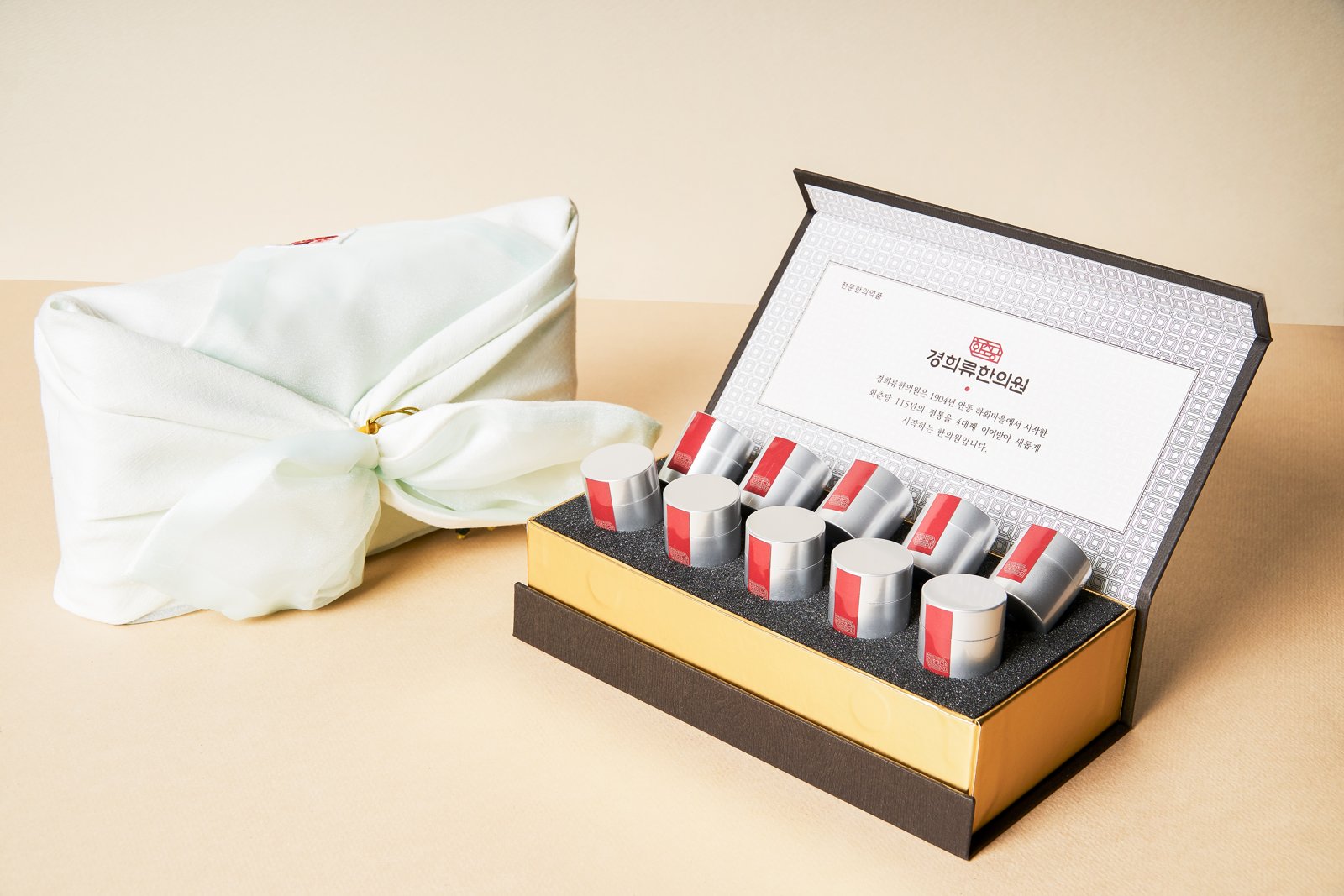
Bowi Gongjindan (補胃供辰丹)
When chronic gastrointestinal disorder reduces digestion and absorption, appetite decreases and vitality can also weaken. This formula adds Atractylodes and Amomum, which support the spleen and stomach (脾胃: digestive organs), along with ginseng and astragalus, which tonify qi (氣), to care for both a weak constitution and chronic gastrointestinal disorder. We reduced the amount of costly musk and added agarwood, which supports qi and blood circulation, to lower the cost burden and make it suitable for longer-term use.
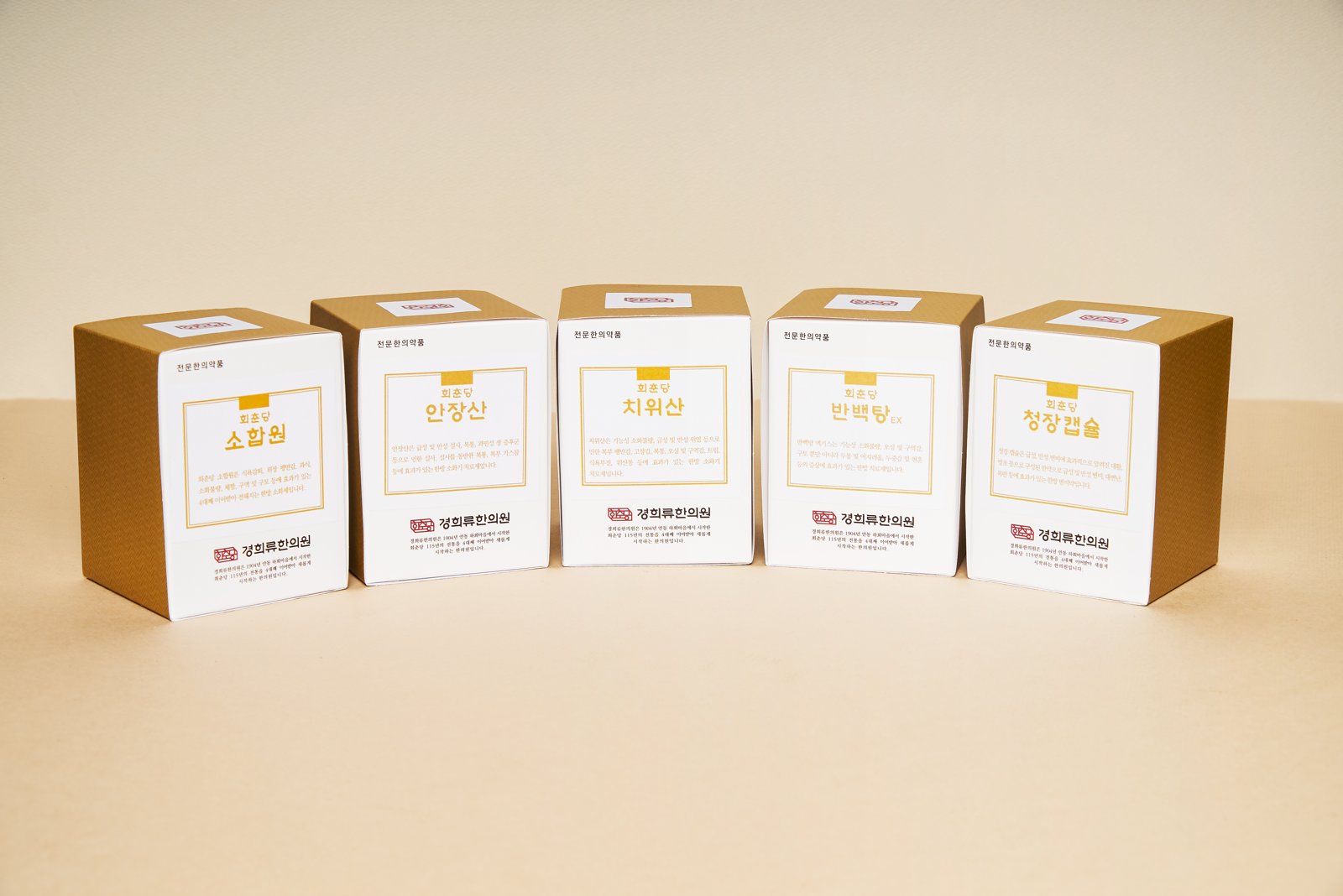
Chiwisan (治胃散) and Other Extract Powders
Using the “high-concentration decoction extract method” of our In-House Herbal Medicine Research Lab, herbal decoctions simmered for about 3 hours are made into powdered medicine for convenient carrying and dosing. They are mainly prescribed after treatment with decoctions has stabilized the condition, to help maintain improvement.
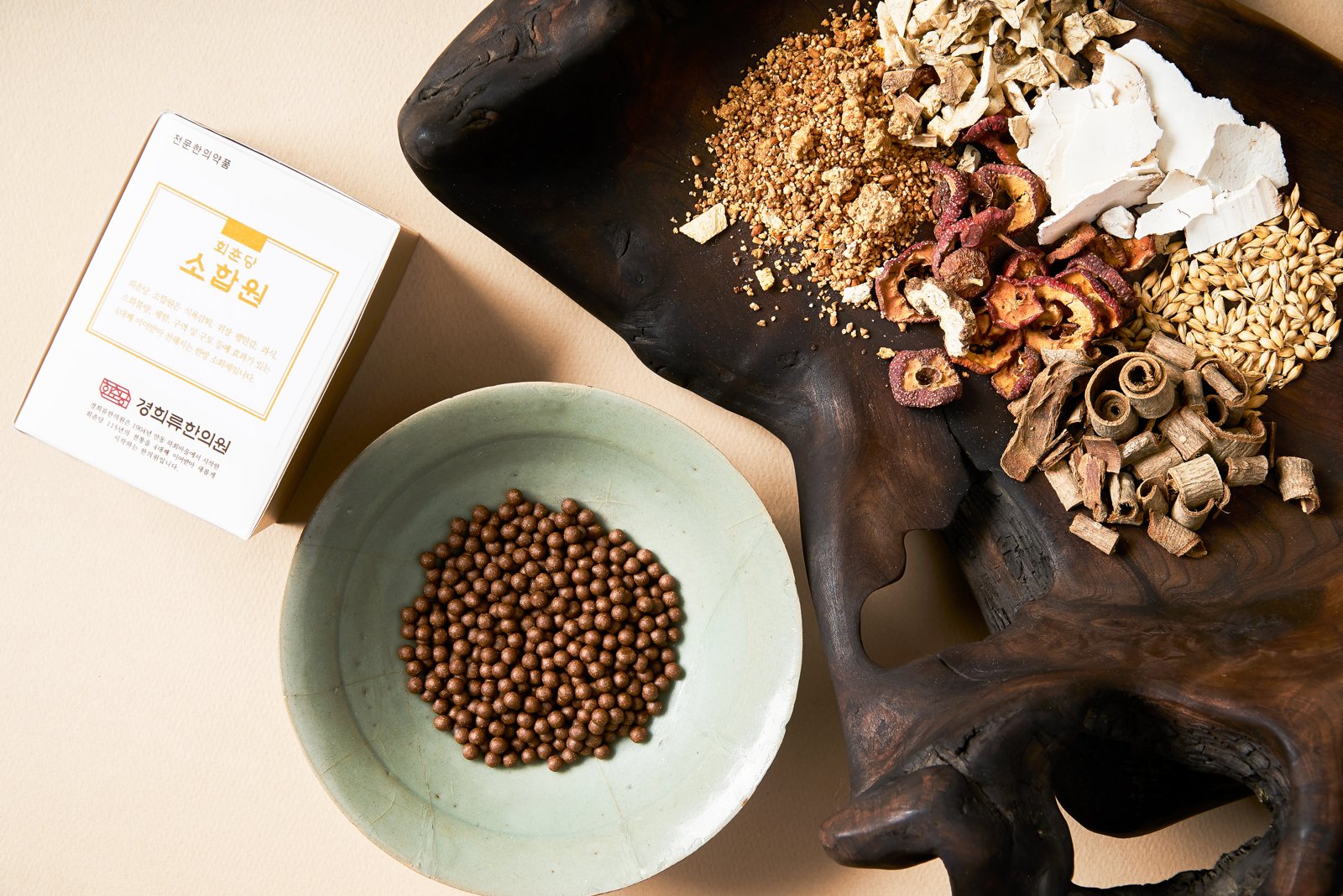
Sohabwon
This is a Korean medicine digestive remedy used for indigestion, abdominal pain, and bloating. Since Hoechundang opened in 1904, this prescription has been passed down through 4 generations with continued research and development, and is a household medicine taken promptly when indigestion occurs.
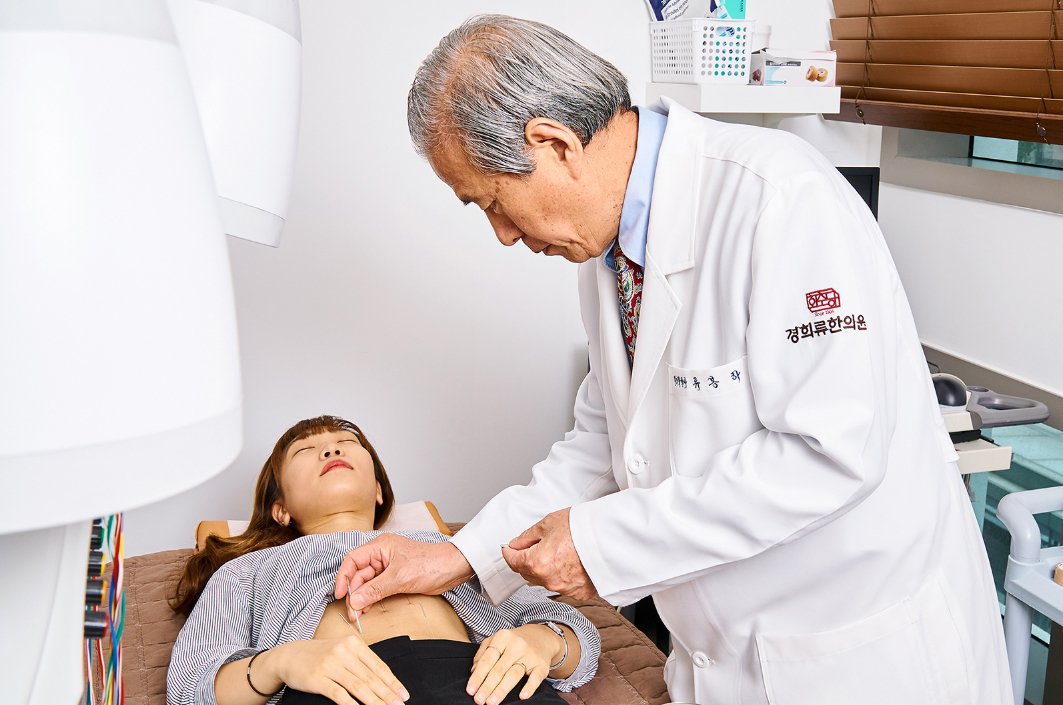
Acupuncture · Moxibustion · Radiofrequency Thermotherapy
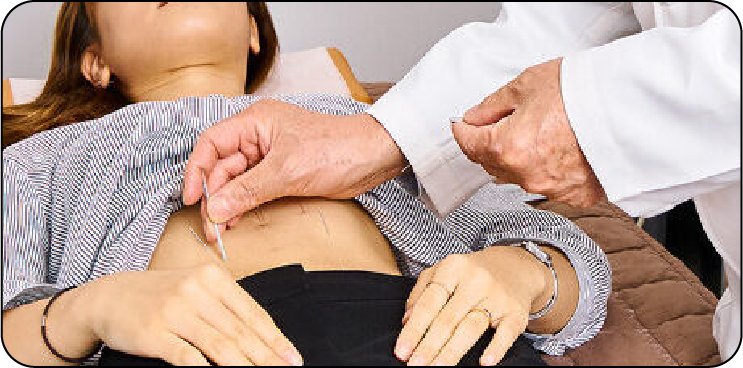
While taking herbal medicine, most patients receive treatment 2~3 times per week. Skilled acupuncture methods help restore digestive function and address disrupted qi-blood and autonomic nerve balance.
- Bowi · Bojang acupuncture: We use acupuncture points on the abdomen, back, arms, and legs according to symptoms and pattern identification (辨證: Korean medicine diagnostic type).
- Large moxibustionA large moxibustion treatment that covers the entire abdomen and does not have a strong odor, warming a cold abdomen to support digestive movement.
- Radiofrequency thermotherapy: Raises the temperature deep in the abdomen to help reduce damjeok toxins and support the movement of a stiffened stomach.
06TREATMENT STEPS
Treatment Proceeds in 3 Steps
 STEP 1
Bowi (Tonifying the Stomach) Treatment
We restore digestive function and vitality together.
 STEP 2
Chiwi (Treating the Stomach) Treatment
We focus on maintaining recovered digestive function to help prevent recurrence.
 STEP 3
Ongoing Treatment
We correct overall lifestyle habits and continue regular care.
07CASES
Electrogastrography comparison before and after treatment
These are electrogastrography graphs before treatment → after 8 months of treatment → after 1 year of treatment.
This is an electrogastrography graph from before treatment → after 2 months of treatment → after 6 months of focused treatment.
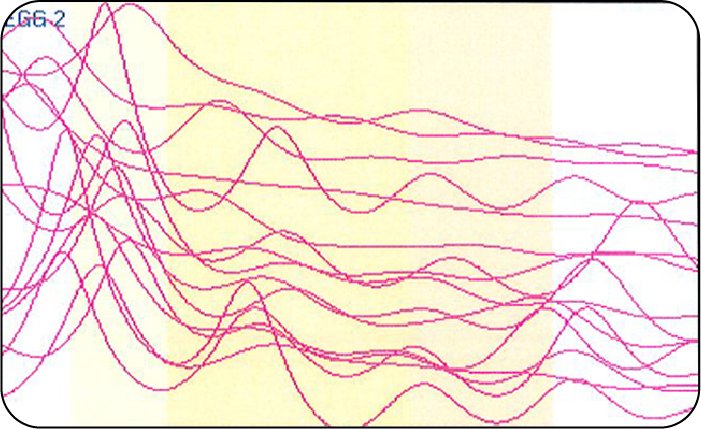
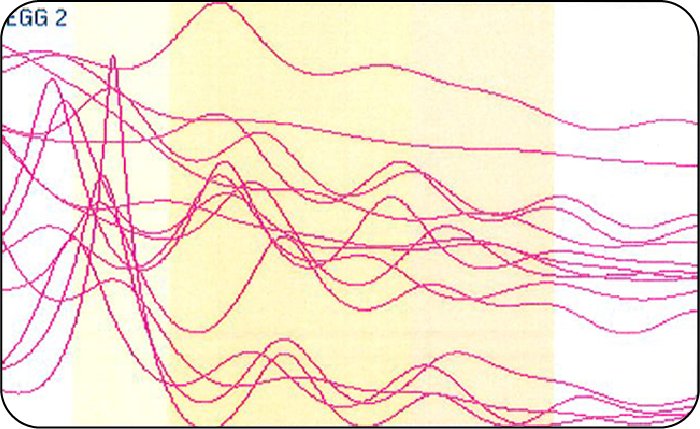
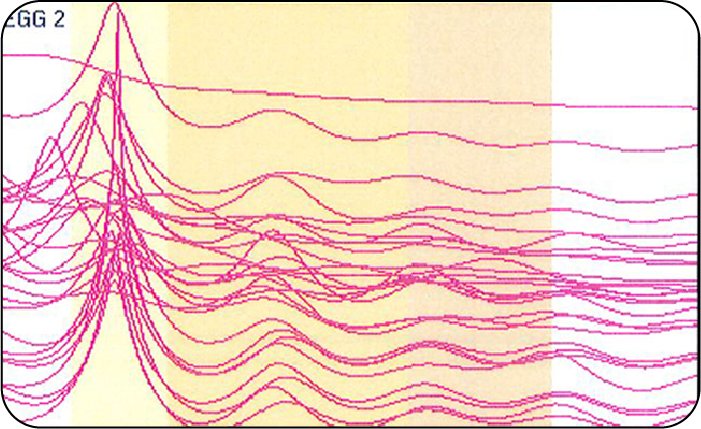
These are electrogastrography results from an actual patient who visited our clinic, and results may vary by individual.
08EXPERTISE
Medical Team with experience researching functional dyspepsia
About 200 research papers on digestive system disorders (Gastroenterology Team during service at Kyung Hee Medical Center)

Presidential Physician · Twice Served as Director of Kyung Hee University Korean Medicine Hospital
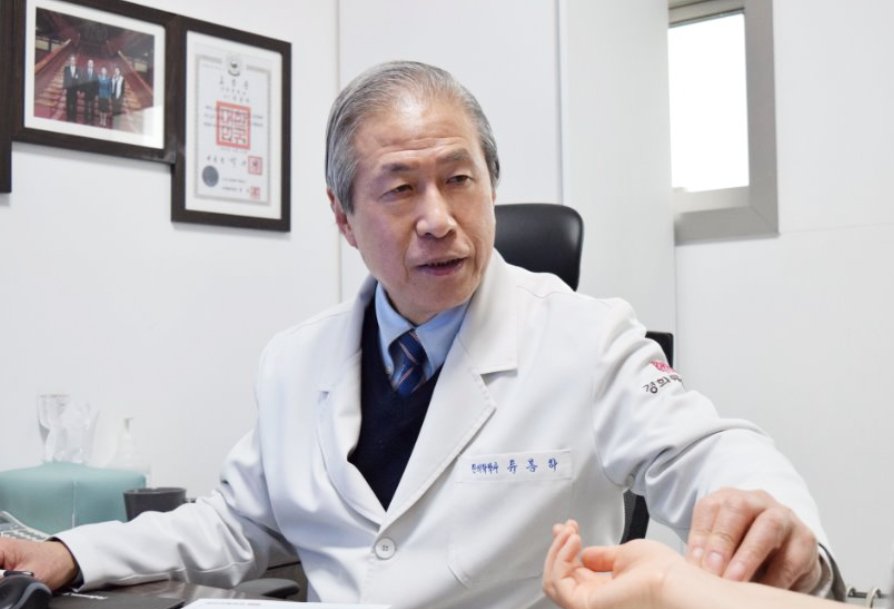
Dr. Bongha Ryu, Honorary Director
- PhD in Korean Medicine Internal Medicine, Graduate School of Korean Medicine, Kyung Hee University
- Head Professor of Gastroenterology, College of Korean Medicine, Kyung Hee University
- Twice Served as Director of Kyung Hee University Korean Medicine Hospital, Kyung Hee Medical Center
- Former Presidential Physician for President Lee Myung-bak
Digestive SystemRespiratory SystemFatigue · Tonic Herbal Medicine

4th-Generation Korean Medicine Doctor · Korean Medicine Internal Medicine Specialist
Dr. Hansung Ryu, Chief Director
- Specialist Training, Korean Medicine Cancer Center, Kyung Hee University Korean Medicine Hospital at Gangdong
- Training at a Harvard Medical School-affiliated hospital (Joslin Diabetes Center)
- Training at the Block Center (Integrative Cancer Center, USA)
- Researcher in the Development of Korean Medicine Standard Clinical Practice Guidelines for Cancer Symptom Relief
SkinDigestive SystemDiabetes · MetabolismConstitutional Immunity & CancerPain · Traffic Accidents
- 50 years of digestive care experience from Dr. Bongha Ryu, Honorary Director, former Director of Kyung Hee University Korean Medicine Hospital, Chief of the Digestive Medicine Department, and Director of the Herbal Medicine Research Institute
- Hoechundang prescriptions, passed down through four generations, that support both recovery of digestive function and replenishment of energy
- History as attending physician to President Lee Myung-bak, recipient of a Presidential Commendation (former President Park Geun-hye), and member of the Presidential Medical Advisory Committee (former President Roh Moo-hyun)
- All family Medical Team members are from Kyung Hee University Korean Medicine Hospital, with a father and son who are board-certified Korean internal medicine specialists providing care together
- Published approximately 200 research papers with the Digestive Medicine team while at Kyung Hee Medical Center
- Training at a Harvard Medical School–affiliated research center
Related research
Clinical effects of Banhasasim-tang extract granules in patients with functional dyspepsia
In a study of 45 outpatients with functional dyspepsia that assessed individual symptoms such as nausea and vomiting, early satiety, abdominal bloating, abdominal pain, loss of appetite, and heartburn, improvement of about 85% was reported across all items.
The effects of Korean medicine treatment on electrogastrography findings in patients with functional dyspepsia
In a study observing changes in gastric motility after Korean medicine treatment in 29 patients with severe functional dyspepsia, increased gastric motility and reduced gastric dysrhythmia were reported in about 80%.
Observation of changes in subjective evaluation measures before and after Korean medicine treatment and objective measures using electrogastrography parameters in patients with functional dyspepsia
In a clinical study of 46 patients diagnosed with functional dyspepsia, clinical symptoms improved by about 80%, and electrogastrography indicators improved after treatment compared with before treatment.
The Effects of Banha-sasim-tang on Dyspeptic Symptoms and Gastric Motility in Cases of Functional Dyspepsia: A Randomized, Double-Blind, Placebo-Controlled, and Two-Center Trial
A randomized, double-blind, placebo-controlled clinical study reporting that Banhasasim-tang (半夏瀉心湯), a representative digestive system prescription, was effective for improving early satiety and gastric motility; it was published in a 2013 special issue of an SCI-level journal.


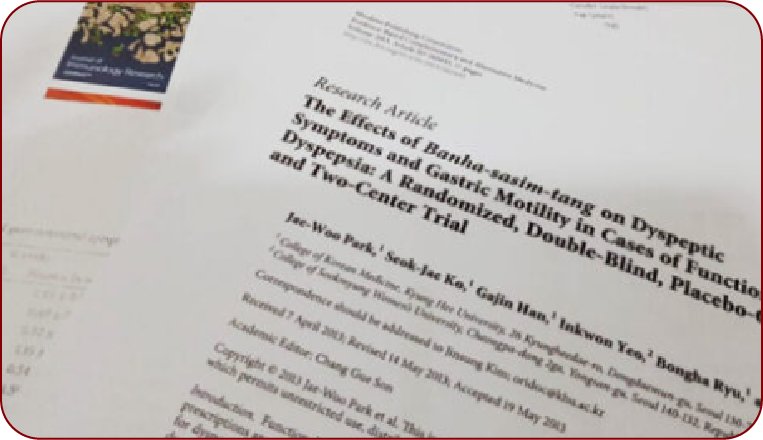
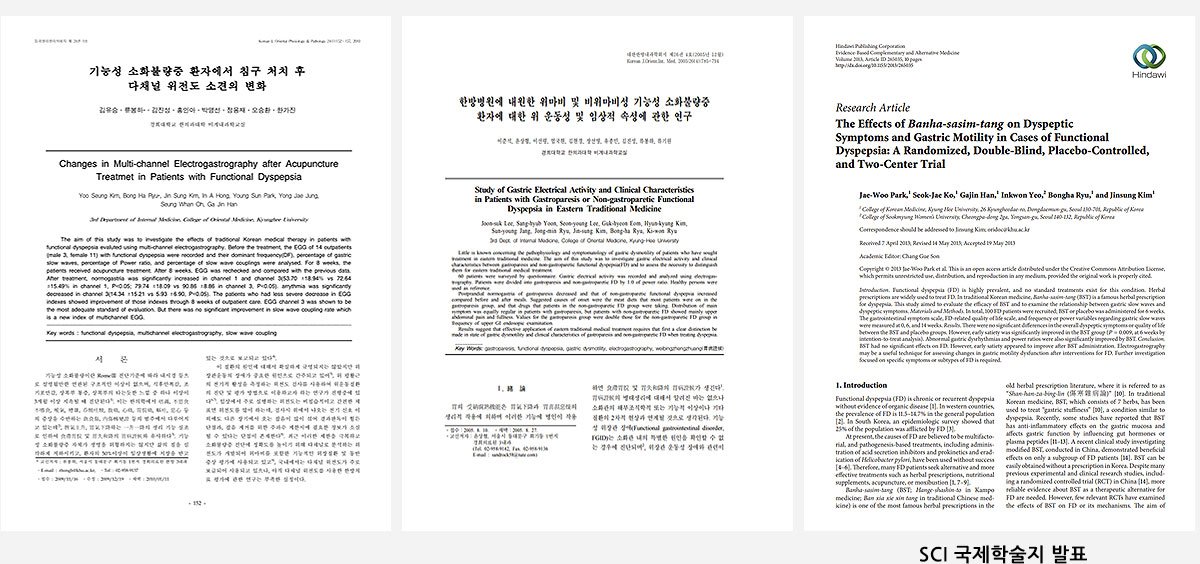 Functional dyspepsia research papers involving Dr. Bongha Ryu, Honorary Director
The figures above are research results reported in the papers and do not guarantee individual treatment effects.
WHY HOECHUNDANG
Why Choose Hoechundang Kyunghee Ryu Korean Medicine Clinic
- 01
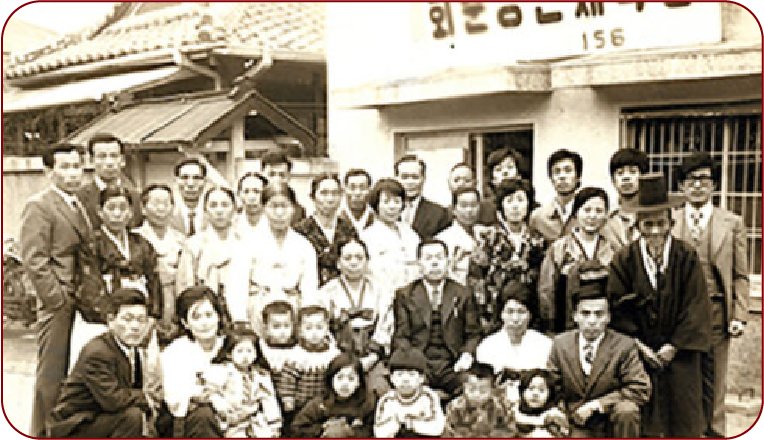
For 4 Generations Since 1904
For 4 generations, we have carried on Hoechundang’s treatment principle of seeing the stomach and intestines as the foundation of health.
- 02
Family Medical Team from Kyung Hee University Korean Medicine Hospital
Dr. Bongha Ryu, Honorary Director, who twice served as director of Kyung Hee University Korean Medicine Hospital and as a presidential physician; Dr. Hansung Ryu, Chief Director, a Korean medicine internal medicine specialist; and Dr. Seungwon Baek, Director, first author of an SCI-level paper on women’s health, provide care together.
- 03
Prepared In-House at Our Herbal Medicine Research Lab
Based on the research of our affiliated Herbal Medicine Research Institute, we prepare prescriptions in-house and use verified herbal ingredients at a level supplied to Kyung Hee University Korean Medicine Hospital.
- 04
15 Acupuncture and Moxibustion Treatment Rooms
We expanded our treatment rooms so patients can receive a variety of treatments, such as acupuncture, pharmacopuncture, Cupping, large moxibustion, radiofrequency, thermal dome therapy, Chuna Manual Therapy, and traction therapy, with minimal waiting.
09FAQ
Frequently Asked Questions
QMy endoscopy was normal. Do I still need treatment?
Even if tests show no abnormalities, long-lasting indigestion can be functional dyspepsia. A main cause, impaired gastric motility, can be checked with electrogastrography. The longer it continues, the longer treatment may take, so it is best to have a consultation early.
QIs damjeok disease different from functional dyspepsia?
Damjeok disease refers to a Korean medicine concept in which undigested waste products, called dam, accumulate in the stomach and intestines. It can reduce digestive function and motility and worsen functional dyspepsia, so we treat it together in the same context.
QDoes electrogastrography hurt?
This test measures the stomach’s electrical signals by attaching electrodes to the abdomen, so unlike an endoscopy, it causes little pain or discomfort. It compares gastric motility before and after a meal.
QWhen do I take the powdered medicine, Chiwi-san?
It is usually prescribed after treatment with decoctions has become somewhat stable, to help maintain the improved condition. It is easy to carry and take.
QHow often do I receive acupuncture treatment?
Treatment plans vary from person to person, but most patients receive acupuncture and moxibustion treatment 2–3 times a week while taking herbal medicine.
CONSULTATION
Consider a consultation before symptoms become long-standing
If you bring your test results, we will review your current condition together.
RELATED
Digestive Disorders to Read About
 Digestive DisordersGastroptosis · Gastric AtonyDo you get indigestion from eating just a little more, so you always have to eat small meals?Learn more
- Digestive DisordersChronic GastritisDo you still have heartburn and bloating even though you keep taking gastritis medication?Learn more
 Digestive DisordersReflux Esophagitis · Laryngopharyngeal RefluxDoes it feel like something is stuck in your throat, with sour fluid coming up and even disturbing your sleep?Learn more
RESERVATION
Functional Dyspepsia · Damjeok (Phlegm Accumulation):
start with a consultation
Leave your details and we will contact you in order during clinic hours. First-time visitors are welcome — we start by carefully understanding your current condition.
+82-2-792-1904- Mon · Tue · Wed · Thu09:30 – 19:30
- Fri09:30 – 18:30
- Sat09:30 – 14:30 (open without a lunch break)
- LunchWeekdays 13:30 – 14:30