
Main ClinicDigestive Disorders
GASTROPTOSIS · GASTRIC ATONY
Gastroptosis · Gastric Atony
Do you get indigestion from eating just a little more, so you always have to eat small meals?
When the stomach drops downward or the strength of the stomach wall muscles decreases, food stays in the stomach longer and digestion slows. Restoring the stomach’s motility is the key focus of treatment.

of Hoechundang care
- POINT 01
Measure stomach motility compared with normal using electrogastrography (EGG) to set treatment goals
- POINT 02
Bowi (補胃) herbal medicine, large moxibustion, and radiofrequency thermotherapy to help restore both motility and vitality
- POINT 03
Medical Team with a background in gastroenterology who have studied gastric motility disorders
01SELF CHECK
Commonly seen in people who
0/ 7
Tap the items that apply to you.
02WHY IT HAPPENS
How are gastroptosis and gastric atony different?
Gastroptosis is a condition in which the stomach sags and descends below its normal position. Gastric atony is a condition in which tension in the stomach wall muscles decreases, leading to insufficient peristalsis for digesting food. Both are commonly seen in patients with functional dyspepsia and chronic gastrointestinal disorders.
- 01
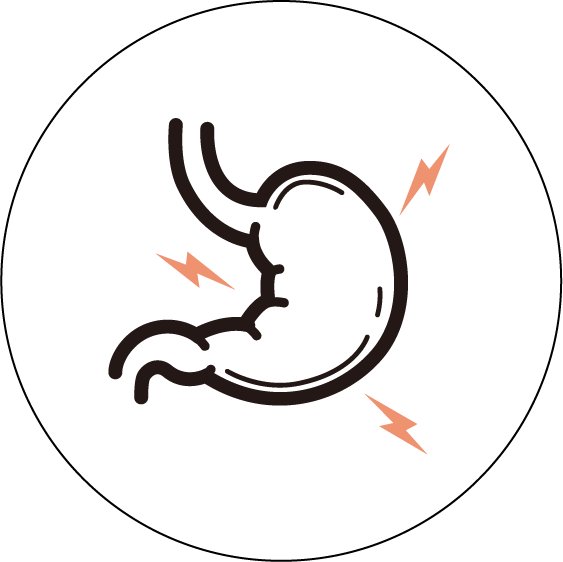
Gastroptosis (Downward Displacement of the Stomach)
When standing on an empty stomach, a normal stomach is J-shaped, with the lower part (antrum) located around the lower end of the first lumbar vertebra. In gastroptosis, the pyloric region descends to the second or third lumbar vertebra, and the lowest part sags below the navel.
 02
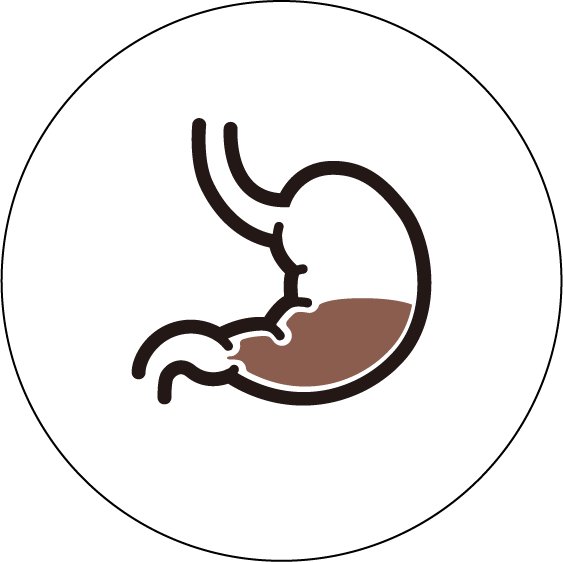
Gastric Motility Disorder
When food enters, the stomach digests it through contraction and relaxation movements and secretion. If motility is weak, food stays longer, causing tightness in the upper abdomen and gas. When this repeats, the autonomic nervous system can become disrupted, leading to headaches, dizziness, and nausea.
 03
Delayed Gastric Emptying
The stomach sends digested contents down to the small intestine. If a gastric emptying test shows slower-than-normal emptying, it may be considered gastroptosis or gastric atony along with functional dyspepsia.
- 04
Innate Constitution and Lifestyle Habits
This often develops when digestive function is congenitally or constitutionally weak and gastrointestinal disorders become chronic. It may also develop later in life when irregular eating habits and nervous gastrointestinal symptoms recur.
Progression
- 01Normal Stomach
- 02Gastroptosis
- 03Gastric Atony
- 04Gastroparesis
03WHY TREAT EARLY
If you give up and live with it, the stomach becomes increasingly stiff
If you give up because treatment seems impossible, the stomach can become stiffer and fill with gas, reducing meal size, causing weight loss, and potentially leading to more serious disease. Even if you feel a little better, motility does not recover immediately and delayed emptying is not necessarily resolved. The goal is to recover enough to digest one meal comfortably, then maintain that state well.
CONSULTATION
Consider a consultation before symptoms become long-standing
If you bring your test results, we will review your current condition together.
PROCESS
How Care Proceeds
- 01
Consultation · Pulse Diagnosis
We listen carefully to your symptoms, lifestyle habits, and treatment history, then assess your condition through pulse and tongue diagnosis.
- 02
Detailed Testing
We check organ function, energy level, and autonomic nervous system balance with tests suited to your condition.
- 03
Pattern Identification · Diagnosis
We combine your test results and constitution to find the underlying cause of your symptoms.
- 04
1:1 Customized Prescription
We design the needed treatments for each person, including herbal medicine, acupuncture, pharmacopuncture, and moxibustion.
- 05
Progress Management
We monitor your progress through regular tests and consultations and adjust prescriptions as needed.
Helpful to bringIf you bring your blood test and endoscopy results, we can provide more thorough care.
04DIAGNOSIS
We first check how much your stomach is moving
 TEST 01
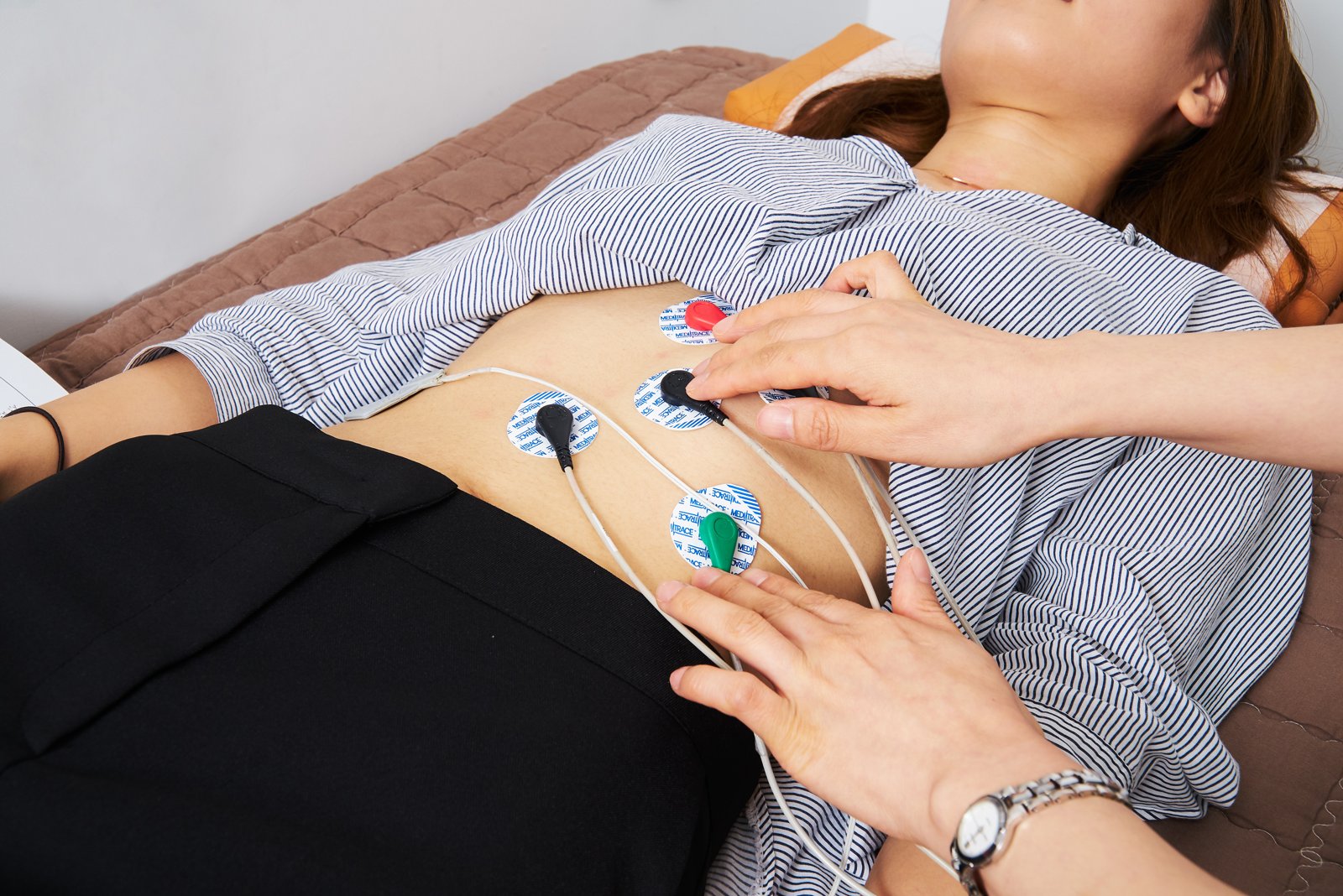
Electrogastrography (EGG)
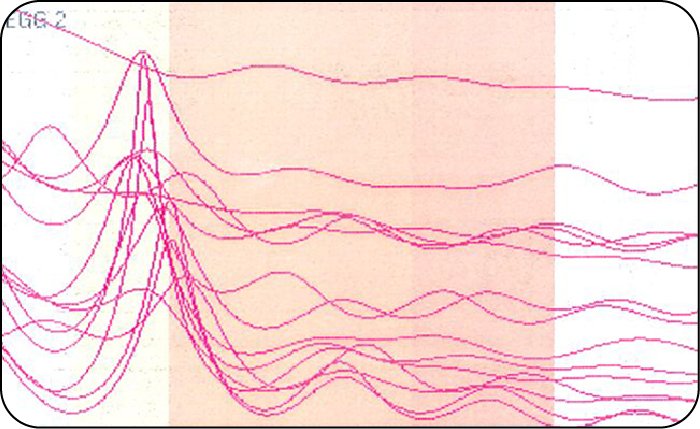
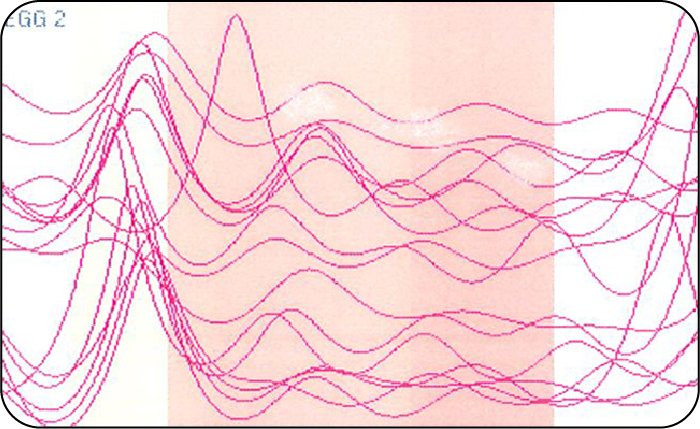
This is a standard test for gastroptosis and gastric atony treatment. It checks, through the stomach’s electrical signals, how much stomach motility you have compared with a healthy person and what your emptying ability is before and after meals. Only electrodes are attached to the abdomen, so there is very little pain.
 TEST 02
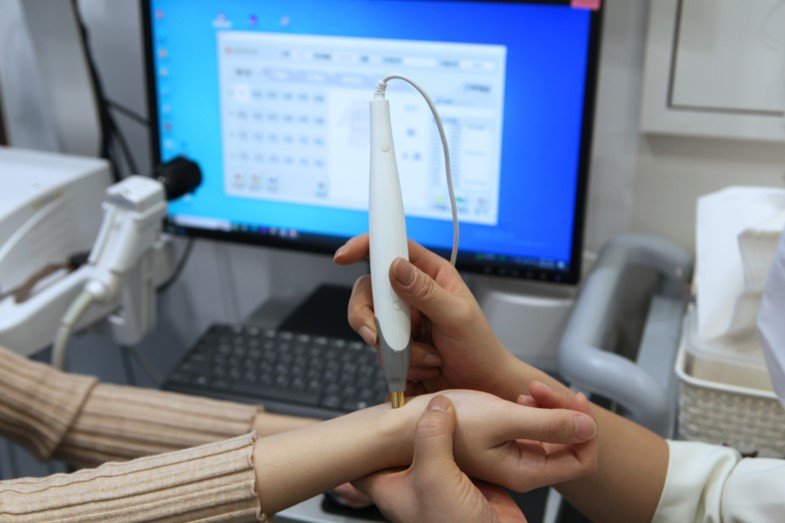
Ryodoraku Meridian Function Test
This checks the vitality that has declined after long-term small meals. By examining acupoints on the hands and feet, we assess the function of the organs and meridians and the deficiency-excess (虛實) pattern of the condition to establish a treatment plan and duration.
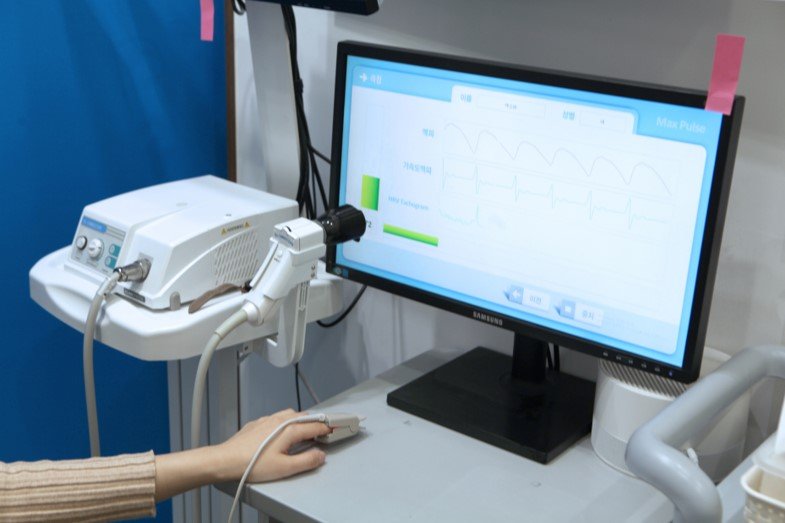 TEST 03
Hand Yangming Meridian Test (HRV)
If headaches, dizziness, and nausea are present together, we check whether autonomic nervous system balance is disrupted or activity has decreased.
The more insufficient the stomach’s electrical signals are, the less the stomach moves and the lower actual digestive ability becomes.
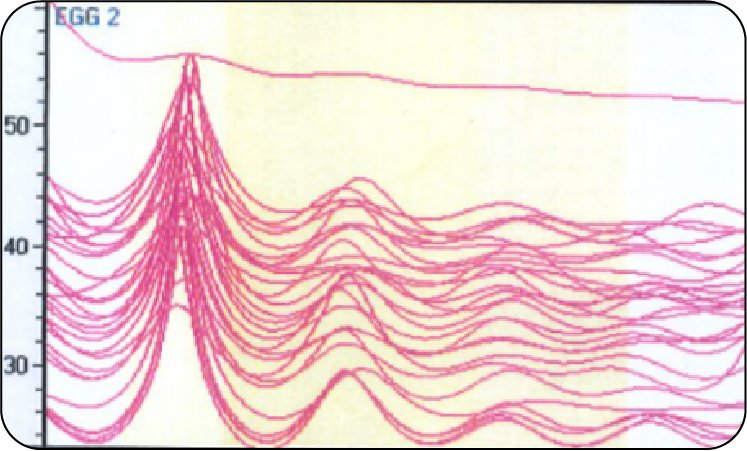
Mild Gastrointestinal Disorder
About 70% movement compared with normal
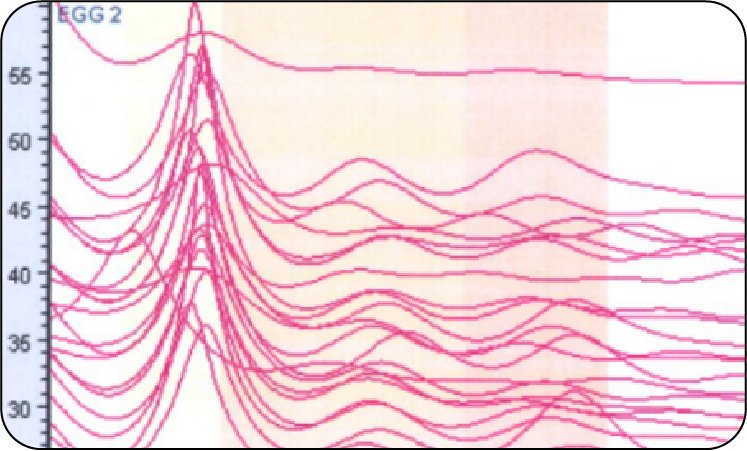
Moderate Gastrointestinal Disorder
About 40% movement compared with normal
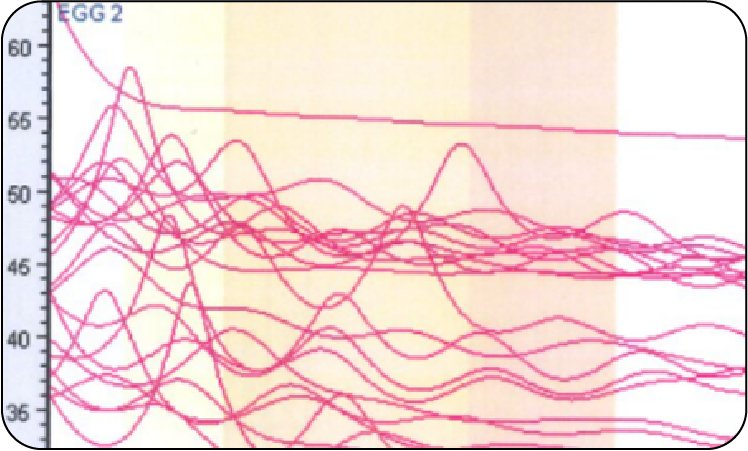
Severe Gastrointestinal Disorder
About 20% movement compared with normal
05TREATMENT
We help restore motility in a sagging stomach
Stomach motility also affects balance with other organs, circulation, and vitality, making it important for overall health. Along with treating the stomach itself, we also examine autonomic nervous system balance, damjeok, and the balance of gastric juice secretion. In gastroptosis and gastric atony, we focus especially on improving stomach movement, vitality, and abdominal temperature.
- 01Strengthening Digestive Function
- 02Restoring Stomach Vitality
- 03Enhancing Stomach Movement
- 04Strengthening Damaged Gastric Mucosa
- 05Easing Chronic Inflammation
- 06Damjeok Toxin Removal
- 07Increasing Abdominal Temperature
- 08Easing Autonomic Nervous System Stress
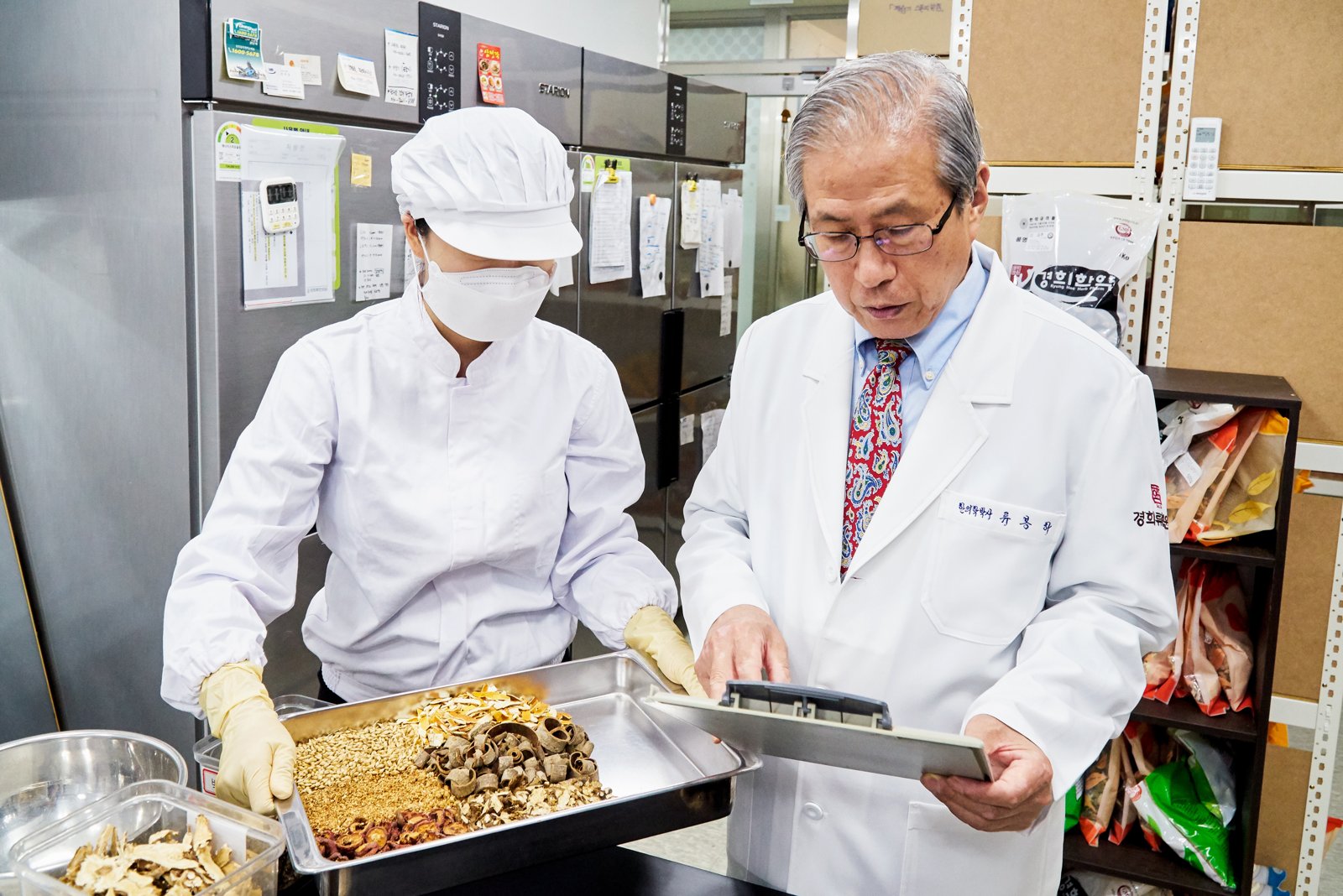
One-on-One Personalized Herbal Medicine
Prescriptions are determined based on your innate constitution, the degree of stomach descent, and how long you have had the condition. After consultation, we decide whether to use a treatment medicine to reduce food stagnation and bloating, or a “treatment plus tonic” approach that also replenishes weakened digestive function and vitality.
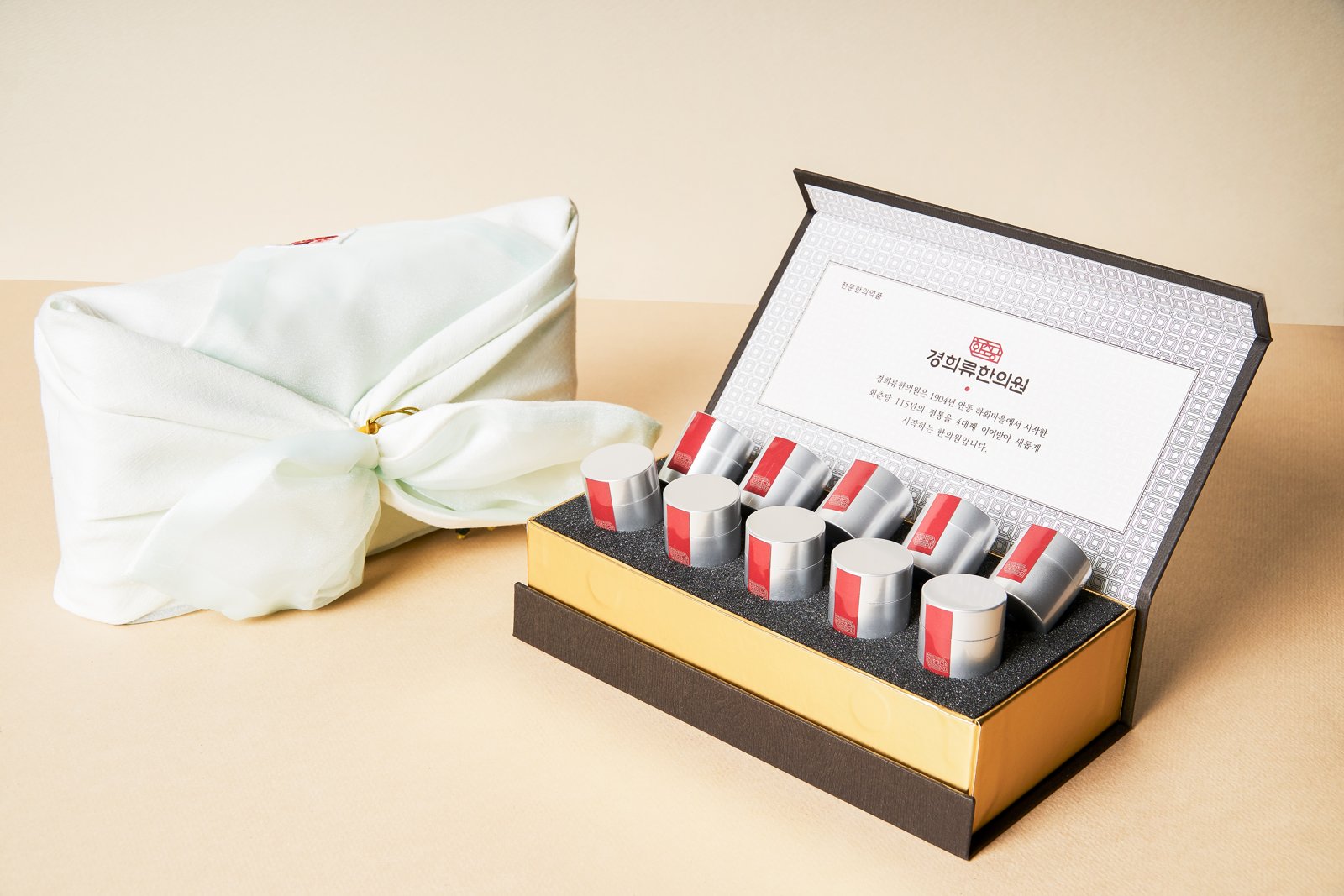
Bowi Gongjindan (補胃供辰丹)
When you always eat small meals, nutritional deficiency can make it easy for vitality to decline. This prescription is formulated with deer antler as the base, plus Atractylodes and Amomum to support spleen and stomach function, and ginseng and Astragalus to tonify qi, so it can care for both a weak constitution and chronic gastrointestinal disorders.
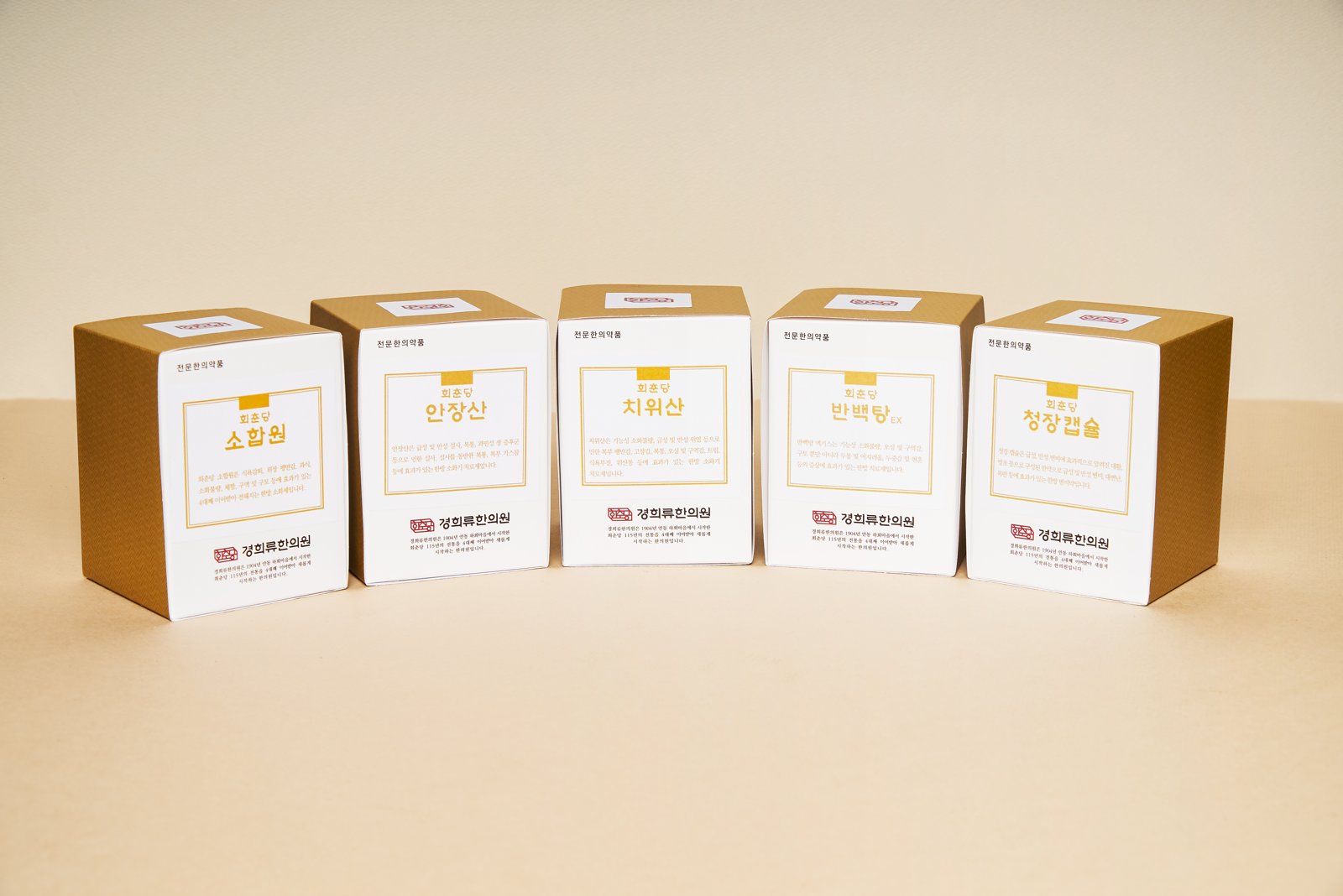
Chiwisan (治胃散) and Other Extract Powders
These are portable powder medicines prescribed to help maintain the condition after motility has recovered to some degree with decoctions.

Acupuncture · Large Moxibustion · Radiofrequency Thermotherapy
Together with herbal medicine, most patients receive treatment 2–3 times per week.
- Bowi and Bojang acupuncture: Acupoints on the abdomen, back, arms, and legs are selected according to pattern identification to support stomach movement.
- Large moxibustionCovers the entire abdomen to warm a cold abdomen and help digestive movement become smoother.
- Radiofrequency thermotherapy: Raises the temperature deep in the abdomen to generally support movement in a stiffened stomach.
06TREATMENT STEPS
Treatment proceeds in 3 steps
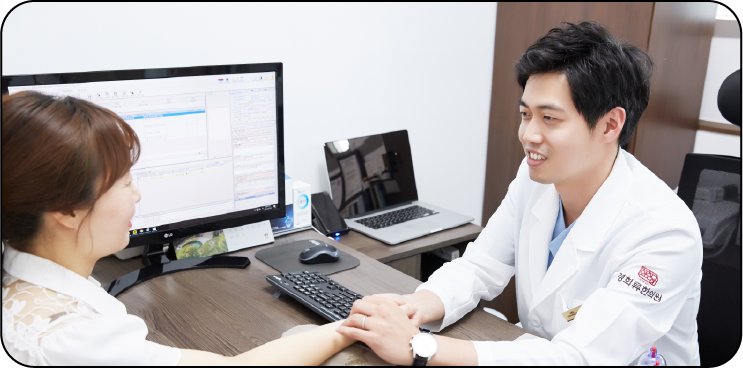 STEP 1
Bowi (Tonifying the Stomach) Treatment
We help raise both stomach motility and vitality.
- STEP 2
Chiwi (Treating the Stomach) Treatment
We focus on maintaining a state in which you can digest one meal comfortably and helping prevent recurrence.
- STEP 3
Ongoing Treatment
We correct lifestyle habits, including eating habits, and continue regular care.
07CASES
Changes in stomach motility seen on electrogastrography
These are electrogastrography graphs before treatment → after 8 months of treatment → after 1 year of treatment.
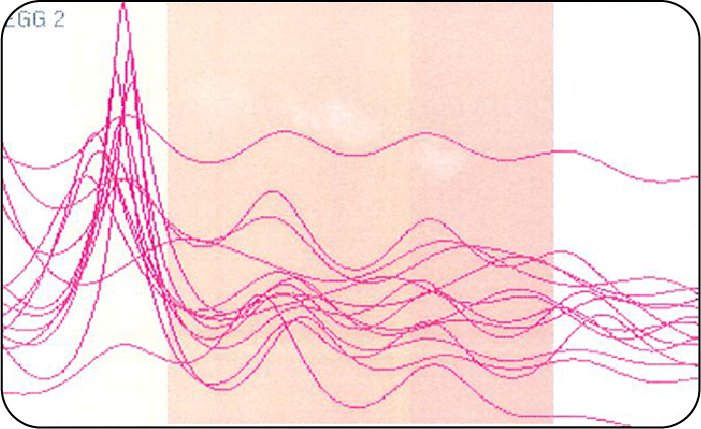
These are electrogastrography graphs before treatment → after 2 months of treatment → after 6 months of intensive treatment.
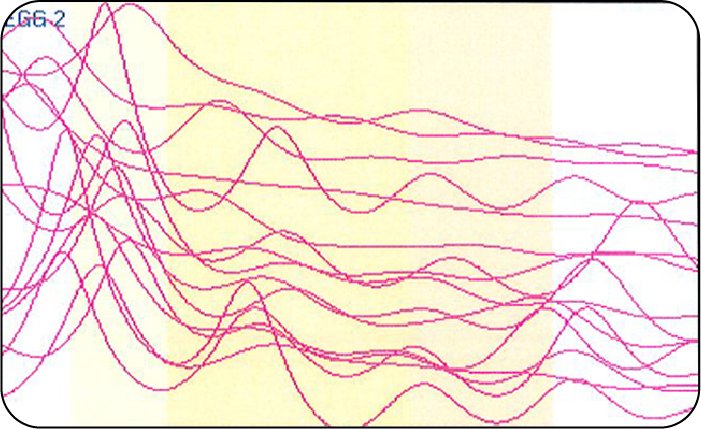
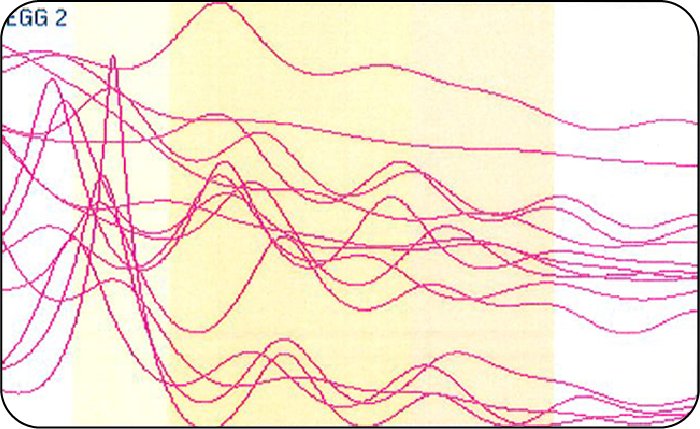
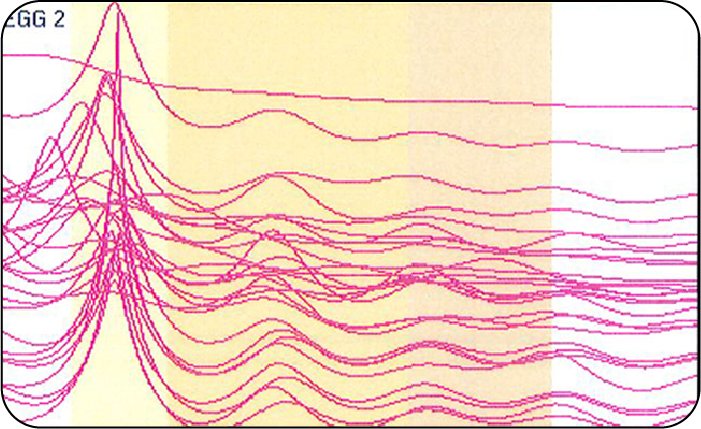
These are electrogastrography test results from actual patients who visited our clinic, and results may vary by individual.
08EXPERTISE
Medical Team who have long studied gastric motility disorders
About 200 research papers on digestive system disorders (Gastroenterology Team during service at Kyung Hee Medical Center)

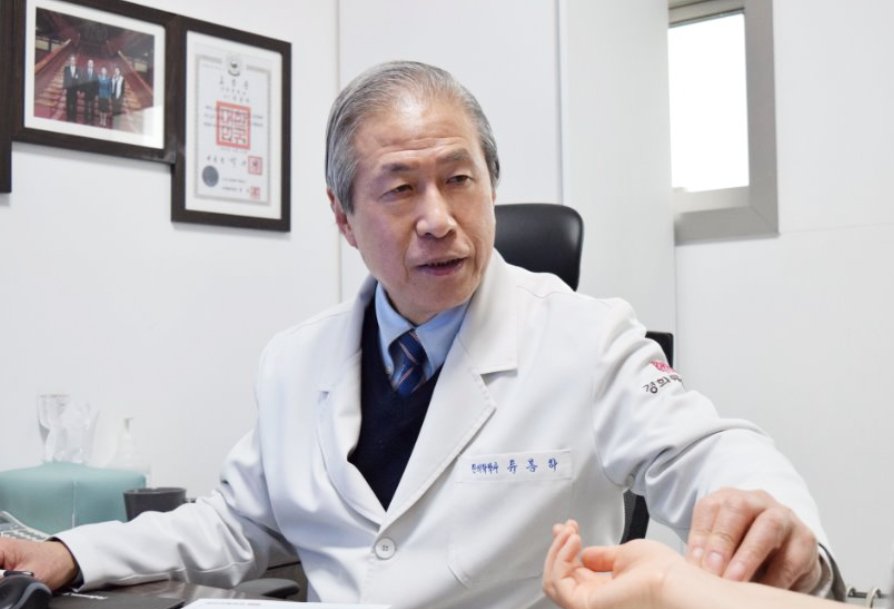
Presidential Physician · Twice Served as Director of Kyung Hee University Korean Medicine Hospital
Dr. Bongha Ryu, Honorary Director
- PhD in Korean Medicine Internal Medicine, Graduate School of Korean Medicine, Kyung Hee University
- Head Professor of Gastroenterology, College of Korean Medicine, Kyung Hee University
- Twice Served as Director of Kyung Hee University Korean Medicine Hospital, Kyung Hee Medical Center
- Former Presidential Physician for President Lee Myung-bak
Digestive SystemRespiratory SystemFatigue · Tonic Herbal Medicine

4th-Generation Korean Medicine Doctor · Korean Medicine Internal Medicine Specialist
Dr. Hansung Ryu, Chief Director
- Specialist Training, Korean Medicine Cancer Center, Kyung Hee University Korean Medicine Hospital at Gangdong
- Training at a Harvard Medical School-affiliated hospital (Joslin Diabetes Center)
- Training at the Block Center (Integrative Cancer Center, USA)
- Researcher in the Development of Korean Medicine Standard Clinical Practice Guidelines for Cancer Symptom Relief
SkinDigestive SystemDiabetes · MetabolismConstitutional Immunity & CancerPain · Traffic Accidents
- 50 years of digestive care experience from Dr. Bongha Ryu, Honorary Director, former director of Kyung Hee University Korean Medicine Hospital and former chief of gastroenterology
- Hoechundang prescriptions passed down for four generations, supporting both recovery of digestive function and replenishment of vitality
- Published about 200 research papers with the gastroenterology team while working at Kyung Hee Medical Center
Related research
A Study on the Correlation between 消化不良 and 過心湯 - Through the 平價 of stress, 氣鬱, and 脾虛證
In a study comparing 105 patients with functional dyspepsia and 118 symptom-free patients with chronic gastritis, it was reported that more severe stress and qi stagnation (氣鬱: a state in which qi is blocked) were associated with more severe indigestion. In particular, qi stagnation symptoms were more pronounced in pattern identification types such as spleen qi sinking (脾氣下陷: spleen qi is deficient and sinks downward).
A case report of Korean medicine treatment for a female patient with both functional dyspepsia and chronic atrophic gastritis
This is a case report in which Pyeongwisan (平胃散) and Banhasasim-tang (半夏瀉心湯) extracts and acupuncture treatment were used to improve gastric motility disorder, with reported improvement in gastric contractility, gastric mucosal blood flow, and symptoms.
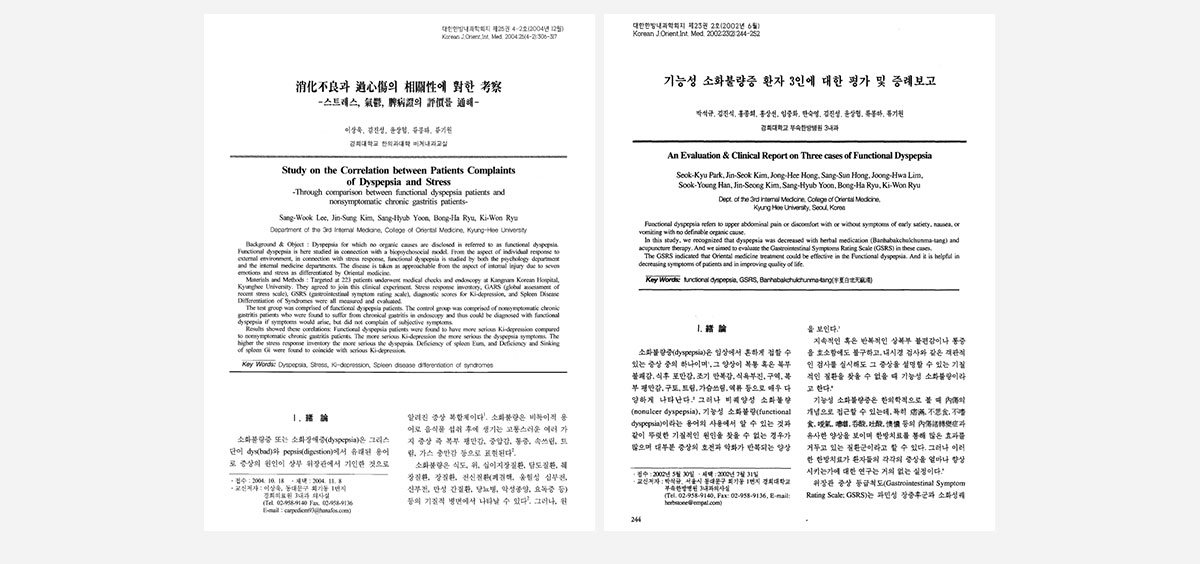
The above information reflects the study and case results reported in the referenced papers and does not guarantee individual treatment effects.
WHY HOECHUNDANG
Why Choose Hoechundang Kyunghee Ryu Korean Medicine Clinic
- 01
For 4 Generations Since 1904
For 4 generations, we have carried on Hoechundang’s treatment principle of seeing the stomach and intestines as the foundation of health.
- 02
Family Medical Team from Kyung Hee University Korean Medicine Hospital
Dr. Bongha Ryu, Honorary Director, who twice served as director of Kyung Hee University Korean Medicine Hospital and as a presidential physician; Dr. Hansung Ryu, Chief Director, a Korean medicine internal medicine specialist; and Dr. Seungwon Baek, Director, first author of an SCI-level paper on women’s health, provide care together.
- 03
Prepared In-House at Our Herbal Medicine Research Lab
Based on the research of our affiliated Herbal Medicine Research Institute, we prepare prescriptions in-house and use verified herbal ingredients at a level supplied to Kyung Hee University Korean Medicine Hospital.
- 04
15 Acupuncture and Moxibustion Treatment Rooms
We expanded our treatment rooms so patients can receive a variety of treatments, such as acupuncture, pharmacopuncture, Cupping, large moxibustion, radiofrequency, thermal dome therapy, Chuna Manual Therapy, and traction therapy, with minimal waiting.
09FAQ
Frequently Asked Questions
QIs gastroptosis just something I have to live with because it is constitutional?
It is common in people with a naturally or constitutionally weak stomach, but the key to treatment is restoring motility rather than the stomach’s position. We check your current motility with electrogastrography and plan step-by-step recovery and maintenance together.
QIs there a medicine I can take when I often get indigestion?
Sohabwon is a Korean medicine digestive aid used for indigestion, abdominal pain, and bloating, based on a prescription handed down through four generations since 1904. We prescribe it as an at-home medicine to take right away when you feel indigestion coming on.
QCan I stop treatment once I feel a little better?
Even if you feel a little better, motility is not immediately restored, and delayed emptying is not necessarily resolved. We recommend continuing through stage 2 treatment for gastroptosis and stage 3 ongoing management so the recovered state can be maintained.
QHow often do I receive acupuncture treatment?
It varies from person to person, but most patients receive acupuncture and moxibustion treatment 2–3 times a week while taking herbal medicine.
CONSULTATION
Consider a consultation before symptoms become long-standing
If you bring your test results, we will review your current condition together.
RELATED
Related Digestive Disorders
- Digestive DisordersFunctional Dyspepsia · Damjeok (Phlegm Accumulation)My endoscopy is normal, so why do I always feel bloated and have indigestion?Learn more
 Digestive DisordersChronic GastritisDo you still have heartburn and bloating even though you keep taking gastritis medication?Learn more
 Digestive DisordersReflux Esophagitis · Laryngopharyngeal RefluxDoes it feel like something is stuck in your throat, with sour fluid coming up and even disturbing your sleep?Learn more
RESERVATION
Gastroptosis · Gastric Atony:
start with a consultation
Leave your details and we will contact you in order during clinic hours. First-time visitors are welcome — we start by carefully understanding your current condition.
+82-2-792-1904- Mon · Tue · Wed · Thu09:30 – 19:30
- Fri09:30 – 18:30
- Sat09:30 – 14:30 (open without a lunch break)
- LunchWeekdays 13:30 – 14:30