
Main ClinicChronic Skin Conditions
SEBORRHEIC DERMATITIS
Seborrheic Dermatitis
Is seborrheic dermatitis, with itching and flaking on the face and scalp, coming back again?
Seborrheic dermatitis is an inflammatory skin condition in which red patches and dandruff-like scales repeatedly appear in areas with high sebum production. We begin by reducing inflammation in the body and helping the skin regain immune balance.
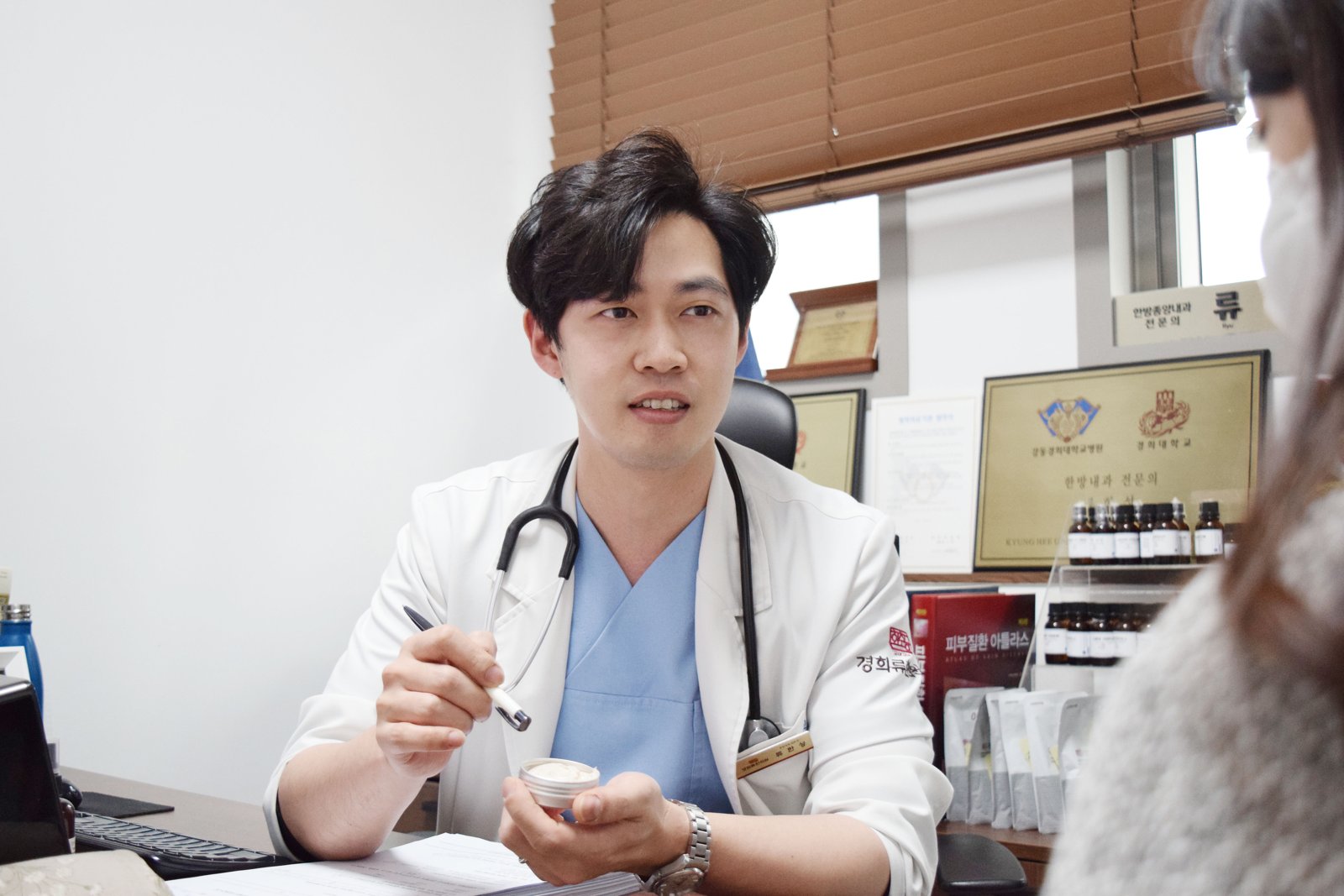
of Hoechundang care
- POINT 01
Identifying causes through constitution testing that looks at stress, hormones, and organ imbalance
- POINT 02
Constitution-Tailored Herbal Medicine and Skin Detox Herbal Medicine decocted daily at our In-House Herbal Medicine Research Lab
- POINT 03
Guidance on scalp and facial cleansing and home care, with Korean Herbal Topical Preparations, acupuncture, and Phototherapy as needed
01SELF CHECK
Are you concerned about these symptoms?
0/ 7
Tap the items that apply to you.
02WHY IT HAPPENS
Why does seborrheic dermatitis occur?
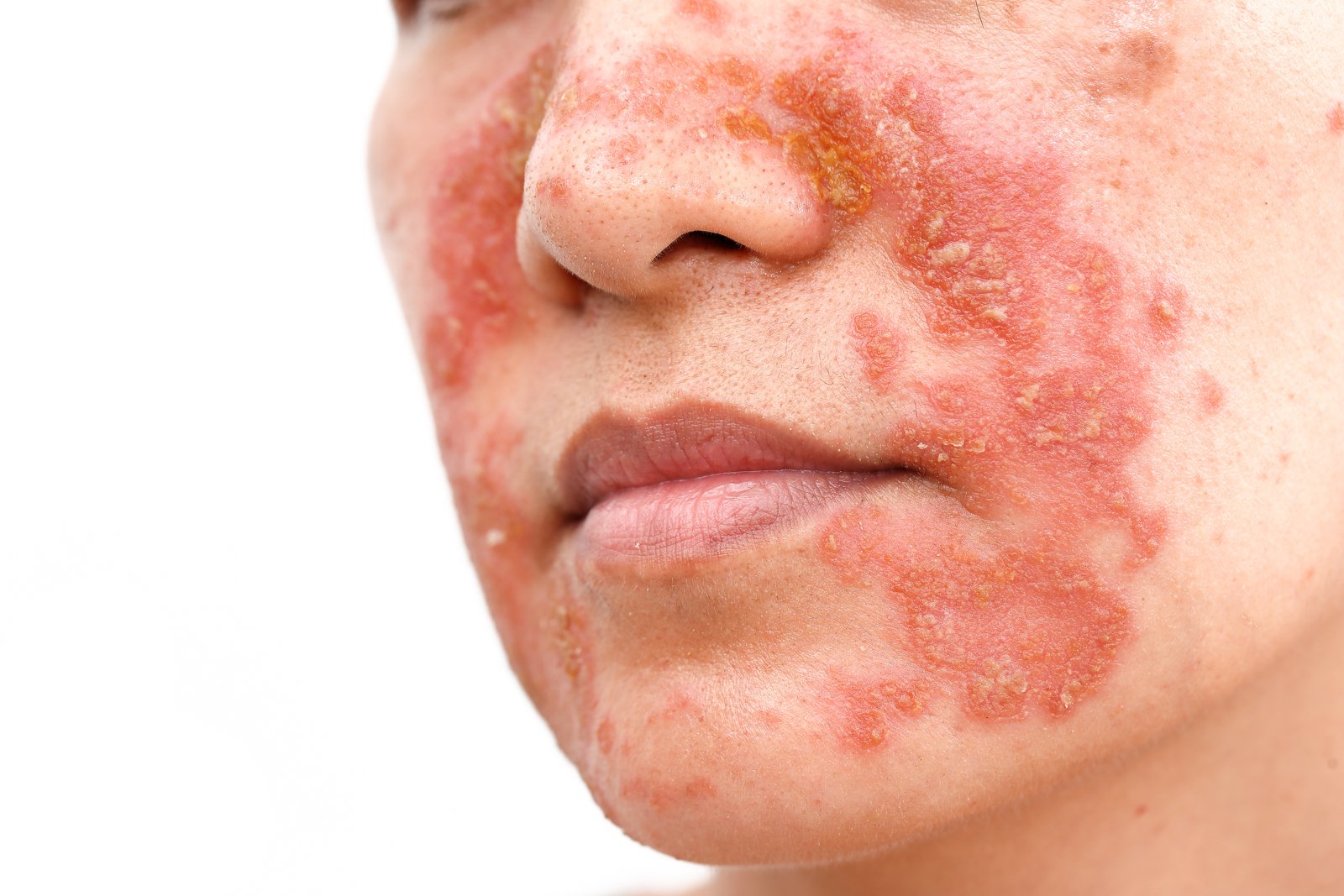
Seborrheic dermatitis is a recurrent inflammatory skin condition in which erythema and scaling, or dandruff, appear in areas with high sebum production such as the scalp, face, and upper trunk. It is known to be common between ages 40 and 70 and more common in adult men. Recently, younger patients have also been increasing regardless of sex, due to factors such as cosmetics, harmful substances, and unhealthy eating habits.
We first look at constitution and organ balance
Based on constitutional causes, we aim to identify the root cause and correct imbalances of the internal organs. We build a treatment plan from a broader perspective, not only by looking at the skin.
- 01
Common Sites
It is likely to occur in areas with high sebum production, such as the scalp, forehead, chest, and armpits.
- 02
Characteristic Features
Dry or oily white or yellow scales appear over erythema, accompanied by itching and, when severe, pain.
- 03
Main Causes
Hormones, psychological stress, external factors, and genetic factors are commonly discussed. Inside the body, it is viewed as an immune dysfunction that occurs as the skin barrier becomes weakened.
- 04
Relationship Between Stress and Sebum
When chronic stress triggers the release of stress hormones, sebum may increase. If resistance is lowered at that time, bacteria can increase and cause inflammation, and scaling develops as a result.
03WHY TREAT EARLY
If irritated or left untreated, the affected area may spread
If it lasts a long time with repeated improvement and worsening, it may spread beyond the face to the back of the neck, chest, and other areas. It is best not to irritate or neglect the affected area and to receive treatment. Long-term steroid use may weaken the skin and allow the area to spread due to secondary infection, so caution is needed.
PROCESS
How Care Proceeds
- 01
Consultation · Pulse Diagnosis
We listen carefully to your symptoms, lifestyle habits, and treatment history, then assess your condition through pulse and tongue diagnosis.
- 02
Detailed Testing
We check organ function, energy level, and autonomic nervous system balance with tests suited to your condition.
- 03
Pattern Identification · Diagnosis
We combine your test results and constitution to find the underlying cause of your symptoms.
- 04
1:1 Customized Prescription
We design the needed treatments for each person, including herbal medicine, acupuncture, pharmacopuncture, and moxibustion.
- 05
Progress Management
We monitor your progress through regular tests and consultations and adjust prescriptions as needed.
04DIAGNOSIS
These tests are performed during seborrheic dermatitis care
We evaluate how your innate skin immunity, gut health, inflammation and waste products in the body, and autonomic nervous system status may be affecting your current symptoms. We create a treatment plan by reviewing the results together.
 TEST 01
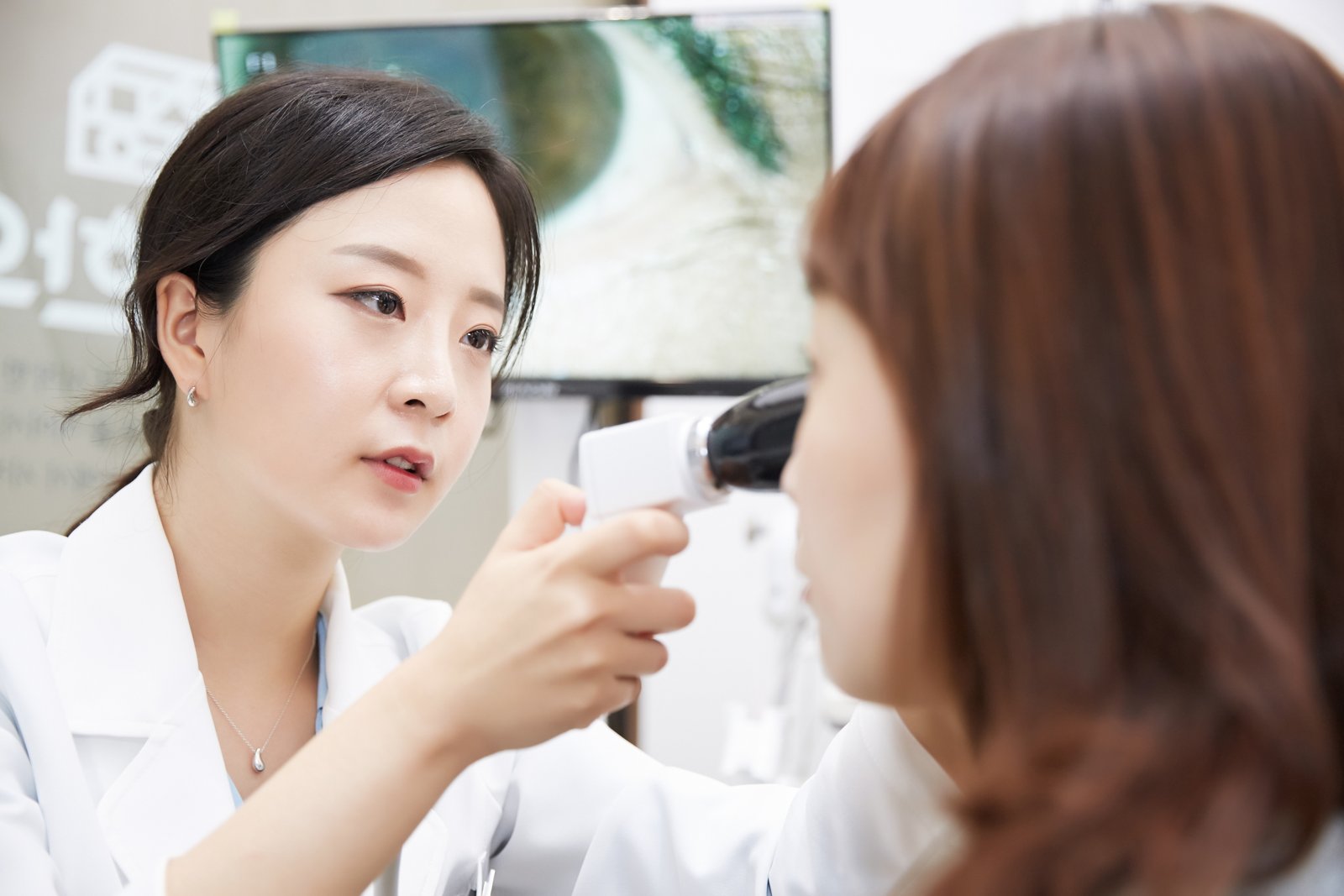
Iris Genetic Constitution Test
This test comprehensively assesses genetic strengths and weaknesses, constitutional imbalances, emotional responses, and autonomic nervous system balance. It is a noninvasive test that can be performed even while wearing contact lenses.
- TEST 02
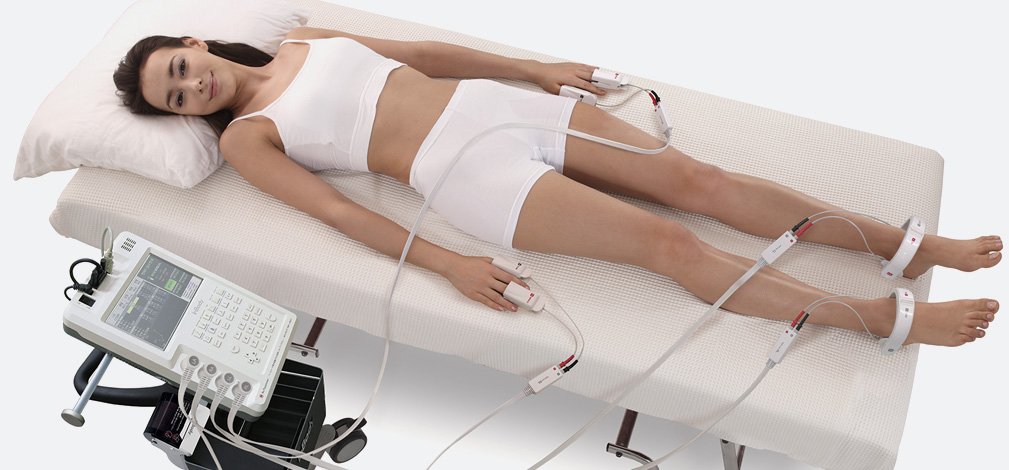
Ryodoraku Meridian Function Test
This test measures meridian function at major acupoints on the hands and feet to assess energy level and the deficiency-excess (虛實) pattern of the condition. It helps estimate how much self-recovery capacity the skin has remaining.
 TEST 03
Heart Rate Variability (HRV) Autonomic Nervous System Test
This test checks the activity and balance of the sympathetic and parasympathetic nerves. Chronic stress can affect sebum production and inflammation, so stabilizing the autonomic nervous system is important.
 TEST 04
Cellular Health Immunity Test (InBody S10)
This test measures cellular function, immune and nutritional status, circulation, body water, and body fat to check for nutritional deficiency or excess and fluid balance.
When you visit, please bring any existing test results, such as blood tests or allergy tests, as well as information on medications you are taking and ointments you are using, so we can provide more thorough care.
05TREATMENT
Seborrheic dermatitis treatment proceeds this way
Rather than relying on steroids, we aim to calm symptoms and reduce recurrence. We focus on reducing inflammation in the body and helping the skin regain immune balance.
Treatment goals
- 01
Skin Barrier and Immune Recovery
To help correct immune dysfunction that develops as the skin barrier weakens, we work to improve the balance of the internal organs and the body’s self-healing capacity.
- 02
Reducing Inflammation in the Body
Even when inflammation markers are normal, inflammation may often remain in the body. We also look at circulation, hormones and metabolism, and gut health.
- 03
Waste Product Elimination
To help prevent waste products that have accumulated from unhealthy food intake from triggering skin inflammation, detoxification is used to support elimination and circulation.
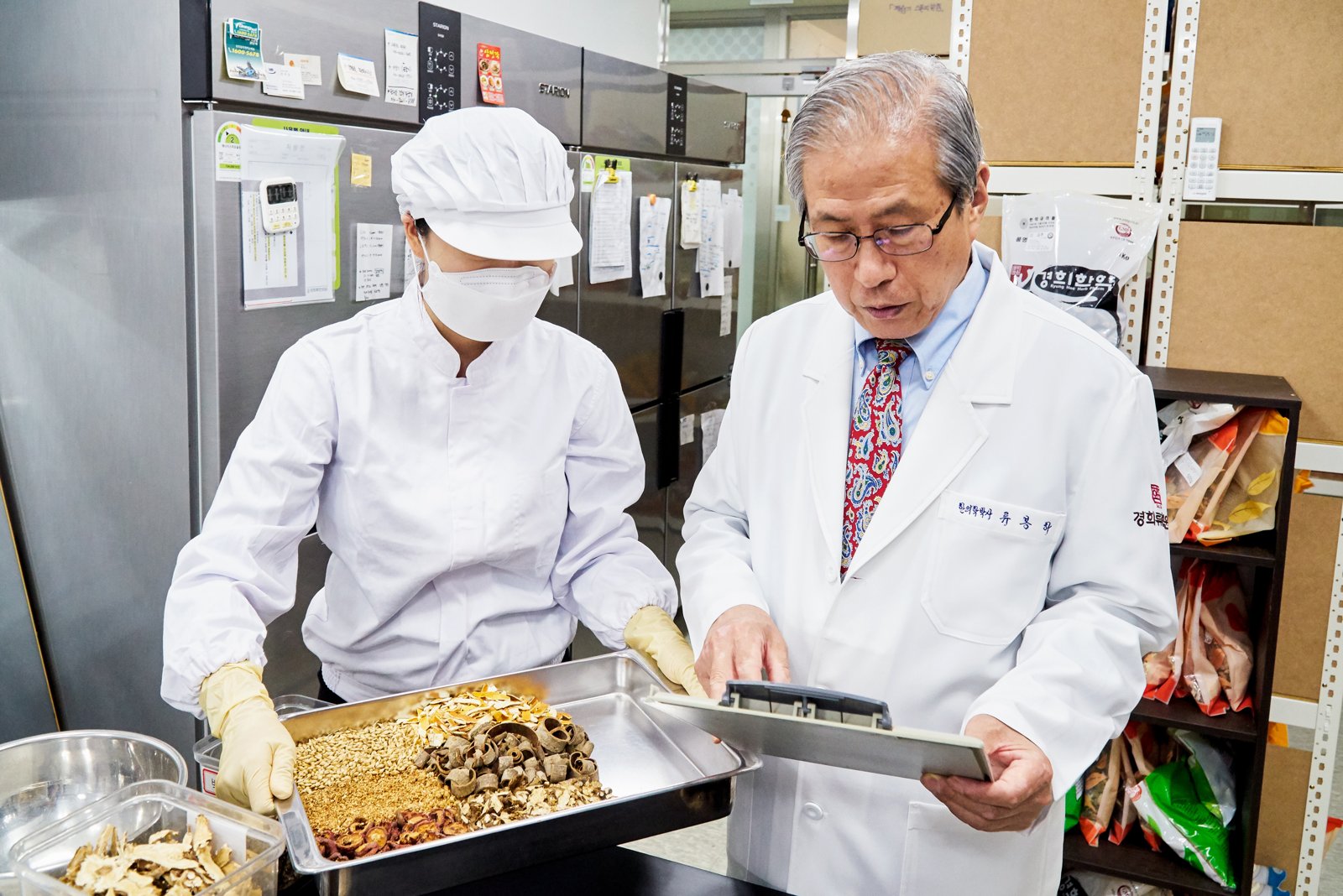
One-on-One Personalized Herbal Medicine
Korean medicine does not look only at the disease name; it looks at the person. Considering constitution, symptom severity, duration of illness, and lifestyle habits, we prescribe herbal medicine to help reduce causes and herbal medicine to support immunity.
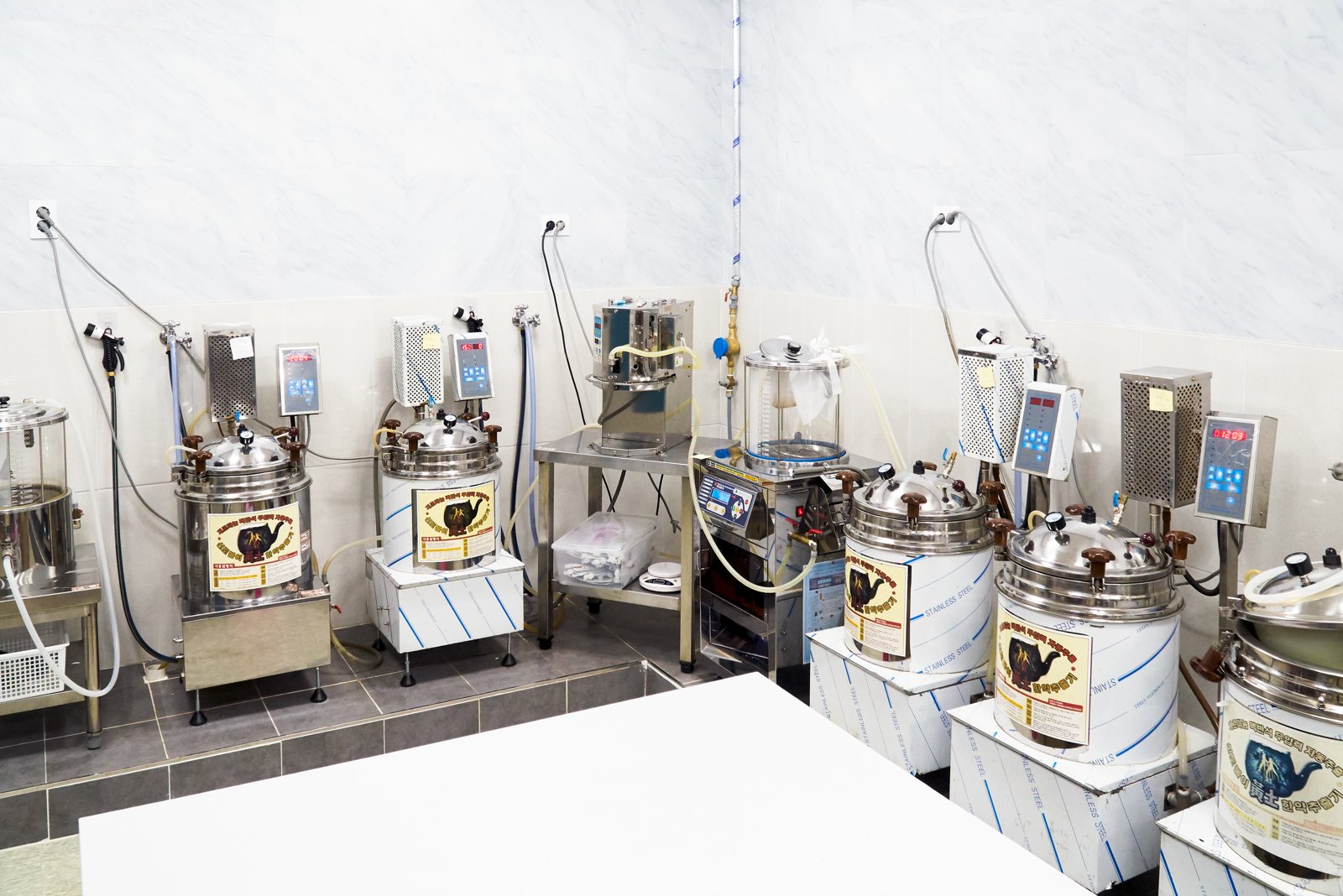
Skin Detox Herbal Medicine
This is prescribed for people whose accumulated waste products are affecting the skin. It is prepared so it can be decocted daily at our In-House Herbal Medicine Research Lab and prescribed promptly, and it is also used to help maintain an improved state.
Acupuncture · Moxibustion · Cupping · Pharmacopuncture
Acupuncture and moxibustion help support qi and blood (氣血) circulation and skin regeneration. When needed, cupping is used to draw out blood stasis, and heat-clearing and detoxifying (淸熱解毒) pharmacopuncture is used to calm heat sensations and inflammation.
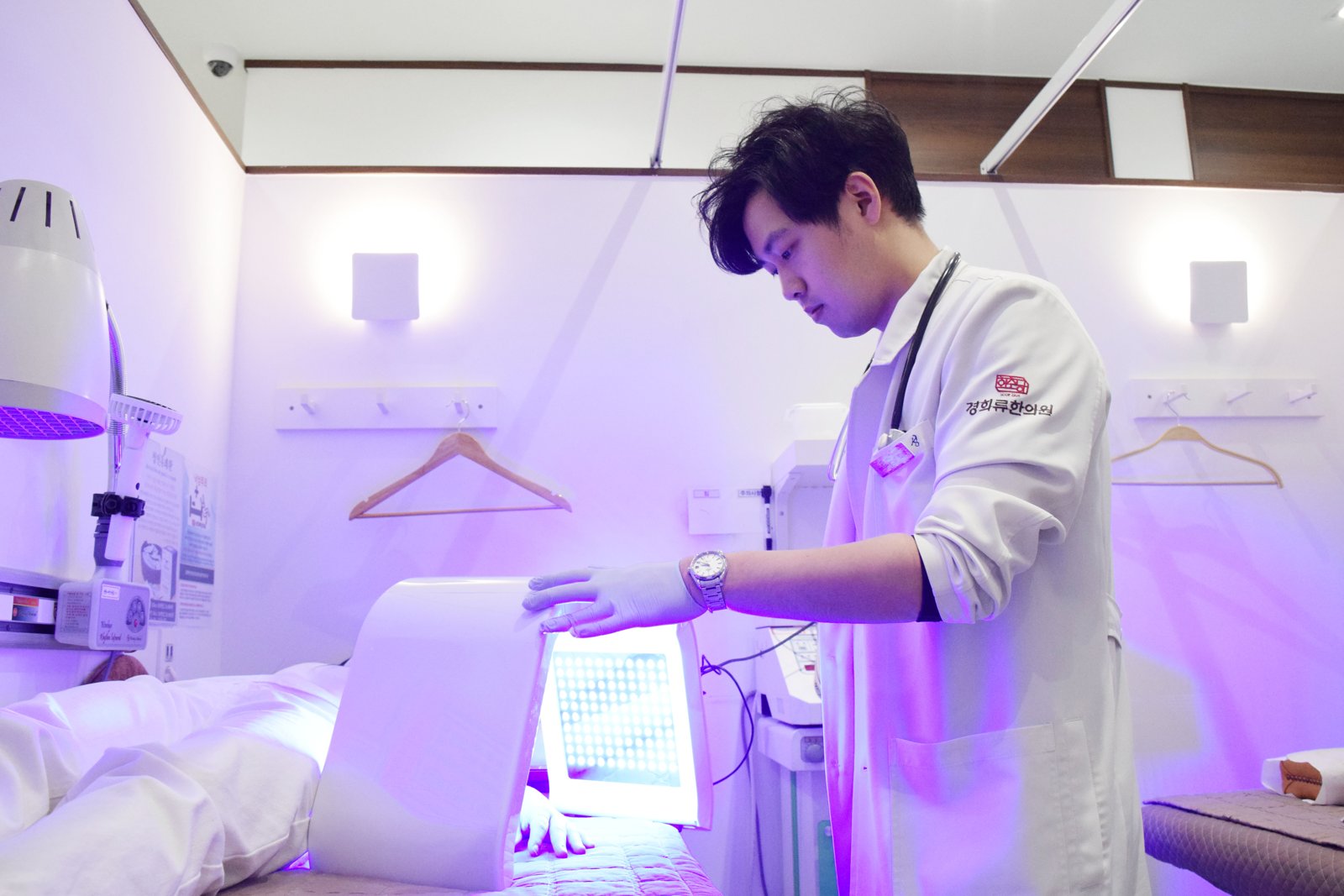
Phototherapy
Phototherapy uses ultraviolet light to help support the regeneration of healthy skin cells.
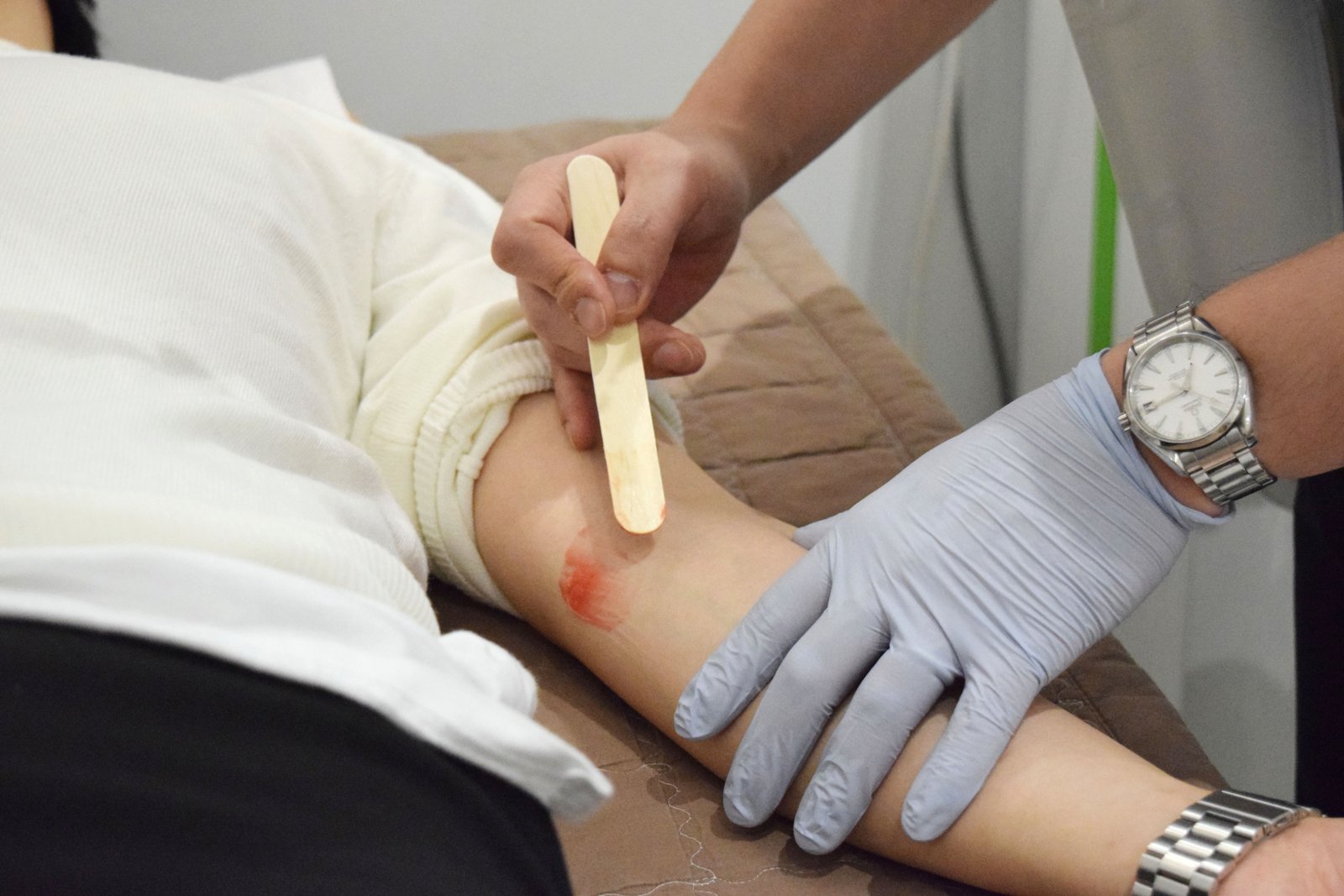
Korean Herbal Topical Preparations
Ointments prepared with herbal medicine ingredients are applied to lesions to help relieve symptoms such as itching.
- Jawoongo and Jawoongo cream — representative Korean herbal ointments made with ingredients such as Lithospermum root, Angelica root, and Sophora root, used to support skin soothing, regeneration, and moisturizing.
- Ilhwanggo — a cooling-feeling ointment made with ingredients such as Angelica dahurica root, Dictamnus root bark, mint, and Houttuynia, with a focus on reducing inflammation and itching, such as in folliculitis.
- Cheongyeolgo — made with ingredients such as Scutellaria root, Coptis rhizome, Phellodendron bark, and Gardenia fruit, and prescribed when there is oozing or pus and itching.
Facial Cleansing · Scalp Home Care
We guide you to cleanse gently and pay attention to cleanliness, while avoiding facial cleansers with strong exfoliating ingredients and maintaining moisturization. Because seborrheic dermatitis can also occur on the scalp, we also prescribe cleansing methods to reduce scalp symptoms, along with ointments, creams, and aroma oil sprays for home use.
CONSULTATION
Consider a consultation before symptoms become long-standing
If you bring your test results, we will review your current condition together.
06EXPERTISE
Symptoms appear on the face; we look for the cause inside the body
Intractable skin disease clinic, paper on Jaungo for radiation dermatitis
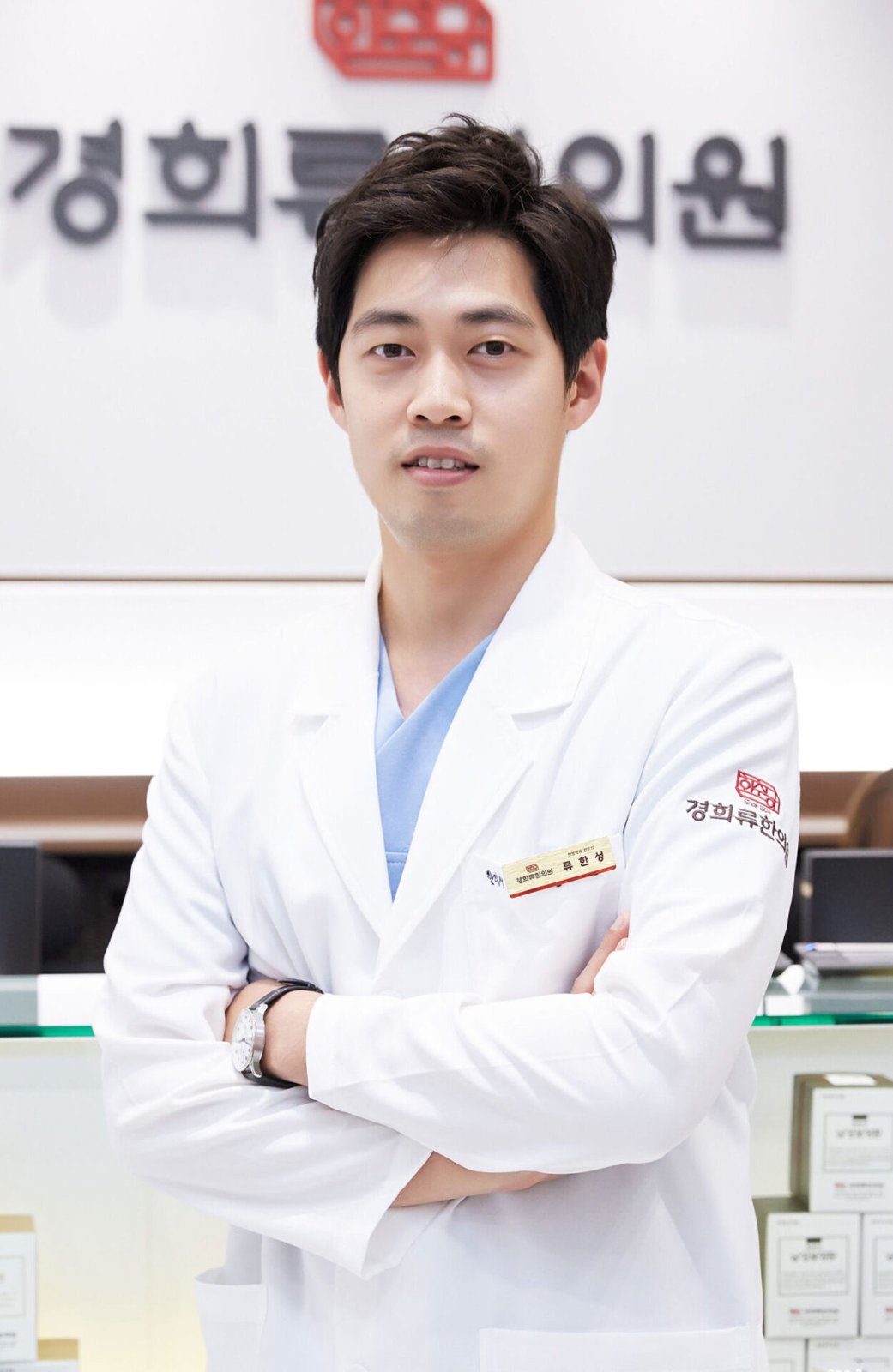
4th-Generation Korean Medicine Doctor · Korean Medicine Internal Medicine Specialist
Dr. Hansung Ryu, Chief Director
- Specialist Training, Korean Medicine Cancer Center, Kyung Hee University Korean Medicine Hospital at Gangdong
- Training at a Harvard Medical School-affiliated hospital (Joslin Diabetes Center)
- Training at the Block Center (Integrative Cancer Center, USA)
- Researcher in the Development of Korean Medicine Standard Clinical Practice Guidelines for Cancer Symptom Relief
SkinDigestive SystemDiabetes · MetabolismConstitutional Immunity & CancerPain · Traffic Accidents
- Dr. Hansung Ryu, Chief Director, a board-certified Korean internal medicine specialist, treats the intractable skin disease clinic.
- Seborrheic dermatitis occurs when lifestyle factors such as diet and stress overlap with organ imbalance and lowered immunity. We also examine the condition of the liver, stomach, and large intestine.
- Based on training experience at a Harvard Medical School–affiliated research center, we provide Korean medicine treatment together with home-care education such as facial cleansing and scalp care.
Related research
Efficacy and safety of Jaungo, traditional medicinal ointment, on radiation dermatitis in patients with breast cancer: a prospective, randomized controlled, single blinded, pilot study
This is a prospective randomized controlled pilot study evaluating the efficacy and safety of applying the Korean herbal ointment Jawoongo for radiation dermatitis in patients with breast cancer. It is not a study on seborrheic dermatitis, but on the topical preparation on this page, Jawoongo, and the original page does not include numerical results.
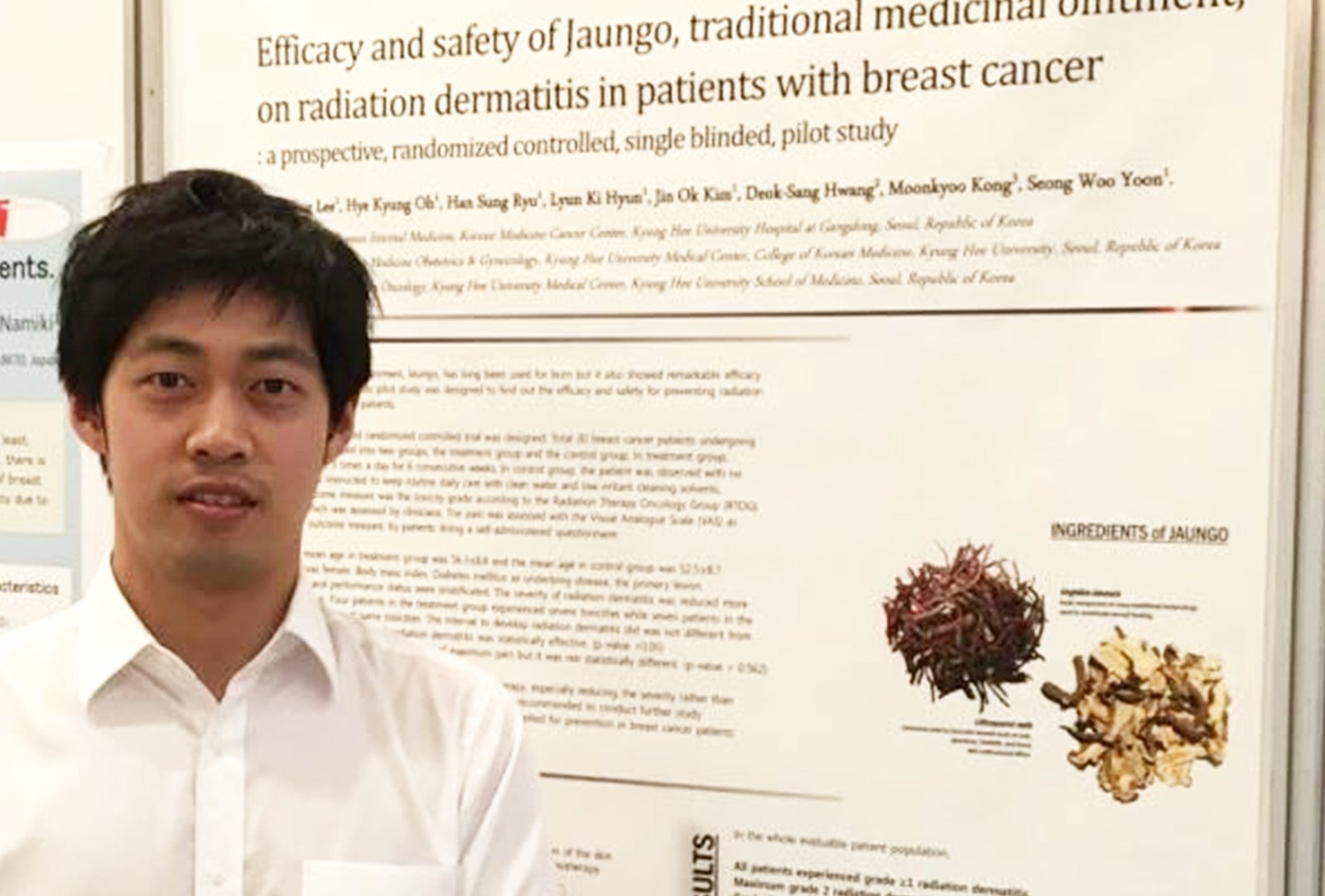
These are research findings reported in academic papers and do not guarantee individual treatment effects.
WHY HOECHUNDANG
Why Choose Hoechundang Kyunghee Ryu Korean Medicine Clinic
- 01
For 4 Generations Since 1904
For 4 generations, we have carried on Hoechundang’s treatment principle of seeing the stomach and intestines as the foundation of health.
- 02
Family Medical Team from Kyung Hee University Korean Medicine Hospital
Dr. Bongha Ryu, Honorary Director, who twice served as director of Kyung Hee University Korean Medicine Hospital and as a presidential physician; Dr. Hansung Ryu, Chief Director, a Korean medicine internal medicine specialist; and Dr. Seungwon Baek, Director, first author of an SCI-level paper on women’s health, provide care together.
- 03
Prepared In-House at Our Herbal Medicine Research Lab
Based on the research of our affiliated Herbal Medicine Research Institute, we prepare prescriptions in-house and use verified herbal ingredients at a level supplied to Kyung Hee University Korean Medicine Hospital.
- 04
15 Acupuncture and Moxibustion Treatment Rooms
We expanded our treatment rooms so patients can receive a variety of treatments, such as acupuncture, pharmacopuncture, Cupping, large moxibustion, radiofrequency, thermal dome therapy, Chuna Manual Therapy, and traction therapy, with minimal waiting.
07FAQ
Frequently Asked Questions
QHow should I wash my face in daily life?
It is best to cleanse gently and pay attention to cleanliness, while avoiding facial cleansers that contain strong exfoliating ingredients. Please also be sure to moisturize after cleansing.
QCan young women also develop seborrheic dermatitis?
It is known to be more common in adult men, but recently, younger patients have also been increasing regardless of sex due to factors such as cosmetics, harmful substances, and unhealthy eating habits.
QDo you also treat scalp symptoms?
Yes. Because seborrheic dermatitis can also occur on the scalp, we provide guidance on cleansing methods and home care suited to the scalp condition and combine this with Korean medicine treatment.
CONSULTATION
Consider a consultation before symptoms become long-standing
If you bring your test results, we will review your current condition together.
RELATED
Related Skin Conditions
- Chronic Skin ConditionsEczema (Nummular Eczema)Itchy, oozing eczema—does it come back when you stop medication?Learn more
- Chronic Skin ConditionsAdult Atopic DermatitisAtopic dermatitis that calms down and then flares again—can it keep recurring in adulthood?Learn more
- Chronic Skin ConditionsPsoriasisAre the white flakes you left alone because they were not itchy spreading more and more?Learn more
- Chronic Skin ConditionsUrticariaUrticaria that settles down and then swells up again may be a signal from your bodyLearn more
RESERVATION
Seborrheic Dermatitis:
start with a consultation
Leave your details and we will contact you in order during clinic hours. First-time visitors are welcome — we start by carefully understanding your current condition.
+82-2-792-1904- Mon · Tue · Wed · Thu09:30 – 19:30
- Fri09:30 – 18:30
- Sat09:30 – 14:30 (open without a lunch break)
- LunchWeekdays 13:30 – 14:30