
Main ClinicWomen's Health
MENSTRUAL PAIN · IRREGULAR PERIODS · PMS
Dysmenorrhea · Irregular Menstruation · Premenstrual Syndrome
Do you reach for pain relievers every time your period starts?
Dysmenorrhea is not something you have to endure. We look at your menstrual patterns to understand the condition of your uterus and body, and treat according to the cause.
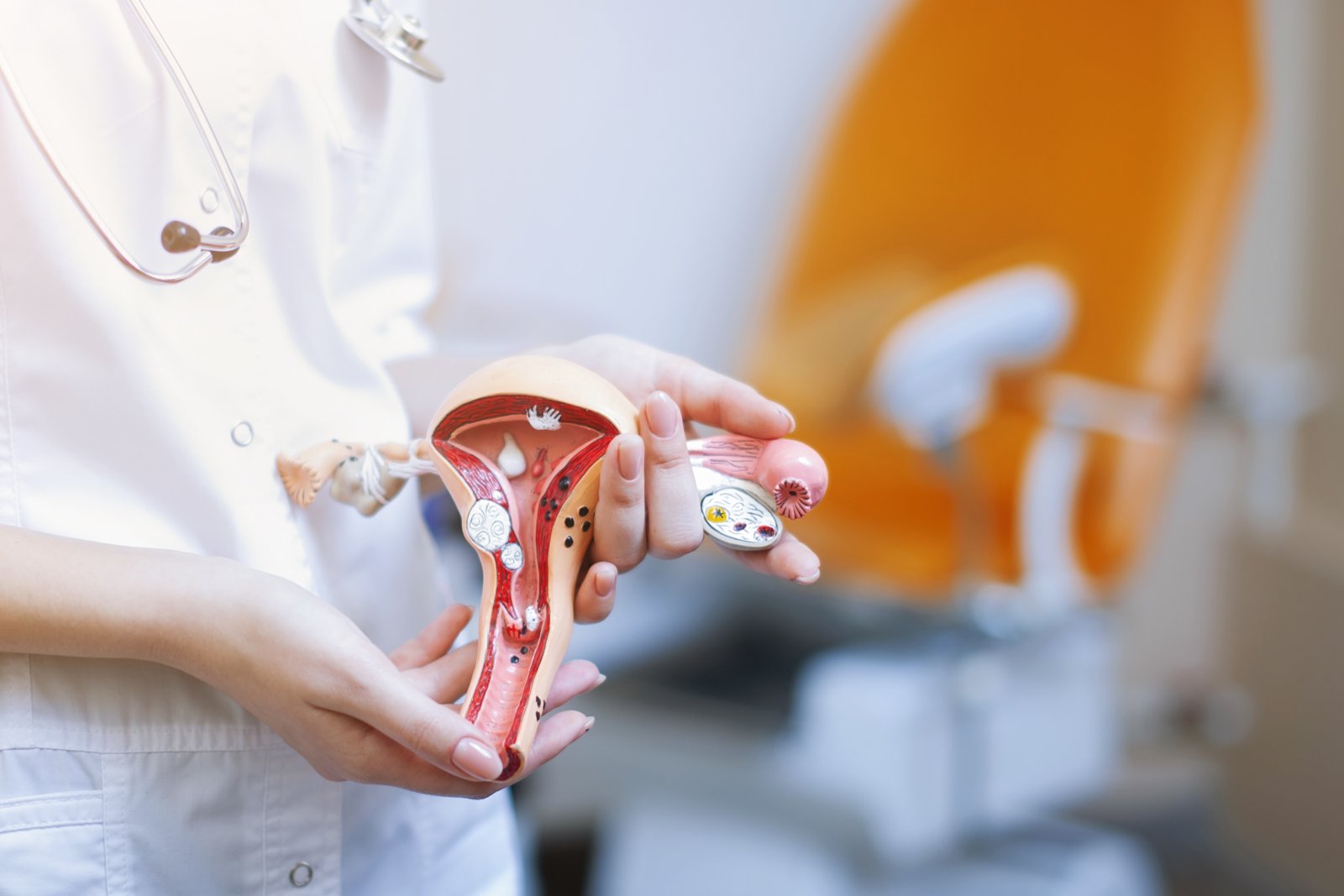
of Hoechundang care
- POINT 01
Care is provided by a female Korean medicine doctor who has published an SCI(E)-level paper based on women's health clinic research
- POINT 02
We distinguish the causes of pain and irregularity through iris, autonomic nervous system (HRV), Ryodoraku, and cellular health tests
- POINT 03
We warm the uterus with personalized herbal decoctions, in-house prepared extract powders, acupuncture, and large moxibustion
01SELF CHECK
Do You Have These Concerns?
0/ 8
Tap the items that apply to you.
02WHY IT HAPPENS
Why Do Menstrual Symptoms Occur?
In Korean medicine, menstrual patterns are considered an important measure of women's health. Menstrual problems are not only about hormones; they are the result of several organ systems being involved together. Even if the outward symptoms look the same, the internal causes in the body differ from person to person.
- 01
Dysmenorrhea
About 50% of women experience dysmenorrhea, and 80% of them have primary dysmenorrhea with no clear cause. If the pain feels squeezing or distended, eohyeol (瘀血: stagnant blood) may have accumulated and uterine blood flow may be poor. If the pain feels empty and weak with low energy, the uterus is often cold and weak.
- 02
Premenstrual Syndrome (PMS)
It can interfere with daily life through abdominal pain, bloating, headache, dizziness, edema, indigestion, weight changes, increased appetite, and more. In most cases, the main cause is reduced circulation, which leads to qi stagnation (氣滯) and eohyeol.
- 03
Irregular Menstruation · Amenorrhea
It may appear as amenorrhea, cycle changes, changes in menstrual flow, or abnormal bleeding. It can occur with insufficient qi and blood, blood that is too cold or too hot, nutritional imbalance from excessive dieting, or blocked circulation due to stress, obesity, seupdam (濕痰: waste products accumulated in the body), and eohyeol.
- 04
Polycystic Ovary Syndrome
This is a condition in which multiple follicles grow at the same time but do not mature properly, so ovulation does not occur. It is considered related to insulin resistance or endocrine issues in the hypothalamic-pituitary-ovarian axis. Because there are often no clear symptoms, it is frequently diagnosed only after a checkup for an irregular cycle.
- 05
We Also Address Digestion · Energy Issues
In Korean medicine, menstruation is considered smooth when the liver, which stores blood; the spleen and stomach (脾胃: the digestive system), which govern blood and provide nutrition; and the kidneys, which govern reproduction, are healthy. If you have indigestion, constipation, diarrhea, low energy, dizziness, headache, or sleep disturbance, we also work on restoring gastrointestinal function.
03WHY TREAT EARLY
What Can Happen If You Just Put Up With It?
Because menstrual symptoms are common, it can be easy to let them pass without treatment. Pain relievers only temporarily mask pain by blocking pain substances (prostaglandins). If the cause remains, eohyeol can accumulate and the pain may recur. Polycystic ovary syndrome can make ovulation difficult and may increase the risk of infertility and miscarriage, so active treatment is needed.
PROCESS
How Care Proceeds
- 01
Consultation · Pulse Diagnosis
We listen carefully to your symptoms, lifestyle habits, and treatment history, then assess your condition through pulse and tongue diagnosis.
- 02
Detailed Testing
We check organ function, energy level, and autonomic nervous system balance with tests suited to your condition.
- 03
Pattern Identification · Diagnosis
We combine your test results and constitution to find the underlying cause of your symptoms.
- 04
1:1 Customized Prescription
We design the needed treatments for each person, including herbal medicine, acupuncture, pharmacopuncture, and moxibustion.
- 05
Progress Management
We monitor your progress through regular tests and consultations and adjust prescriptions as needed.
04DIAGNOSIS
We Check Whether the Uterus Is Inherently Weak or Circulation Is the Issue
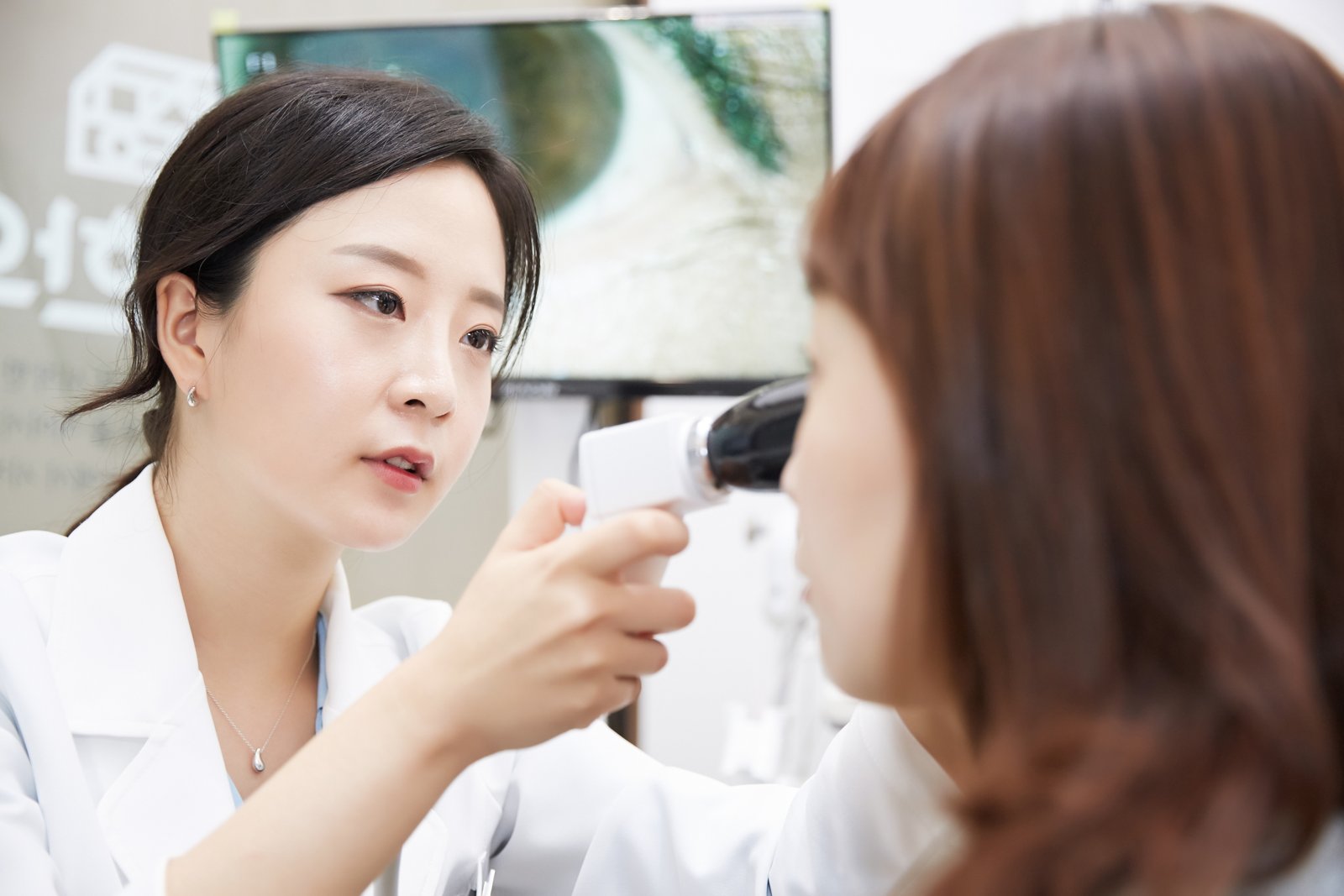 TEST 01
Iris Genetic Constitution Test
We comprehensively assess genetic strengths and weaknesses, constitutional imbalance, emotional responses, and autonomic nervous system balance. We evaluate whether the uterus is congenitally weak, and whether the balance of cold and heat (寒熱: how cold or hot the body is), circulation, and stress are affecting symptoms. You can be tested comfortably even if you come in wearing contact lenses.
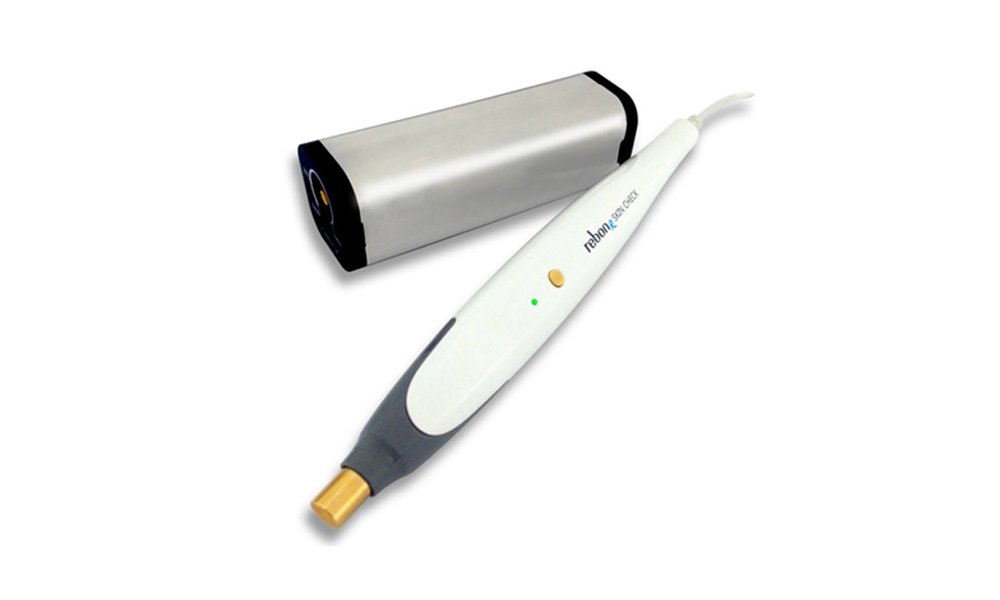 TEST 02
Ryodoraku Meridian Function Test
We measure meridian function at major acupuncture points on the hands and feet to understand overall energy levels and the deficiency or excess (虛實: whether there is a deficient state or a blocked, overflowing state) of the condition. If energy is very low, simply reducing pain or stopping bleeding may lead to recurrence or slower recovery, so this must be checked.
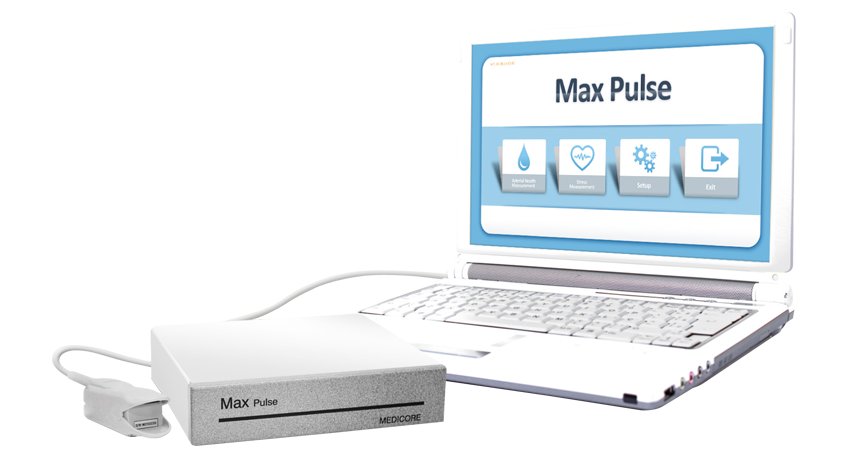 TEST 03
Heart Rate Variability (HRV) Autonomic Nervous System Test
We check the activity and balance of the sympathetic and parasympathetic nerves. Dysmenorrhea, premenstrual syndrome, irregular menstruation, and polycystic ovary syndrome are strongly affected by stress, depression, and tension, so autonomic nervous system stability is important.
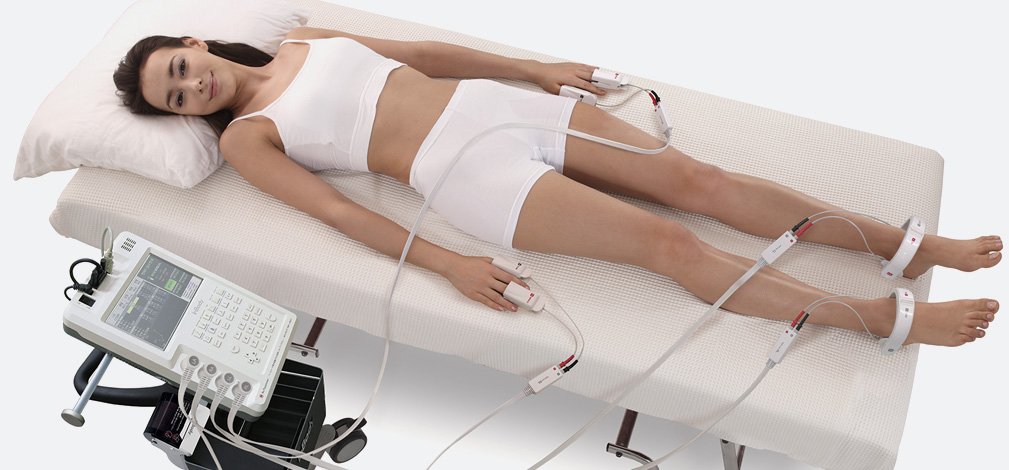 TEST 04
Cellular Health Immunity Test (InBody S10)
We assess cellular function, immune, circulatory, and nutritional status, along with body water, body fat, and muscle loss. We carefully check energy and nutritional deficiency or excess, fluid balance, and body fat percentage to find the causes of discomfort.
If you bring existing test results, such as blood tests, we can provide more thorough care.
05TREATMENT
Warm the Uterus, Help Ovarian Function Return to Its Place
We warm the uterus so menstrual blood can be discharged cleanly and the endometrium can remain strong. Rather than artificially controlling hormones, we aim to help the hypothalamic-pituitary-ovarian axis find its own balance and support recovery of uterine and ovarian function.
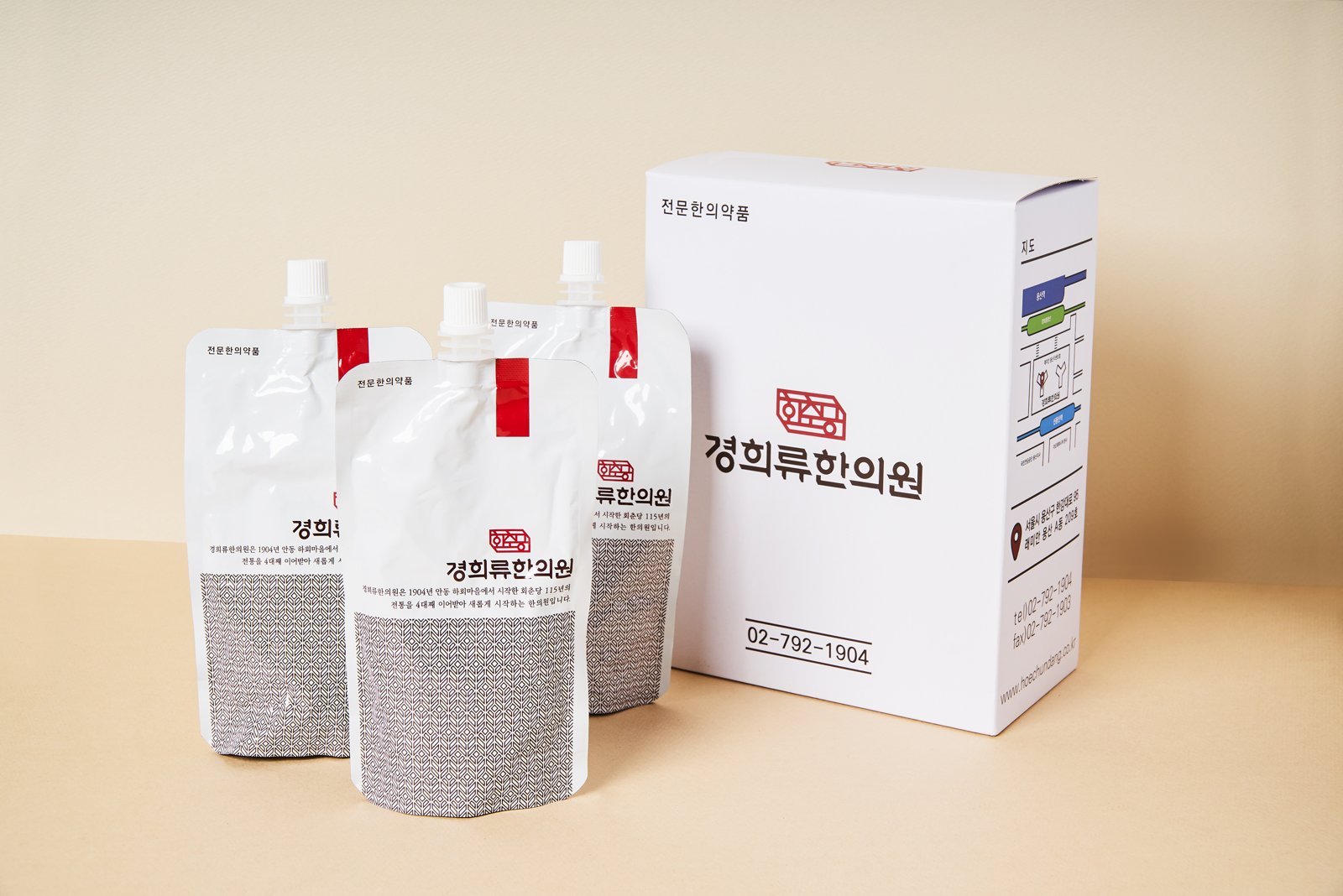
One-on-One Personalized Herbal Decoction
We prescribe after considering your constitution, symptom severity, duration of the condition, and lifestyle habits together. We decide whether to focus mainly on therapeutic herbal medicine that relieves discomfort, or to use it as both treatment and tonic care to replenish weakened uterine and ovarian function, gastrointestinal function, and energy. Medicinal herbs are adjusted (加減: adding and removing) according to individual symptoms.
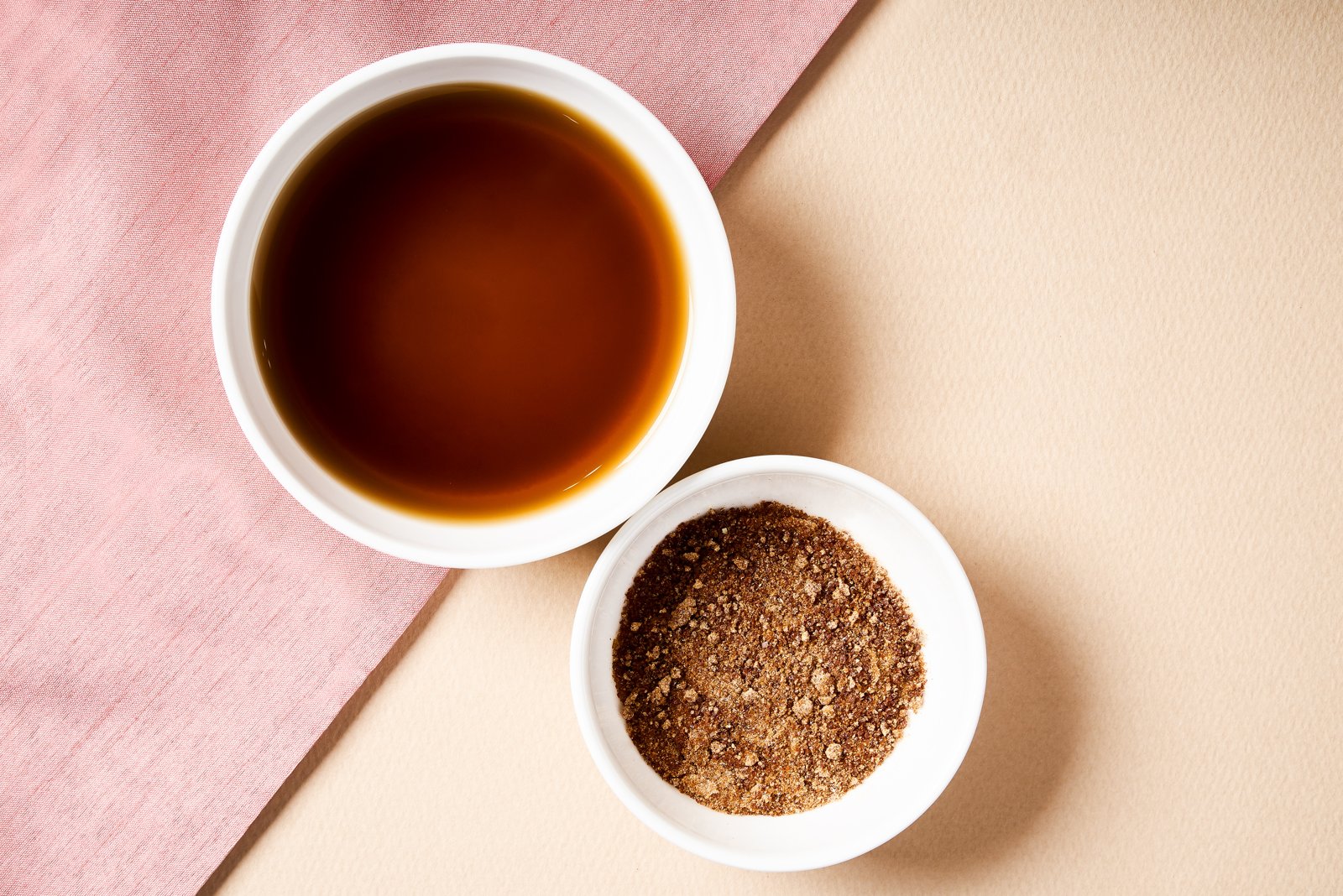
Eohyeol (Blood Stasis) Circulation Extract Powder
At our in-house Herbal Medicine Research Institute, herbal decoctions simmered for about 3 hours are prepared as high-concentration extract powders and capsules for easy carrying and use. This therapeutic medicine helps blood circulation and releases eohyeol to manage dysmenorrhea and menstrual discomfort. It is mainly combined with decoctions and used so it can be taken instead of pain relievers; after treatment has stabilized, it may also be continued for menstrual care.
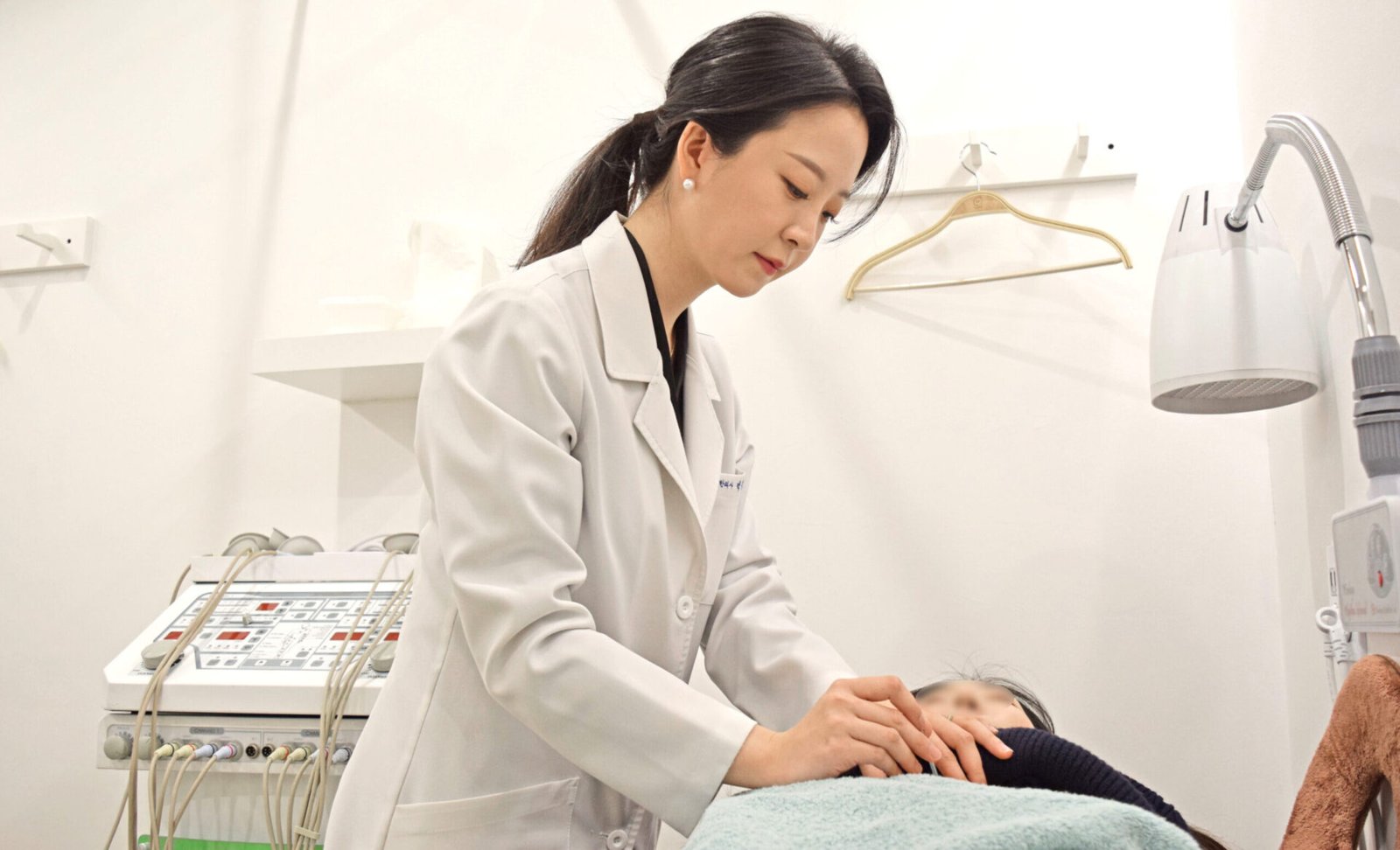
Bowi · Bogung Acupuncture Treatment
For those with a weak constitution and insufficient blood flow, we need to increase blood flow to the uterus and improve the uterine immune environment. According to symptoms and pattern identification (辨證: Korean medicine diagnosis), we select acupuncture points on the abdomen, back, arms, and legs to support qi and blood circulation in the lower abdomen and recovery of uterine and ovarian function. We also help regulate autonomic nervous system balance, which may have been disrupted by long-standing discomfort, to help the mind feel more at ease.
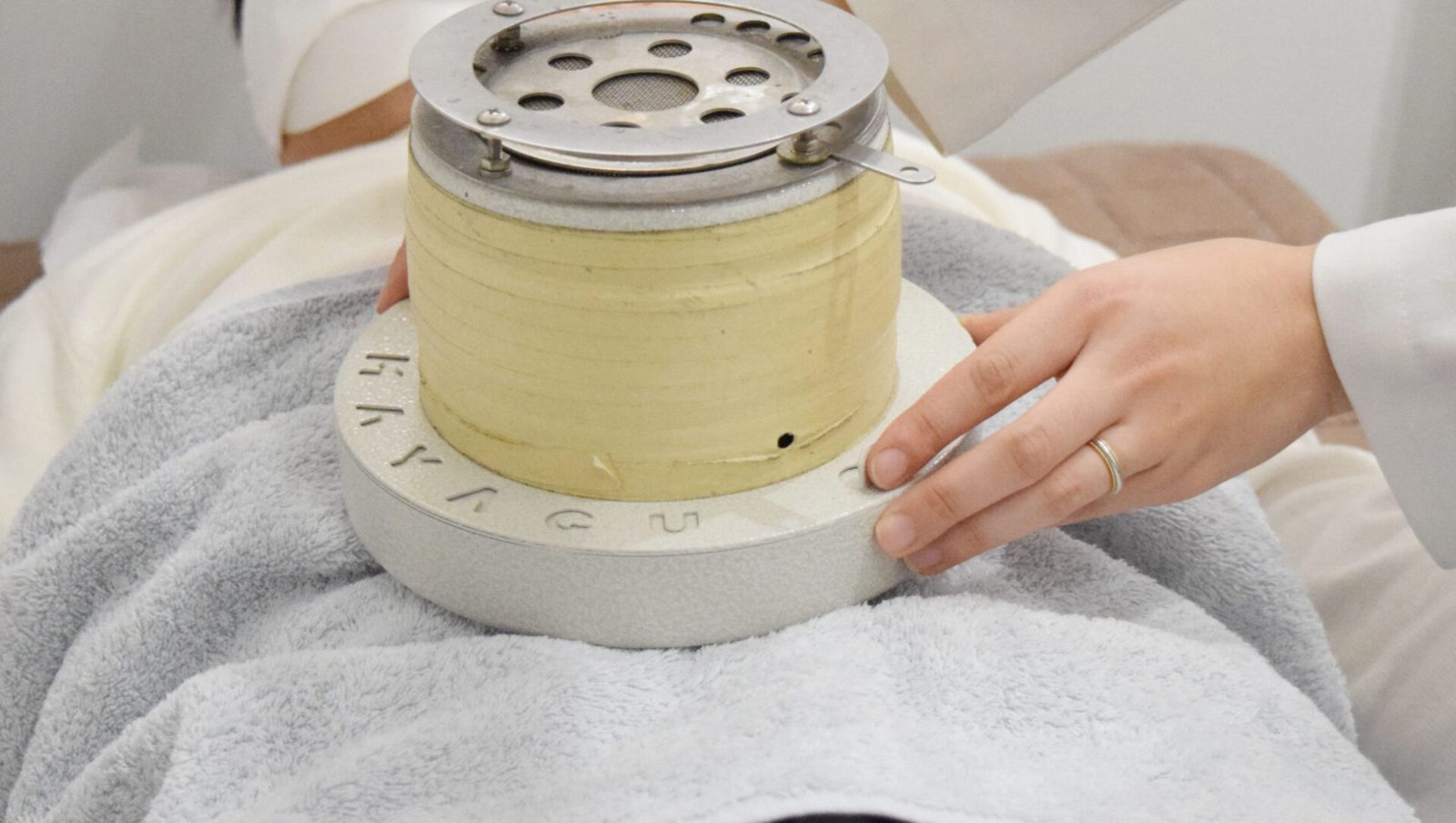
Abdominal Large Moxibustion
We apply moxibustion mainly to abdominal points such as CV12, CV10, CV4, and CV6 to help blood circulation and manage lower abdominal coldness and metabolic imbalance. This is smokeless (無煙) moxibustion made with Ganghwa mugwort and hinoki cypress together with charcoal, so it produces less smoke and odor and reduces the allergy burden.
Aroma Heat Therapy
For those with severe coldness, we provide heat therapy that warms the hands, feet, and abdomen together. Certified organic aroma oils from the International Federation of Aromatherapists are blended for uterine circulation and tension relief so that heat stimulation is delivered deeply.
Most patients take herbal medicine while receiving acupuncture and moxibustion treatment 2–3 times per week. At each visit, we also guide you on the treatment needed going forward and the lifestyle habits that should be improved.
06TREATMENT STEPS
Treatment Proceeds in 3 Steps
- STEP 1
Accurate Diagnosis
We identify the cause by comprehensively reviewing symptoms, menstrual patterns, pulse diagnosis, abdominal diagnosis, and test results. The treatment direction differs depending on whether it is an excess pattern (實證), with blocked circulation and accumulated eohyeol, or a deficiency pattern (虛證), with insufficient qi, blood, and yang qi.
- STEP 2
Bowi (Tonifying the Stomach) · Bogung (Tonifying the Uterus) Treatment
We support the stomach and uterus together and help the hormonal axis find its own balance. We release tension to correct the flow of qi and blood, clear away seupdam and eohyeol to create gyeonghaeng (經行: a state in which menstruation flows well), and replenish both qi and blood.
- STEP 3
Maintenance with Ongung (Warming the Uterus) Treatment
The uterus is sensitive to temperature, and when it becomes cold, its discharge function can decline and eohyeol can accumulate, causing pain to recur. We help keep the uterus warm so ovulation and the menstrual cycle can remain stable.
CONSULTATION
Consider a consultation before symptoms become long-standing
If you bring your test results, we will review your current condition together.
07EXPERTISE
A Female Korean Medicine Doctor Also Looks After Concerns Across the Life Cycle
First author of an SCI-level paper on Women’s Health Clinic patients
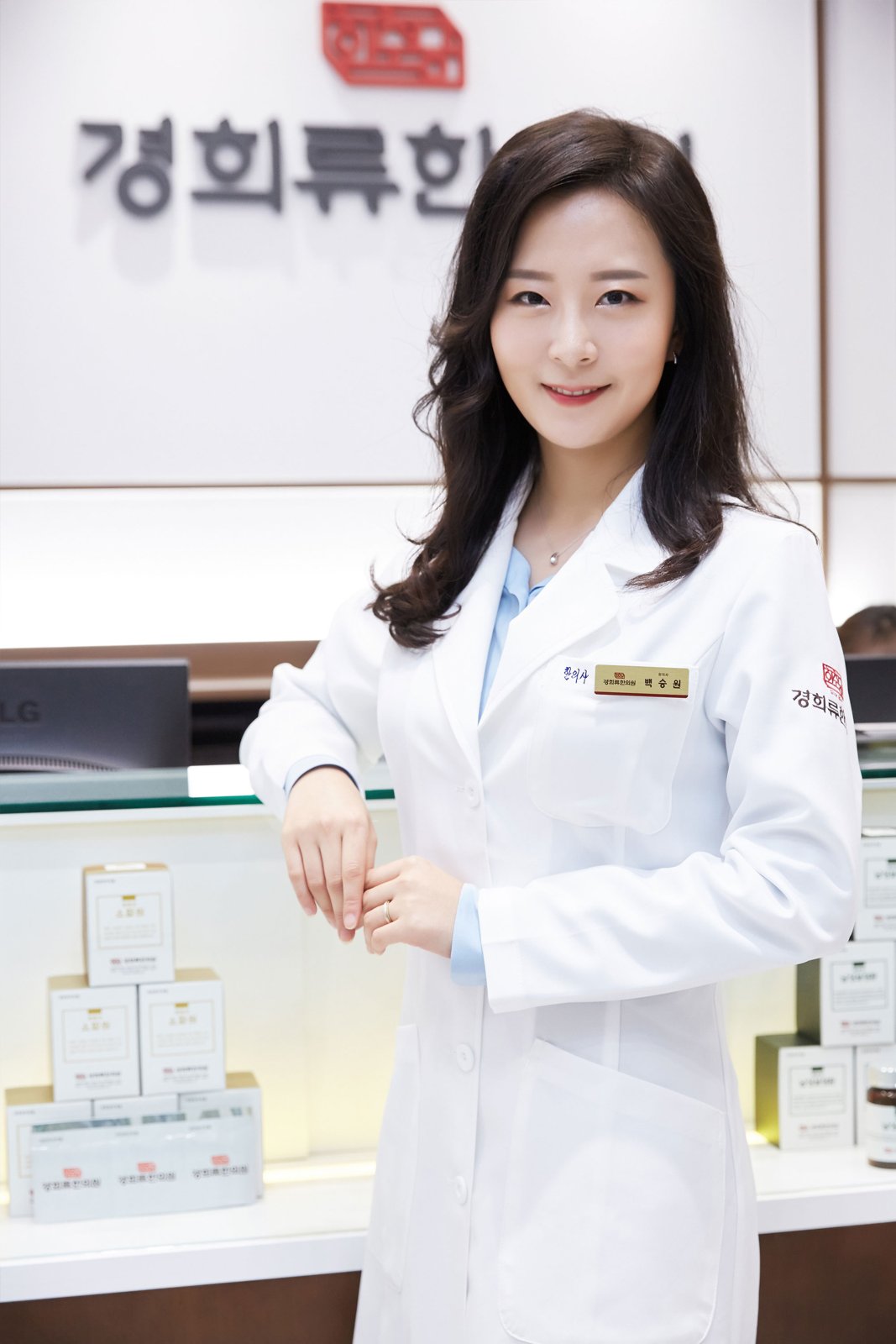
4th-Generation Married Korean Medicine Doctors · First Author of an SCI-Level Paper on Women’s Health
Dr. Seungwon Baek, Director
- Entered Sangji University College of Korean Medicine at the top of the class · Graduated salutatorian
- Master’s Program in Clinical Korean Medicine, Kyung Hee University
- Specialist Training Program, Department of Acupuncture and Moxibustion Medicine (Facial Palsy Center · Spine and Joint Center), Kyung Hee University Korean Medicine Hospital at Gangdong
- Certified Korean Medicine Doctor in Korean Medicine Obesity Treatment
Women's HealthDiet & BeautyPediatricsFacial PalsyPain · Traffic Accidents
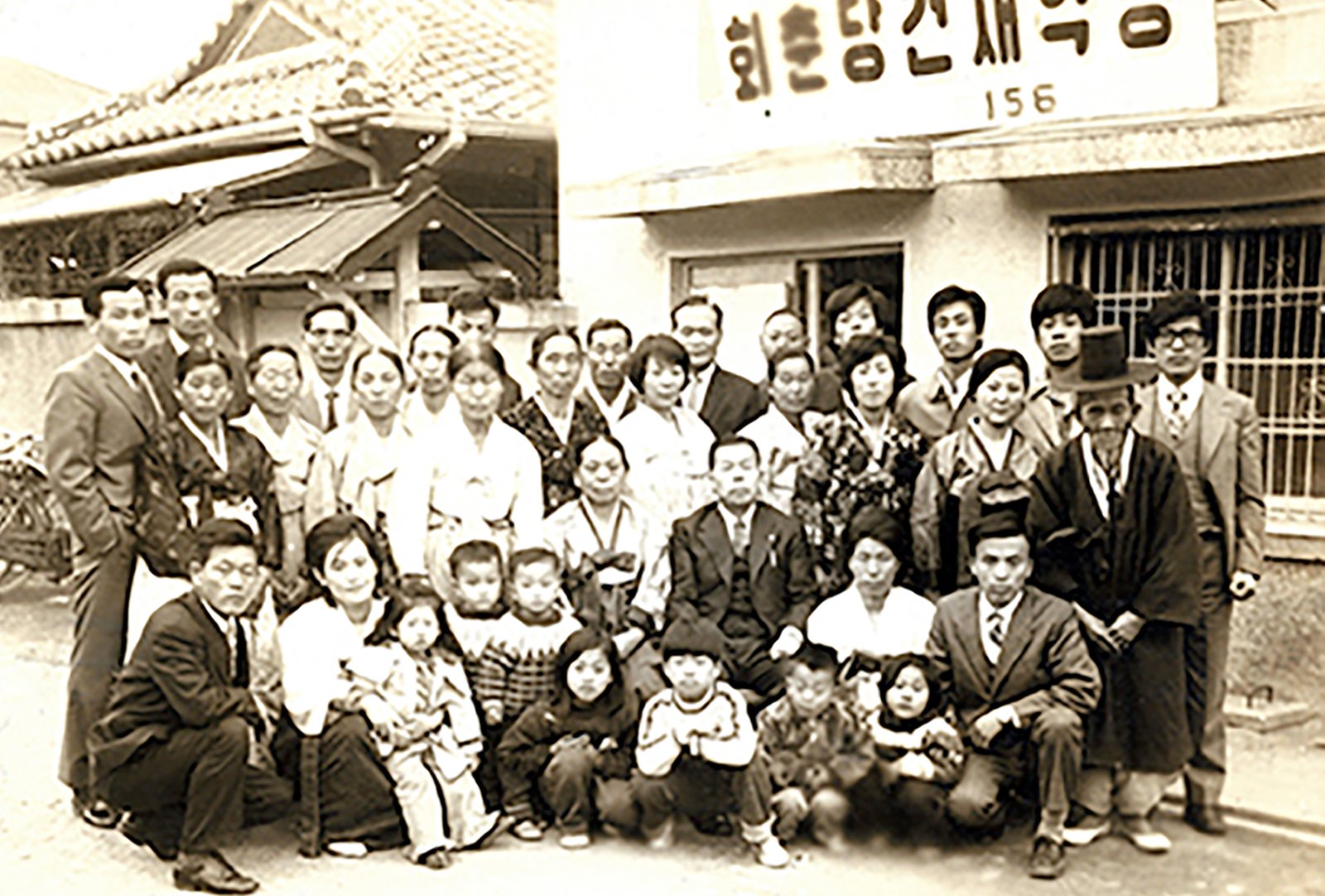
- We bring into care the women's health prescriptions of Hoechundang, passed down for four generations since 1904, continuing the wishes of the founder's wife, who was a pillar of Hoechundang.
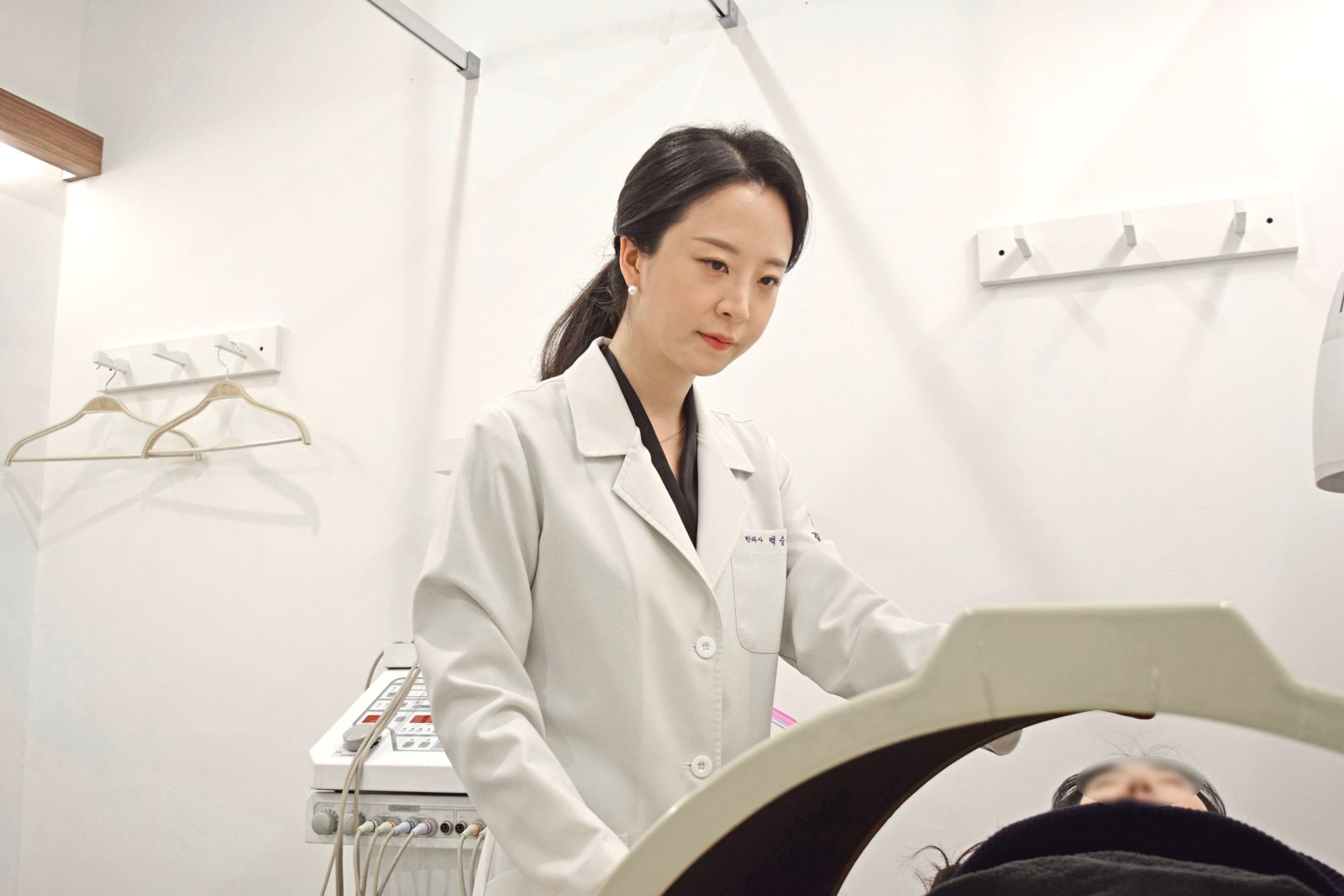
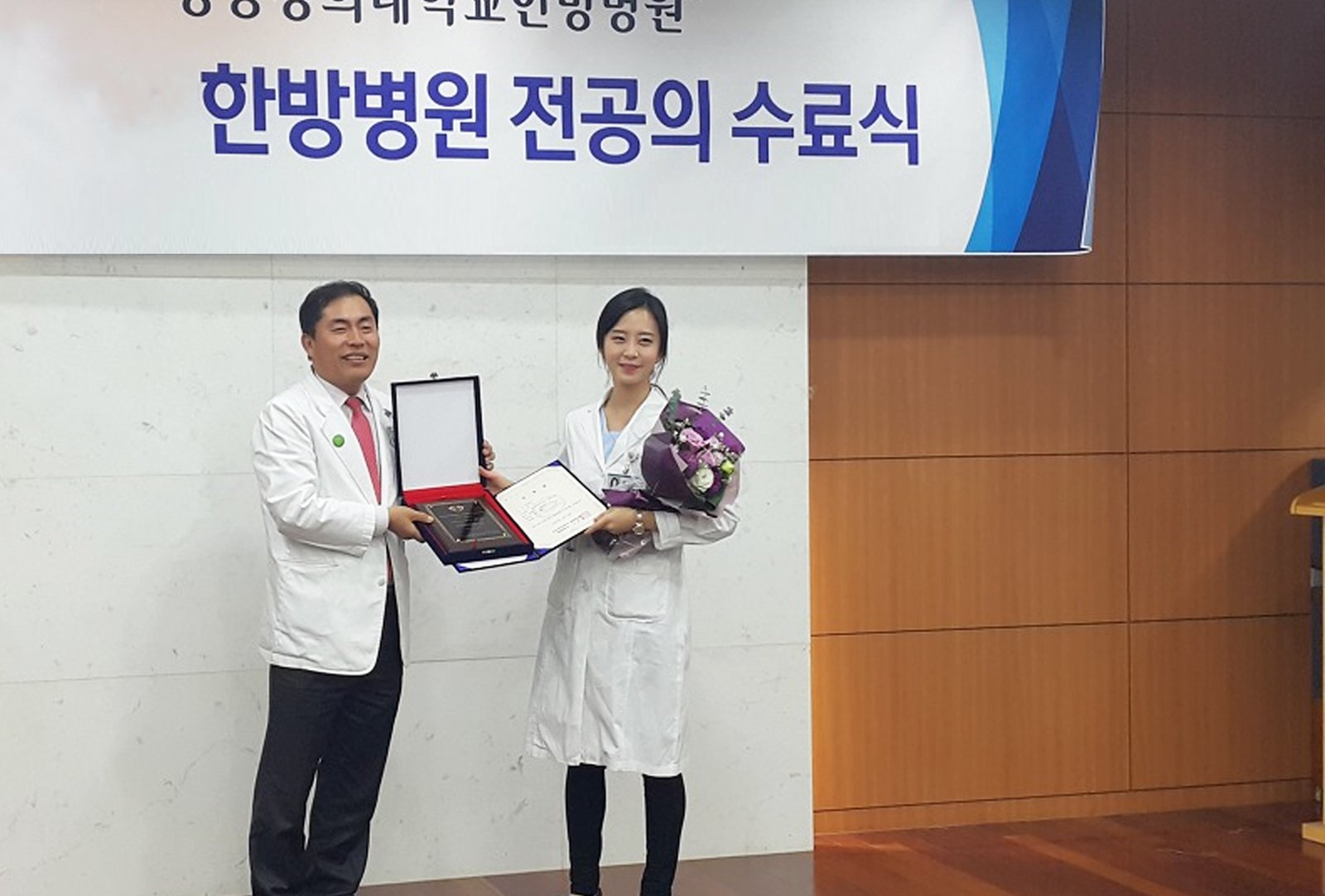
- Dr. Seungwon Baek, Director, trained at Kyung Hee University Korean Medicine Hospital and is the first author of an SCI(E)-level paper on the relationship between tongue diagnosis (舌診: tongue examination) and cold-heat pattern identification in women's health clinic patients.
- With the care that comes from entering Sangji University College of Korean Medicine at the top of her class and graduating second in her class, and with her experience as a wife and mother, she listens attentively to concerns at each stage of life.
Related research
Relationship between Tongue Temperature Estimated by Infrared Thermography, Tongue Color, and Cold-Heat Pathological Patterns: A Retrospective Chart Review Study
This study retrospectively analyzed the medical records of women's health clinic patients and examined the correlation between tongue temperature and tongue color measured by infrared thermography and cold-heat (寒熱) pattern identification.
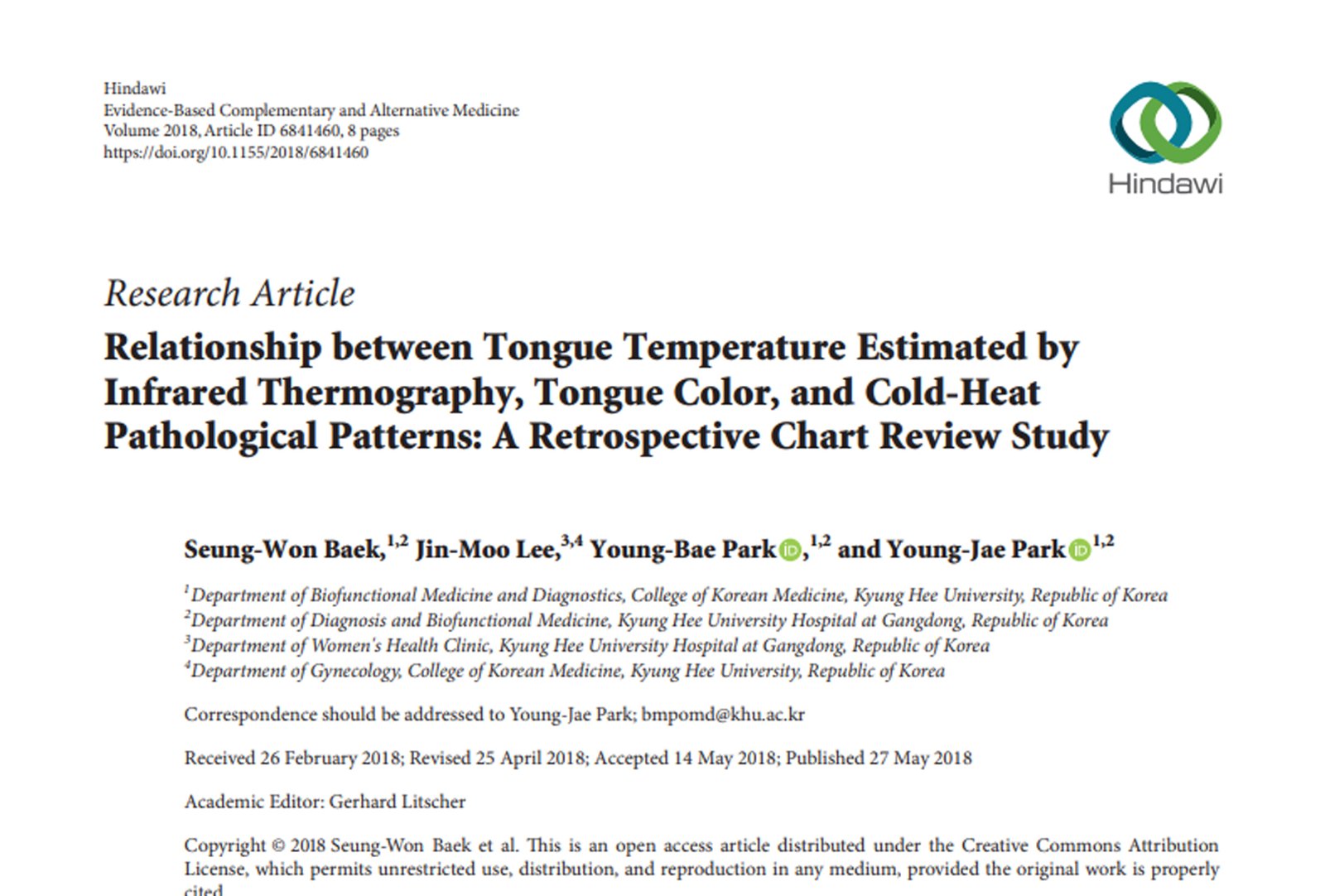
disclaimers.paper
WHY HOECHUNDANG
Why Choose Hoechundang Kyunghee Ryu Korean Medicine Clinic
- 01
For 4 Generations Since 1904
For 4 generations, we have carried on Hoechundang’s treatment principle of seeing the stomach and intestines as the foundation of health.
- 02
Family Medical Team from Kyung Hee University Korean Medicine Hospital
Dr. Bongha Ryu, Honorary Director, who twice served as director of Kyung Hee University Korean Medicine Hospital and as a presidential physician; Dr. Hansung Ryu, Chief Director, a Korean medicine internal medicine specialist; and Dr. Seungwon Baek, Director, first author of an SCI-level paper on women’s health, provide care together.
- 03
Prepared In-House at Our Herbal Medicine Research Lab
Based on the research of our affiliated Herbal Medicine Research Institute, we prepare prescriptions in-house and use verified herbal ingredients at a level supplied to Kyung Hee University Korean Medicine Hospital.
- 04
15 Acupuncture and Moxibustion Treatment Rooms
We expanded our treatment rooms so patients can receive a variety of treatments, such as acupuncture, pharmacopuncture, Cupping, large moxibustion, radiofrequency, thermal dome therapy, Chuna Manual Therapy, and traction therapy, with minimal waiting.
08FAQ
Frequently Asked Questions
QCan't I Just Take Pain Relievers?
Pain relievers temporarily mask pain by blocking prostaglandins, which are needed when the endometrium sheds. In the long term, waste product elimination can be disrupted and eohyeol may accumulate, causing the uterus to contract more strongly at the next period and the pain may worsen. Korean medicine treatment focuses on warming the uterus and supporting circulation to address the causes of pain.
QI am taking birth control pills for irregular menstruation.
Birth control pills can make menstruation appear regular, but they are not a treatment that improves the ovulation disorder itself. They may have a tendency to promote blood clots and affect blood circulation, and if you are preparing for pregnancy, you should discuss long-term use with your primary doctor. Please tell us about any medications you are taking during your visit so we can consider them when creating your treatment plan.
QHow Is Extract Powder Different From a Decoction?
These are powders and capsules made from decoctions simmered for about 3 hours at our in-house Herbal Medicine Research Institute and concentrated into high-concentration extracts. They are easy to carry and take, so they may be used together with decoctions or continued for menstrual care after treatment has stabilized.
QHow Often Do I Receive Treatment?
Most patients take herbal medicine while receiving acupuncture and moxibustion treatment 2–3 times per week. The duration and frequency are guided based on your condition during the visit.
QCan I Have an Iris Test If I Wear Contact Lenses?
Yes. We are prepared so you can be tested comfortably even if you come in wearing contact lenses.
CONSULTATION
Consider a consultation before symptoms become long-standing
If you bring your test results, we will review your current condition together.
RELATED
Related Care
 Women's HealthUterine · Ovarian ConditionsWere you told during a checkup that you “have a growth,” and are you just watching it?Learn more
 Women's HealthRecovery After Infertility · MiscarriageAs the waiting grows longer, your body and heart may feel worn downLearn more
 Women's HealthMenopausal SyndromeDo you suddenly feel hot and sweaty, or get angry for no clear reason?Learn more
 Women's HealthPostpartum CareAfter childbirth, do you feel like you are not recovering no matter how much you rest?Learn more
RESERVATION
Dysmenorrhea · Irregular Menstruation · Premenstrual Syndrome:
start with a consultation
Leave your details and we will contact you in order during clinic hours. First-time visitors are welcome — we start by carefully understanding your current condition.
+82-2-792-1904- Mon · Tue · Wed · Thu09:30 – 19:30
- Fri09:30 – 18:30
- Sat09:30 – 14:30 (open without a lunch break)
- LunchWeekdays 13:30 – 14:30