
Main ClinicDigestive Disorders
CHRONIC DIARRHEA · CONSTIPATION
Chronic Diarrhea · Constipation
Diarrhea or constipation that only improves briefly even with “good” medicine—are you silently enduring it?
Long-standing diarrhea and constipation are often not just intestinal problems. They are frequently accompanied by weakened spleen-stomach (脾胃) function, which leads the entire digestive system, and reduced vitality. We identify the cause and help restore the stomach and intestines together.

of Hoechundang care
- POINT 01
Prescriptions based on patterns such as weak spleen-stomach, weak kidney qi, stress, and blood stasis
- POINT 02
Maintenance care with Anjang (Calming the Intestines) treatment after Bowi (Tonifying the Stomach) · Bojang (Tonifying the Intestines) treatment
- POINT 03
Medical team with a digestive internal medicine background who have participated in research on diarrhea and constipation, including Anjangsan and safflower pharmacopuncture
01SELF CHECK
Have these problems been continuing for a long time?
0/ 7
Tap the items that apply to you.
02WHY IT HAPPENS
Why do chronic diarrhea and constipation last so long?
Diarrhea refers to loose stools 4 or more times a day, totaling about 250g per day. If it continues for more than 4 weeks, more active care and treatment are needed. Constipation means bowel movements fewer than 3 times a week, but even if the frequency is normal, treatment may be needed when bowel movements are difficult or there is a feeling of incomplete evacuation or lower abdominal pain. Constipation is about 3 times more common in women than in men, and it increases with age, so constipation in older adults is also common.
- 01
Causes of Chronic Diarrhea
Acute diarrhea is usually related to food or medication, while chronic diarrhea is associated with medications, Irritable Bowel Syndrome, inflammatory bowel disease, malabsorption after surgery, and other factors. It is classified as osmotic, secretory, exudative (Ulcerative Colitis · Crohn's Disease), or diarrhea caused by changes in intestinal motility.
- 02
Causes of Chronic Constipation
It develops from a combination of insufficient fiber, low activity levels, stress, and changes in the living environment. About 90% are due to primary causes, such as abnormal colon or rectal motility or reduced sensation for bowel movements. Rarely, secondary constipation can be caused by inflammatory bowel disease, colon stricture, colon cancer, or medications such as antidepressants or anticonvulsants.
- 03
Chronic Diarrhea from the Korean Medicine Perspective
We broadly divide it into four types and apply different treatment methods: weak spleen-stomach, weak kidney qi (腎氣: energy of the kidney system), stress or mental tension, and blood stasis lodged in the meridians.
- 04
Chronic Constipation from the Korean Medicine Perspective
We divide it into four types to plan treatment: heat accumulated in the stomach and intestines, qi that is bound and stagnant (constraint), dried fluids due to deficiency of qi and blood, and reduced movement from cold qi gathered in the stomach and intestines.
Digestion, absorption, and elimination of food involve the spleen-stomach (脾胃), small intestine, and large intestine together, but in Korean medicine, the root cause of diarrhea and constipation is found in dysfunction of the spleen-stomach.
03WHY TREAT EARLY
The longer it lasts, the longer recovery may take
Long-standing diarrhea and constipation are usually cases where irregular eating habits, low activity levels, and stress have affected intestinal motility. The longer the symptoms persist, the slower recovery may be, and low energy, chronic fatigue, and weight changes can follow, making early treatment important. If there is a structural or organic cause, treatment for that cause should also be provided.
CONSULTATION
Consider a consultation before symptoms become long-standing
If you bring your test results, we will review your current condition together.
PROCESS
How Care Proceeds
- 01
Consultation · Pulse Diagnosis
We listen carefully to your symptoms, lifestyle habits, and treatment history, then assess your condition through pulse and tongue diagnosis.
- 02
Detailed Testing
We check organ function, energy level, and autonomic nervous system balance with tests suited to your condition.
- 03
Pattern Identification · Diagnosis
We combine your test results and constitution to find the underlying cause of your symptoms.
- 04
1:1 Customized Prescription
We design the needed treatments for each person, including herbal medicine, acupuncture, pharmacopuncture, and moxibustion.
- 05
Progress Management
We monitor your progress through regular tests and consultations and adjust prescriptions as needed.
04DIAGNOSIS
We check stomach and colon function as well as your energy level
 TEST 01
Electrogastrography
Chronic diarrhea and constipation are often accompanied by reduced stomach function, so we begin by evaluating stomach movement.
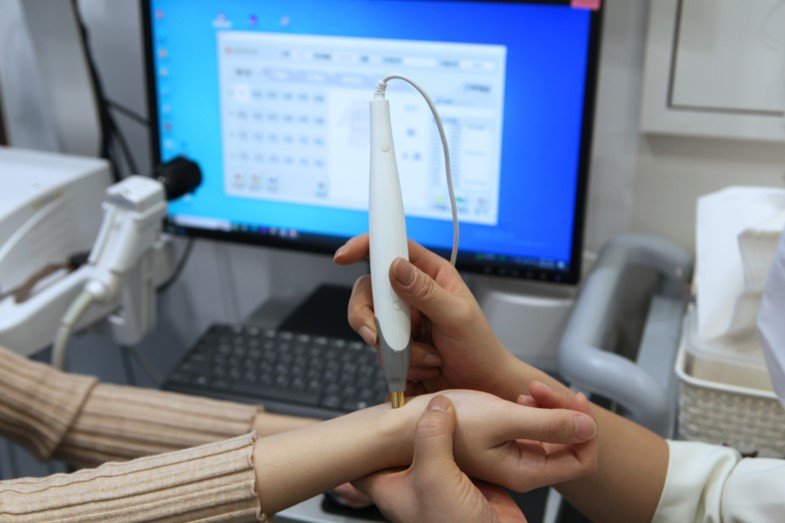 TEST 02
Ryodoraku Meridian Function Test
We measure organ and meridian function at acupuncture points on the hands and feet to understand overall vitality and the deficiency-excess (虛實) pattern of the illness. If a person with greatly reduced vitality is treated aggressively only to stop diarrhea or relieve constipation, symptoms may recur or improvement may be slow, so assessing vitality is important.
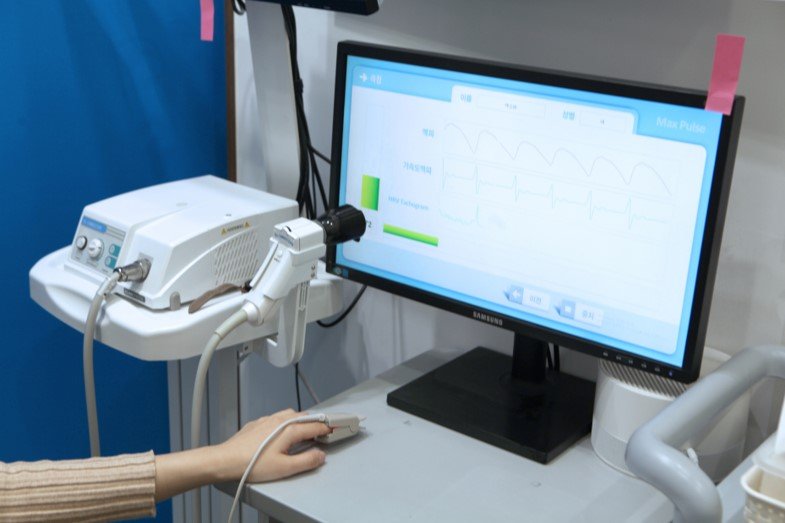 TEST 03
Heart Rate Variability (HRV) Test
Autonomic nervous system imbalance can slow stomach movement and increase intestinal sensitivity. Because chronic diarrhea and constipation are often affected by stress, depression, and tension, it is important to check and help stabilize the balance between the sympathetic and parasympathetic nerves.
Please tell us about the medications you have been taking. Chronic diarrhea and constipation are often caused by medications, so we must review your history.
05TREATMENT
Strengthening the stomach and intestines together
For chronic diarrhea and constipation, we need to improve not only the large intestine but also stomach function and motility. The spleen-stomach (脾胃) is the source that produces qi and blood, so when digestive function declines, energy can also decline, creating a vicious cycle. That is why treatment does not stop at simply stopping diarrhea or sending stool downward.
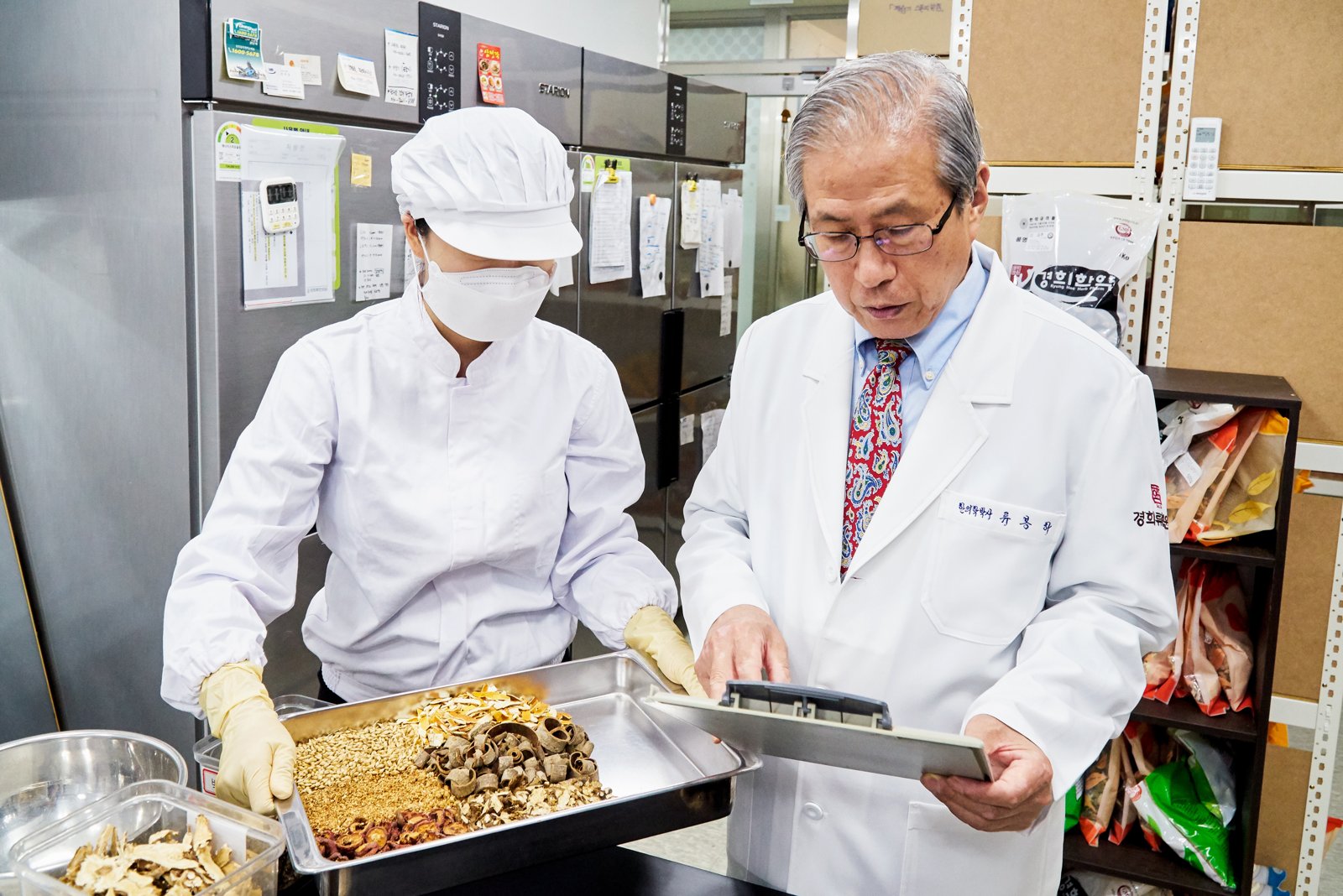
Bowi (Tonifying the Stomach) · Bojang (Tonifying the Intestines) Herbal Medicine
This is a customized prescription that tonifies the stomach and intestines together according to the patient’s symptoms, constitution, and deficiency-excess of qi (氣).
- Chronic diarrheaThe most common pattern is reduced original qi with poor appetite, indigestion, chronic fatigue, weight loss, and cold hands and feet. We view this as spleen yang deficiency (脾陽虛: a state of insufficient yang qi of the digestive system), tonify original qi, warm the abdomen, and raise qi.
- Chronic constipation (heat or constraint type): For people who often eat spicy, greasy foods or drink alcohol, we clear heat and moisten the intestines. For those under severe stress, we help release bound qi.
- Chronic constipation (deficiency type): We support qi, nourish blood to replenish fluids, and warm the body to help relieve what is blocked.
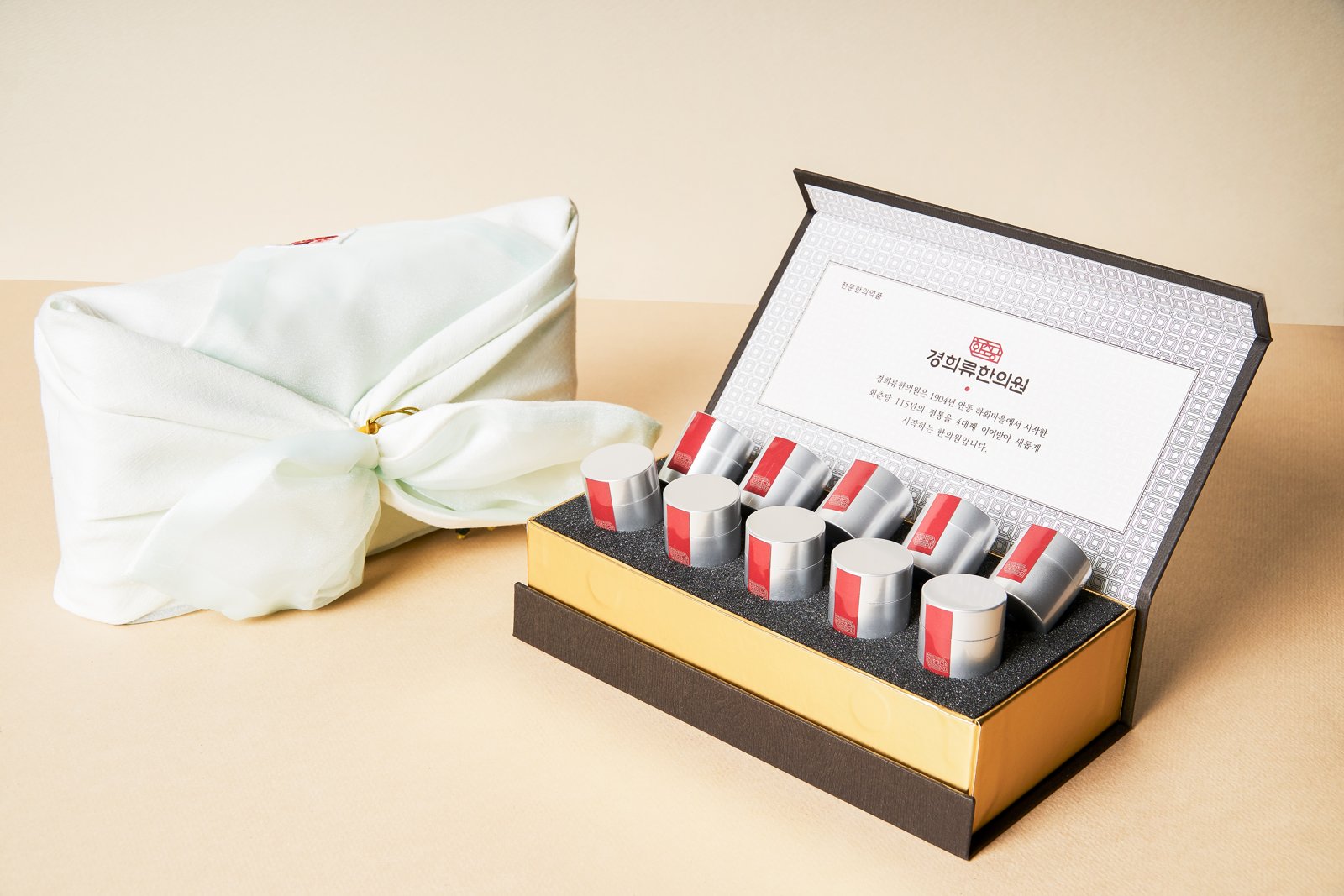
Bowi Gongjindan (補胃供辰丹)
We use this together for people whose energy has weakened because long-standing diarrhea has reduced digestion and absorption. Based on deer antler, it adds atractylodes and amomum fruit, ginseng and astragalus, reduces musk, and adds agarwood, creating a prescription designed for comfortable long-term use.
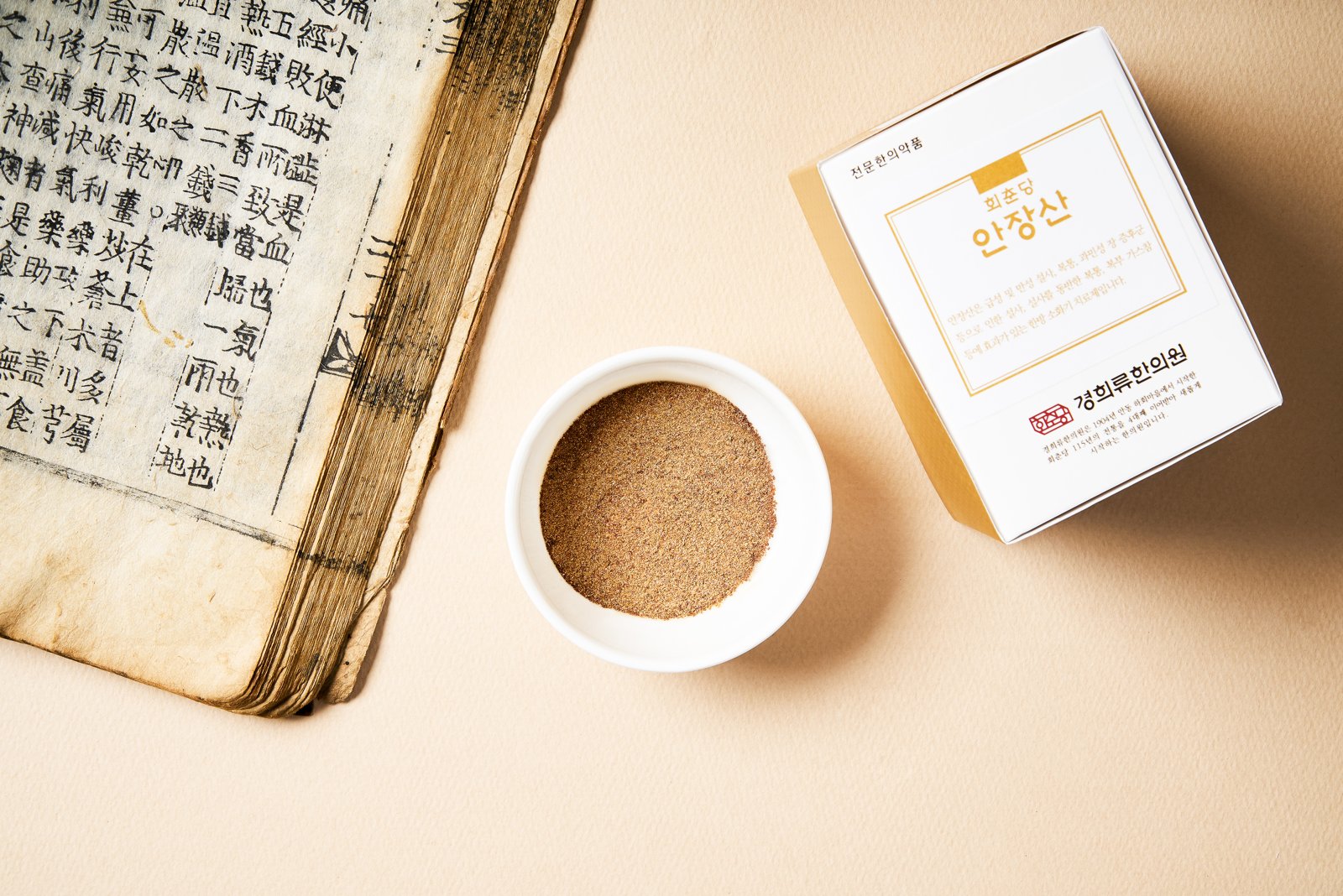
Anjangsan (安腸散) · Cheongjang Capsule (淸腸 Capsule)
These prescriptions are made in our In-House Herbal Medicine Research Lab by highly concentrating a decoction boiled for about 3 hours into powder or capsules. They are mainly used for maintenance after decoction treatment has stabilized. Anjangsan is a prescription developed by Dr. Bongha Ryu, Honorary Director, to stabilize the intestines, stop diarrhea, and support normal bowel movements. Cheongjang Capsule is a constipation capsule that helps make bowel movements softer and easier.

Bowi · Bojang Acupuncture and Moxibustion
Most patients receive treatment consistently 2–3 times a week along with herbal medicine. At each visit, we review the treatment plan going forward and help correct lifestyle habits that need improvement.
- Bowi · Bojang acupuncture: We use acupuncture points on the abdomen, back, arms, and legs according to symptoms and pattern identification, and help regulate an imbalanced autonomic nervous system.
- Large moxibustionThis is a large, not strongly odorous moxibustion treatment that covers the entire abdomen, warming a cold abdomen to support smooth intestinal movement.
06TREATMENT STEPS
Treatment proceeds in 3 steps
- STEP 1
Prompt and Accurate Diagnosis
We examine stool form and bowel movement patterns, accompanying symptoms such as chills, fever, headache, indigestion, bloating, belching, insomnia, and emotional changes, as well as medications you have been taking. We look for the cause through consultation, pulse diagnosis, electrogastrography, and meridian function testing.
- STEP 2
Bowi (Tonifying the Stomach) · Bojang (Tonifying the Intestines) Treatment
We help restore digestive function and energy together according to your constitution and the deficiency-excess of qi. Treatment helps the small and large intestines move smoothly so stool becomes more stable and easier to pass.
- STEP 3
Anjang (Calming the Intestines) Treatment
If treatment is ended too quickly after improvement and you return to greasy, irritating foods, overeating, or excessive drinking, symptoms may worsen again. We use extract powder medicine to maintain the improved state and reduce recurrence.
07EXPERTISE
Medical team involved in diarrhea and constipation research
About 200 research papers on digestive system disorders (Gastroenterology Team during service at Kyung Hee Medical Center)

Presidential Physician · Twice Served as Director of Kyung Hee University Korean Medicine Hospital
Dr. Bongha Ryu, Honorary Director
- PhD in Korean Medicine Internal Medicine, Graduate School of Korean Medicine, Kyung Hee University
- Head Professor of Gastroenterology, College of Korean Medicine, Kyung Hee University
- Twice Served as Director of Kyung Hee University Korean Medicine Hospital, Kyung Hee Medical Center
- Former Presidential Physician for President Lee Myung-bak
Digestive SystemRespiratory SystemFatigue · Tonic Herbal Medicine

4th-Generation Korean Medicine Doctor · Korean Medicine Internal Medicine Specialist
Dr. Hansung Ryu, Chief Director
- Specialist Training, Korean Medicine Cancer Center, Kyung Hee University Korean Medicine Hospital at Gangdong
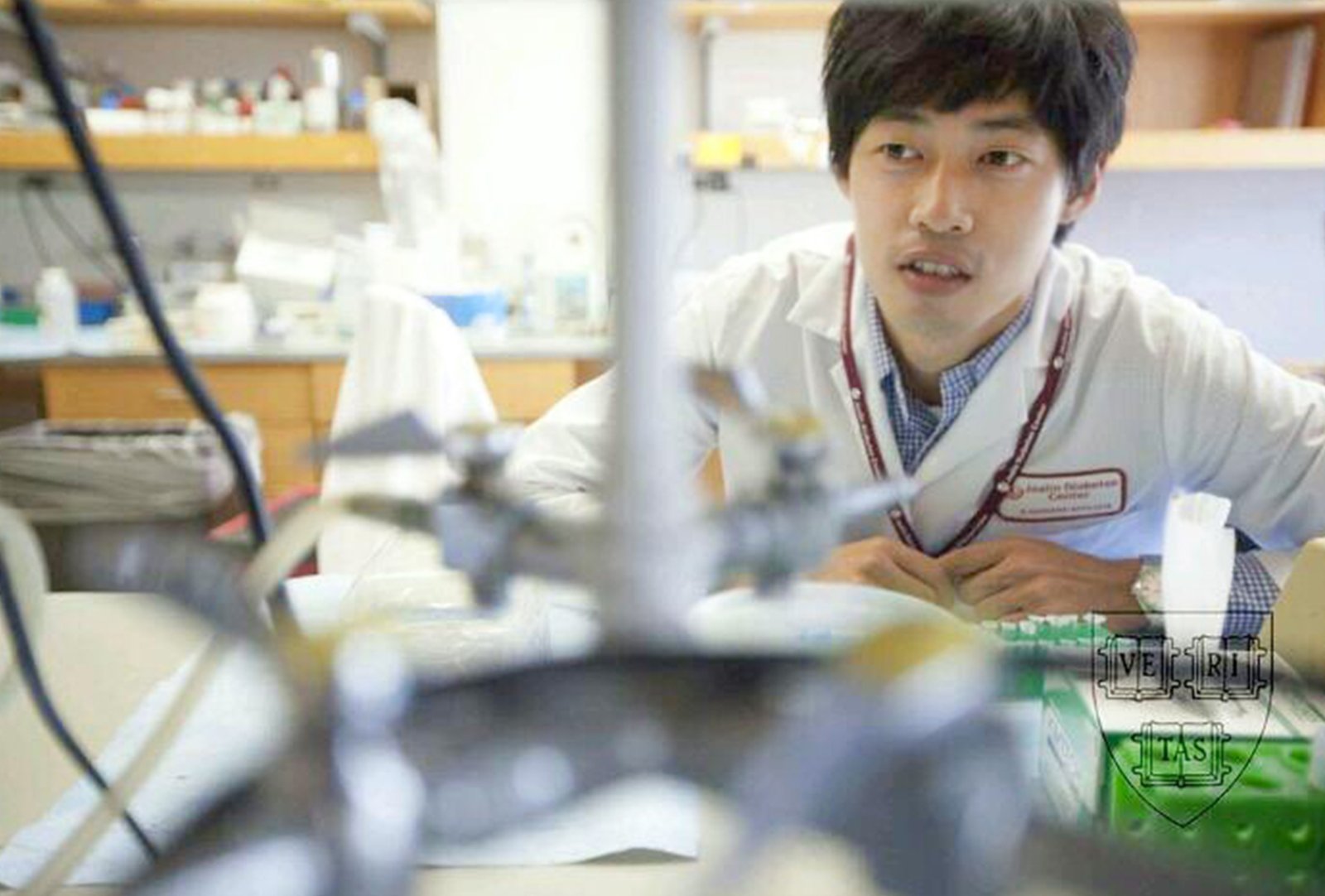
- Training at a Harvard Medical School-affiliated hospital (Joslin Diabetes Center)
- Training at the Block Center (Integrative Cancer Center, USA)
- Researcher in the Development of Korean Medicine Standard Clinical Practice Guidelines for Cancer Symptom Relief
SkinDigestive SystemDiabetes · MetabolismConstitutional Immunity & CancerPain · Traffic Accidents
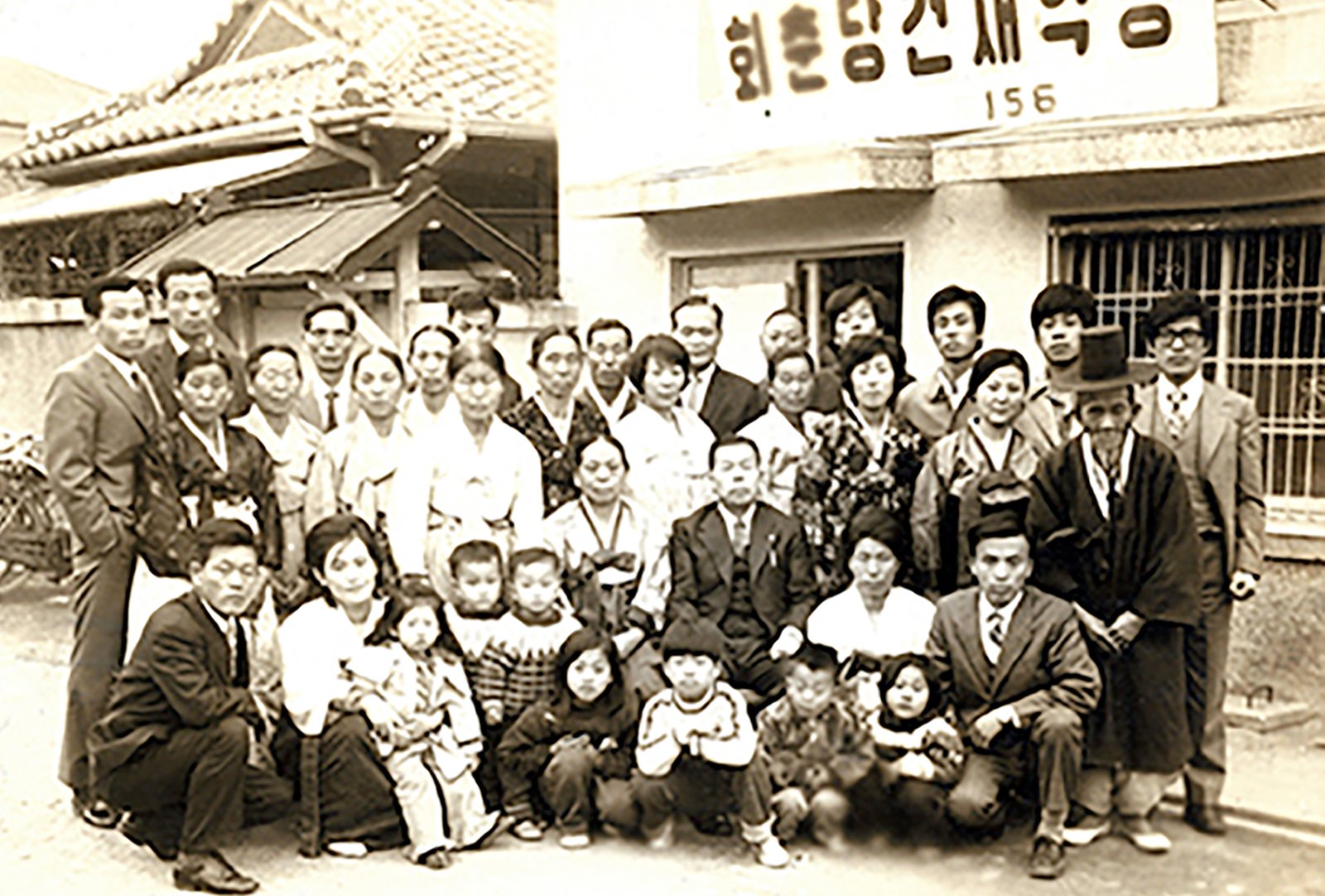
- Since 1904, 3rd- and 4th-generation family medical team members have provided care together, continuing the Hoechundang tradition
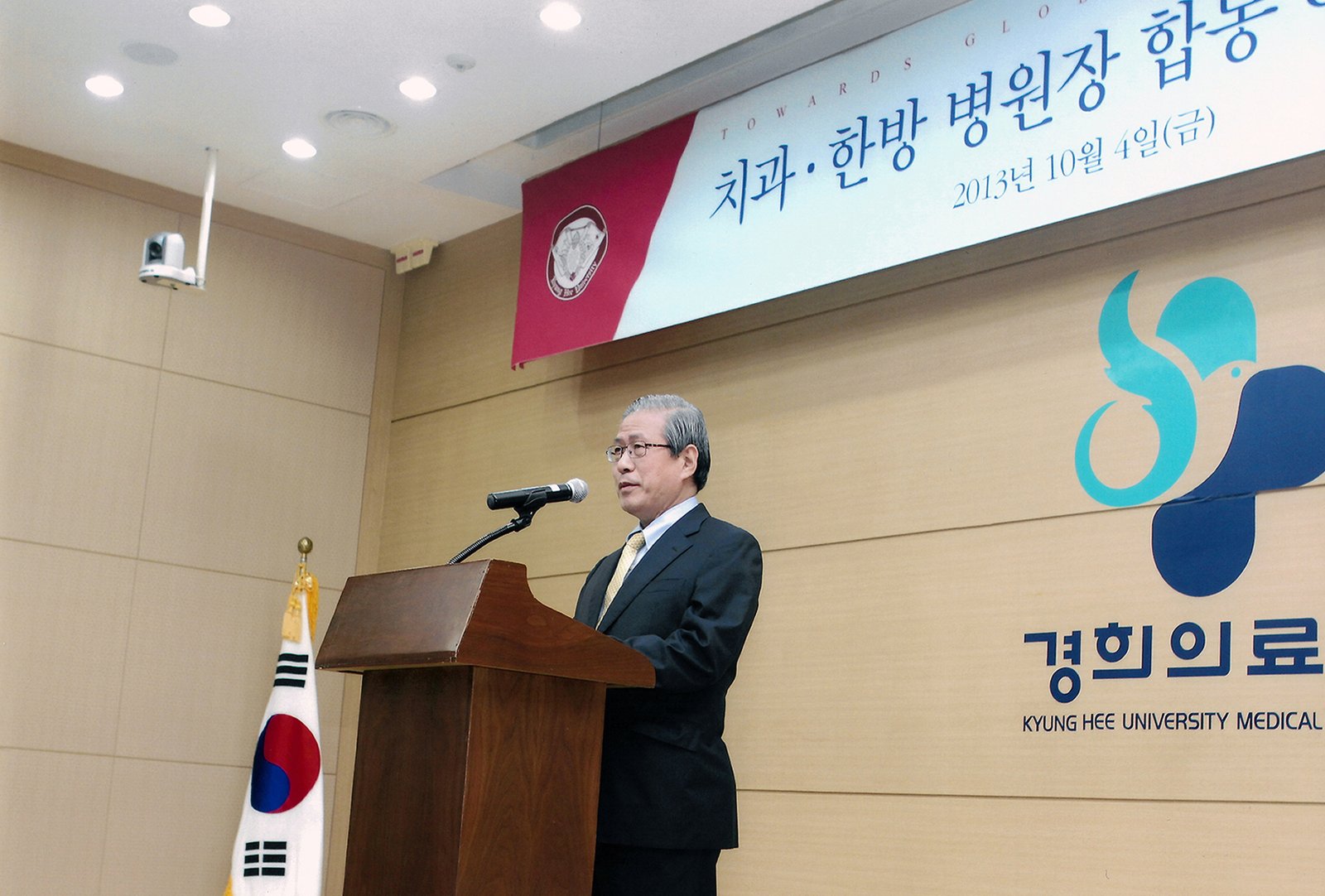
- Former physician to President Lee Myung-bak and two-time Director of Kyung Hee University Korean Medicine Hospital (Dr. Bongha Ryu, Honorary Director)
- Review research by Dr. Bongha Ryu, Honorary Director: The principle that diarrhea and constipation should also be treated by first assessing the patient’s deficiency-excess pattern and then planning treatment according to vitality
- Balanced care integrating Korean medicine and modern medicine, informed by training experience at a Harvard Medical School-affiliated research center
- About 200 papers by our medical team, including publications in SCI-level international journals in each specialty field
Related research
Experimental Studies on the Antidiarrheal Effects of Anjang-san
In a mouse-model study on the antidiarrheal (止瀉: stopping diarrhea) effect of Anjangsan, developed by Dr. Bongha Ryu, Honorary Director, it was reported that abnormally increased small-intestinal transit was significantly suppressed and colon transit was inhibited (animal study results).
Laminaria japonica Combined with Probiotics Improves Intestinal Microbiota: A Randomized Clinical Trial
In a randomized controlled trial in which kelp and probiotics were given to 40 healthy participants for 4 weeks, improvement in beneficial normal intestinal microbiota in the experimental group was reported (SCI(E)-level journal).
Study on the efficacy of safflower pharmacopuncture for chronic constipation
In a comparative controlled study of 24 patients with chronic constipation, the safflower pharmacopuncture group showed significant improvement from 1 week onward in bowel movement frequency, stool hardness, and ease of defecation.
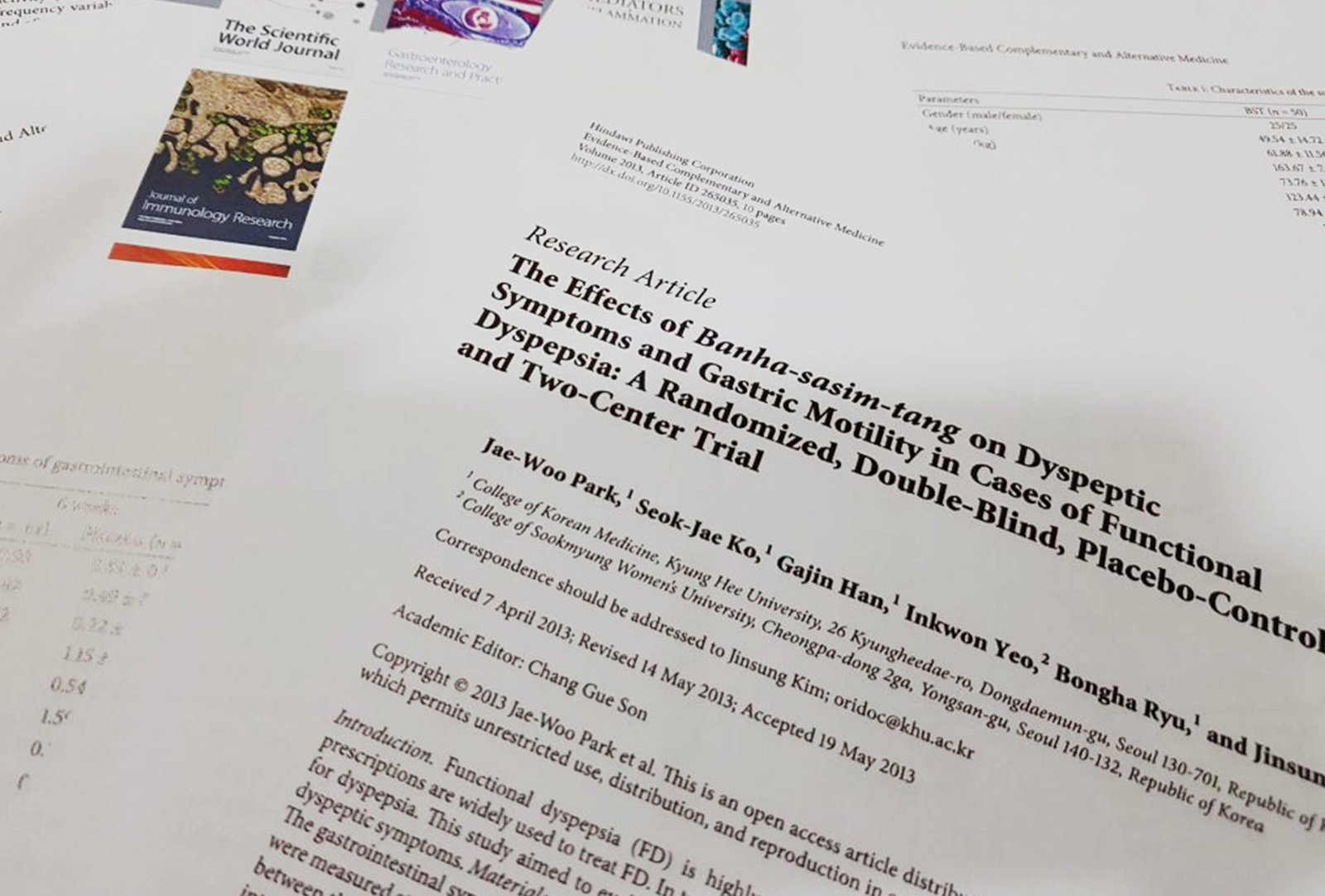

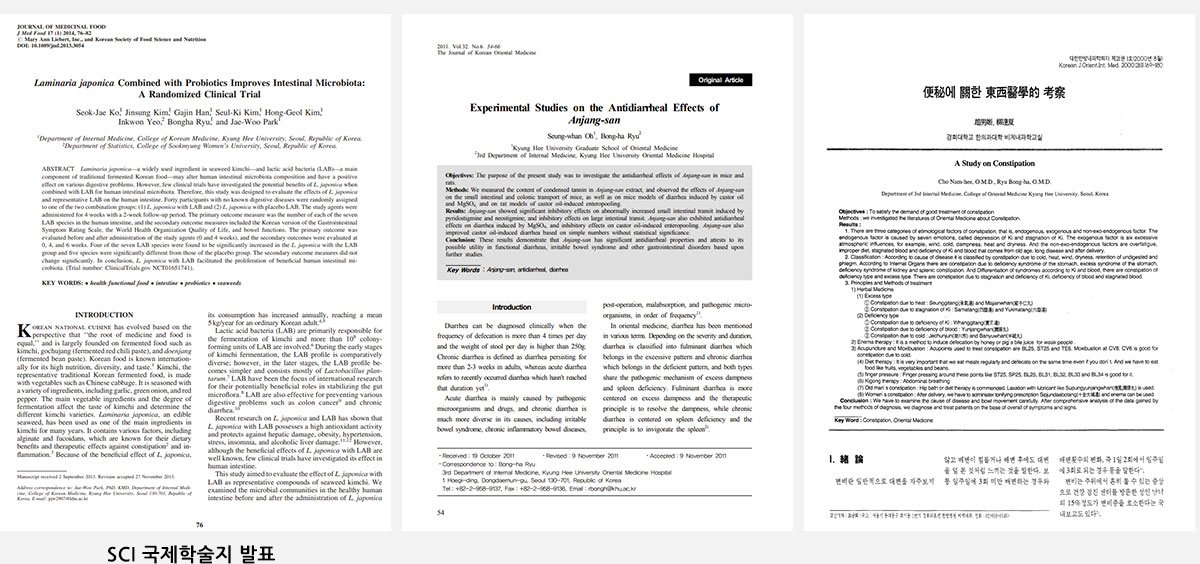
The above reflects research findings reported in the cited papers and does not guarantee individual treatment outcomes. Animal study results do not indicate effects in humans.
WHY HOECHUNDANG
Why Choose Hoechundang Kyunghee Ryu Korean Medicine Clinic
- 01
For 4 Generations Since 1904
For 4 generations, we have carried on Hoechundang’s treatment principle of seeing the stomach and intestines as the foundation of health.
- 02
Family Medical Team from Kyung Hee University Korean Medicine Hospital
Dr. Bongha Ryu, Honorary Director, who twice served as director of Kyung Hee University Korean Medicine Hospital and as a presidential physician; Dr. Hansung Ryu, Chief Director, a Korean medicine internal medicine specialist; and Dr. Seungwon Baek, Director, first author of an SCI-level paper on women’s health, provide care together.
- 03
Prepared In-House at Our Herbal Medicine Research Lab
Based on the research of our affiliated Herbal Medicine Research Institute, we prepare prescriptions in-house and use verified herbal ingredients at a level supplied to Kyung Hee University Korean Medicine Hospital.
- 04
15 Acupuncture and Moxibustion Treatment Rooms
We expanded our treatment rooms so patients can receive a variety of treatments, such as acupuncture, pharmacopuncture, Cupping, large moxibustion, radiofrequency, thermal dome therapy, Chuna Manual Therapy, and traction therapy, with minimal waiting.
08FAQ
Frequently Asked Questions
QIsn’t it enough to just stop diarrhea quickly?
If a person with greatly reduced vitality is treated aggressively only to stop diarrhea or relieve constipation, symptoms may recur or improvement may be slow. That is why we first check vitality with the Ryodoraku test and provide treatment that tonifies the stomach and intestines together.
QCould the medicine I’m taking be the cause?
Chronic diarrhea and constipation are often caused by medications taken over time. Rarely, medications such as antidepressants or anticonvulsants can cause constipation, so please be sure to tell us what you are taking during your visit.
QThe taste of herbal medicine feels burdensome. Is there another option?
Cheongjang Capsule is a capsule formulation, so it is easy to take, and even people sensitive to the taste of herbal medicine can take it without much burden. It is mainly prescribed for maintenance after decoction treatment has stabilized.
QCan I stop treatment right away once I feel better?
Many people were born with weak digestive function or have suffered for a long time, so if treatment is ended too quickly and previous eating habits return, symptoms may worsen again. We set aside a period of Anjang treatment to maintain the improved state.
CONSULTATION
Consider a consultation before symptoms become long-standing
If you bring your test results, we will review your current condition together.
RELATED
Related Digestive Disorders
 Digestive DisordersIrritable Bowel SyndromeDo you have unexplained abdominal pain and rumbling, making you feel anxious whenever you go out?Learn more
 Digestive DisordersUlcerative Colitis · Crohn's DiseaseDo abdominal pain and diarrhea come back just when you thought you were getting better, making everyday life feel uncertain?Learn more
- Digestive DisordersFunctional Dyspepsia · Damjeok (Phlegm Accumulation)My endoscopy is normal, so why do I always feel bloated and have indigestion?Learn more
RESERVATION
Chronic Diarrhea · Constipation:
start with a consultation
Leave your details and we will contact you in order during clinic hours. First-time visitors are welcome — we start by carefully understanding your current condition.
+82-2-792-1904- Mon · Tue · Wed · Thu09:30 – 19:30
- Fri09:30 – 18:30
- Sat09:30 – 14:30 (open without a lunch break)
- LunchWeekdays 13:30 – 14:30