
Main ClinicFatigue & Herbal Tonics
GROWTH & STUDENT TONIC
Growth-Support Herbal Tonic · Exam Student Herbal Tonic
When children need to eat well, grow well, and have the stamina to get through exams
We prescribe according to each child’s growth stage and each exam student’s daily life. We support both the stomach/spleen-stomach and vital energy to help with eating, growing, and concentrating.
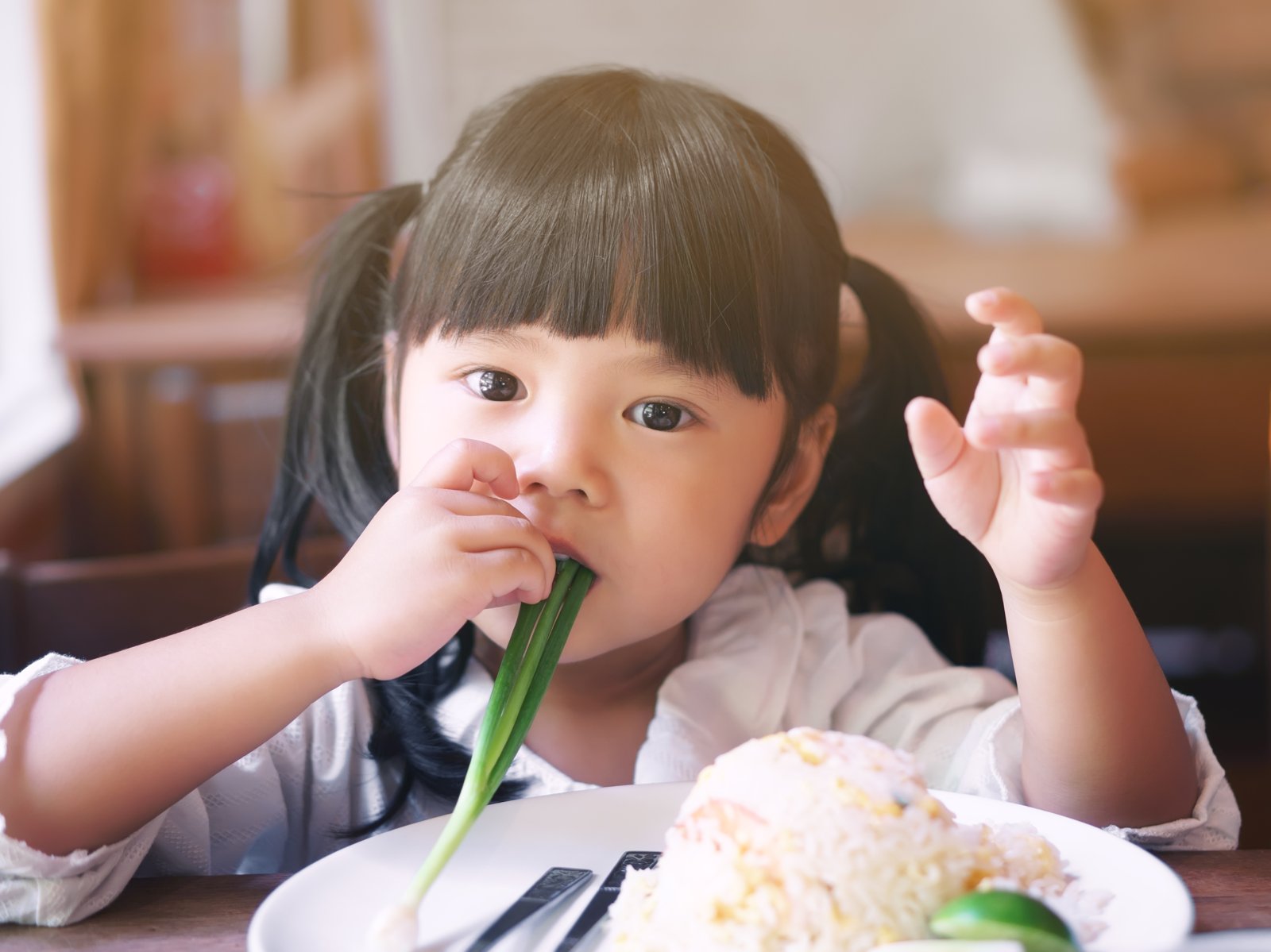
of Hoechundang care
- POINT 01
Formulas tailored to age-specific concerns for young children, elementary school children, adolescents, and exam students
- POINT 02
A spleen-stomach (脾胃)-focused growth-support herbal tonic for children with poor appetite and low body weight — Dr. Bongha Ryu, Honorary Director, participated in research on children with a thin body type
- POINT 03
Portable herbal extract medicine for exam students and students studying abroad who have difficulty visiting often
01SELF CHECK
Do you have these concerns?

0/ 8
Tap the items that apply to you.
02WHY IT HAPPENS
Concerns vary by age
There is a saying: “One packet of herbal medicine taken in childhood may be better than one hundred packets taken as an adult.” We prescribe after considering the child’s constitution, current health condition, and growth stage together.
- 01
Pediatrics — Growth · Children Who Eat Well · Sensitive Children
This is a time when muscles, bones, and organs are growing and activity levels increase, so children need a great deal of energy and nutrition. If a child has poor appetite, was born with weak organ function, or is sensitive, they may not gain weight well and growth may be slow. Because this can lead to reduced stamina and immunity and delayed growth, the earlier growth management begins, the better.
 02
Elementary School — School Adjustment · Growth Management · Precocious Puberty Prevention
As children adjust to school rules, stress can weaken their stamina and lead to irritability or lower confidence. Precocious puberty refers to secondary sexual characteristics appearing before age 8–9 and is more common in girls. Growth plates may close early, leading to poorer growth compared with peers, and children may also feel anxious about rapid physical changes.
- 03
Adolescence — Academic Efficiency · Concentration · Stress · Condition
Studying in the same posture for a long time can slow metabolism and cause fatigue substances to accumulate, leading to headaches, chronic fatigue, and reduced concentration. When immunity drops, inflammatory conditions may also occur more easily. If the digestive organs are weakened, even nourishing foods that are good for the body may not be absorbed properly.
 04
Students Preparing for Exams or Interviews (Any Age)
Even when tests show no abnormalities, many students experience anxiety, tension, restlessness, nervous hypersensitivity, and headaches. Digestive symptoms such as indigestion, poor appetite, and irritable bowel syndrome (constipation, frequent diarrhea) are also common. Female students may also experience irregular periods and dysmenorrhea.
- 05
After the Exam
As extreme tension is released, burnout can occur. Fatigue, gastrointestinal disorders, and musculoskeletal pain may appear, so health management is needed even after exams.
03WHY IT HAPPENS
The foundation for eating and growing: the spleen-stomach (脾胃)
In Korean medicine, poor appetite and low body weight in children have traditionally been attributed to spleen-stomach deficiency (脾胃虛弱, a weak spleen and stomach). The spleen-stomach absorbs nutrients from food, makes qi and blood, and sends them throughout the whole body. When the spleen-stomach is weak, even good food may be difficult to digest and absorb properly.
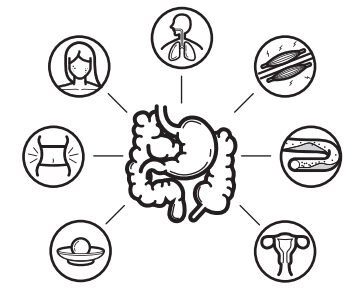
“If there is stomach qi (胃氣), one lives; if there is no stomach qi, one dies.”
Essential Readings from the Medical Tradition (醫宗必讀)
- 01
When the Spleen-Stomach Weakens
The abdomen becomes bloated, making it hard to eat much; the head and body feel heavy; swelling may occur easily; and stools may become loose.
- 02
Necessary Treatment
Herbal medicine treatment is needed to replenish vital energy while also supporting the stomach’s digestive function.
04WHY TREAT EARLY
A vicious cycle of body and mind
Mental tension and physical fatigue strongly affect each other. When the nerves become hypersensitive, it is hard to rest and sleep sufficiently; when digestion is poor, stamina drops further. If symptoms repeat, mental resilience, concentration, and motivation can also decline along with stamina.
PROCESS
How Care Proceeds
- 01
Consultation · Pulse Diagnosis
We listen carefully to your symptoms, lifestyle habits, and treatment history, then assess your condition through pulse and tongue diagnosis.
- 02
Detailed Testing
We check organ function, energy level, and autonomic nervous system balance with tests suited to your condition.
- 03
Pattern Identification · Diagnosis
We combine your test results and constitution to find the underlying cause of your symptoms.
- 04
1:1 Customized Prescription
We design the needed treatments for each person, including herbal medicine, acupuncture, pharmacopuncture, and moxibustion.
- 05
Progress Management
We monitor your progress through regular tests and consultations and adjust prescriptions as needed.
05DIAGNOSIS
Tests to check vital energy and nutritional status
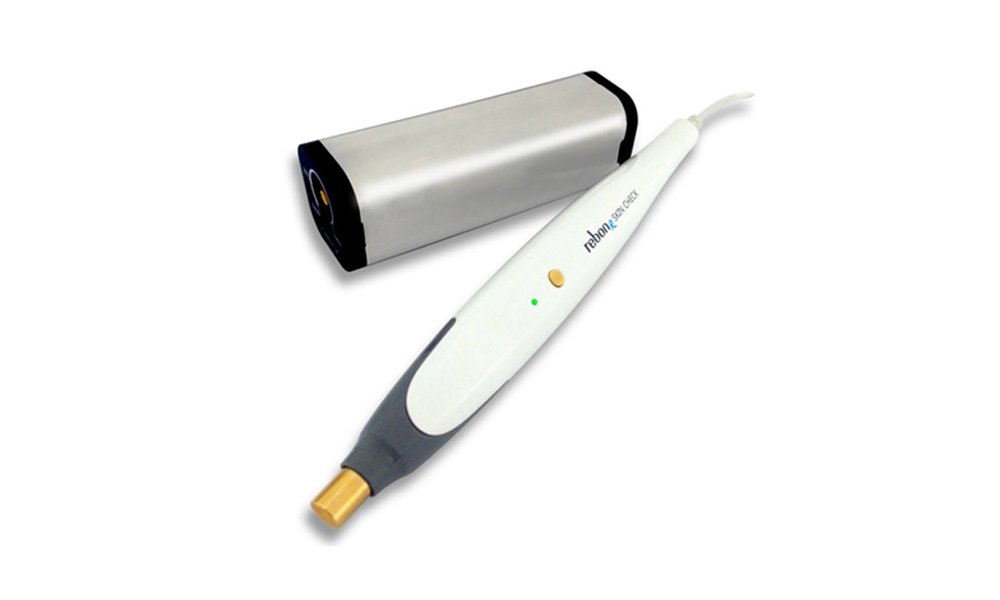 TEST 01
Ryodoraku Meridian Function Test
We measure the activity level of meridian function at major acupuncture points on the hands and feet. This helps us assess abnormalities in organ function, overall vital energy level, and the deficiency or excess (虛實) pattern of illness.
 TEST 02
InBody S10 Detailed Body Water Analysis
Along with body composition, we analyze the ratio of intracellular and extracellular water and the bioelectrical phase angle to assess nutritional status and cellular health. When the phase angle is low, a person may become fatigued easily and be more likely to be exposed to various illnesses.
After checking the pulse and discussing symptoms to see whether qi is weak or organ function has declined, we prescribe herbal medicine that supports the underlying causes.
06TREATMENT
How we prescribe Growth-Support Herbal Tonic · Exam Student Herbal Tonic
We prescribe with consideration for exam students who may have difficulty visiting often. Depending on the condition, we use herbal medicine to replenish reduced stamina and vital energy, stomach-supporting medicine, Chongmyeong-tang (聰明湯) to help clear the mind, and Uwhang Cheongsimwon to help ease tension.
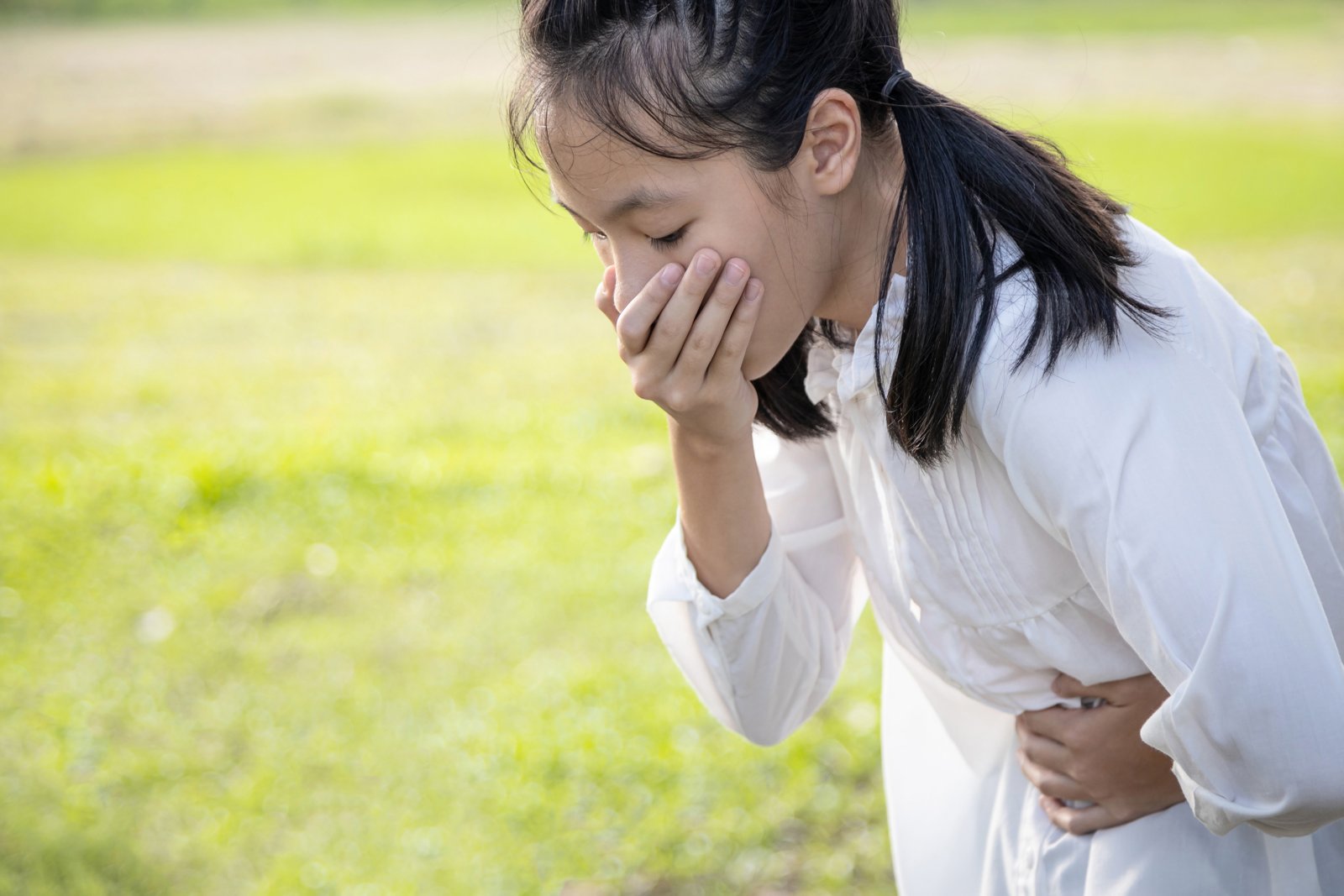
Growth-Support Herbal Tonic
This tonic helps support a child’s growth and improve stamina and immunity to reduce frequent minor illnesses. It is prescribed mainly with herbs that help strengthen immunity in children and support improvement of spleen-stomach deficiency and organ function.
- Seongjangjeungbo-tang (成長增補湯): a formula used for spleen-stomach weakness; it has been reported to help improve poor appetite and support weight gain
- Helps protect the gastric mucosa and activate gastrointestinal function, supporting appetite recovery, digestion, and absorption
- Nokyong (Deer Antler, 鹿茸): used as an herb that helps growth and development by promoting protein and nucleic acid synthesis
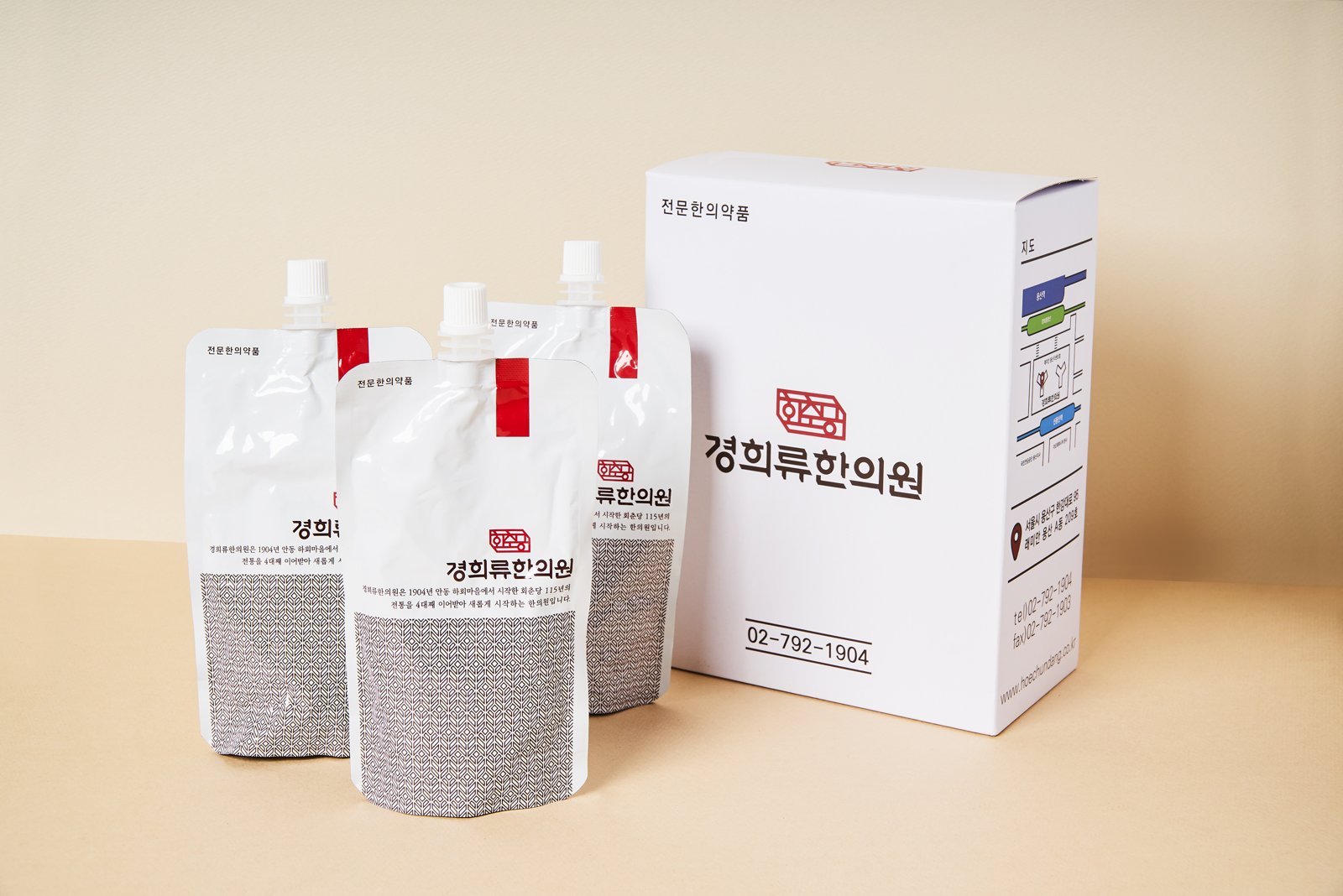
Chongmyeong-tang (聰明湯)
This formula appears in the “Forgetfulness (健忘)” section of Dongui Bogam and was first recorded in a medical text during the Ming dynasty. Research has been conducted on learning ability and memory, and protective effects on brain nerve cells have been reported. After pulse diagnosis, we prescribe it according to each exam student’s needs.
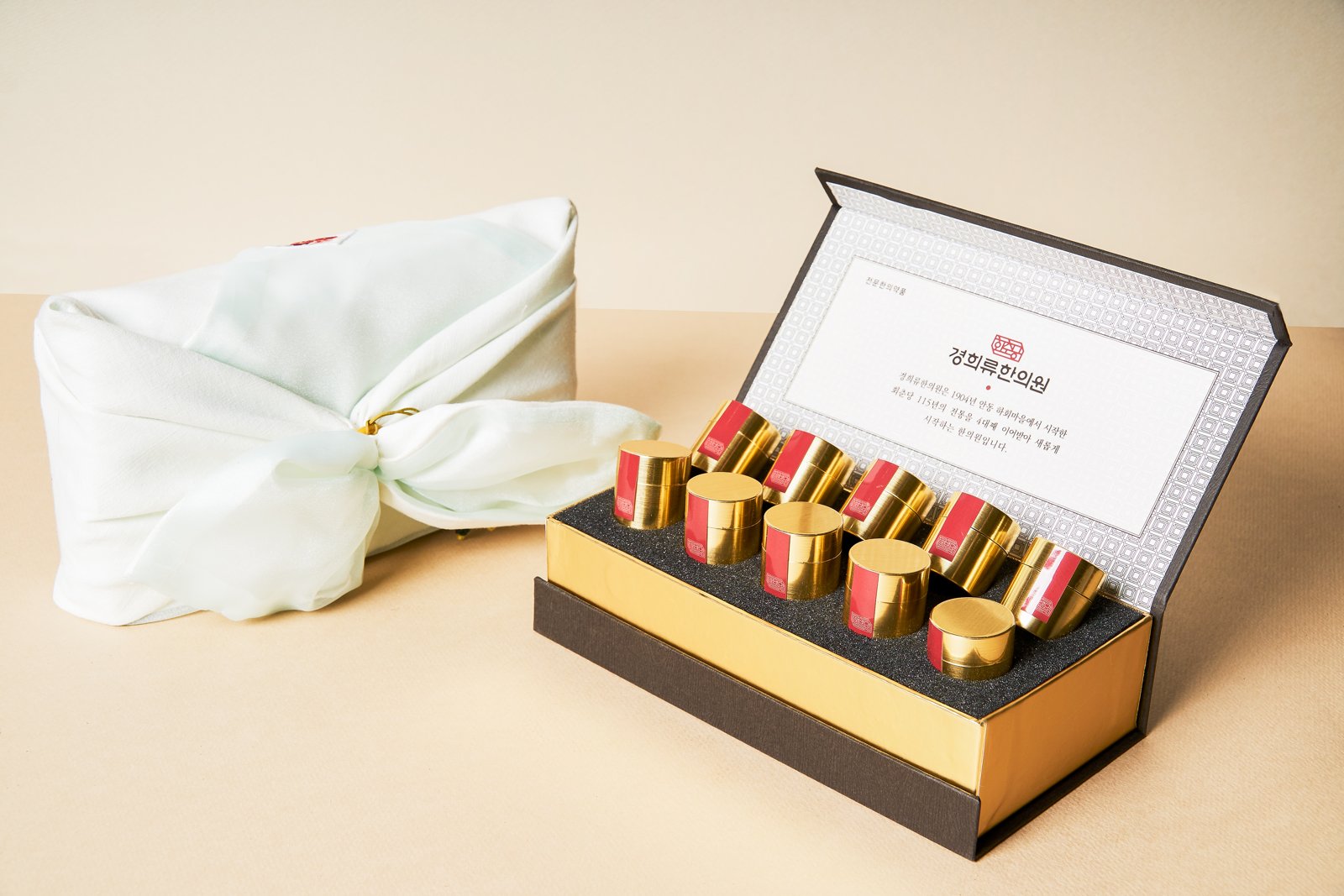
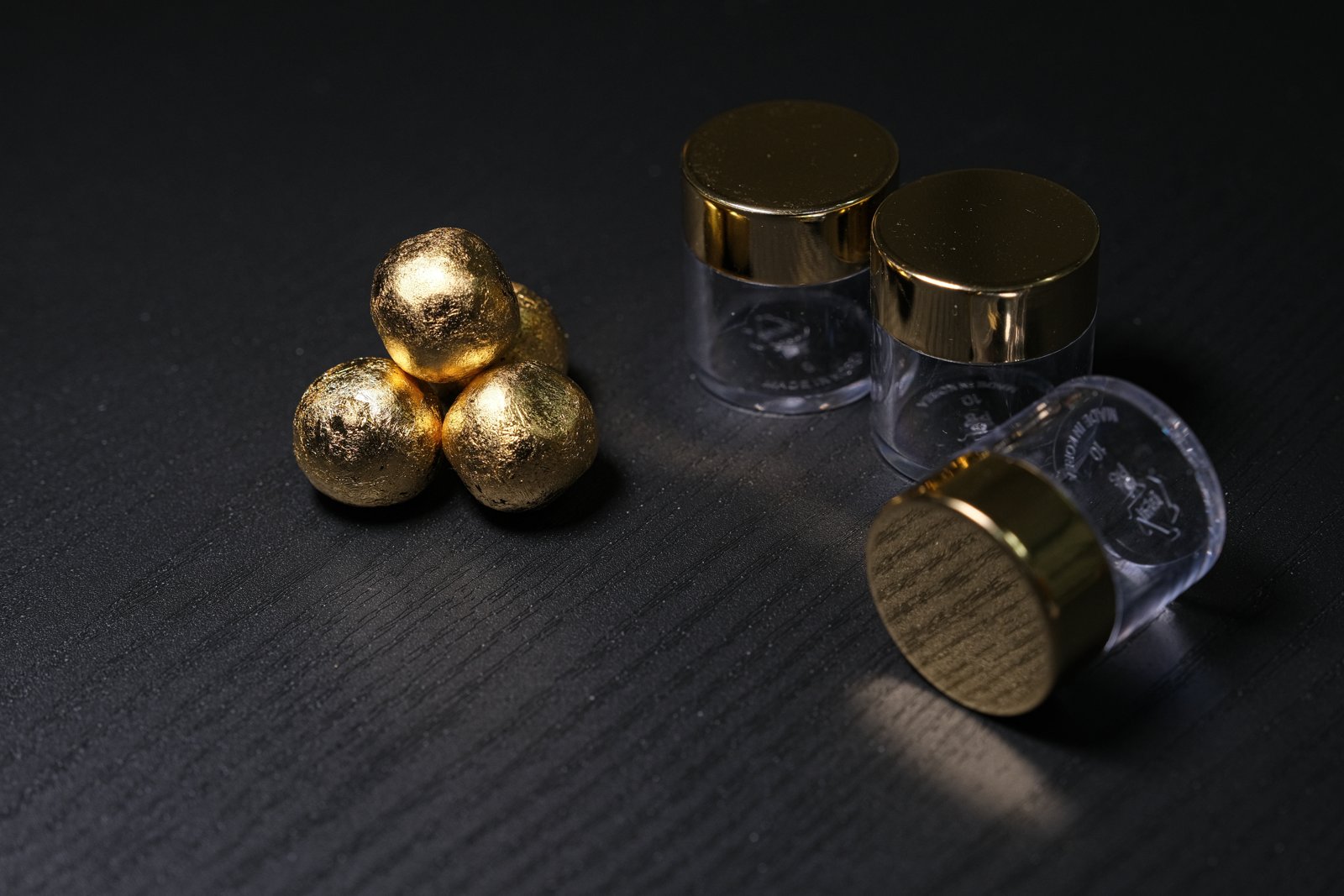
Wonbang Sahyang Gongjindan
This tonic is made with musk, Nokyong, angelica root, cornus fruit, and other ingredients, and helps strengthen stamina and support concentration in tired exam students. We use CITES-certified genuine musk approved by the Ministry of Food and Drug Safety at the original formula amount.
- We recommend taking it on an empty stomach after waking in the morning, slowly softening it with saliva and chewing it
- During periods when stamina needs to be raised, it is taken intensively for a set duration
- Because it has a stimulating effect, taking it late at night may interfere with deep sleep, so please follow the medication instructions
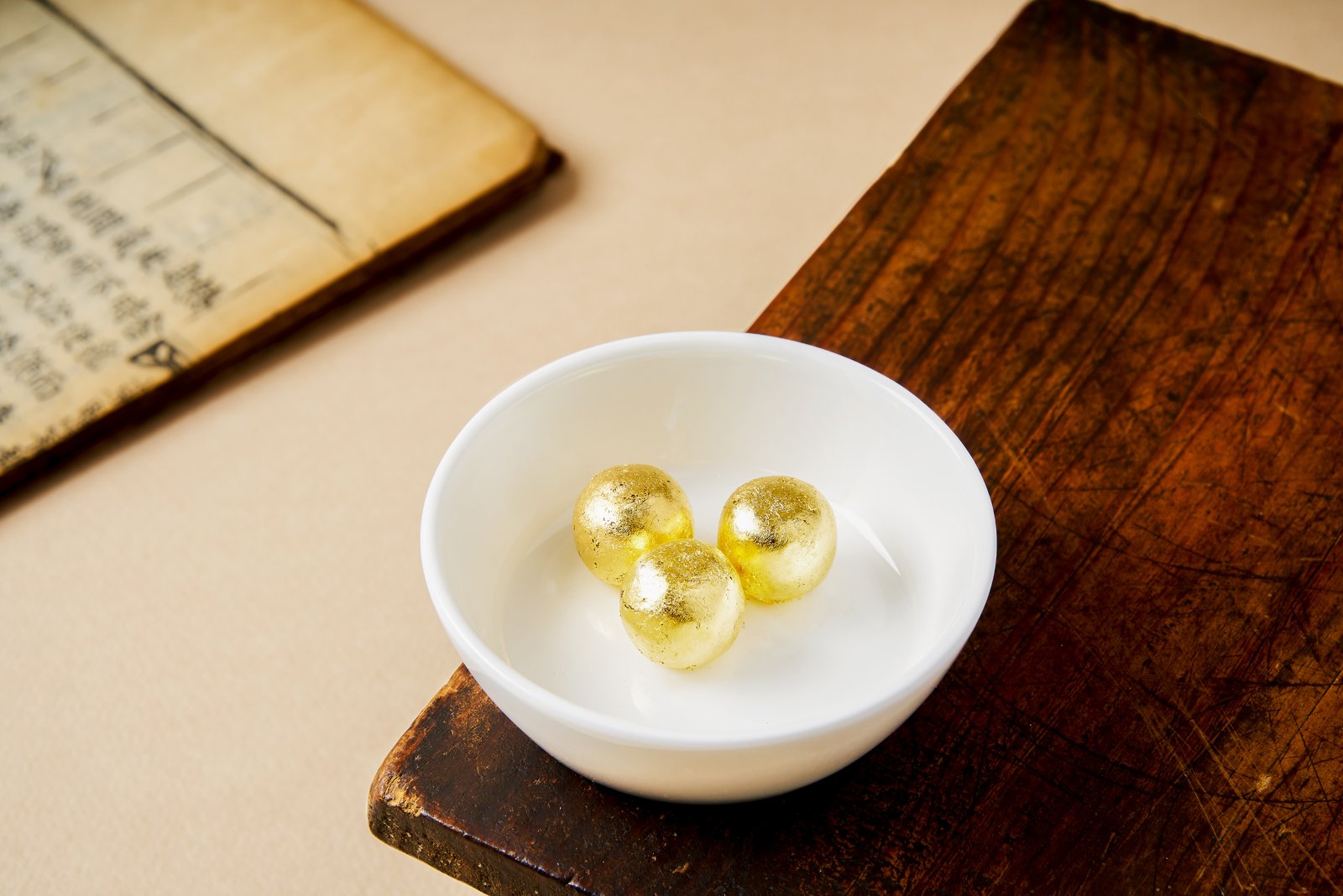
Uwhang Cheongsimwon
We prescribe this when tension and stress are severe before an important exam or presentation, or when dizziness occurs often. It helps ease tension so the student can take the exam with a calm mind.
More about Uwhang Cheongsimwon (牛黃淸心元)Acupuncture · Moxibustion · Pharmacopuncture
According to the current condition, we use acupuncture, moxibustion, and pharmacopuncture to reduce accompanying symptoms. These treatments help regulate disrupted autonomic nervous system balance and support recovery of gastrointestinal function.
- Most patients take herbal medicine and receive treatment 2–3 times per week
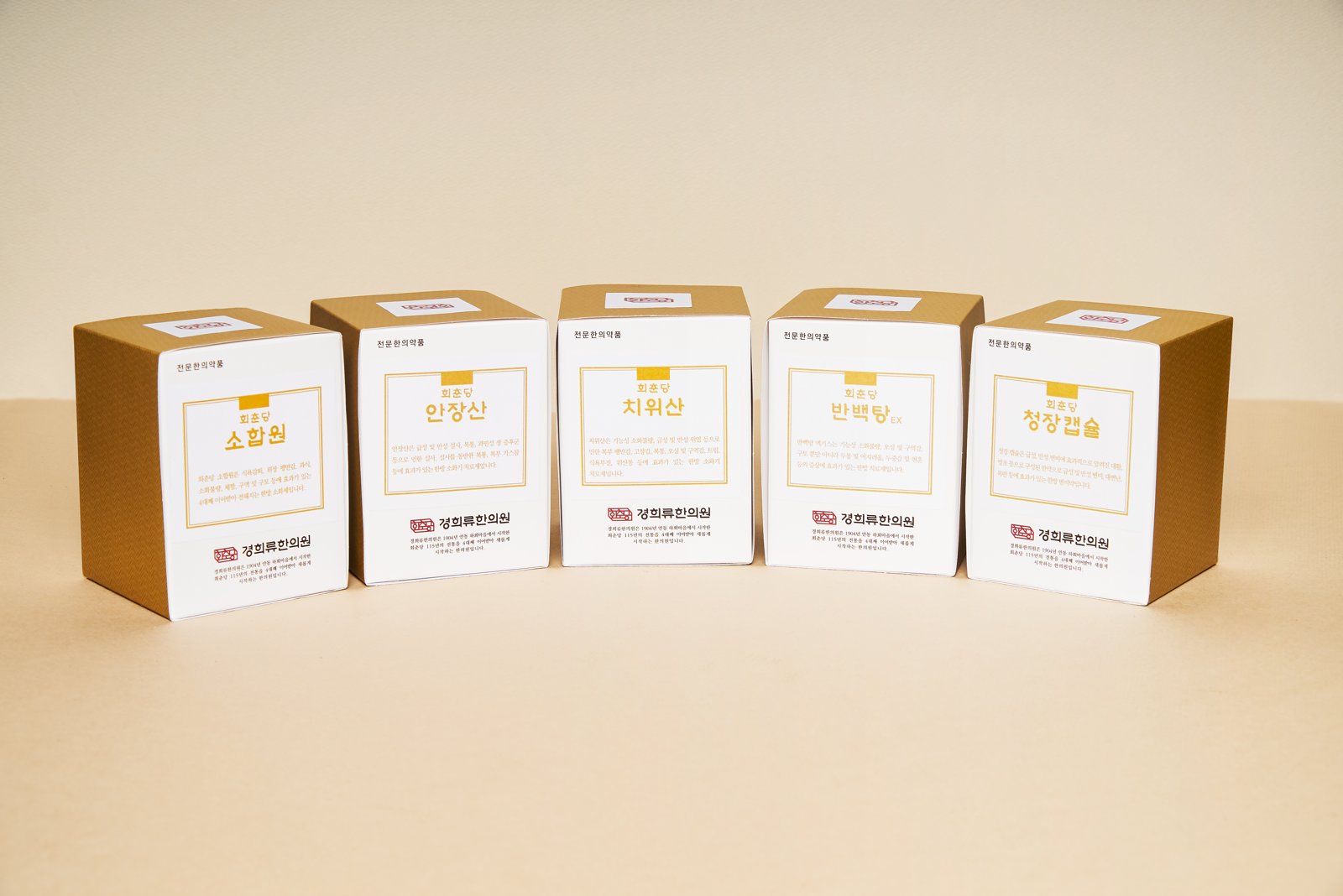
Portable Herbal Extract Medicine
Using a highly concentrated decoction extract method and low-temperature vacuum drying, we turn decocted herbal medicine into a fine powder, reducing volume and weight. Our In-House Herbal Medicine Research Lab oversees the entire preparation process, and we also prescribe it for students studying abroad or people who frequently travel overseas for work.
- Herbal medicines prepared as extracts: Chiwisan, Banbaek-tang, Cheongjang Capsule, Bigam Capsule, Anjangsan, common cold medicine, Ssanghwa-tang (雙和湯), and others
- Indigestion · acute stomach upset: Sohabwon
- Frequent diarrhea · gas retention · loose stools: Anjangsan
- Indigestion · heartburn · abdominal pain · nausea · vomiting: Chiwisan
- Nausea · vomiting · headache: Banbaek-tang
- Chronic constipationCheongjang Capsule
Lifestyle Management
Along with treatment, it is important to restore a healthy daily rhythm.
- Elementary schoolcombine sufficient sleep, regular eating habits, and regular exercise
- Adolescents and exam students: find the appropriate amount of sleep when your mind is clearest, and match wake-up and meal times to the exam schedule
- Rather than eating large amounts of nourishing foods unconditionally, maintain a diet that is easy to digest and gentle on the stomach
CONSULTATION
Consider a consultation before symptoms become long-standing
If you bring your test results, we will review your current condition together.
07EXPERTISE
Research on child growth and herbal tonics
Fatigue · Tonic Herbal Medicine Clinic, tonic herbal medicine prescriptions centered on the spleen-stomach (脾胃)

Presidential Physician · Twice Served as Director of Kyung Hee University Korean Medicine Hospital
Dr. Bongha Ryu, Honorary Director
- PhD in Korean Medicine Internal Medicine, Graduate School of Korean Medicine, Kyung Hee University
- Head Professor of Gastroenterology, College of Korean Medicine, Kyung Hee University
- Twice Served as Director of Kyung Hee University Korean Medicine Hospital, Kyung Hee Medical Center
- Former Presidential Physician for President Lee Myung-bak
Digestive SystemRespiratory SystemFatigue · Tonic Herbal Medicine

4th-Generation Korean Medicine Doctor · Korean Medicine Internal Medicine Specialist
Dr. Hansung Ryu, Chief Director
- Specialist Training, Korean Medicine Cancer Center, Kyung Hee University Korean Medicine Hospital at Gangdong
- Training at a Harvard Medical School-affiliated hospital (Joslin Diabetes Center)
- Training at the Block Center (Integrative Cancer Center, USA)
- Researcher in the Development of Korean Medicine Standard Clinical Practice Guidelines for Cancer Symptom Relief
SkinDigestive SystemDiabetes · MetabolismConstitutional Immunity & CancerPain · Traffic Accidents
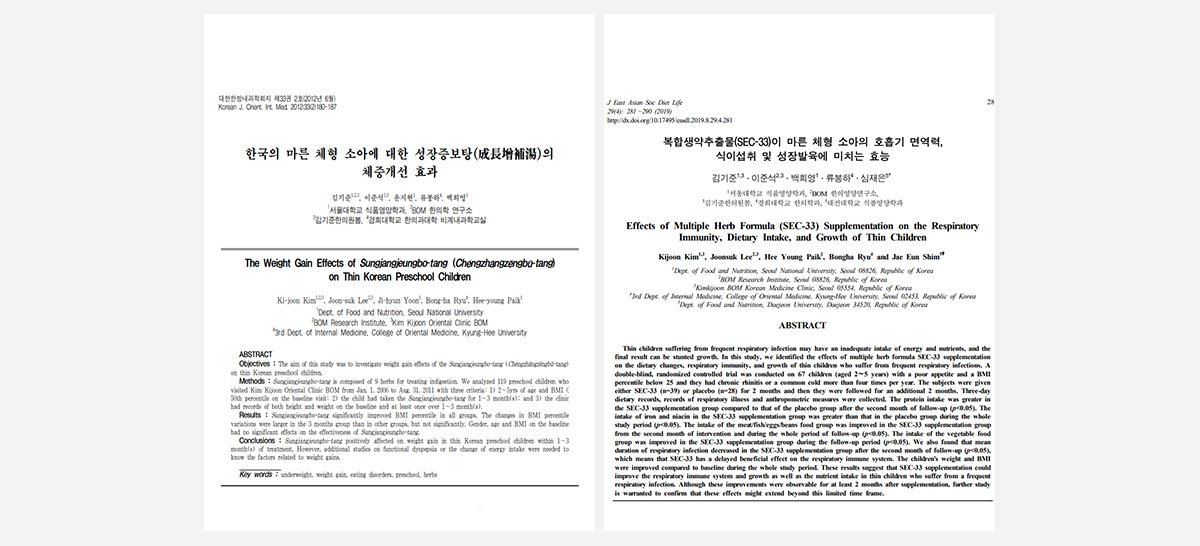
- Dr. Bongha Ryu, Honorary Director: while serving at Kyung Hee University Korean Medicine Hospital, published about 200 or more research papers with the digestive system and tonics clinic team
- Participated as a co-author in research on growth and immunity in children with a thin body type
- Spleen-stomach (脾胃)-focused tonic prescriptions continuing from Hoechundang since 1904
Related research
Effects of a compound herbal extract (SEC-33) on respiratory immunity, dietary intake, and growth and development in children with a thin body type
This study administered a compound herbal extract (Ulmus davidiana root bark, hawthorn fruit, Atractylodes rhizome, peppermint, astragalus root, and others) to 67 children aged 2–5 with a thin body type who had chronic rhinitis and frequent common colds (4 or more times per year). It was reported that the duration of respiratory infection symptoms decreased, and protein and vegetable intake increased, improving both the quantity and quality of meals.
Weight improvement effect of Seongjangjeungbo-tang (成長增補湯) in Korean children with a thin body type
This study administered Seongjangjeungbo-tang (with hawthorn fruit, amomum fruit, atractylodes rhizome, deer antler, and others) to 59 thin children aged 2–5 years. BMI increased significantly across all treatment periods of 1, 2, and 3 months, and the greatest weight gain was reported with 3 months of use.
WHY HOECHUNDANG
Why Choose Hoechundang Kyunghee Ryu Korean Medicine Clinic
- 01
For 4 Generations Since 1904
For 4 generations, we have carried on Hoechundang’s treatment principle of seeing the stomach and intestines as the foundation of health.
- 02
Family Medical Team from Kyung Hee University Korean Medicine Hospital
Dr. Bongha Ryu, Honorary Director, who twice served as director of Kyung Hee University Korean Medicine Hospital and as a presidential physician; Dr. Hansung Ryu, Chief Director, a Korean medicine internal medicine specialist; and Dr. Seungwon Baek, Director, first author of an SCI-level paper on women’s health, provide care together.
- 03
Prepared In-House at Our Herbal Medicine Research Lab
Based on the research of our affiliated Herbal Medicine Research Institute, we prepare prescriptions in-house and use verified herbal ingredients at a level supplied to Kyung Hee University Korean Medicine Hospital.
- 04
15 Acupuncture and Moxibustion Treatment Rooms
We expanded our treatment rooms so patients can receive a variety of treatments, such as acupuncture, pharmacopuncture, Cupping, large moxibustion, radiofrequency, thermal dome therapy, Chuna Manual Therapy, and traction therapy, with minimal waiting.
08FAQ
Frequently Asked Questions
QWhen is a good time to start a Growth-Support Herbal Tonic?
The earlier child growth care begins, the better. We prescribe after checking your child’s constitution and current condition through pulse diagnosis and consultation.
QI’m concerned about precocious puberty.
Precocious puberty refers to the appearance of secondary sexual characteristics before ages 8–9, and it can lead to poor growth because the growth plates may close early. We provide growth care and preventive treatment for precocious puberty while also supporting sufficient sleep, regular eating habits, and regular exercise.
QMy child is a test-taker, so it’s hard to visit often.
Considering situations where frequent visits are difficult, we prescribe tonics, digestive herbal medicine, Chongmyeong-tang, Uwhang Cheongsimwon, and other options together. We can also prepare extract powder that is easy to carry and take.
QWhen is it best to take Gongjindan?
We recommend taking it on an empty stomach after waking in the morning, softening it with saliva for a while and chewing it. Because it has an alerting effect, avoid taking it late at night, and please follow the dosing instructions provided after consultation.
QCan I send herbal medicine with my child who is going abroad to study?
We prescribe herbal medicine made by preparing decoctions as extract powder to reduce volume and weight. We also prescribe according to symptoms for people who travel overseas or go on business trips often.
QIs care still needed after the exam?
As tension eases, burnout, fatigue, digestive problems, and musculoskeletal pain may appear. We help monitor your health so it is not neglected even after the exam.
CONSULTATION
Consider a consultation before symptoms become long-standing
If you bring your test results, we will review your current condition together.
RELATED
Related Care
 Fatigue & Herbal TonicsChronic Fatigue · Burnout · StressDo you still feel tired even after sleeping?Learn more
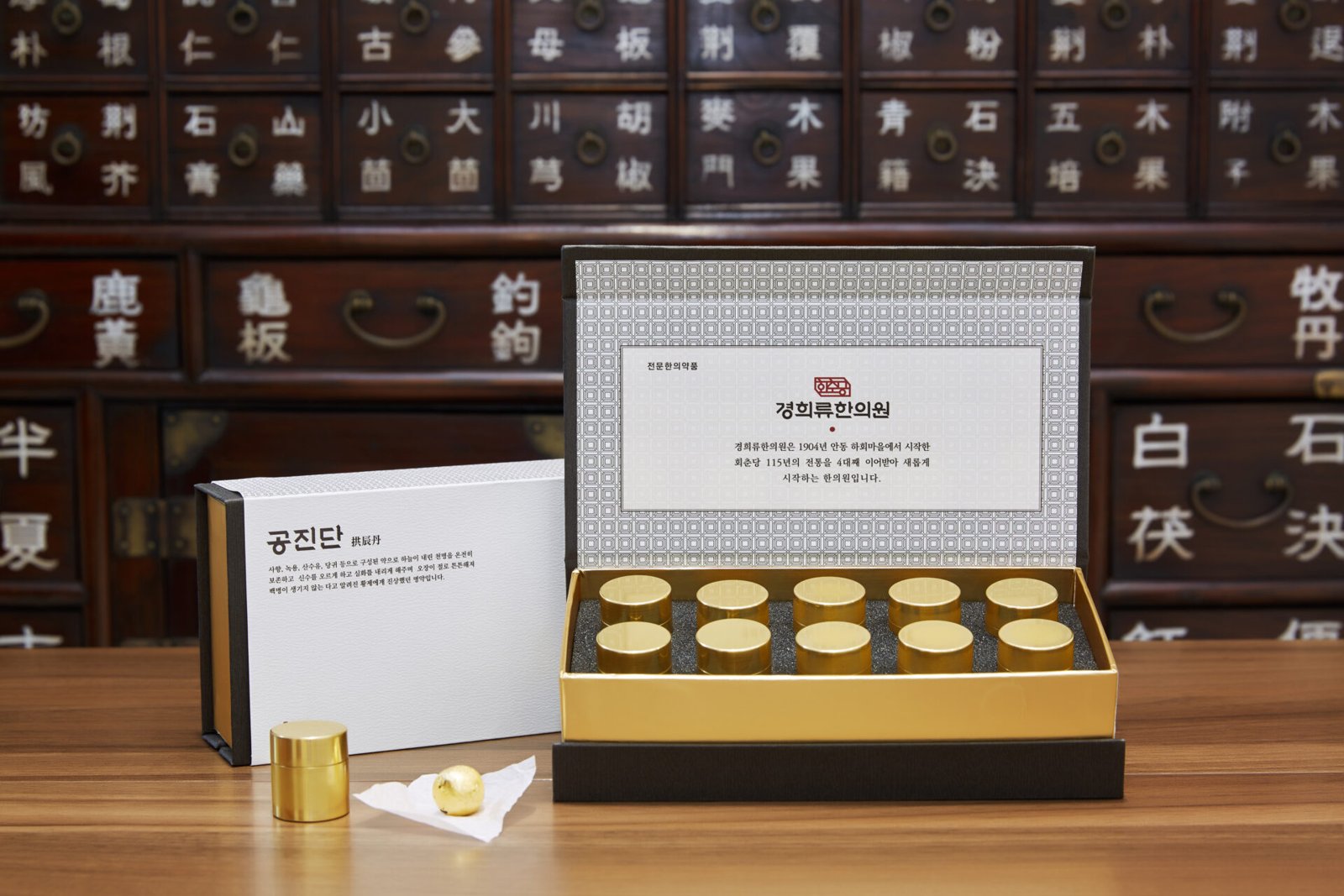 Fatigue & Herbal TonicsWonbang Sahyang GongjindanWhen you always feel low on energy and tire easily, Sahyang Gongjindan prepared according to the original formulaLearn more
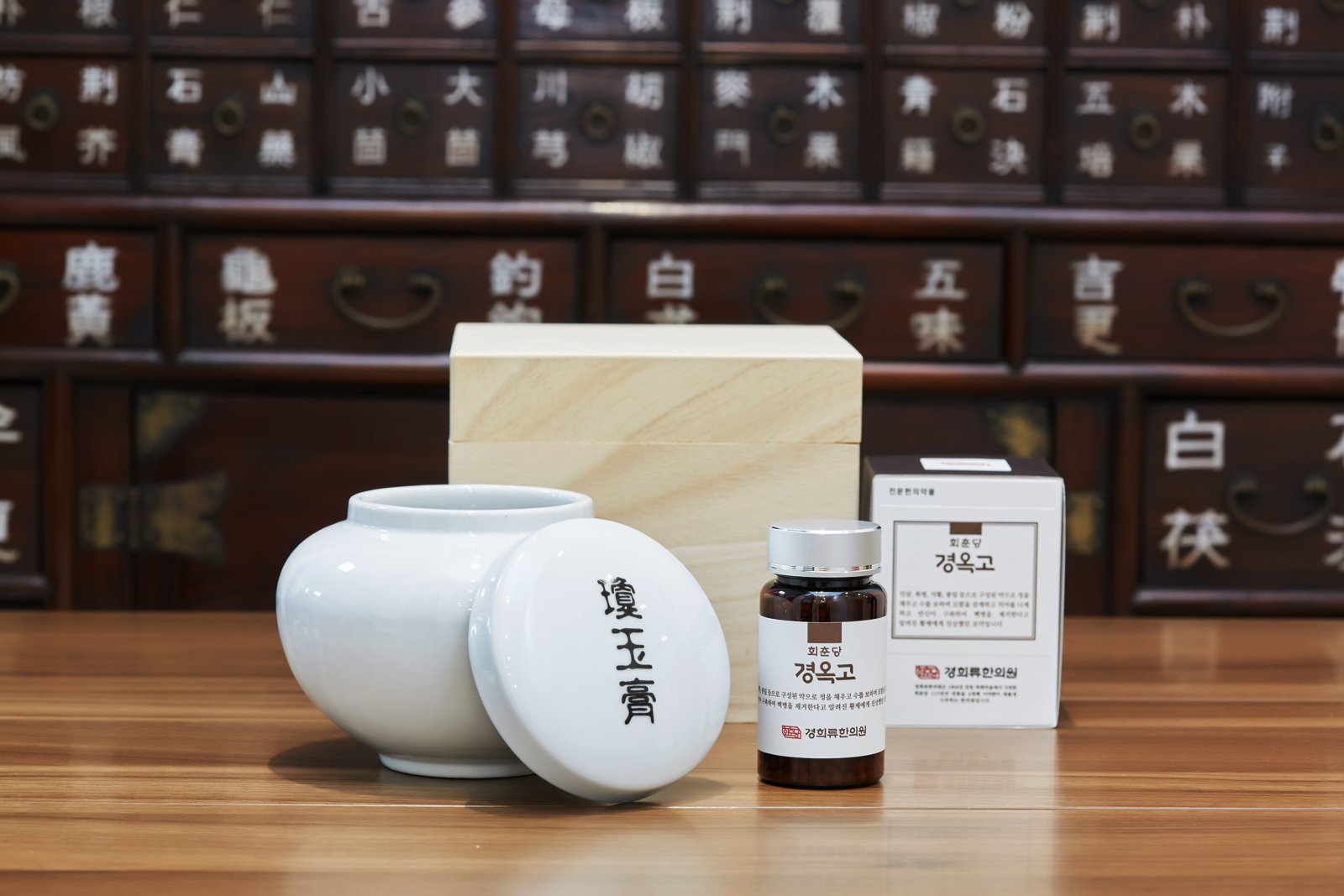 Fatigue & Herbal TonicsGyeongokgoGyeongokgo, which replenishes body fluids when you tire easily and feel dried outLearn more
 Metabolism, Circulation & ParalysisUwhang CheongsimwonWhen your heart pounds and you feel anxious before an important dayLearn more
 Digestive DisordersIrritable Bowel SyndromeDo you have unexplained abdominal pain and rumbling, making you feel anxious whenever you go out?Learn more
RESERVATION
Growth-Support Herbal Tonic · Exam Student Herbal Tonic:
start with a consultation
Leave your details and we will contact you in order during clinic hours. First-time visitors are welcome — we start by carefully understanding your current condition.
+82-2-792-1904- Mon · Tue · Wed · Thu09:30 – 19:30
- Fri09:30 – 18:30
- Sat09:30 – 14:30 (open without a lunch break)
- LunchWeekdays 13:30 – 14:30