
Main ClinicRespiratory Conditions
RHINITIS · SINUSITIS
Rhinitis · Sinusitis
Does your nose run, do you sneeze, or does your nose get completely blocked whenever the weather changes?
It is easy to think of this as a lifelong condition, but frequent rhinitis is a sign that immunity and lung function have become weakened. We help restore constitution and immunity, and build the strength to tolerate outside irritants.
of Hoechundang care
- POINT 01
Constitution-based treatment that strengthens not only immunity but also lung (肺) function
- POINT 02
Tongbidan, based on Cang Er San (蒼耳散) from Dongui Bogam, and Cheongin Yukoe-hwan, based on Gamgil-tang (甘桔湯)
- POINT 03
Care is provided by Dr. Bongha Ryu, Honorary Director, who served as a presidential physician, and by a father-and-son team of Korean internal medicine specialists
01SELF CHECK
Do you have these concerns?
0/ 8
Tap the items that apply to you.
02WHY IT HAPPENS
Why do rhinitis and sinusitis occur?
Rhinitis is a condition in which the nasal mucosa, which protects the body from outside irritants, reacts too sensitively and becomes swollen. When temperature differences are large, the body uses a lot of energy to regulate body temperature, immunity decreases, and the respiratory system is affected first. In addition to decreased immunity, causes include allergic inflammation, structural abnormalities of the nasal cavity, hormonal problems, autonomic nervous system imbalance, and medications.
- 01
Allergic Rhinitis
It accounts for more than half of all rhinitis cases, and 10~20% of the overall population has it. When house dust mites, animal fur, pollen, or mold irritate the nasal mucosa, mast cells release histamine, increasing nasal discharge and causing the mucosa to swell.
- 02
Vasomotor Rhinitis
The nasal nerves react sensitively to hot, spicy, or salty foods, alcohol, cigarette smoke, perfume, and sudden temperature changes. Blood vessels inside the nose abnormally dilate, increasing nasal discharge and swelling the mucosa, which blocks the nose.
- 03
Chronic Hypertrophic Rhinitis
This is a condition in which the nasal mucosa is persistently swollen and inflamed without a specific cause, and it may also occur due to a deviated nasal septum. Nasal congestion, runny nose, and postnasal drip are persistent and tend to worsen at night. It can be considered if symptoms have lasted for years and do not improve with medication.
- 04
Sinusitis
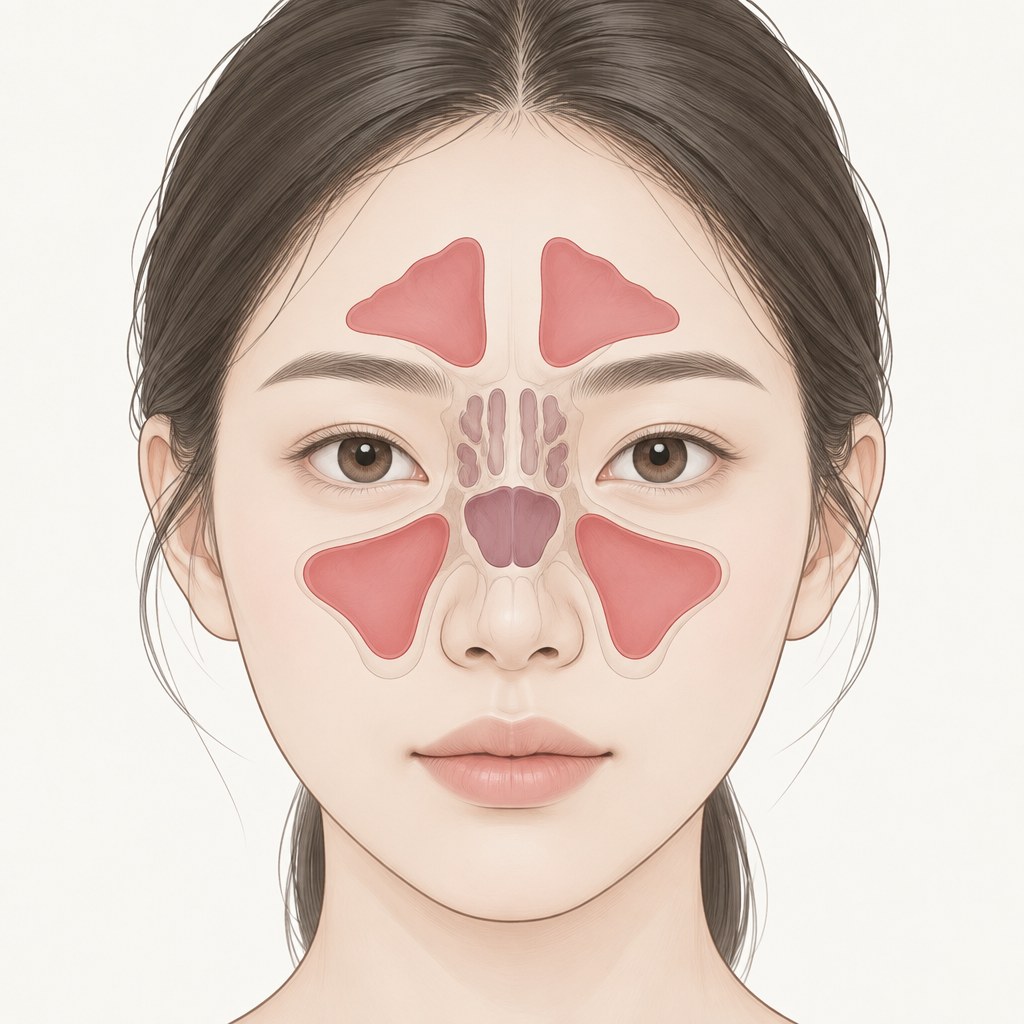
This is a condition in which inflammation develops in the sinuses, the hollow spaces in the facial bones around the nose, and pus accumulates. The sinuses are located above both eyebrows (frontal sinuses), in both cheeks (maxillary sinuses), between both eyes (ethmoid sinuses), and deep behind the nose (sphenoid sinus). It is classified as acute sinusitis if it lasts less than 1 month, and chronic sinusitis if it continues for 3 months or more.
- 05
Korean Medicine View — Hyeonghan-eumnaeng-jeuk-sangpye (Cold Exposure and Cold Drinks Harm the Lung; 形寒飮冷則傷肺)
This means that chilling the body or consuming cold things harms the lung. The lung is responsible for air circulation through the nose and the sense of smell, so people with frequent nasal congestion or runny nose often have weak lung function. For this reason, treatment aims to strengthen not only immunity but also lung function.
03WHY TREAT EARLY
Do not dismiss it as “just the way your nose is”
Rhinitis easily recurs depending on weather and environment, so it is easy to think of it as a condition that cannot be treated. If nasal inflammation continues, coughing, sneezing, and runny nose persist, and the throat and lungs can also be affected. Nasal congestion can lead to decreased concentration and sleepiness, affecting daily activities such as studying or driving.
PROCESS
How Care Proceeds
- 01
Consultation · Pulse Diagnosis
We listen carefully to your symptoms, lifestyle habits, and treatment history, then assess your condition through pulse and tongue diagnosis.
- 02
Detailed Testing
We check organ function, energy level, and autonomic nervous system balance with tests suited to your condition.
- 03
Pattern Identification · Diagnosis
We combine your test results and constitution to find the underlying cause of your symptoms.
- 04
1:1 Customized Prescription
We design the needed treatments for each person, including herbal medicine, acupuncture, pharmacopuncture, and moxibustion.
- 05
Progress Management
We monitor your progress through regular tests and consultations and adjust prescriptions as needed.
Helpful to bringIf you bring existing test results, such as blood tests, we can provide more thorough care.
04TREATMENT
Treatment to restore constitution and immunity
We adjust constitution and immunity according to the patient’s condition to address chronic causes. By restoring the function of the organs and supporting smooth qi and blood circulation, we help build resistance and immunity so the body can better tolerate outside irritants.
Constitution-Tailored Herbal Medicine
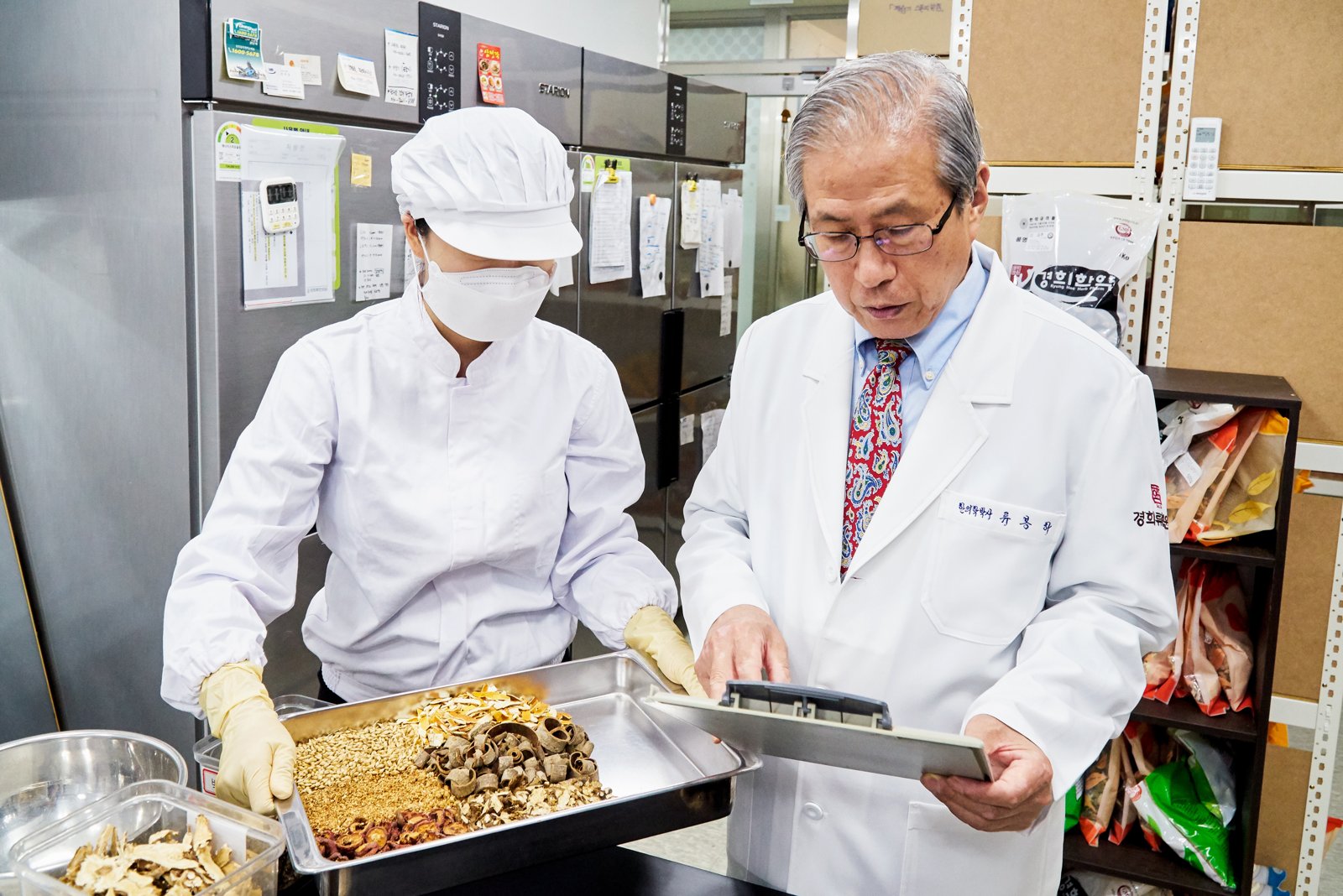
We prescribe based on constitution, severity of symptoms, duration of illness, and lifestyle habits. With yunpye (潤肺) treatment, which moistens and strengthens the lung, we replenish body fluids, and if a lot of waste products have accumulated, we add herbs that help detoxification.
Tongbidan — Korean Herbal Troche for Nasal Congestion
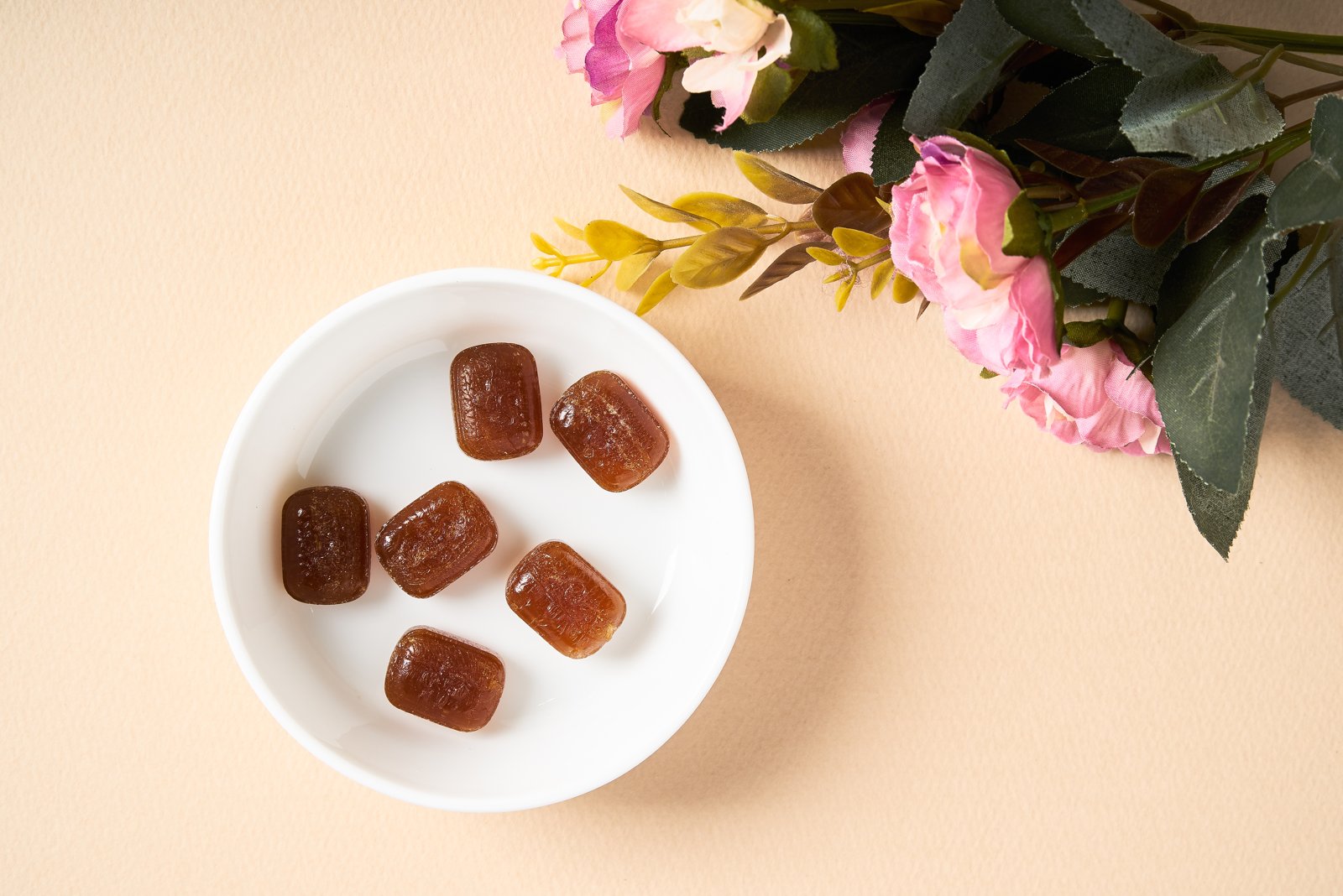
This is an herbal medicine in candy form that dissolves in the mouth, made with Cang Er San (蒼耳散), introduced in Dongui Bogam, as the base prescription. It is used for chronic nasal congestion and rhinitis, and when a blocked nose reduces concentration or causes strong sleepiness. With a refreshing sensation rather than a bitter taste, it is easy for both children and adults to take, and it was developed based on long-standing know-how and clinical experience.
- For those whose daily life is uncomfortable due to chronic rhinitis, Allergic Rhinitis, sinusitis, or nasal congestion
- Students and test-takers who have difficulty concentrating due to nasal congestion
- Those who drive often or drive for work
- Do not chew or swallow; let it dissolve slowly — you can keep it in your bag or car and take it when needed
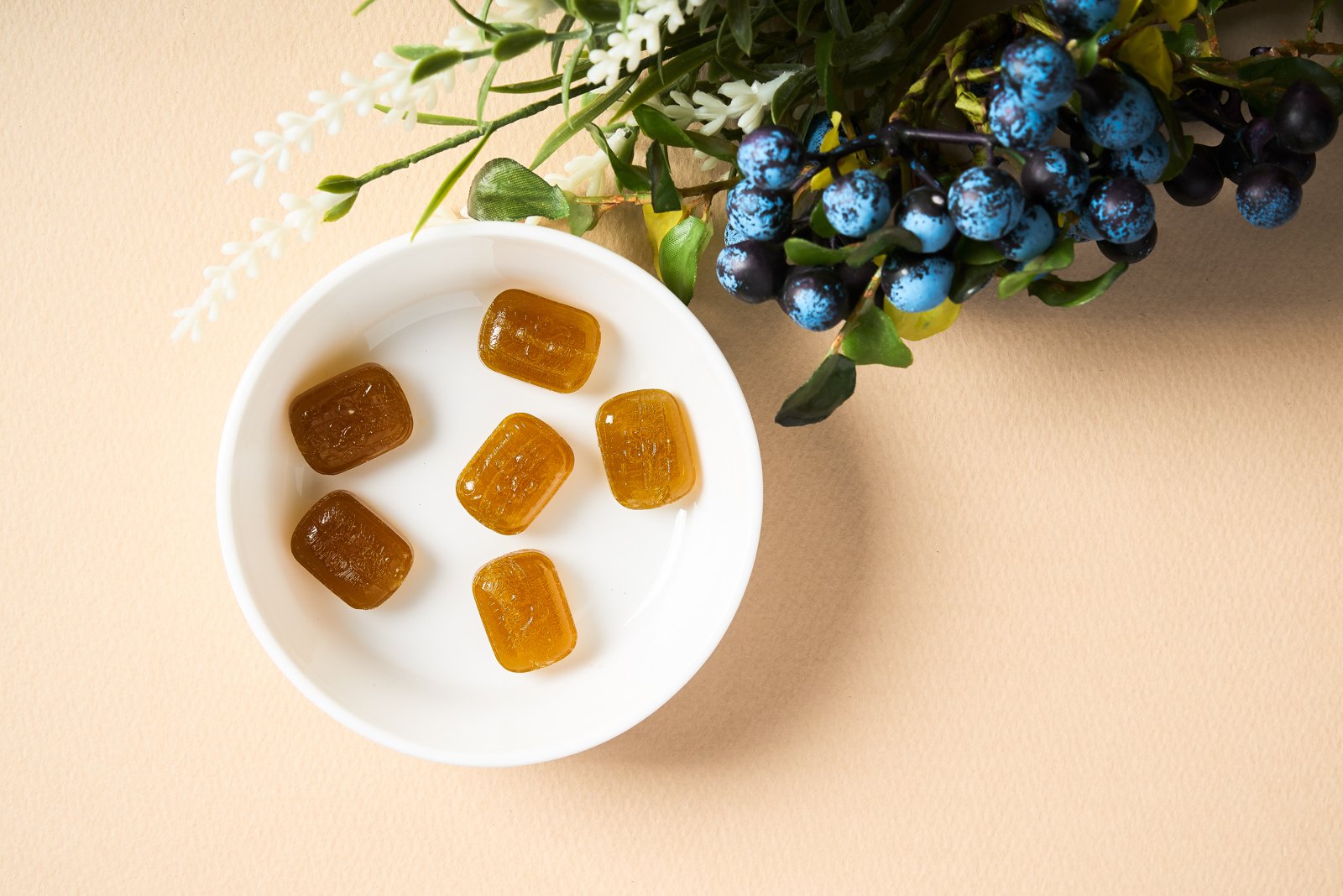
Cheongin Yukoe-hwan — Korean Herbal Throat Candy
This Korean herbal throat candy combines the know-how of the Department of Respiratory Internal Medicine at Kyung Hee University Korean Medicine Hospital and the Herbal Medicine Research Institute with a modern interpretation. It is a specialized Korean medicine based on Gamgil-tang (甘桔湯), used for tonsillitis, and contains propolis and menthol. It may help relieve cough, phlegm, throat discomfort that accompanies rhinitis and sinusitis, and a scratchy throat from fine dust.
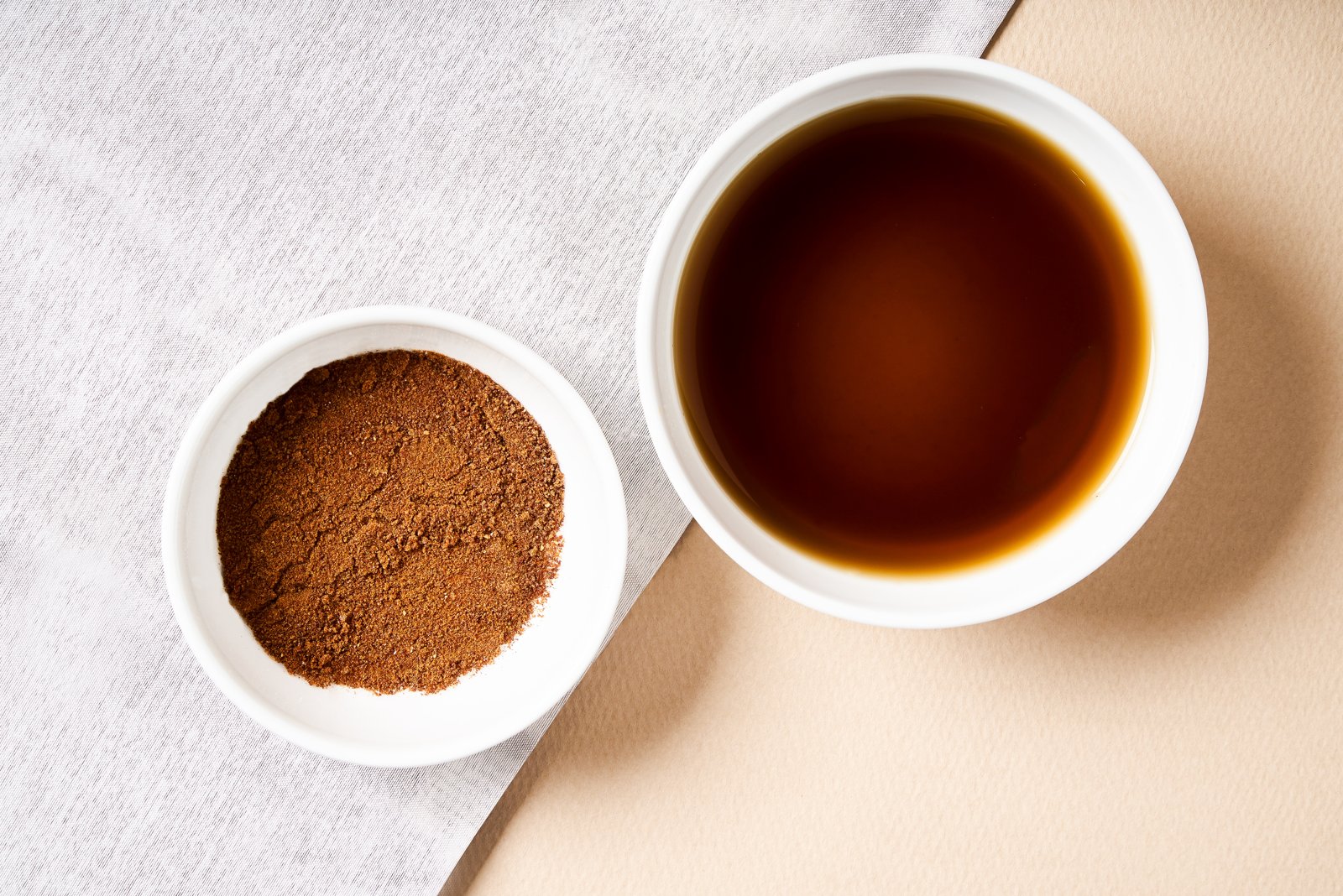
Korean Herbal Cold Medicine · Ssanghwa-tang (雙和湯)
It is used right away when even mild runny nose, nasal congestion, cough, or phlegm is felt, to help reduce symptoms. At our In-House Herbal Medicine Research Lab and decoction room, we inspect and decoct herbs daily and prescribe them promptly; Ssanghwa-tang helps with body aches and fatigue recovery.
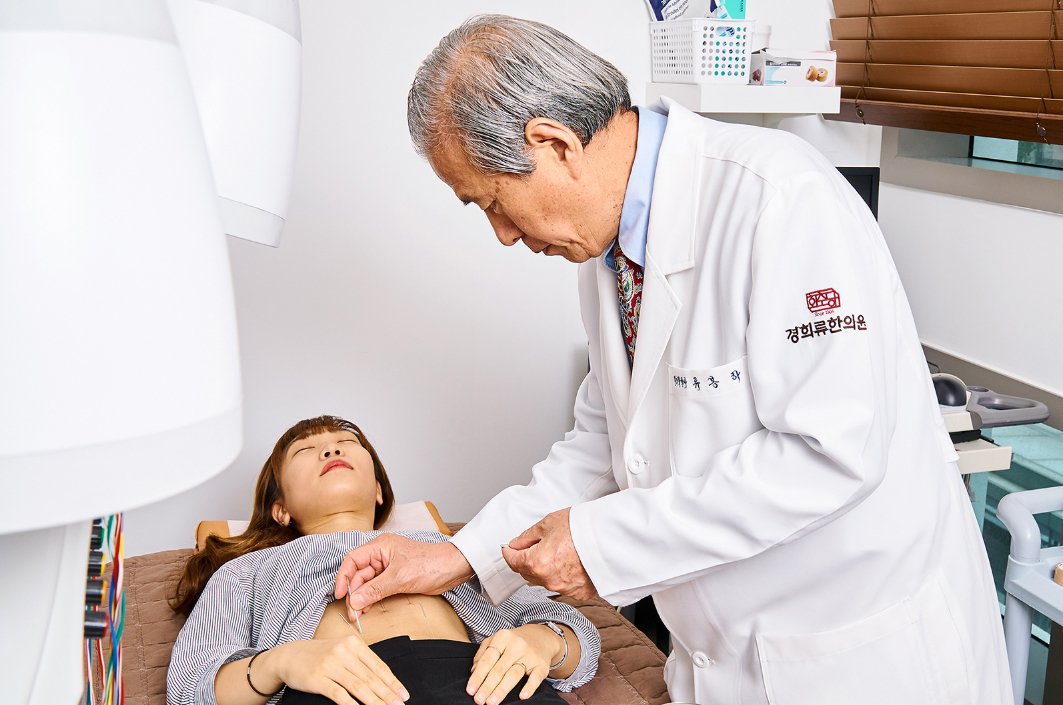
Acupuncture · Moxibustion · Pharmacopuncture Treatment
Depending on your current condition, acupuncture · moxibustion · pharmacopuncture are used to reduce accompanying symptoms. At each visit, we review the treatment needed going forward and the lifestyle habits that should be corrected, and help guide changes.
Lifestyle Management (Seopsaeng)
Changing lifestyle habits along with treatment is important.
- Avoid chilling the body or eating a lot of cold foods
- Drink water often to keep the mucosa moist
- Indoor humidity 50~60% — too humid or too dry is not good
- Get enough restful sleep
- Practice breathing in through the nose and out through the mouth
- Organic aroma oil diffuser to clear the lungs (home complementary care)
Most patients take herbal medicine while receiving acupuncture and moxibustion treatment 2~3 times per week.
CONSULTATION
Consider a consultation before symptoms become long-standing
If you bring your test results, we will review your current condition together.
05EXPERTISE
A father-and-son Korean internal medicine medical team works together
Dr. Bongha Ryu, Honorary Director’s Respiratory Internal Medicine Clinic (chronic cough, phlegm, pharyngitis, rhinitis), 4th-generation family medical team

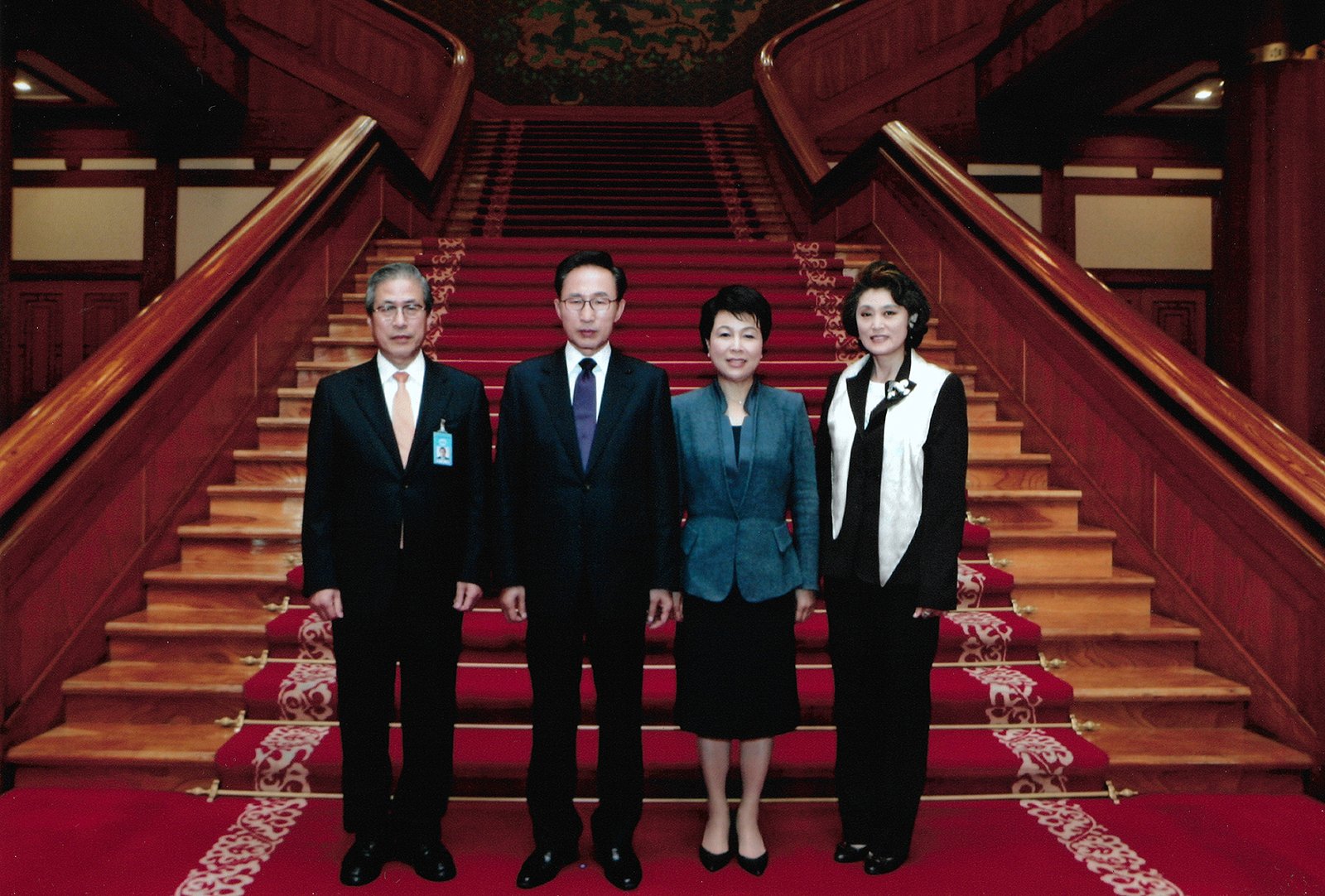
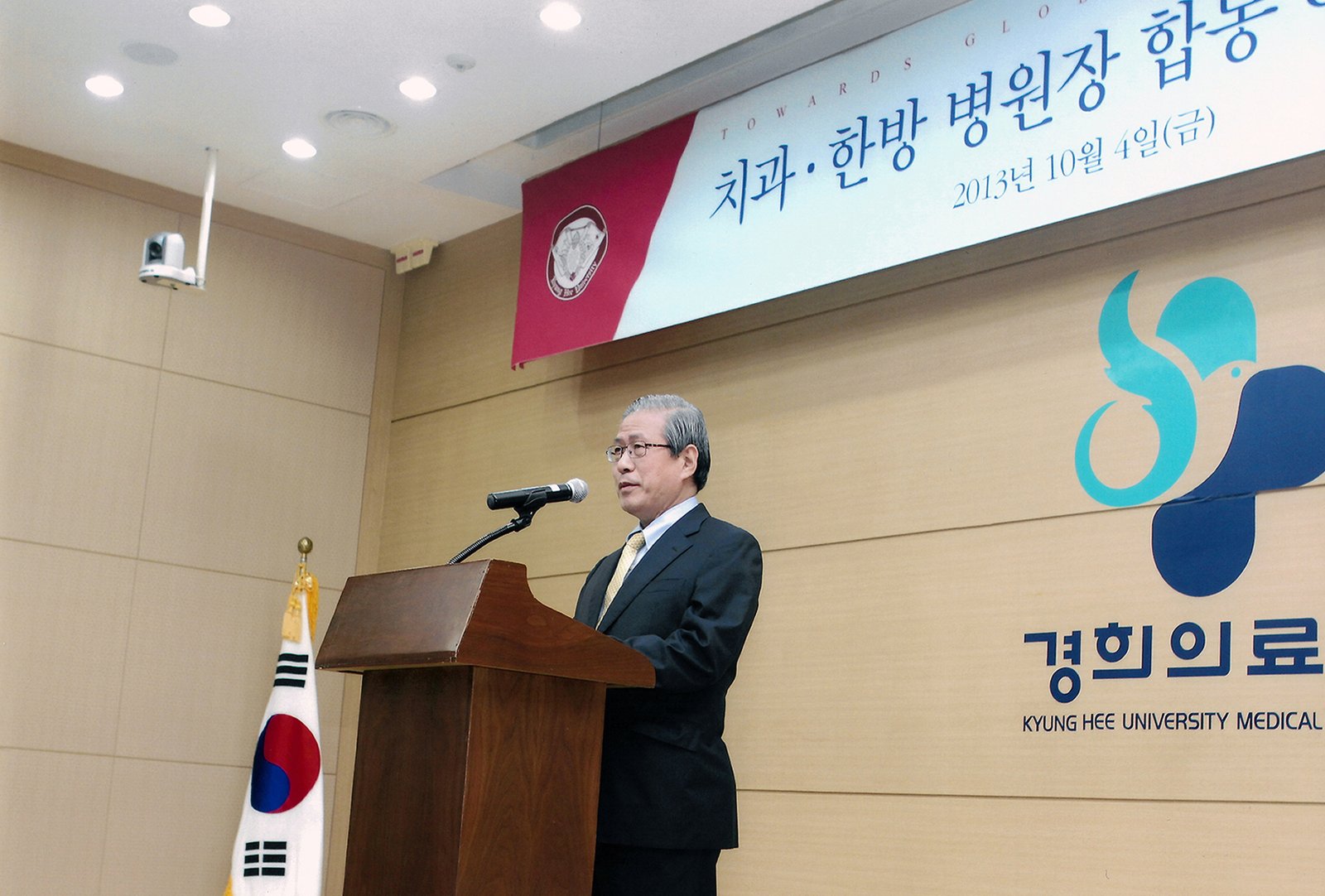
Presidential Physician · Twice Served as Director of Kyung Hee University Korean Medicine Hospital
Dr. Bongha Ryu, Honorary Director
- PhD in Korean Medicine Internal Medicine, Graduate School of Korean Medicine, Kyung Hee University
- Head Professor of Gastroenterology, College of Korean Medicine, Kyung Hee University
- Twice Served as Director of Kyung Hee University Korean Medicine Hospital, Kyung Hee Medical Center
- Former Presidential Physician for President Lee Myung-bak
Digestive SystemRespiratory SystemFatigue · Tonic Herbal Medicine
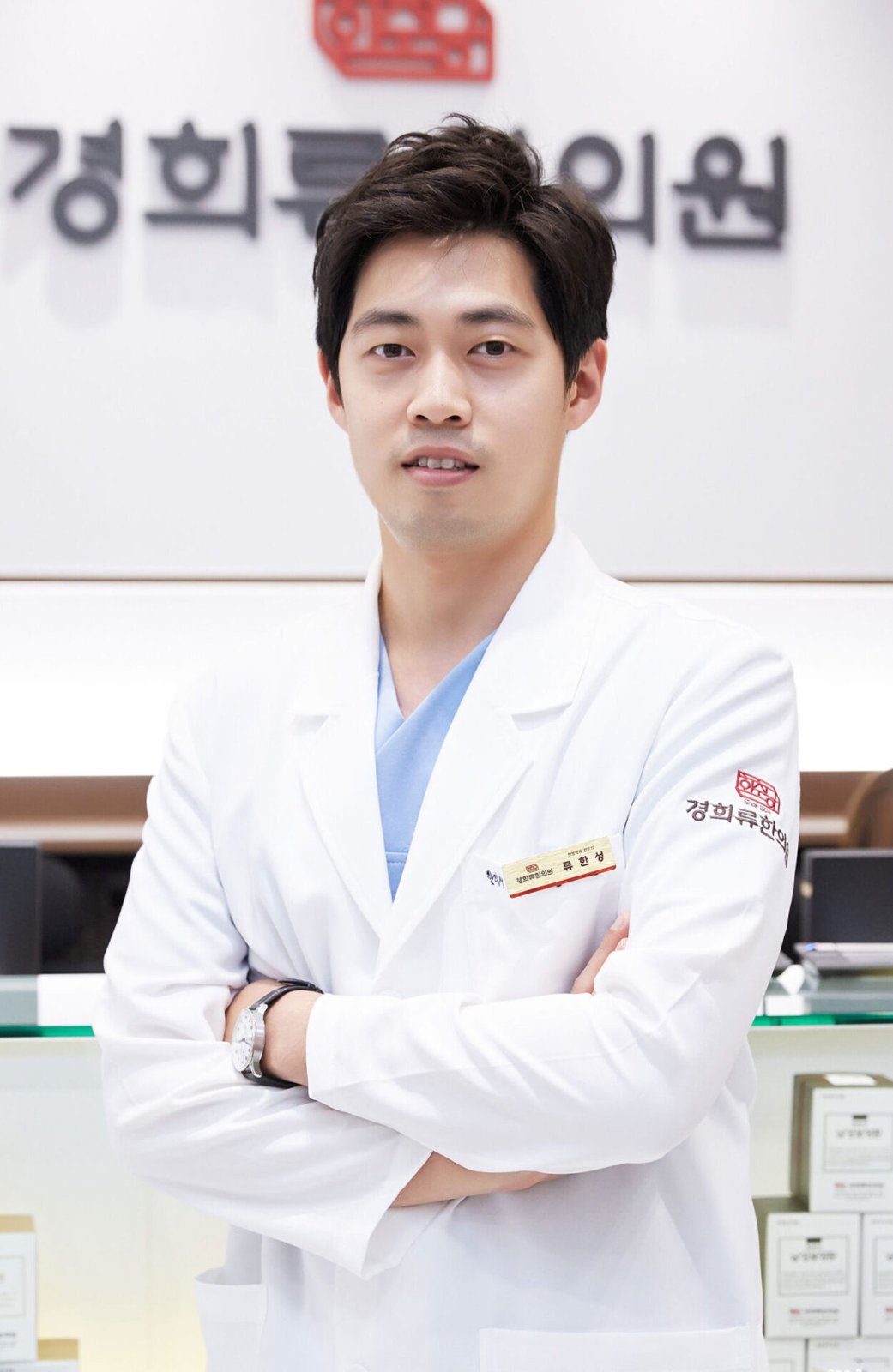
4th-Generation Korean Medicine Doctor · Korean Medicine Internal Medicine Specialist
Dr. Hansung Ryu, Chief Director
- Specialist Training, Korean Medicine Cancer Center, Kyung Hee University Korean Medicine Hospital at Gangdong
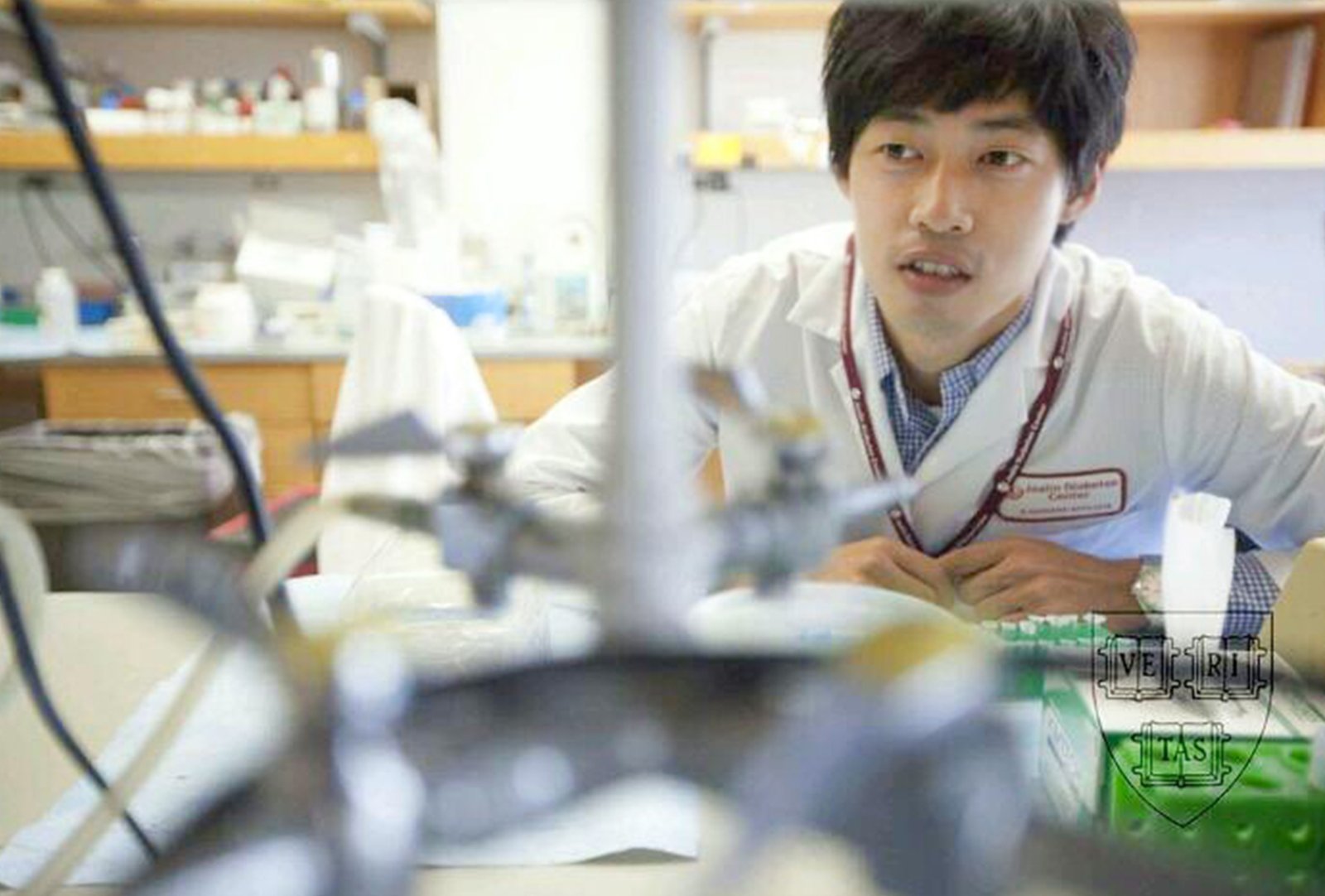
- Training at a Harvard Medical School-affiliated hospital (Joslin Diabetes Center)
- Training at the Block Center (Integrative Cancer Center, USA)
- Researcher in the Development of Korean Medicine Standard Clinical Practice Guidelines for Cancer Symptom Relief
SkinDigestive SystemDiabetes · MetabolismConstitutional Immunity & CancerPain · Traffic Accidents
- Dr. Bongha Ryu, Honorary Director, served twice as director of Kyung Hee University Korean Medicine Hospital and served as a presidential physician.
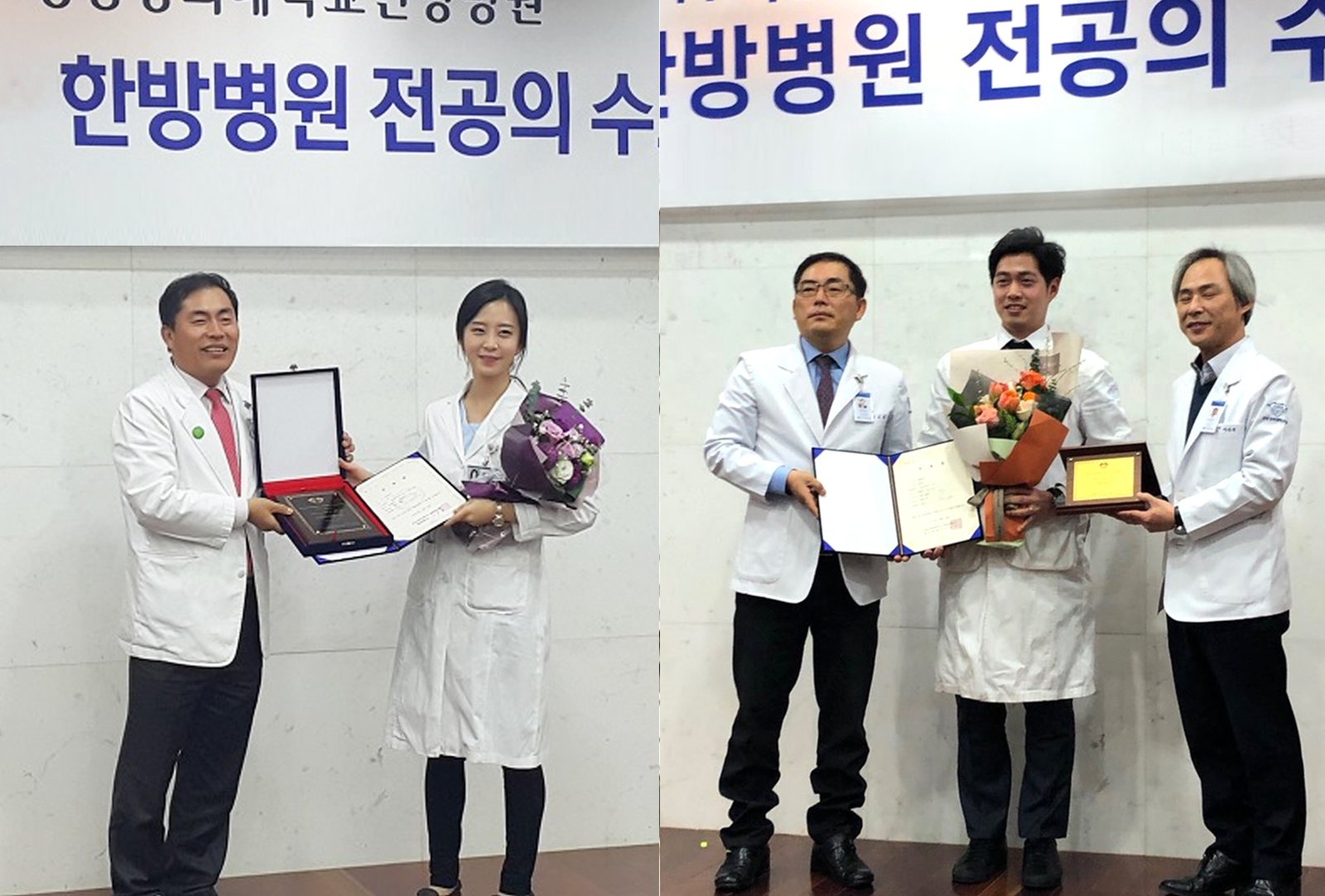
- All family medical team members are from Kyung Hee University Korean Medicine Hospital, and the father-and-son team of Korean internal medicine specialists provides care together.
- Dr. Hansung Ryu, Chief Director, applies his training experience at a Harvard Medical School-affiliated research center to provide care that harmonizes traditional Korean medicine and modern medicine.
- During his time at Kyung Hee University Korean Medicine Hospital, Dr. Bongha Ryu, Honorary Director, published about 200 or more research papers with the digestive system and tonification clinic teams.
Related research
Effects of a complex herbal extract (SEC-33) on respiratory immunity, dietary intake, and growth and development in thin children
The study reported that when a complex herbal extract (including elm root bark, hawthorn, atractylodes, peppermint, astragalus, and others) was administered to 67 thin children aged 2~5 years with chronic rhinitis and frequent common colds (4 or more times per year), the duration of respiratory infection symptoms decreased, and intake of protein and vegetables increased, improving both the quantity and quality of meals.
disclaimers.paper
WHY HOECHUNDANG
Why Choose Hoechundang Kyunghee Ryu Korean Medicine Clinic
- 01
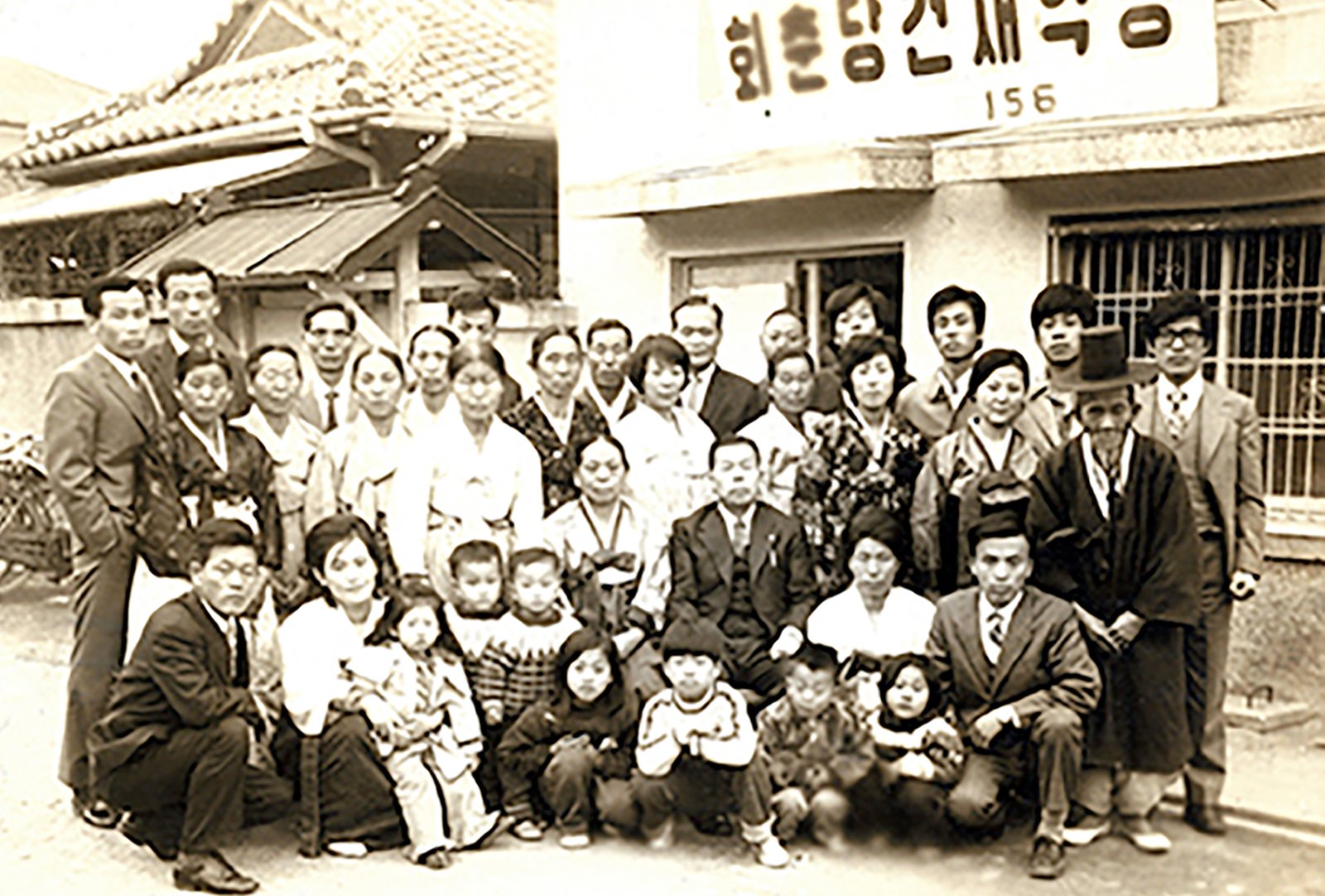
For 4 Generations Since 1904
For 4 generations, we have carried on Hoechundang’s treatment principle of seeing the stomach and intestines as the foundation of health.
- 02
Family Medical Team from Kyung Hee University Korean Medicine Hospital
Dr. Bongha Ryu, Honorary Director, who twice served as director of Kyung Hee University Korean Medicine Hospital and as a presidential physician; Dr. Hansung Ryu, Chief Director, a Korean medicine internal medicine specialist; and Dr. Seungwon Baek, Director, first author of an SCI-level paper on women’s health, provide care together.
- 03
Prepared In-House at Our Herbal Medicine Research Lab
Based on the research of our affiliated Herbal Medicine Research Institute, we prepare prescriptions in-house and use verified herbal ingredients at a level supplied to Kyung Hee University Korean Medicine Hospital.
- 04
15 Acupuncture and Moxibustion Treatment Rooms
We expanded our treatment rooms so patients can receive a variety of treatments, such as acupuncture, pharmacopuncture, Cupping, large moxibustion, radiofrequency, thermal dome therapy, Chuna Manual Therapy, and traction therapy, with minimal waiting.
06FAQ
Frequently Asked Questions
QDo I have to live with rhinitis for life?
Many people think so because it easily recurs depending on the weather and environment. Inflammation inside the nasal cavity is also related to decreased immunity, so treatment aims to restore constitution, immunity, and lung function and build the strength to tolerate outside irritants. Treatment progress varies by individual.
QHow do I take Tongbidan?
It is best to let it dissolve slowly without chewing or swallowing. You can keep it in your bag or car and take it when needed, and please follow the medical team’s instructions for how to take it.
QHow are acute and chronic sinusitis different?
If symptoms last less than 1 month, it is classified as acute sinusitis; if they continue for 3 months or more, it is classified as chronic sinusitis.
QHow is this different from steroid treatment?
Steroids suppress an overactive immune response and quickly calm inflammation, but with long-term use, attention is needed for side effects and recurrence. Korean medicine treatment focuses on strengthening the individual’s immunity and lung function. Please be sure to tell us about any medications you are currently using during your visit.
QWhat should I bring when I visit?
If you bring results such as blood tests or allergy tests, as well as any medications you are taking, we can provide a more thorough consultation.
CONSULTATION
Consider a consultation before symptoms become long-standing
If you bring your test results, we will review your current condition together.

RESERVATION
Rhinitis · Sinusitis:
start with a consultation
Leave your details and we will contact you in order during clinic hours. First-time visitors are welcome — we start by carefully understanding your current condition.
+82-2-792-1904- Mon · Tue · Wed · Thu09:30 – 19:30
- Fri09:30 – 18:30
- Sat09:30 – 14:30 (open without a lunch break)
- LunchWeekdays 13:30 – 14:30