
There are things I often hear every summer in the clinic: “My stomach rumbles even if I eat just a little cold food,” or “My diarrhea has not stopped since coming back from vacation.” Diarrhea is a common symptom, but when physical strength is lower in hot weather, it can lead to dehydration and loss of energy, so it should not be taken too lightly.
Why the Intestines Become Sensitive in Summer
When temperature and humidity rise, food spoils more easily, and the chance of exposure to bacteria or toxins increases. In addition, repeated cold meals such as iced drinks, chilled fruit, and cold noodle dishes can easily disrupt gastrointestinal movement.
The temperature difference between indoors and outdoors also has an effect. If you are exposed to air conditioning for a long time or sleep with your abdomen uncovered, the autonomic nerves that regulate the intestines can become sensitive, leading to abdominal pain, loose stools, and bloating.
Distinguishing Acute Diarrhea from Chronic Diarrhea
Diarrhea that starts suddenly and settles within 3 weeks is usually considered acute diarrhea. Common triggers include contaminated food, overeating, drinking alcohol, cold foods, and changes in water and meals while traveling.
On the other hand, if loose stools continue for more than 3 weeks, or diarrhea and constipation alternate, it should be evaluated as chronic diarrhea. If you also have decreased appetite, weight loss, chronic fatigue, and a cold feeling in the hands, feet, and lower abdomen, we should look not only at bowel function but also at your overall energy status.
In Korean medicine, we often consider warming the inside
In Korean medicine, long-lasting diarrhea is viewed as prolonged diarrhea, and we look together at weakened spleen-stomach qi, a cold state inside the body, overwork and stress, and reduced recovery capacity related to aging. In particular, people whose abdomen feels cold, who dislike cold foods, and who need to use the bathroom soon after eating may be approached as having a pattern of insufficient yang qi of the spleen and stomach.
Treatment is not aimed only at stopping diarrhea; it also considers improving digestion and absorption and restoring physical strength. Herbs that tonify qi, such as ginseng, astragalus root, atractylodes rhizome, and poria; herbs that help warm the inside, such as dried ginger and cinnamon bark; and herbs that tonify the intestines, such as Chinese yam and hyacinth bean, should be combined according to each person’s constitution and symptoms.
Lifestyle Management To Start At Home
- Drink small amounts of water often, and if you sweat a lot or have frequent diarrhea, also consider replenishing electrolytes.
- When diarrhea is severe, temporarily reduce milk, greasy foods, alcohol, strong coffee, fruit juice, and carbonated drinks.
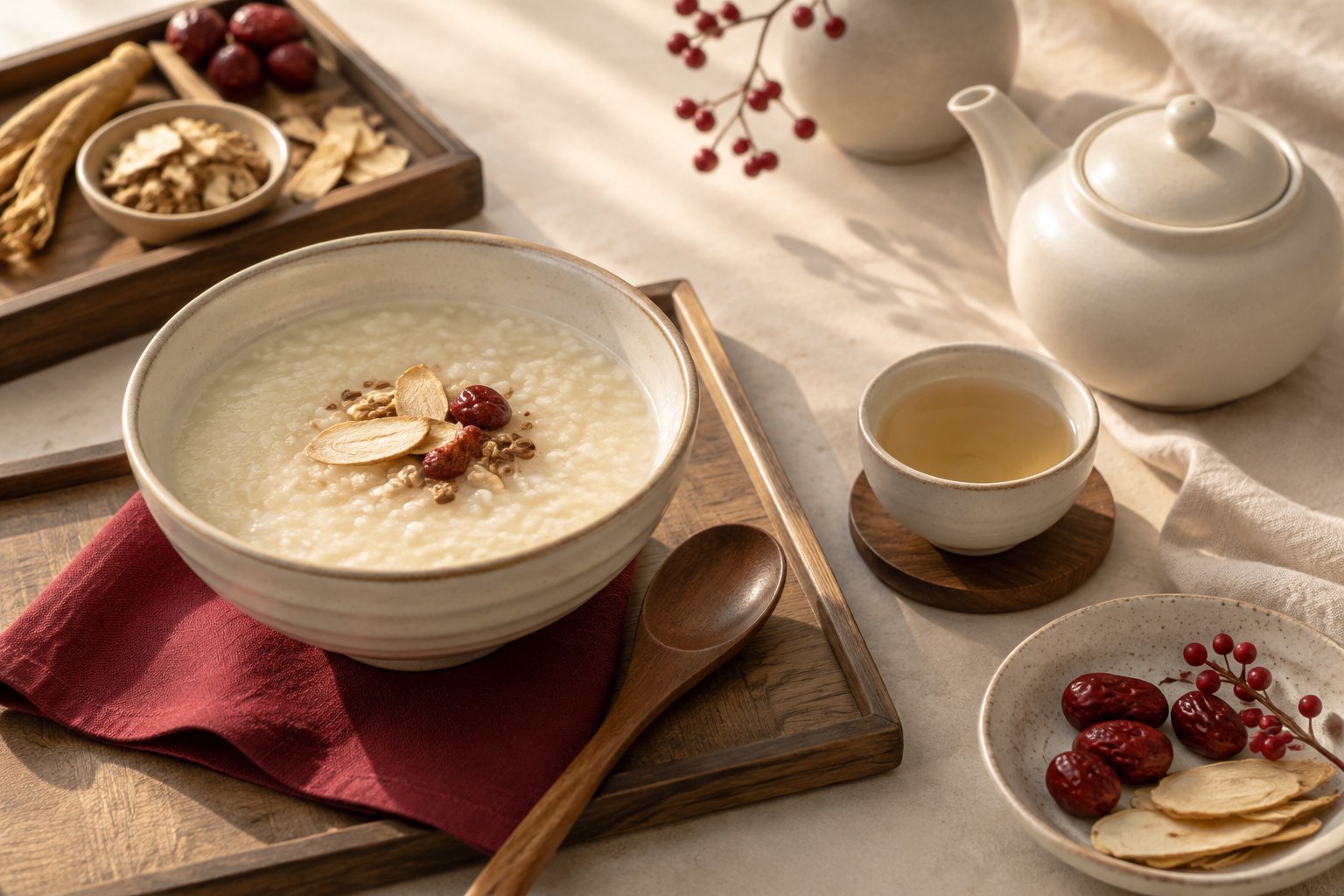
- Avoid late-night snacks and overeating, and let the intestines rest with soft foods such as rice porridge or thin rice gruel.
- When sleeping, cover your abdomen with a light blanket so that air-conditioning does not blow directly on it.
- Do not take antidiarrheal medication on your own if you have bloody stool, a high fever, or severe abdominal pain; use it after medical care.
We Recommend Medical Care In These Cases
- When diarrhea lasts more than 2–3 days and gradually worsens
- When there is bloody stool, a high fever, severe abdominal pain, or repeated vomiting
- When there are signs of dehydration, such as decreased urination, dry mouth, and dizziness
- When loose stools continue for more than 3 weeks or weight decreases
- When diarrhea occurs in an older adult, a pregnant woman, or someone with an underlying medical condition
If your consciousness becomes clouded, or if severe dehydration makes it hard to stand, or neurological symptoms such as paralysis occur, you should first seek help from 119 or an emergency room. Summer diarrhea often improves with lifestyle management, but recurring or long-lasting diarrhea may be a signal from the body. I believe it is important to look at the duration of symptoms, stool patterns, the location of abdominal pain, and your usual constitution and eating habits together to find a way for the intestines to recover.