
Main ClinicDigestive Disorders
IRRITABLE BOWEL SYNDROME
Irritable Bowel Syndrome
Do you have unexplained abdominal pain and rumbling, making you feel anxious whenever you go out?
Irritable bowel syndrome is caused by a functional problem rather than a structural problem of the large intestine. We treat it by helping regulate irregular bowel movements and prevent gas buildup, along with guidance on diet and lifestyle habits.

of Hoechundang care
- POINT 01
Treatment tailored to gas type, abdominal pain-predominant type, diarrhea-predominant type, constipation-predominant type, and mixed type
- POINT 02
Checking the effects of stress and tension with the HRV Autonomic Nervous System Test
- POINT 03
A Medical Team with a background in gastroenterology that has continued clinical research on irritable bowel syndrome
01SELF CHECK
Irritable bowel syndrome self-check
0/ 8
Tap the items that apply to you.
If 5 or more apply to you, irritable bowel syndrome can be considered. An accurate understanding of your condition is confirmed through consultation and testing.
02WHY IT HAPPENS
Why does irritable bowel syndrome occur?
Irritable bowel syndrome appears as a functional problem rather than a structural problem of the large intestine. It is usually caused not by a single cause, but by overlapping changes in diet, stress, and digestive problems. Rather than having diarrhea or constipation for a few days, the concern is repeated bowel movement problems, abdominal pain, and bloating that make daily life difficult.
- 01
Gas Type (Bloating Type)
Because gas in the lower abdomen cannot pass out, the abdomen becomes bloated and painful even after eating food or drinking a beverage. Symptoms may be strong, so many people seek treatment promptly.
- 02
Abdominal Pain-Predominant Type
Abdominal pain is prominent, and the symptom intensity tends to be strong. Symptoms may occur or worsen depending on the level of stress and tension.
- 03
Diarrhea-Predominant Type
When it becomes chronic, many people lose weight and have difficulty with daily life due to fatigue and low energy. In some cases, it is not well controlled with antidiarrheal medication.
- 04
Constipation-Predominant Type
Bowel movements are difficult, or the stool comes out hard like goat droppings. Many people rely on enemas or constipation medication.
- 05
Mixed Type
Diarrhea and constipation repeatedly alternate.
Diagnostic criteria
This refers to having abdominal discomfort or abdominal pain for at least 12 weeks over 12 months, with 2 or more of the following.
- Symptoms decrease after a bowel movement
- The frequency of bowel movements changes along with the symptoms
- The form or firmness of the stool changes along with the symptoms
7 Types Based on Stool Shape (Bristol Stool Chart)
This is an international chart that classifies stool into 7 types according to shape and is used as a reference during care.
- Type 1
- Separate hard lumps like nuts, difficult to pass
- Type 2
- Sausage-shaped but lumpy
- Type 3
- Sausage-shaped with cracks on the surface
- Type 4
- Smooth and soft, like a sausage or snake
- Type 5
- Soft blobs with clear-cut edges, passed easily
- Type 6
- Fluffy pieces with ragged edges, mushy stool
- Type 7
- Watery stool with no solid pieces
Causes Seen by Stool Color
- Black stoolbleeding in the gastrointestinal mucosa
- Grayish-white stoola reduced amount of bile due to bile secretion not being smooth
- Green stoolbile secretion is normal, but the colon transit time is short, so breakdown is incomplete
- Stool mixed with redbleeding in the rectum or lower colon
If your stool color is different from usual, the cause needs to be checked. We also review the foods you mainly eat and any medications you have recently taken, such as diarrhea medication, digestive medication, anti-inflammatory medication, or antibiotics.
03WHY TREAT EARLY
When it becomes chronic, both the digestive system and mind become exhausted
The longer bowel movement problems continue, the more time it takes to return to a healthy state. When it becomes chronic, irregular bowel movements can affect the stomach as well, and mental burden can lower quality of life.
CONSULTATION
Consider a consultation before symptoms become long-standing
If you bring your test results, we will review your current condition together.
PROCESS
How Care Proceeds
- 01
Consultation · Pulse Diagnosis
We listen carefully to your symptoms, lifestyle habits, and treatment history, then assess your condition through pulse and tongue diagnosis.
- 02
Detailed Testing
We check organ function, energy level, and autonomic nervous system balance with tests suited to your condition.
- 03
Pattern Identification · Diagnosis
We combine your test results and constitution to find the underlying cause of your symptoms.
- 04
1:1 Customized Prescription
We design the needed treatments for each person, including herbal medicine, acupuncture, pharmacopuncture, and moxibustion.
- 05
Progress Management
We monitor your progress through regular tests and consultations and adjust prescriptions as needed.
Helpful to bringIf you bring your blood test and endoscopy results, we can provide more thorough care.
04DIAGNOSIS
We check the intestines, stomach, and autonomic nervous system together
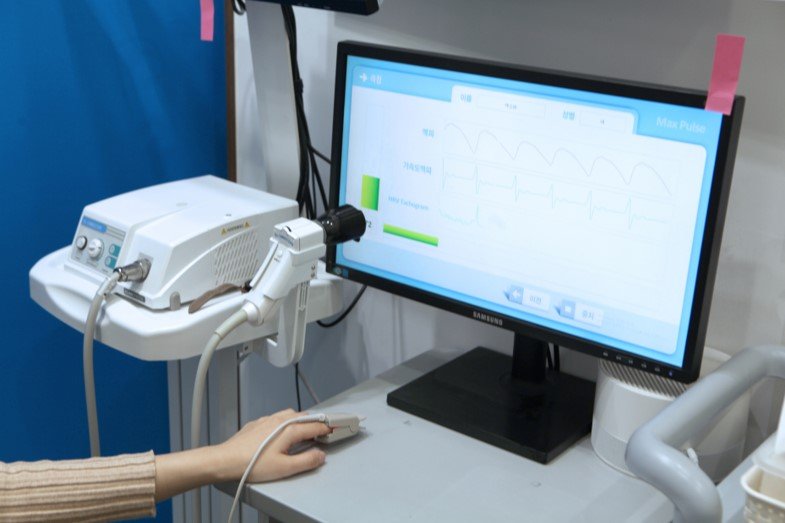 TEST 01
Hand Yangming Meridian Test (HRV)
This is an especially important test for irritable bowel syndrome, where symptoms rise and fall depending on stress and tension. It checks whether the balance of the autonomic nervous system, including the sympathetic and parasympathetic nerves, is disrupted, whether activity is reduced, and what the stress index is like.
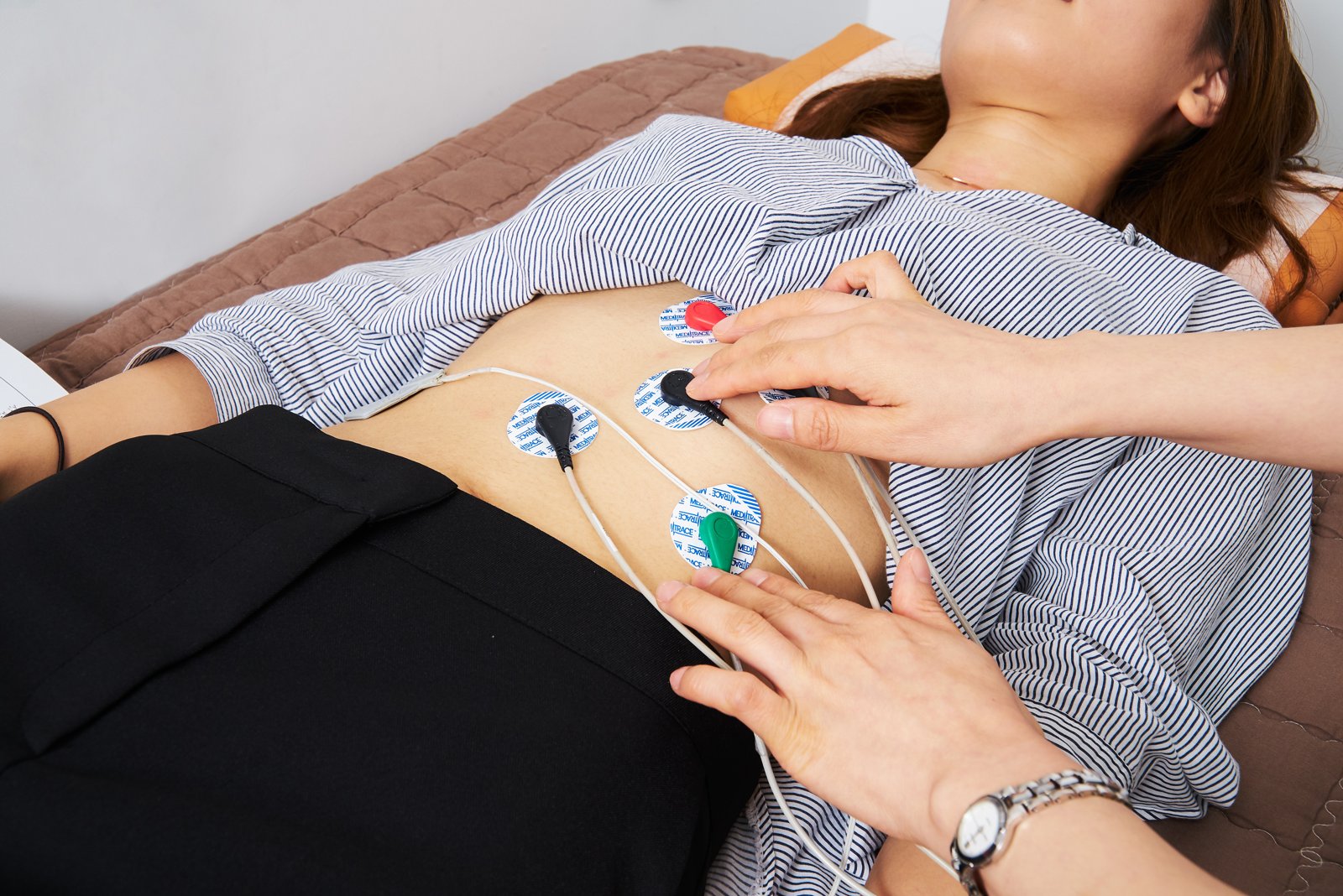 TEST 02
Electrogastrography (EGG)
This checks whether stomach function has also declined, a state in which both the stomach and intestines are not functioning well. It compares stomach movement before and after meals, and only electrodes are attached to the abdomen, so there is little to no pain.
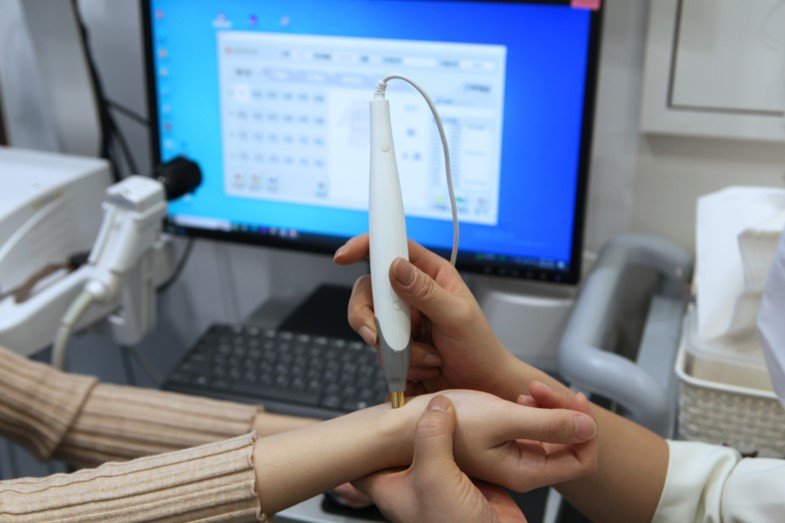 TEST 03
Ryodoraku Meridian Function Test
For long-standing diarrhea and abdominal pain, we measure at acupuncture points on the hands and feet to see how much energy has declined and what the deficiency-excess (虛實) pattern of the condition is, then create a treatment plan.
05TREATMENT
Make bowel movements regular and help prevent gas buildup
The goal is to normalize irregular bowel movements and help prevent gas buildup. Because stress and tension have a large influence, we also provide treatment to help stabilize the autonomic nervous system, including sympathetic and parasympathetic balance. We focus on restoring both stomach and large intestine function to help recover the health of the entire digestive system, from the mouth to the large intestine.
- 01Strengthening stomach function
- 02Recovering stomach energy
- 03Strengthening stomach movement
- 04Strengthening the damaged stomach mucosa
- 05Easing chronic inflammation
- 06Toxin removal of damjeok
- 07Raising abdominal temperature
- 08Easing autonomic nervous system stress
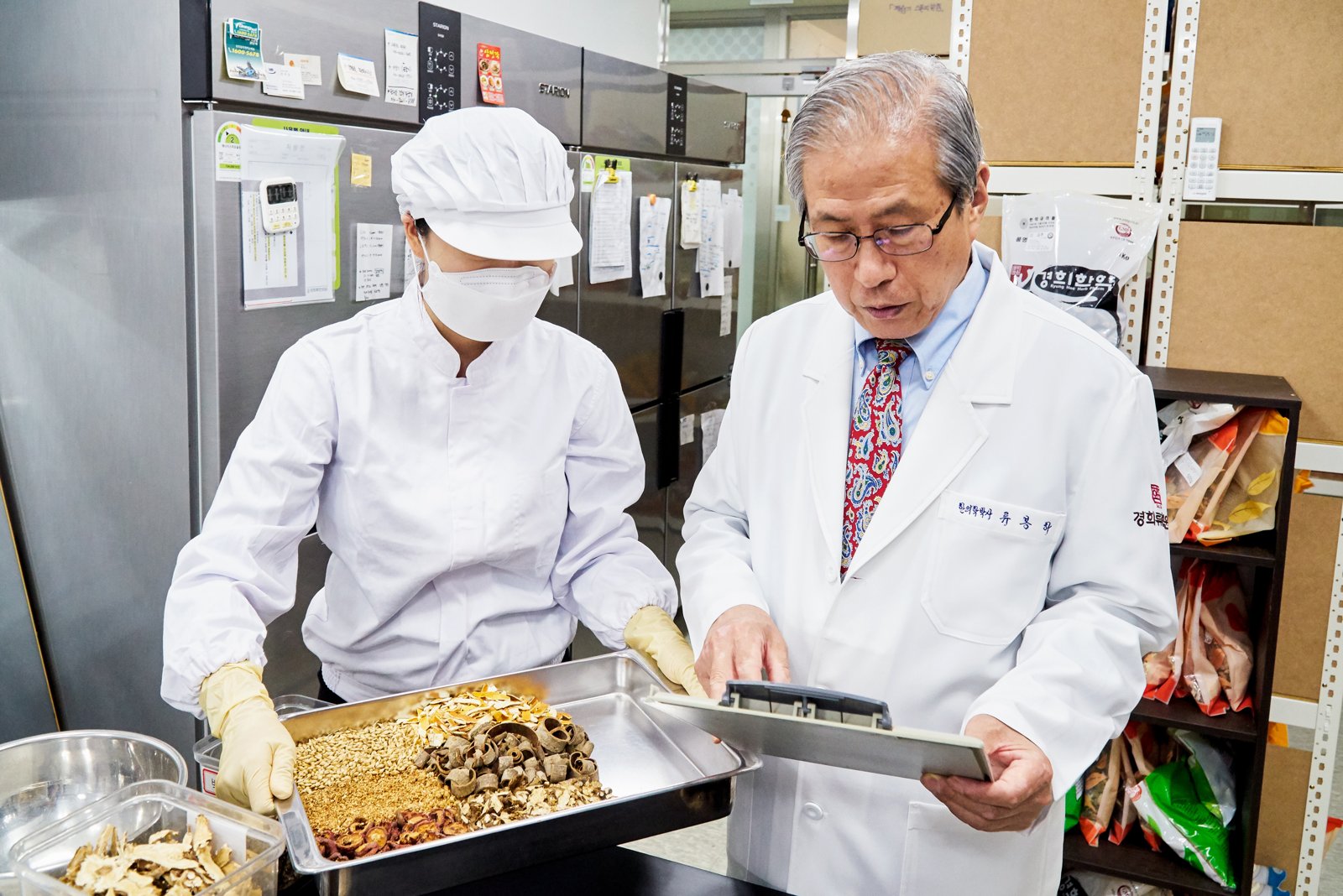
One-on-One Personalized Herbal Medicine
We decide the prescription according to the type, such as gas type, abdominal pain-predominant type, diarrhea-predominant type, constipation-predominant type, or mixed type, as well as constitution and the duration of the condition. After consultation, we decide whether to first reduce discomfort or also replenish weakened digestive function and energy, then adjust the herbs accordingly.
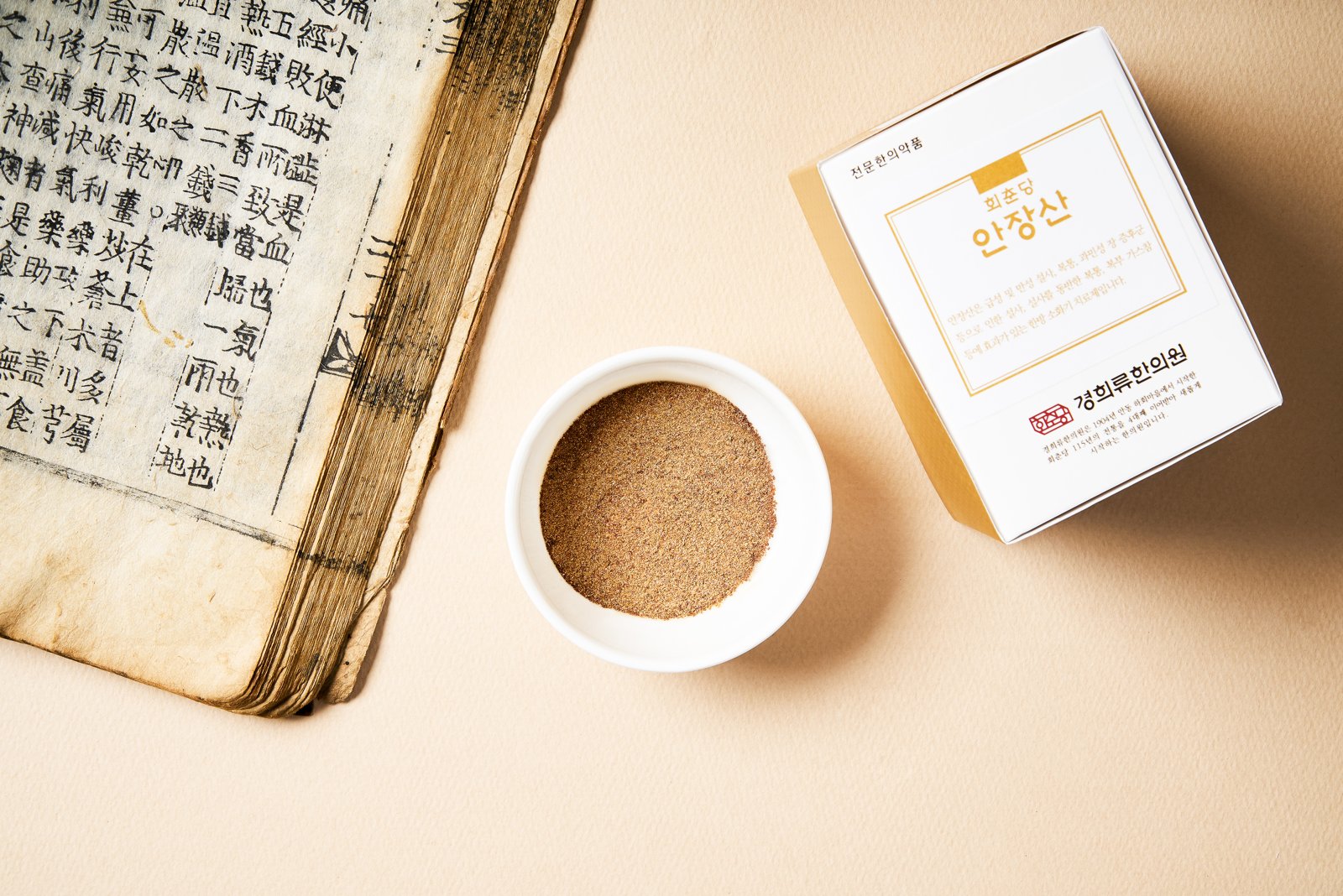
Anjangsan (安腸散) · Cheongjang Capsule (淸腸 Capsule)
This is a prescription made at the In-House Herbal Medicine Research Lab by decocting herbal medicine for about 3 hours, then preparing it as a highly concentrated extract powder and capsules. Anjangsan is a prescription developed and studied by Dr. Bongha Ryu, Honorary Director, to help stabilize the intestines, stop diarrhea, and support normal bowel movements. Cheongjang Capsule is a constipation capsule that helps soften bowel movements, and even people who are sensitive to the taste of herbal medicine can take it comfortably.
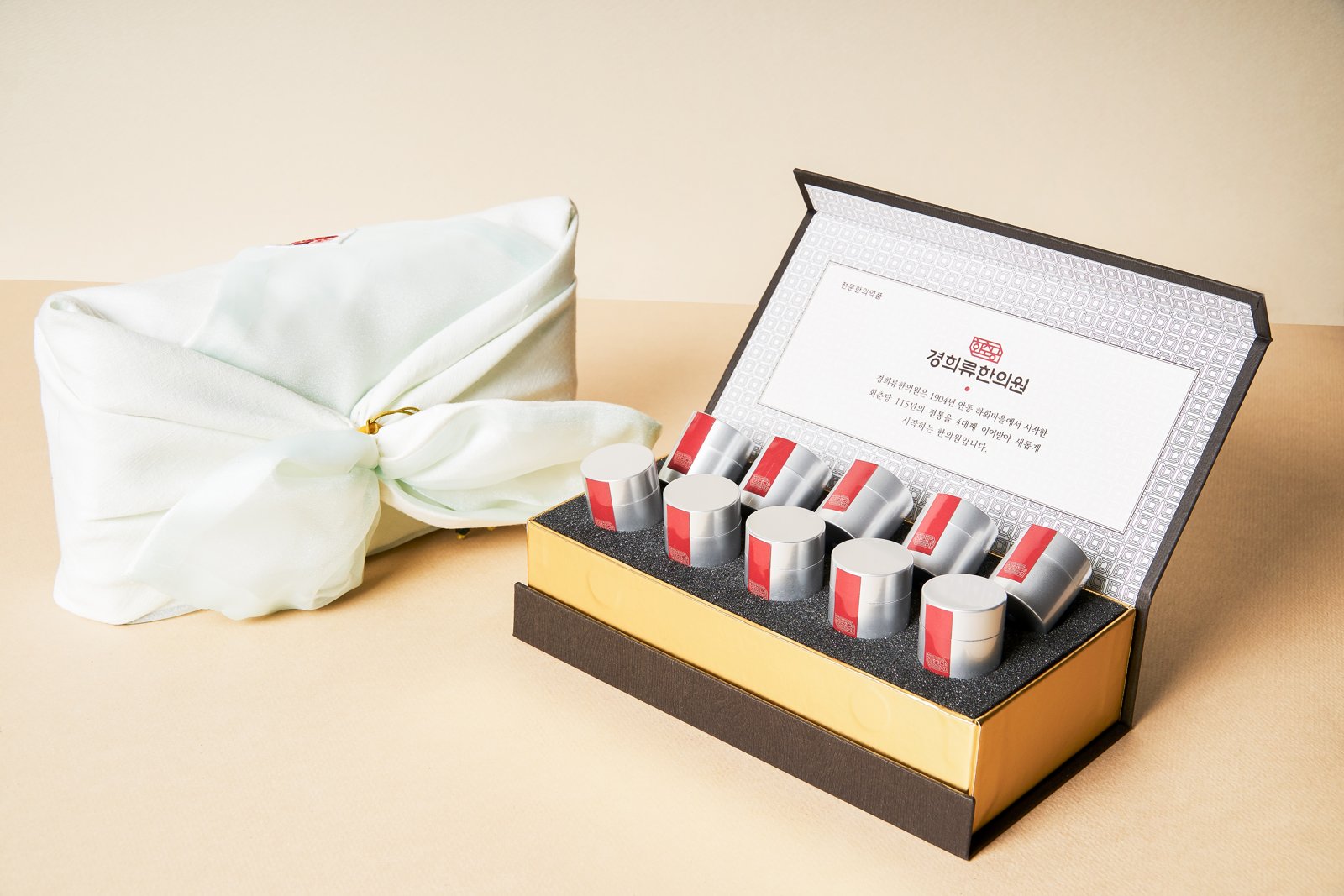
Bowi Gongjindan (補胃供辰丹) · Sohabwon
For people whose energy has declined due to long-standing diarrhea, we also use Bowi Gongjindan, composed of deer antler, atractylodes rhizome, amomum fruit, ginseng, and astragalus root. For sudden abdominal pain and fullness, we prescribe Sohabwon, a Korean medicine digestive medicine passed down for 4 generations, as an at-home medicine.
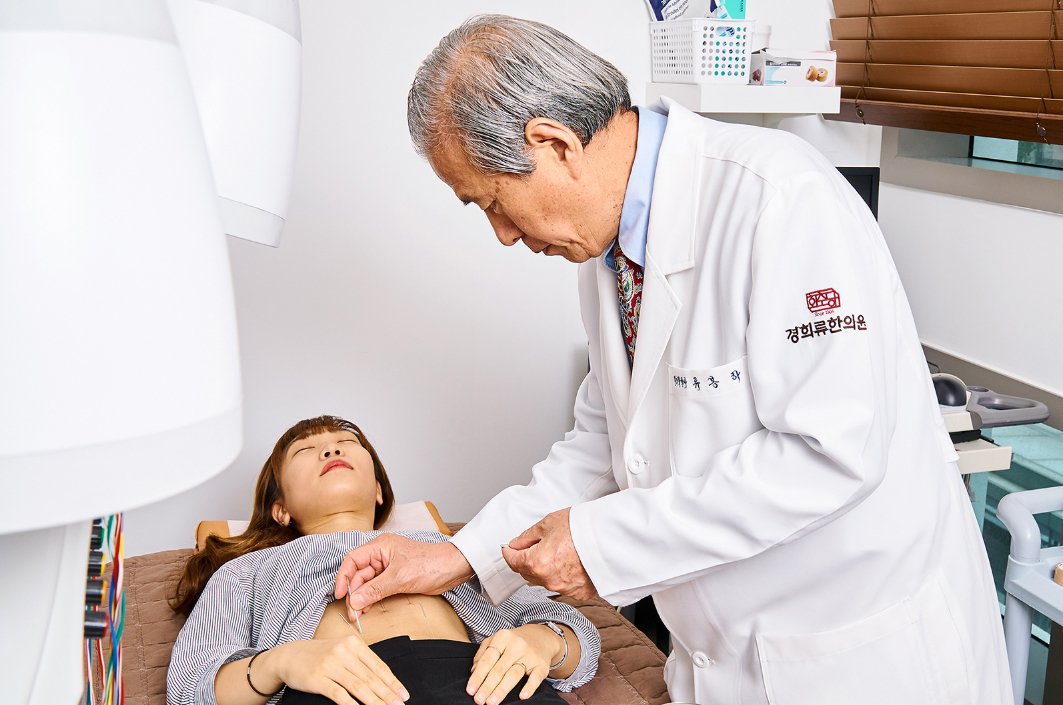
Acupuncture · Moxibustion · Radiofrequency Thermotherapy
Most patients receive treatment 2–3 times a week along with herbal medicine.
- Bowi and Bojang acupuncture: We use acupuncture points on the abdomen, back, arms, and legs according to your symptoms and pattern identification, helping regulate an imbalanced autonomic nervous system and ease the mind.
- Large-area moxibustionThis covers the entire abdomen to warm a cold abdomen and support bowel movement.
- Radiofrequency heat therapy: This raises the temperature deep in the abdomen to help support overall movement of a stiff digestive tract.
06TREATMENT STEPS
Treatment proceeds in 3 steps
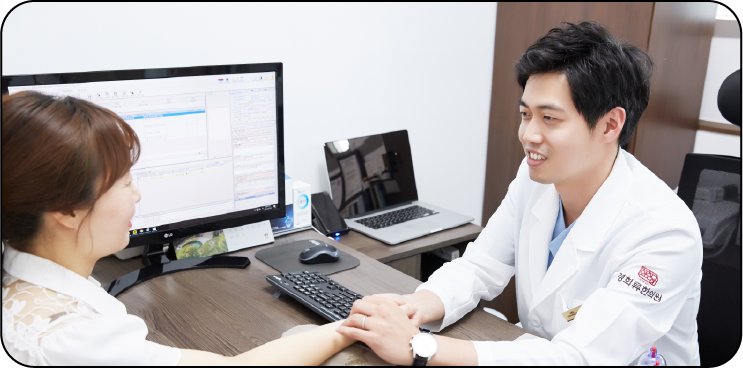 STEP 1
Bowi (Tonifying the Stomach) Treatment
We help restore digestive function and energy together.
- STEP 2
Chiwi (Treating the Stomach) Treatment
We focus on maintaining the improved state and preventing recurrence.
- STEP 3
Ongoing Treatment
We help correct diet and lifestyle habits and continue regular care. Even after symptoms improve, we set a maintenance period so that daily habits do not become disrupted again.
07EXPERTISE
A Medical Team With Longstanding Research on Irritable Bowel Syndrome
About 200 research papers on digestive system disorders (Gastroenterology Team during service at Kyung Hee Medical Center)

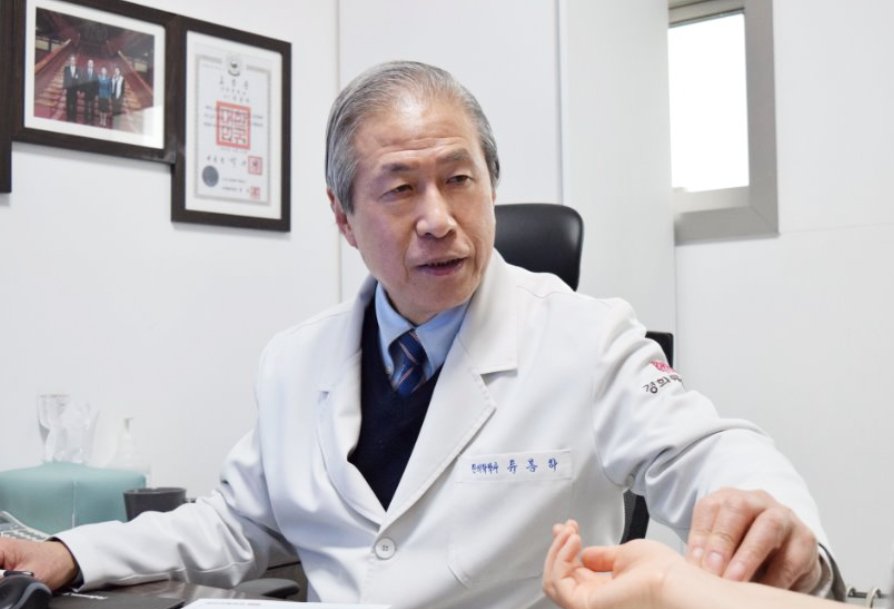
Presidential Physician · Twice Served as Director of Kyung Hee University Korean Medicine Hospital
Dr. Bongha Ryu, Honorary Director
- PhD in Korean Medicine Internal Medicine, Graduate School of Korean Medicine, Kyung Hee University
- Head Professor of Gastroenterology, College of Korean Medicine, Kyung Hee University
- Twice Served as Director of Kyung Hee University Korean Medicine Hospital, Kyung Hee Medical Center
- Former Presidential Physician for President Lee Myung-bak
Digestive SystemRespiratory SystemFatigue · Tonic Herbal Medicine

4th-Generation Korean Medicine Doctor · Korean Medicine Internal Medicine Specialist
Dr. Hansung Ryu, Chief Director
- Specialist Training, Korean Medicine Cancer Center, Kyung Hee University Korean Medicine Hospital at Gangdong
- Training at a Harvard Medical School-affiliated hospital (Joslin Diabetes Center)
- Training at the Block Center (Integrative Cancer Center, USA)
- Researcher in the Development of Korean Medicine Standard Clinical Practice Guidelines for Cancer Symptom Relief
SkinDigestive SystemDiabetes · MetabolismConstitutional Immunity & CancerPain · Traffic Accidents
- Dr. Bongha Ryu, Honorary Director, former Director of Kyung Hee University Korean Medicine Hospital and former Chief of Gastroenterology, has conducted clinical research on irritable bowel syndrome since the 1980s
- Published about 200 research papers with the gastroenterology team while working at Kyung Hee University Medical Center
- All family medical team members are from Kyung Hee University Korean Medicine Hospital, and a father-and-son team of board-certified Korean internal medicine doctors provides care together
Related research
Effect of Korean Herbal Medicine Combined with a Probiotic Mixture on Diarrhea-Dominant Irritable Bowel Syndrome: A Double-Blind, Randomized, Placebo-Controlled Trial
In a study that randomly assigned 53 patients with diarrhea-predominant irritable bowel syndrome (D-IBS) to 4 groups (including combined Gwakhyangjeonggi-san and probiotics) and treated them for 8 weeks, the group receiving both Gwakhyangjeonggi-san and probiotics was reported to have a significant increase in gut microbiota and improvement in abdominal pain and abdominal discomfort (SCI-level journal).
A Clinical Study of Irritable Bowel Syndrome
In a study of 116 outpatients at Kyung Hee University Korean Medicine Hospital treated with herbal medicine such as Gami-Gwakjeong-san, Jayun-tang, Hyangsaonbi-tang, Bosimgeonbi-tang, and Bojanggeonbi-tang, treatment effects were reported to have been recognized in 65.5% of patients.
A Clinical Study on Diarrheal Patterns in Irritable Bowel Syndrome
In a study analyzing 61 outpatient cases at Kyung Hee University Korean Medicine Hospital, response rates during a treatment period within 5 weeks were reported as 85% for Hyangsaonbi-tang, 89% for Bojanggeonbi-tang, and 87% for Gami-Gwakjeong-tang.
Effects of Artemisiae Argyi Folium Decoction on Hypersensitive Gastrointestinal Tract and Central Nervous System
In a mouse experiment, Artemisiae Argyi Folium decoction was reported to show antidiarrheal (抗瀉下: stopping diarrhea) effects and an effect of extending sleep time (animal study results).
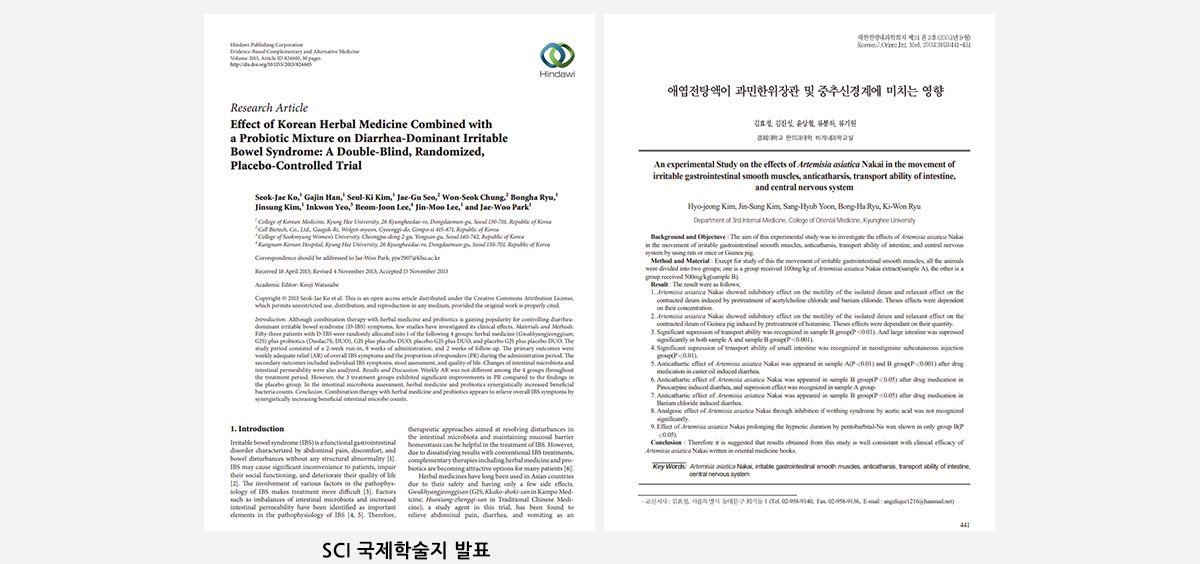
The figures above are research results reported in the cited papers and do not guarantee individual treatment effects. Animal study results do not indicate effects in humans.
WHY HOECHUNDANG
Why Choose Hoechundang Kyunghee Ryu Korean Medicine Clinic
- 01
For 4 Generations Since 1904
For 4 generations, we have carried on Hoechundang’s treatment principle of seeing the stomach and intestines as the foundation of health.
- 02
Family Medical Team from Kyung Hee University Korean Medicine Hospital
Dr. Bongha Ryu, Honorary Director, who twice served as director of Kyung Hee University Korean Medicine Hospital and as a presidential physician; Dr. Hansung Ryu, Chief Director, a Korean medicine internal medicine specialist; and Dr. Seungwon Baek, Director, first author of an SCI-level paper on women’s health, provide care together.
- 03
Prepared In-House at Our Herbal Medicine Research Lab
Based on the research of our affiliated Herbal Medicine Research Institute, we prepare prescriptions in-house and use verified herbal ingredients at a level supplied to Kyung Hee University Korean Medicine Hospital.
- 04
15 Acupuncture and Moxibustion Treatment Rooms
We expanded our treatment rooms so patients can receive a variety of treatments, such as acupuncture, pharmacopuncture, Cupping, large moxibustion, radiofrequency, thermal dome therapy, Chuna Manual Therapy, and traction therapy, with minimal waiting.
08FAQ
Frequently Asked Questions
QIs this a condition I have to live with for life?
Many people think of it that way, but treatment is provided together with diet and lifestyle habits with the goal of normalizing irregular bowel movements and preventing gas buildup. Even after symptoms improve, maintenance care is needed for a certain period, and daily habits should not become disrupted again.
QMy stool color is different from usual. Is that okay?
Black, grayish-white, green, or red stool can have different causes, such as bleeding or bile secretion, so it needs to be checked. Please also let us know what foods you have eaten recently and what medications you are taking (such as antidiarrheals, stomach medicines, or antibiotics).
QWhen should I take powder medicine or capsules?
They are mainly prescribed to maintain an improved state after treatment with decoctions has become somewhat stable. Cheongjang capsules are capsules, so even people who are sensitive to the taste of herbal medicine can take them without much burden.
QHow often should I receive acupuncture treatment?
It varies from person to person, but most patients receive acupuncture and moxibustion treatment 2–3 times a week while taking herbal medicine.
CONSULTATION
Consider a consultation before symptoms become long-standing
If you bring your test results, we will review your current condition together.
RELATED
Related Digestive Disorders
 Digestive DisordersChronic Diarrhea · ConstipationDiarrhea or constipation that only improves briefly even with “good” medicine—are you silently enduring it?Learn more
 Digestive DisordersUlcerative Colitis · Crohn's DiseaseDo abdominal pain and diarrhea come back just when you thought you were getting better, making everyday life feel uncertain?Learn more
- Digestive DisordersFunctional Dyspepsia · Damjeok (Phlegm Accumulation)My endoscopy is normal, so why do I always feel bloated and have indigestion?Learn more
RESERVATION
Irritable Bowel Syndrome:
start with a consultation
Leave your details and we will contact you in order during clinic hours. First-time visitors are welcome — we start by carefully understanding your current condition.
+82-2-792-1904- Mon · Tue · Wed · Thu09:30 – 19:30
- Fri09:30 – 18:30
- Sat09:30 – 14:30 (open without a lunch break)
- LunchWeekdays 13:30 – 14:30