
Main ClinicMetabolism, Circulation & Paralysis
FACIAL PALSY
Facial Palsy · Facial Disorders
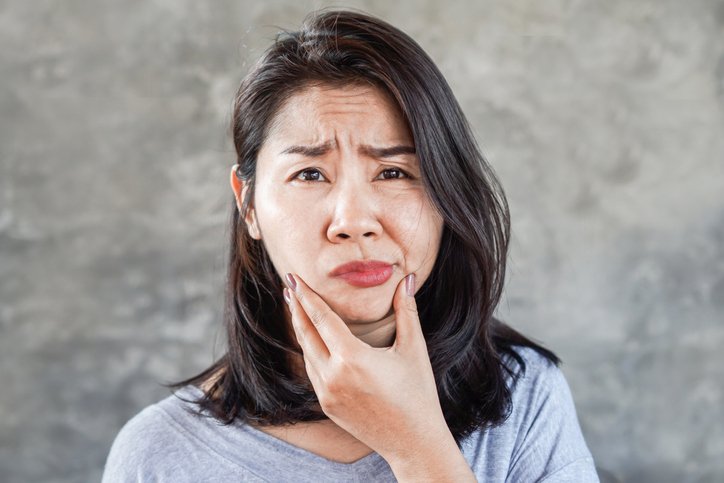
If one side of your face suddenly feels stiff, early treatment is important
Facial nerve palsy, called guanwasa (口眼喎斜), can involve increasing nerve damage and delayed recovery over time. We provide treatment matched to each stage, from the acute phase to the sequelae phase.
of Hoechundang care
- POINT 01
Care by Dr. Seungwon Baek, Director, with training experience at the Facial Palsy Center of Kyung Hee University Hospital at Gangdong, Korean Medicine Hospital
- POINT 02
Treatment and prognosis assessment tailored to the stage: acute, recovery, and sequelae phases
- POINT 03
Acupuncture, electroacupuncture, bee venom pharmacopuncture, maeseon acupuncture, Chuna Manual Therapy, and herbal medicine are combined according to your condition
01SELF CHECK
Do you have these symptoms?
0/ 8
Tap the items that apply to you.
02WHY IT HAPPENS
Facial Palsy and Facial Disorders
Facial nerve palsy is a condition in which the facial nerve that moves the facial muscles becomes inflamed and damaged. In Korean medicine, it is also called wasapung (喎斜風), meaning it can occur after exposure to cold wind. The cause is not clear, but viral and vascular ischemia theories have been suggested.
- 01
When Immunity Is Lowered
It can occur when immunity is lowered due to cold wind, overwork, lack of sleep, frequent Common Cold, or severe stress. It may develop when a virus or wind-cold pathogen (風寒邪, cold qi) invades the facial nerve, or when peripheral blood vessels in the face constrict and block blood supply.
- 02
Who Gets It?
In the past, it was more common in older adults, but today it often occurs not only in middle-aged and older adults, but also in pregnant women and infants with weaker immunity, and in people with diabetes.
- 03
Ramsay Hunt Syndrome
It is caused by herpes zoster virus infection and accounts for about 3~12% of facial palsy cases. The palsy tends to be more severe and is accompanied by blisters, rash, and pain around the ear, tinnitus, dizziness, and nausea. Nerve damage progresses quickly, and the prognosis tends to be less favorable.
- 04
Facial Spasm
Irregular spasms occur spontaneously on one side of the face. It is common in women in their 50s~60s and is thought to occur when the facial nerve or blood vessels are compressed.
- 05
Facial Pain (Trigeminal Neuralgia)
Severe pain occurs in the area supplied by the 5th cranial nerve and repeats in attacks lasting seconds to minutes. It may also be accompanied by temporomandibular joint pain or headache.
03WHY TREAT EARLY
The biggest concern: sequelae
Palsy worsens for about 1 week after onset, and as time passes, nerve damage can increase and recovery may be delayed. In general, 60~70% recover within 1 year, but it is reported that about 20~30% of severe cases experience sequelae starting around 3~6 months. It is unfortunate that some people miss the right treatment timing because of the misunderstanding that they should not receive Korean medicine treatment.
- 01
Crocodile Tears Syndrome
Tears come out when eating. Some of the nerves going to the salivary glands become connected with the tear gland nerves, causing both areas to be stimulated together.
- 02
Synkinesis
During the recovery process, nerves connect incorrectly, so the eye closes when chewing on the affected side, or the mouth moves when blinking.
- 03
Facial Contracture
The facial muscles become stiff, making the face feel tight and uncomfortable. It may appear as left-right asymmetry or a difference in the depth of the nasolabial folds.
- 04
Facial Spasm · Twitching
As the nerve recovers, overexcitability may develop and the facial muscles may twitch.
PROCESS
How Care Proceeds
- 01
Consultation · Pulse Diagnosis
We listen carefully to your symptoms, lifestyle habits, and treatment history, then assess your condition through pulse and tongue diagnosis.
- 02
Detailed Testing
We check organ function, energy level, and autonomic nervous system balance with tests suited to your condition.
- 03
Pattern Identification · Diagnosis
We combine your test results and constitution to find the underlying cause of your symptoms.
- 04
1:1 Customized Prescription
We design the needed treatments for each person, including herbal medicine, acupuncture, pharmacopuncture, and moxibustion.
- 05
Progress Management
We monitor your progress through regular tests and consultations and adjust prescriptions as needed.
04DIAGNOSIS
Facial palsy diagnosis and constitution testing
 TEST 01
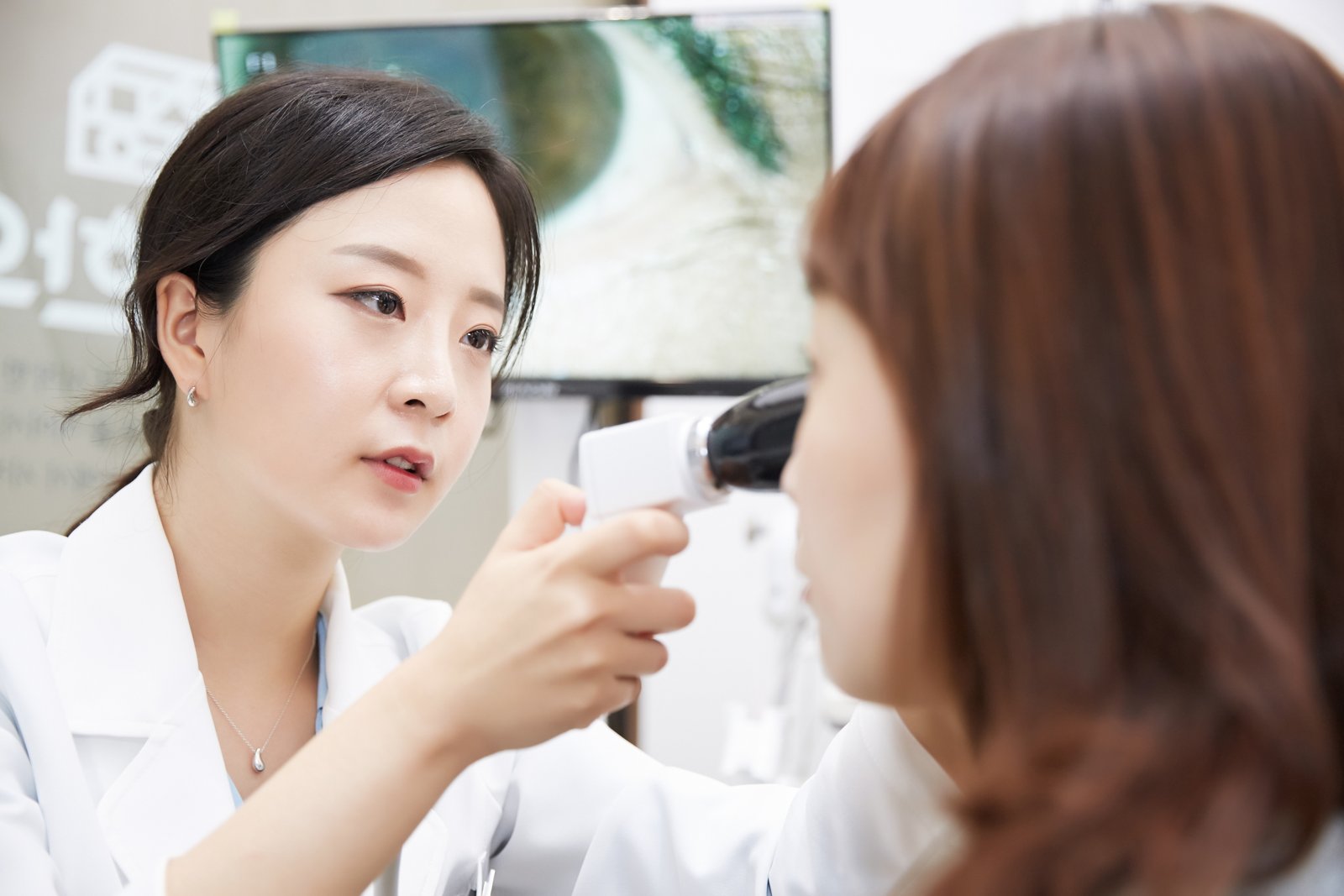
Iris Genetic Constitution Test
We comprehensively assess genetic strengths and weaknesses, constitutional imbalances, autonomic nervous system balance, and more.
- TEST 02
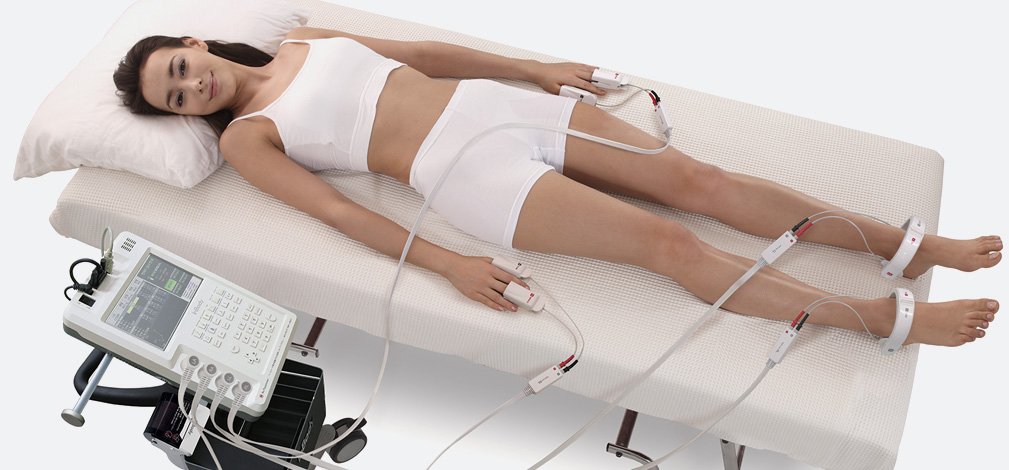
Ryodoraku Meridian Function Test
We measure meridian function at acupuncture points on the hands and feet to understand overall energy level and the deficiency-excess (虛實) pattern of the condition. In many cases of facial nerve palsy, reduced energy and lowered immunity appear first.
 TEST 03
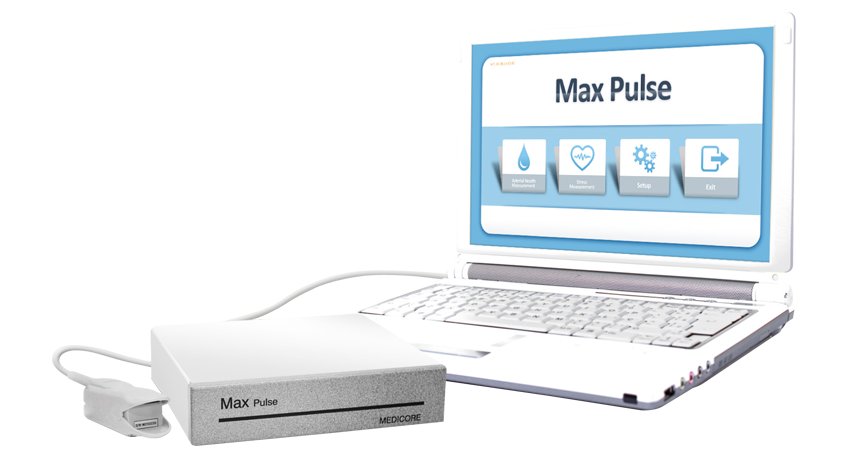
Heart Rate Variability (HRV) Autonomic Nervous System Test
We check the balance of the sympathetic and parasympathetic nerves. Because mental stress and overwork can be contributing factors, it is important to stabilize autonomic nervous system regulation.
 TEST 04
InBody S10 Cell Health Test
We look at cellular function, immune status, circulation, nutritional status, body water, and muscle loss together to identify your energy status and the causes of discomfort.
Using a prognosis assessment system, we predict the prognosis based on the current severity of symptoms and establish a treatment plan. It is helpful if you bring the results of any blood tests, electromyography, or nerve conduction studies when you visit.
05TREATMENT
How we treat facial palsy
We calm swelling and inflammation of the facial nerve, support nerve regeneration, and replenish weakened energy and organ function. The intensity and frequency of treatment are determined according to the degree of damage and sequelae.
Acupuncture · Moxibustion · Cupping
We apply acupuncture mainly to facial acupuncture points to support qi and blood circulation and help the nerve recover in a stable way. Moxibustion uses deep heat stimulation to support blood flow and dispel wind-cold pathogens. Cupping relaxes tension in the neck and shoulder muscles to support circulation to the face.
- We also use acupuncture methods suited to symptoms, such as Jeongan Facial Acupuncture
Electrical Acupuncture
Electrical stimulation is applied to nerves and muscles to support nerve recovery. It is performed in a way that helps reduce the risk of synkinesis among sequelae.
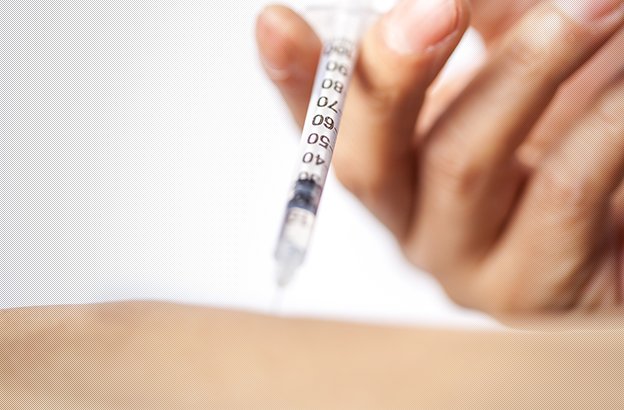
Pharmacopuncture · Bee Venom Pharmacopuncture
Pharmacopuncture made by refining herbal medicine ingredients, or bee venom pharmacopuncture processed to reduce allergic reactions, is injected into acupuncture points. It helps reduce blood stasis and inflammation, strengthen immunity, and support relief of palsy symptoms and prevention of recurrence.
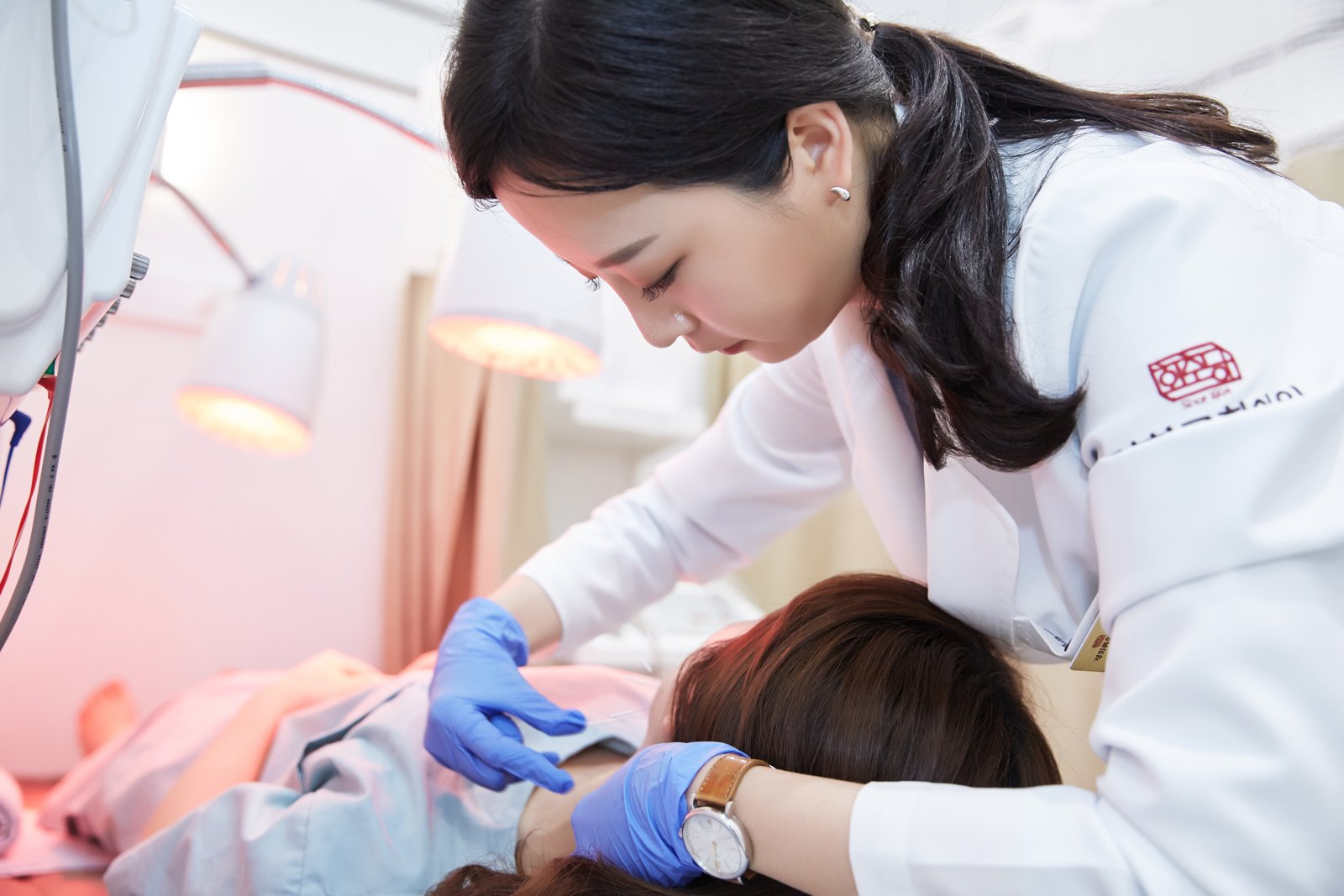
Maeseon Acupuncture
Absorbable medicinal threads that dissolve naturally in the body are inserted into facial acupuncture points and the fascial layer under the skin (SMAS layer), helping extend the effect of retained acupuncture (留針).
- Acute phasehelps support blood circulation and nerve regeneration, and helps prevent asymmetry by reducing muscle contracture and sagging
- Sequelae phasehelps reduce stiffness, tightness, and constricting sensations, and helps improve contracture and sagging that cause asymmetry, such as around the nose, nasolabial folds, marionette lines, eye area, and forehead wrinkles
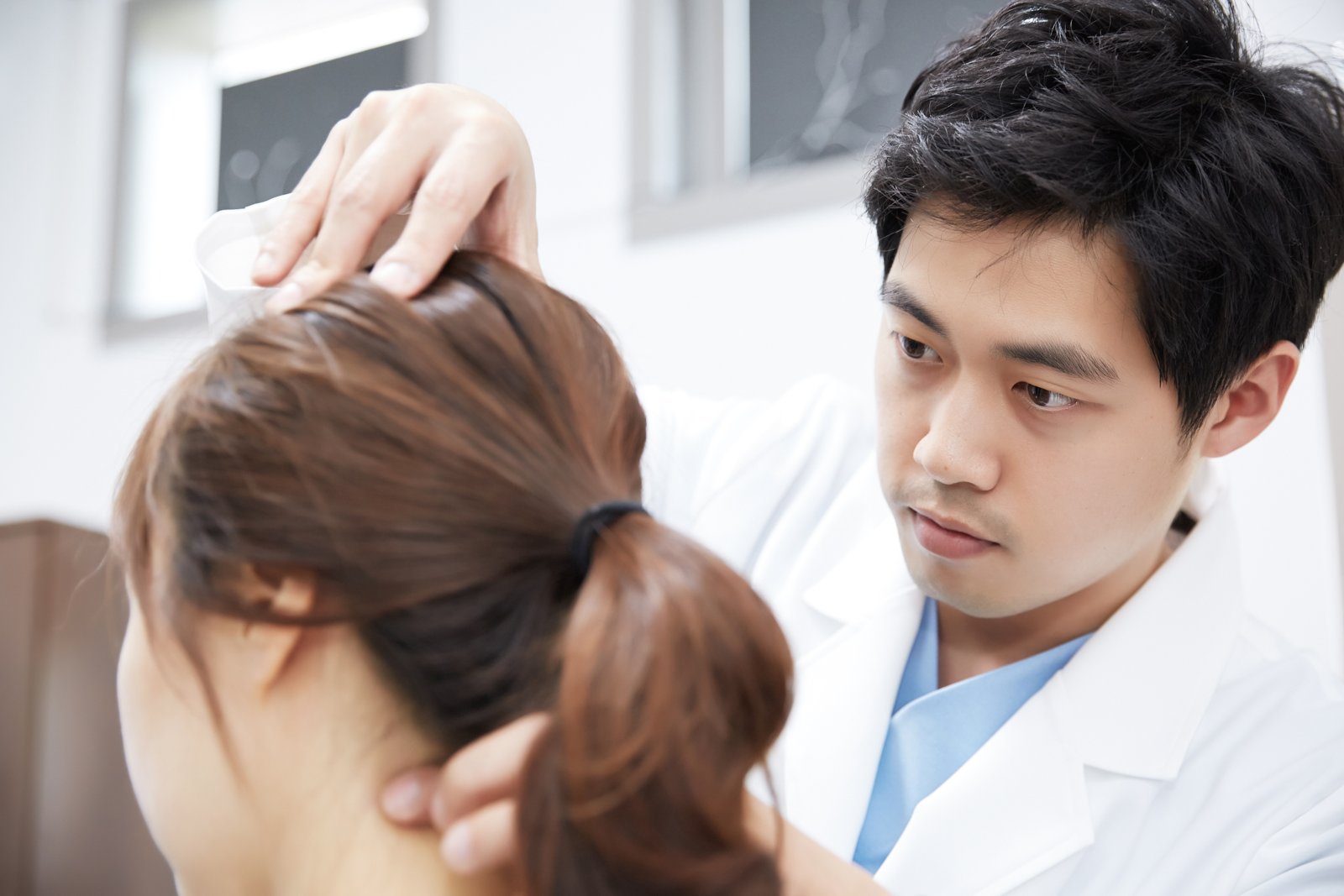
Chuna Manual Therapy
When the cervical spine and temporomandibular joint are misaligned, blood circulation to the face may be hindered and tension in the head and neck muscles can worsen. We help correct facial and neck asymmetry and reduce muscle tension by restoring spinal balance.
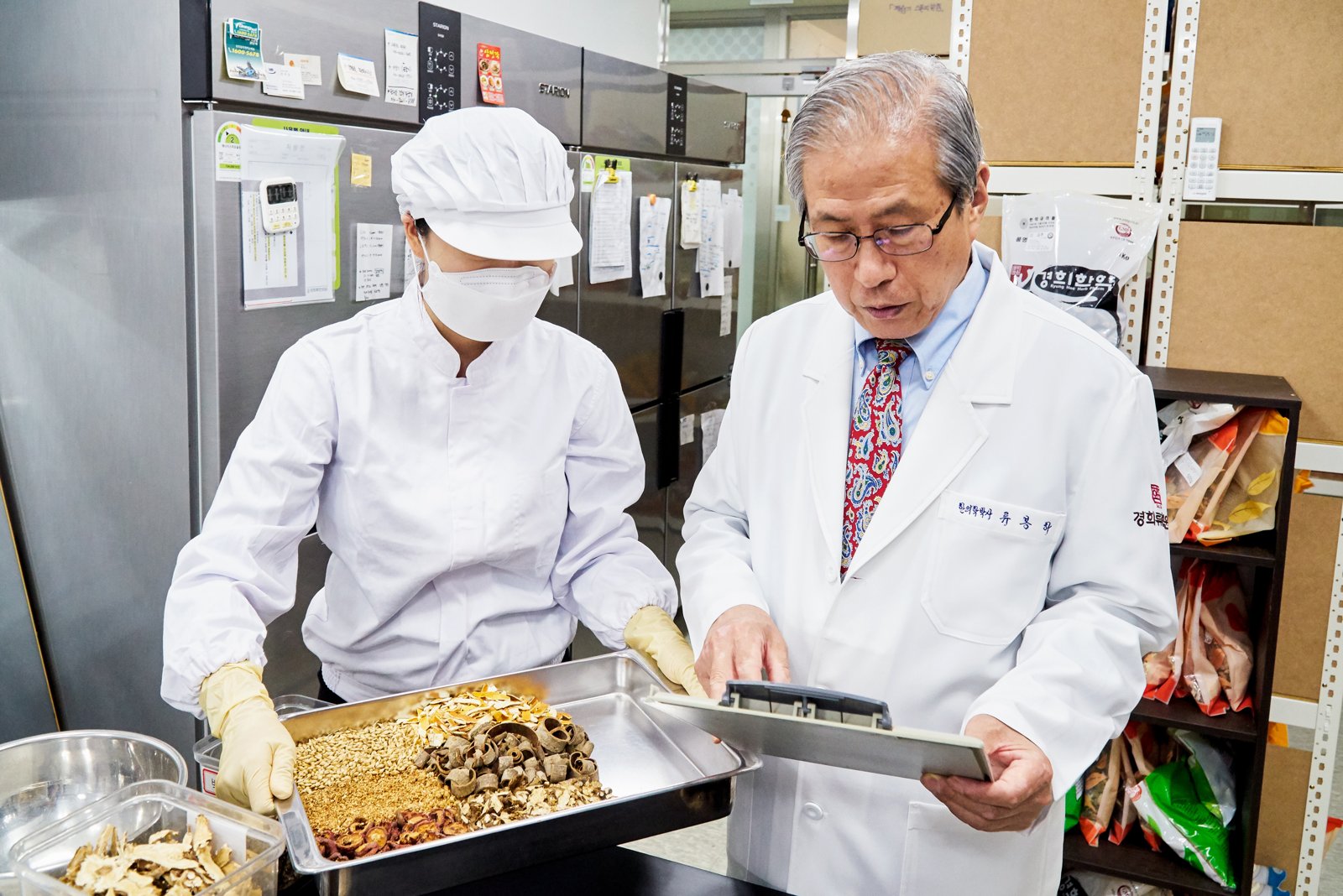
Customized Herbal Medicine
Facial palsy occurs when the body is weakened by reduced immunity, overwork, and stress, so restoring energy and strengthening immunity are important. In the acute phase, we use prescriptions that reduce nerve inflammation and swelling, dispel wind-cold pathogens, and support blood flow. Afterward, we focus on nerve regeneration and immunity to help reduce sequelae and recurrence, while also addressing accompanying symptoms such as indigestion, insomnia, and anxiety.
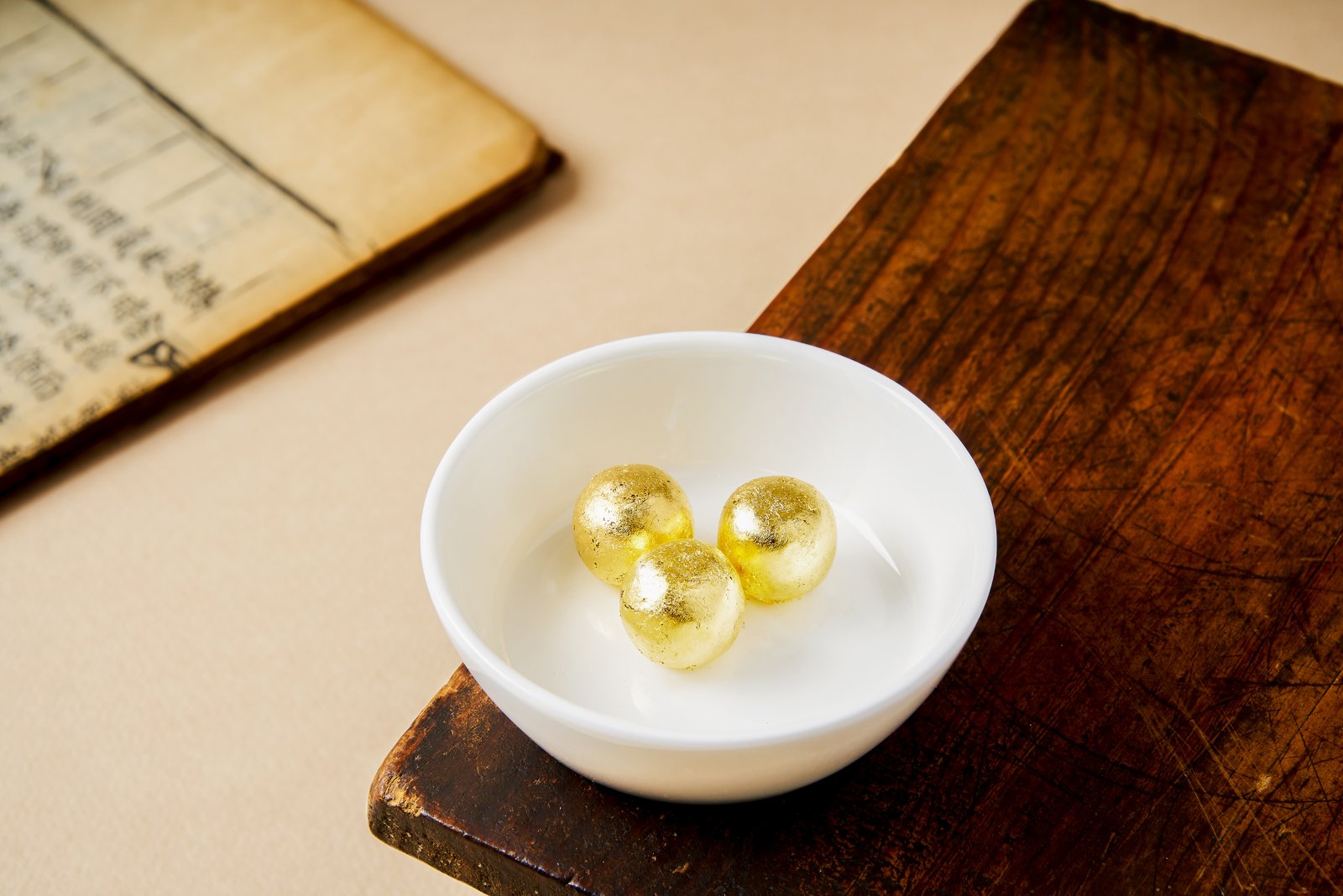
Uwhang Cheongsimwon (牛黃淸心元)
Donguibogam recorded Uwhang Cheongsimwon as an at-home medicine used in urgent situations involving wind (風). For facial palsy, it is used to help dispel wind pathogen (風邪) that has invaded the face and support qi and blood circulation. We prepare it in-house using certified genuine ox bezoar and musk, not artificial ingredients.
More about Uwhang Cheongsimwon (牛黃淸心元)06TREATMENT STEPS
Treatment according to time since onset
- STEP 1
Onset to 3–4 Weeks
During the first week after onset, palsy continues to progress. It is best to begin treatment as soon as possible, and if hospitalization is difficult, visit as often as possible (daily in the early stage if possible). The goal is to reduce inflammation and swelling of the facial nerve.
- STEP 2
1–3 Months After Onset
We help regenerate the facial nerve and normalize facial muscles while correcting asymmetry. From the stable phase, treatment is continued regularly 2~3 times per week.
- STEP 3
After 3–6 Months
Mild palsy usually returns nearly to normal during the recovery phase, but if nerve damage is severe, treatment may be needed for more than 1 year. Sequelae may occur starting around 3~6 months, so treatment is tailored accordingly.
CONSULTATION
Consider a consultation before symptoms become long-standing
If you bring your test results, we will review your current condition together.
07EXPERTISE
Care supported by training experience at a Facial Palsy Center
Training at the Facial Palsy Center, Kyung Hee University Korean Medicine Hospital at Gangdong

4th-Generation Married Korean Medicine Doctors · First Author of an SCI-Level Paper on Women’s Health
Dr. Seungwon Baek, Director
- Entered Sangji University College of Korean Medicine at the top of the class · Graduated salutatorian
- Master’s Program in Clinical Korean Medicine, Kyung Hee University
- Specialist Training Program, Department of Acupuncture and Moxibustion Medicine (Facial Palsy Center · Spine and Joint Center), Kyung Hee University Korean Medicine Hospital at Gangdong
- Certified Korean Medicine Doctor in Korean Medicine Obesity Treatment
Women's HealthDiet & BeautyPediatricsFacial PalsyPain · Traffic Accidents
- Dr. Seungwon Baek, Director: specialized residency training in the Department of Acupuncture and Moxibustion Medicine at Kyung Hee University Hospital at Gangdong, Korean Medicine Hospital (Facial Palsy Center · Spine and Joint Center)
- Systematic treatment for facial disorders from the acute phase to the sequelae phase
- A family medical team with Dr. Bongha Ryu, Honorary Director, and Dr. Hansung Ryu, Chief Director, both from Kyung Hee University Korean Medicine Hospital
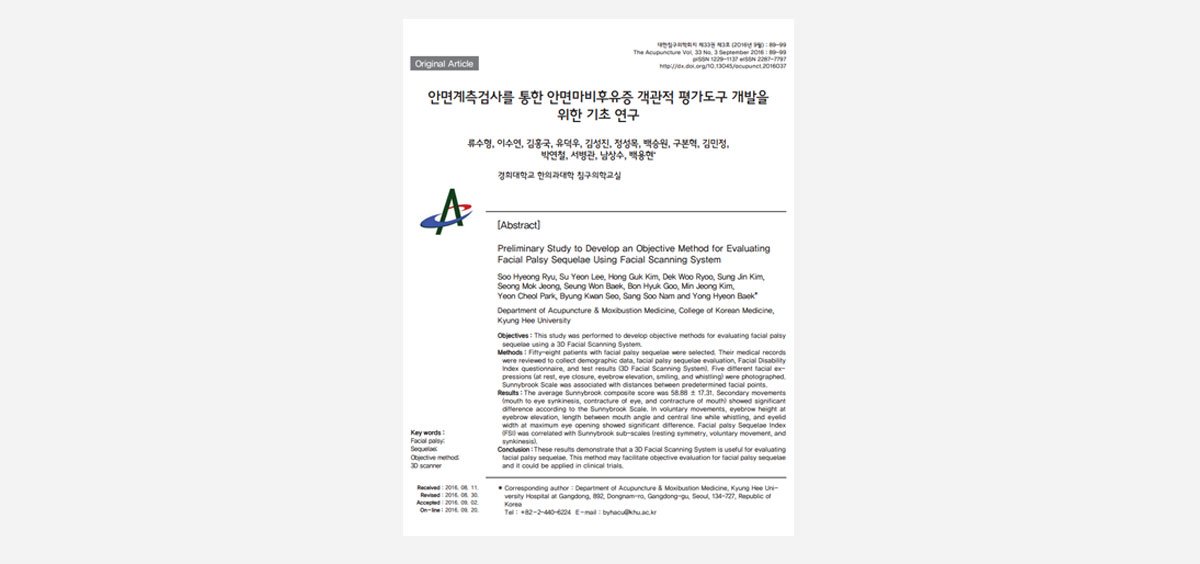
This paper was written by the facial palsy research team in the Department of Acupuncture and Moxibustion Medicine at Kyung Hee University Hospital at Gangdong Korean Medicine Hospital. Dr. Seungwon Baek, Director participated as a co-author in the 2016 study.
Related research
A preliminary study on the development of an objective evaluation tool for sequelae of facial palsy using facial measurement testing
This study evaluated patients with sequelae of facial palsy using a facial measurement test (FSI). It reported that oral-ocular synkinesis, contracture around the mouth and eyes, forehead wrinkles, lip puckering, and wide eye opening showed statistical significance with an existing evaluation index (Sunnybrook Scale).
Clinical effectiveness of thread-embedding acupuncture in the treatment of Bell’s palsy sequelae: A randomized, patient-assessor-blinded, controlled, clinical trial
This was a randomized controlled trial (RCT) in which maeseon treatment was performed for 8 weeks in 56 patients with facial palsy more than 3 months after onset. Significant effects were reported in the Facial Disability Index (physical and social function scores such as eating, drinking water, pronunciation, tearing, and brushing teeth) and lip length.
Effect of Combined Korean and Western Medicine Inpatient Treatment on the Prognosis of Bell’s Palsy: A Retrospective Study
This study analyzed 270 patients with facial palsy who received acupuncture, herbal medicine, bee venom pharmacopuncture, intradermal acupuncture, cupping, physical therapy, and Western steroid medication together. Compared with previous papers on the course of Bell’s palsy, statistically significant OR values were reported.
WHY HOECHUNDANG
Why Choose Hoechundang Kyunghee Ryu Korean Medicine Clinic
- 01
For 4 Generations Since 1904
For 4 generations, we have carried on Hoechundang’s treatment principle of seeing the stomach and intestines as the foundation of health.
- 02
Family Medical Team from Kyung Hee University Korean Medicine Hospital
Dr. Bongha Ryu, Honorary Director, who twice served as director of Kyung Hee University Korean Medicine Hospital and as a presidential physician; Dr. Hansung Ryu, Chief Director, a Korean medicine internal medicine specialist; and Dr. Seungwon Baek, Director, first author of an SCI-level paper on women’s health, provide care together.
- 03
Prepared In-House at Our Herbal Medicine Research Lab
Based on the research of our affiliated Herbal Medicine Research Institute, we prepare prescriptions in-house and use verified herbal ingredients at a level supplied to Kyung Hee University Korean Medicine Hospital.
- 04
15 Acupuncture and Moxibustion Treatment Rooms
We expanded our treatment rooms so patients can receive a variety of treatments, such as acupuncture, pharmacopuncture, Cupping, large moxibustion, radiofrequency, thermal dome therapy, Chuna Manual Therapy, and traction therapy, with minimal waiting.
08FAQ
Frequently Asked Questions
QCan I take hospital medication and Korean medicine treatment together?
In the early stage, Western medication may also be needed in some cases. In particular, when facial nerve damage is severe, combined treatment is known to have a better prognosis.
QHow often should I receive treatment?
For early facial palsy, most patients receive treatment every day if possible, and from the stable phase, consistently 2–3 times a week. They also take herbal medicine together.
QHow long does treatment take?
Mild palsy often returns almost to normal during the recovery period 1–3 months after onset. If nerve damage is severe, treatment may be needed for as long as 1 year or more.
QI already have aftereffects. Can they be treated?
Even if it takes time, the goal is to continue treatment steadily to help speed recovery time and reduce aftereffects. Maeseon acupuncture, Chuna manual therapy, acupuncture and pharmacopuncture, and other treatments are applied according to the pattern of aftereffects.
QIs there anything I should be careful about in daily life?
Symptoms can worsen in cold winter winds, and aftereffects may become more severe if overwork, stress, or insomnia continues. At each visit, we check together to help you maintain a regular and stable routine.
CONSULTATION
Consider a consultation before symptoms become long-standing
If you bring your test results, we will review your current condition together.
RELATED
Related Care
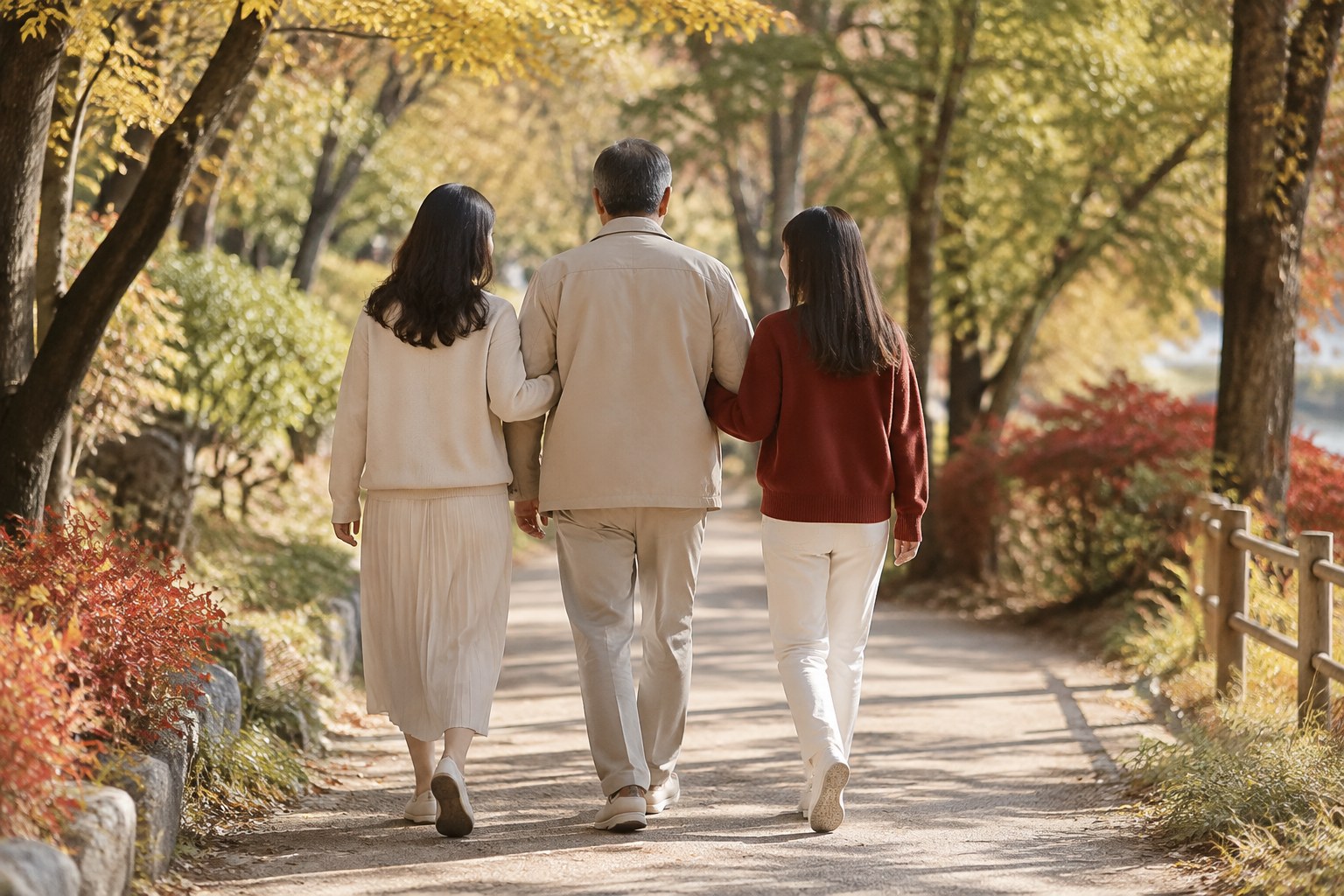 Metabolism, Circulation & ParalysisStroke Sequelae · Parkinson’s DiseaseParalysis and numbness after a stroke: 3–6 months is an important recovery periodLearn more
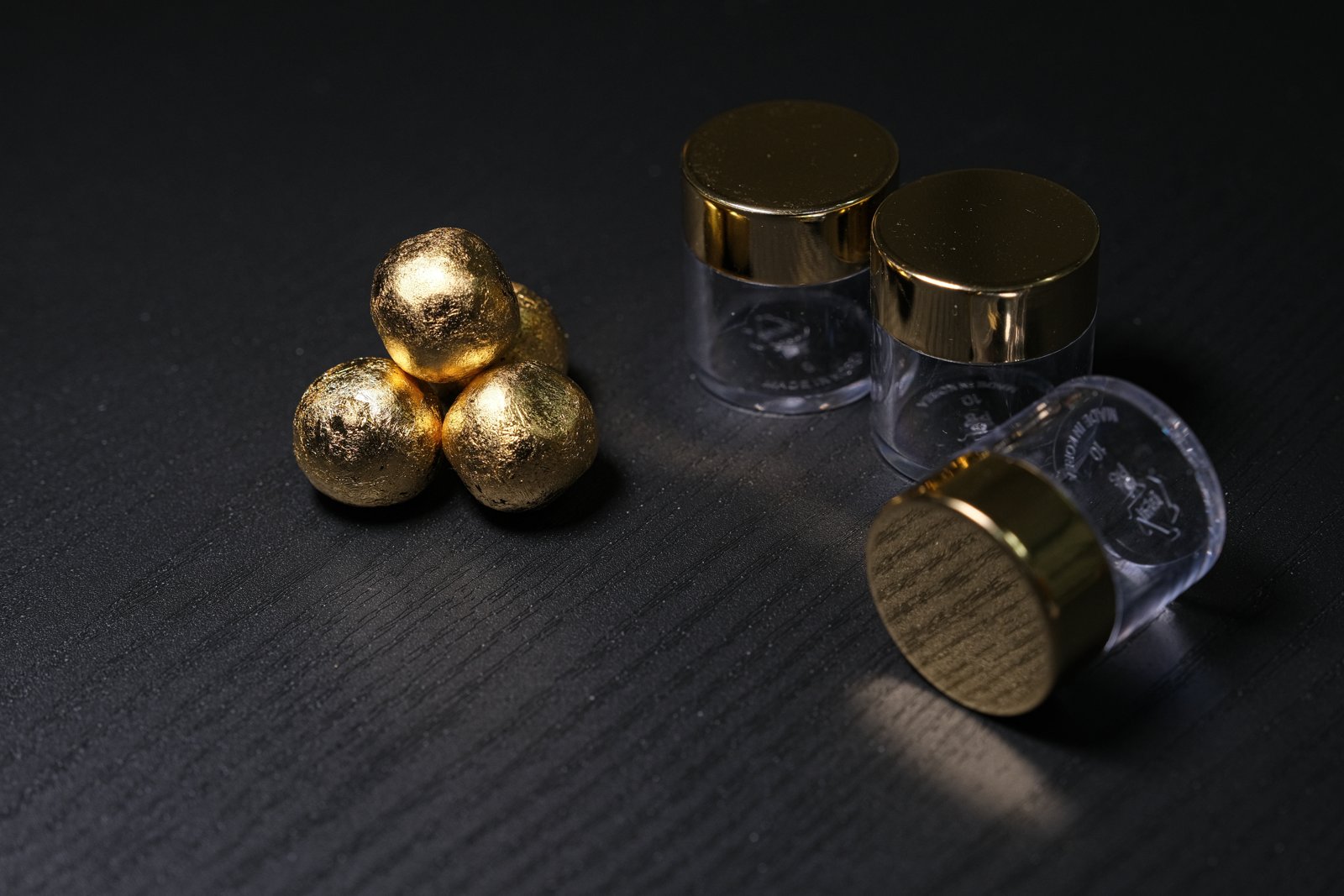 Metabolism, Circulation & ParalysisUwhang CheongsimwonWhen your heart pounds and you feel anxious before an important dayLearn more
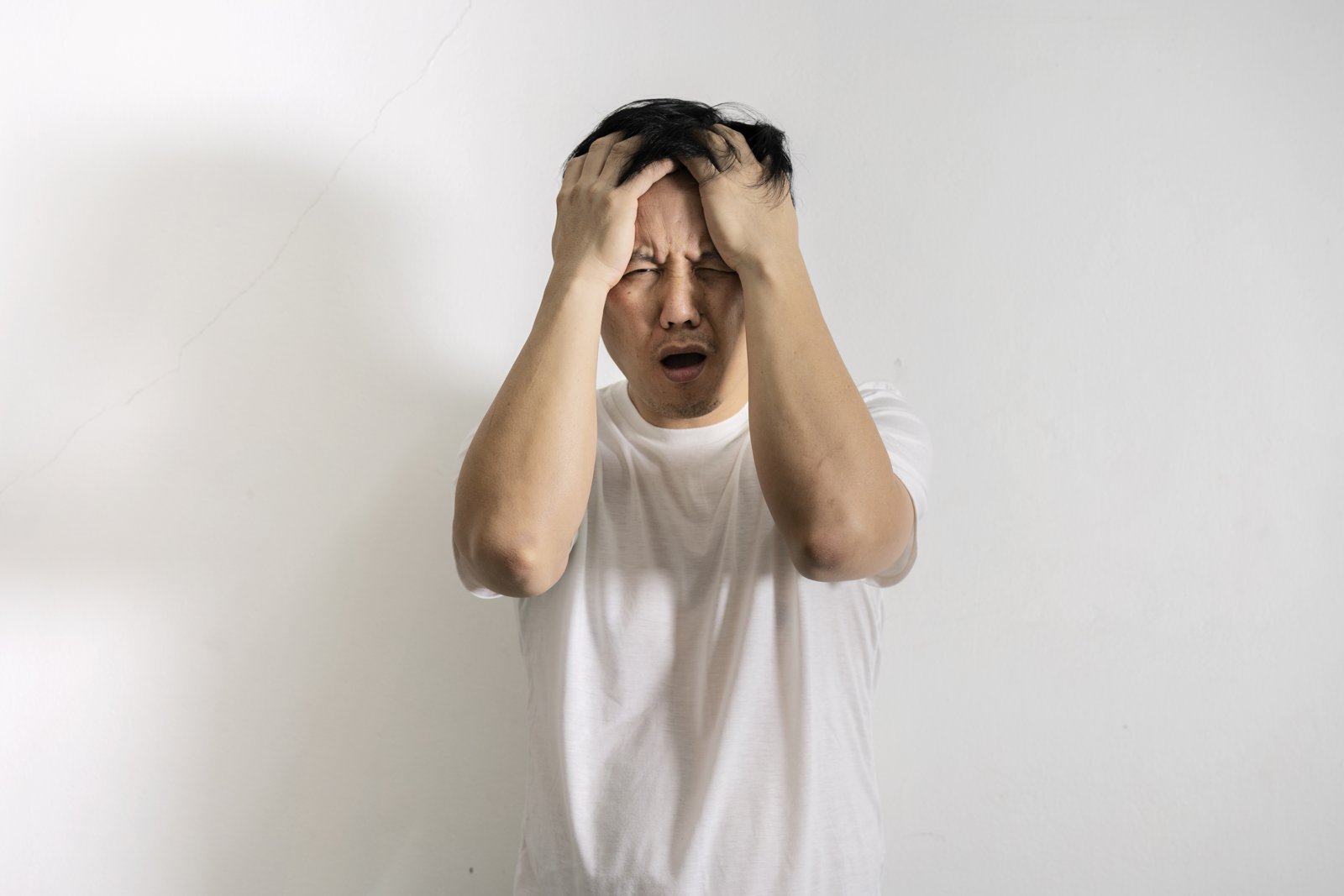 Pain & Accident RecoveryHeadache · DizzinessIf your tests are normal, but your head still hurts and you feel dizzyLearn more
- Skin Care & AestheticsFacial Asymmetry (Beauty Clinic)Does my face look uneven from side to side in photos?Learn more
RESERVATION
Facial Palsy · Facial Disorders:
start with a consultation
Leave your details and we will contact you in order during clinic hours. First-time visitors are welcome — we start by carefully understanding your current condition.
+82-2-792-1904- Mon · Tue · Wed · Thu09:30 – 19:30
- Fri09:30 – 18:30
- Sat09:30 – 14:30 (open without a lunch break)
- LunchWeekdays 13:30 – 14:30