
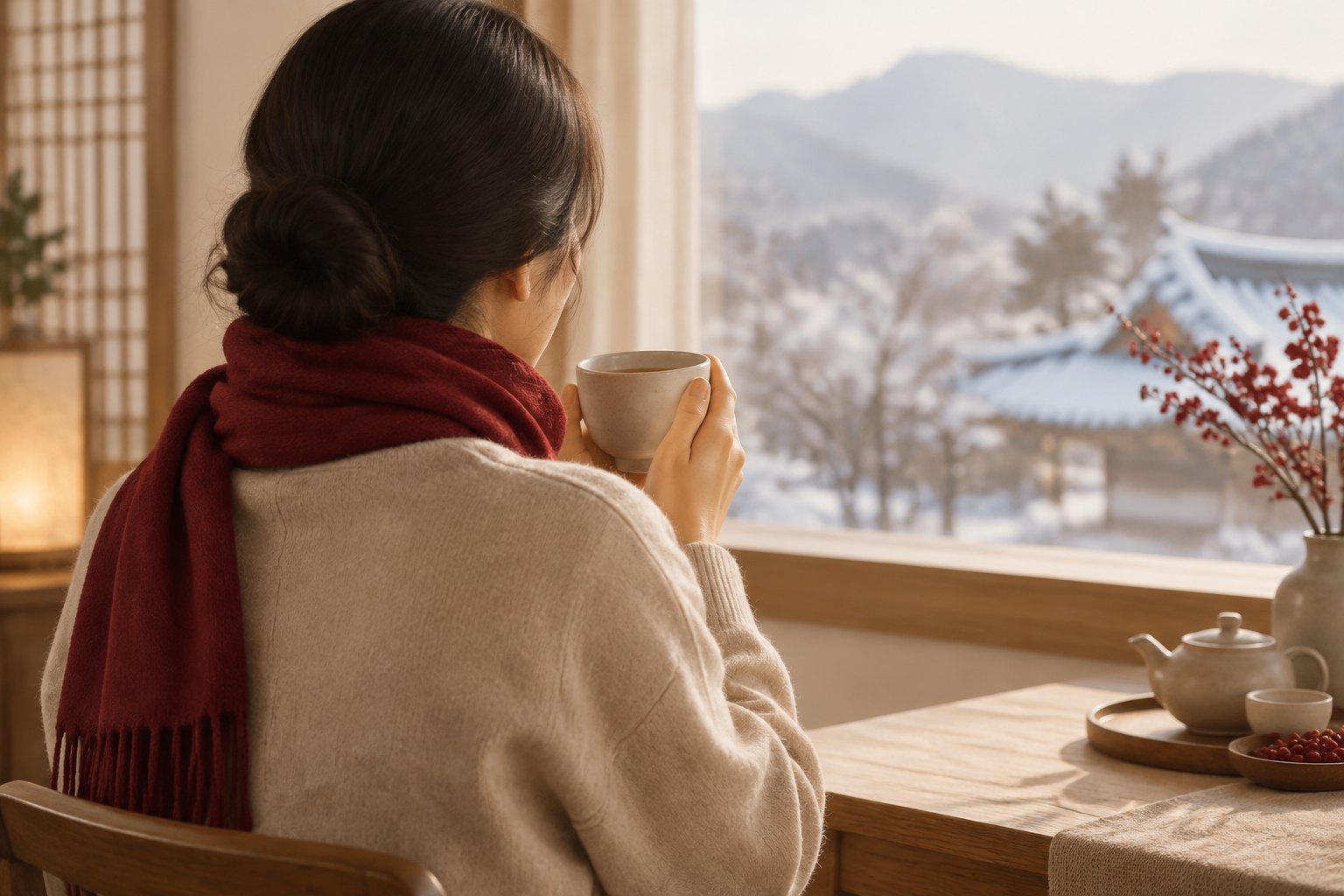
In the consultation room, I often hear patients say that in winter, even the same pain feels stiffer and deeper. In Korean medicine, winter is seen as a season for storing energy inward rather than dispersing it outward. In practice, cold air and large temperature differences between day and night can tense the muscles and blood vessels, and when fatigue and lack of sleep overlap, areas that were already weak may be the first to send signals.
When One Side of the Face Feels Unusual After Cold Wind
In winter, it is important to be careful about facial nerve palsy, also called Guanwasa. One corner of the mouth may not lift well, or the eye may not close properly, and symptoms such as pain behind the ear, changes in tearing, dry eyes, or tinnitus may appear together. Cold exposure, overwork, stress, and lowered immunity often act together, so it is important to check the condition early.
At a Korean medicine clinic, we look at facial movement, pain, sensory changes, and overall condition together, and apply acupuncture, moxibustion, pharmacopuncture, herbal medicine, and other treatments as needed. If facial tightness, spasms, asymmetry, or abnormal tear control remain after facial palsy, symptoms may become more sensitive in cold wind, so keeping warm and managing overwork are important in winter.
When the Body Stiffens, Pain and Falls Increase
When the temperature drops, muscles and ligaments tend to contract, which can worsen neck, shoulder, and low back pain. Sudden stiffness in the neck or back, or a flare-up of old joint pain, is also common during this season. On icy roads, falls can injure the wrist, hip joint, spine, and other areas, so shoes and walking habits are also important.
- Gently loosen the neck, lower back, and calves before going outside.
- Continue short walks and strength exercises, even indoors.
- Use warm compresses before and after exercise to ease tension.
- If swelling, severe pain, or difficulty bearing weight occurs after a fall, we recommend seeking care.
We Look More Carefully at Blood Pressure and Stroke Warning Signs
In cold weather, blood vessels can constrict more easily, which may increase blood pressure fluctuations. People with high blood pressure, diabetes, hyperlipidemia, a smoking history, or a past cerebrovascular disease should reduce the temperature difference between indoors and outdoors and pay extra attention to staying warm when going out in the morning. Blood pressure medications, antiplatelet agents, or anticoagulants you are taking should not be stopped on your own.
In Korean medicine, Uwhang Cheongsimwon has long been used for sudden tension, palpitations, and stroke-related situations. However, it may not be appropriate depending on your constitution, current medications, and underlying conditions, so it is safer to check during a visit whether it is suitable for regular use. Above all, if weakness on one side of the arms or legs, facial paralysis, slurred speech, a severe headache, or decreased consciousness occurs, do not rely on medication; call 119 or go to the emergency room immediately.
We Recommend Consultation in These Cases
- Movement on one side of the face feels unusual after cold wind.
- Pain in the same area recurs every winter or is gradually worsening.
- You have cardiovascular or cerebrovascular risk factors such as high blood pressure, and dizziness or palpitations are frequent in winter.
- After facial palsy, tightness, spasms, or asymmetry worsens in the cold.
Winter health management begins not with one special method, but with avoiding cold exposure, reducing excessive activity, and not overlooking warning signs until late. I encourage patients to slow their daily rhythm slightly according to the season, and if pain or paralysis symptoms appear, to check their condition together early.