
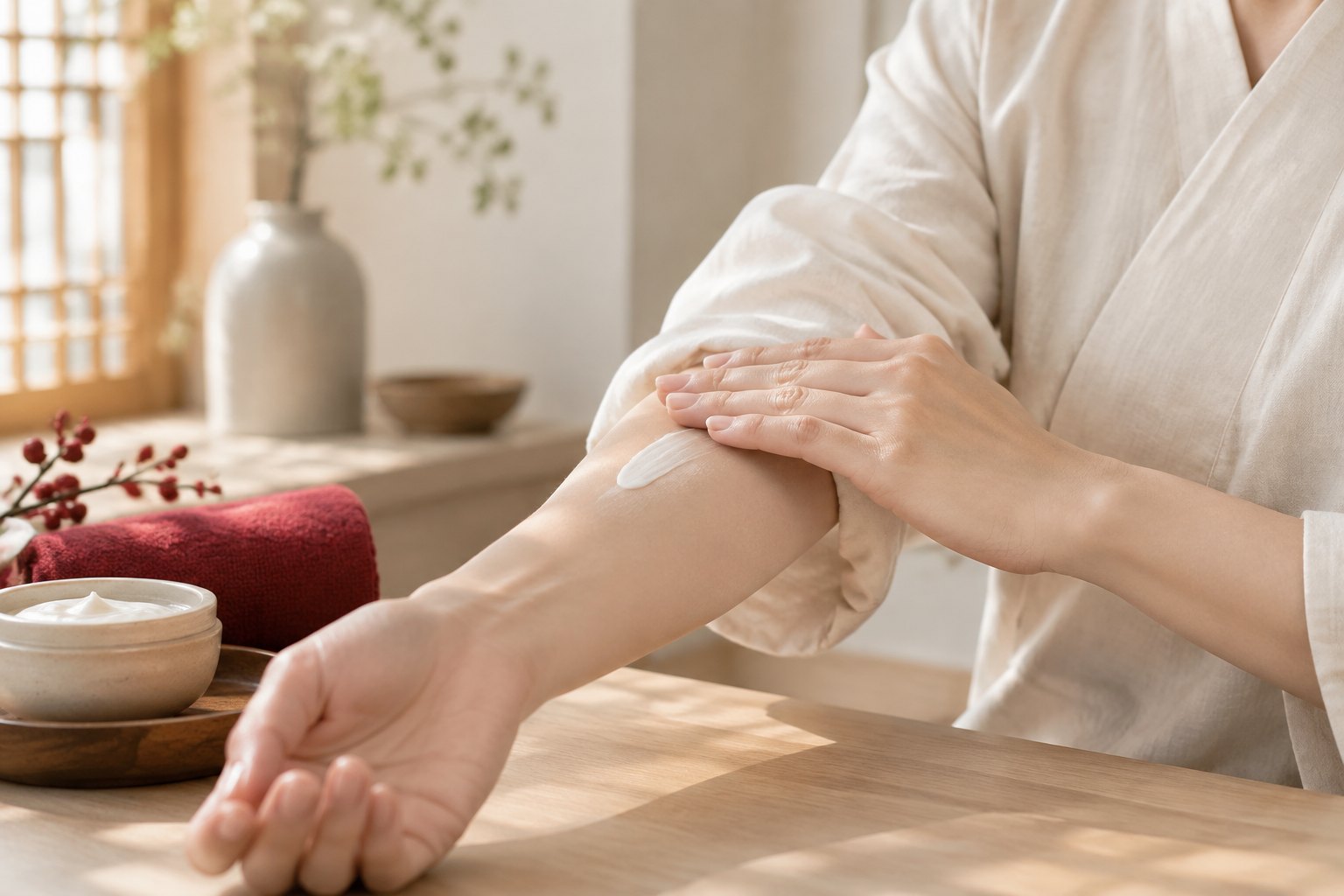
In the clinic, I often meet people in winter who report itching and cracking on the hands, arms, and legs. At first, they may dismiss it as simple dryness, and then come in only after the scratched areas become red, ooze, or develop thickened scaling. Eczema is not simply a problem on the surface of the skin; it is a condition that can easily recur because irritating environments and the body’s responses are intertwined.
Eczema Does Not Appear in Just One Form
The name eczema includes several patterns. The appearance and causes can differ, such as nummular eczema, which appears in round, coin-like shapes; prurigo nodularis, which leaves firm, itchy nodules in specific areas; and fungal eczema, in which a fungal infection is also involved. For this reason, if the only symptom noticed is “itching” and the same ointment or the same care method is repeated, it may not be appropriate.
We Distinguish Early Changes from Chronic Changes
In the early stage, red spots, small blisters, stinging, itching, and thin peeling scales often appear first. As time passes and the skin is repeatedly scratched and irritated, it can become thicker and rougher, and it may leave dark discoloration or change to a scale-like surface. Treatment direction and lifestyle management priorities also differ depending on whether the inflammation is spreading or whether the area has become hardened over time.
If It Recurs, Lifestyle Factors Should Also Be Considered
Eczema is affected by factors such as season, cleansing habits, sweat, food, stress, sleep, and work environment. In particular, during seasonal changes and winter, the skin barrier can weaken easily, so the same irritation may lead to more noticeable symptoms. In Korean medicine care, we do not look only at the skin condition; we also consider digestion, heat sensation, sweating, fatigue, sleep, and the times of day when itching worsens to find a direction for adjusting the body’s imbalance.
Care You Can Start at Home
- Keep showers short with water that is not too hot, and avoid the irritation of scrubbing the skin.
- Apply enough moisturizer when the skin is still slightly damp after washing.
- When it itches, rather than scratching with your nails, calm the area with something cool, and keep any wounded areas clean.
- If certain substances make symptoms worse on contact, such as detergents, metals, fragrances, or wool materials, reduce contact with them.
- Do not stop or increase any prescribed medicines you are already using on your own; adjust them with your medical team.
We Recommend a Consultation in These Cases
- When itching often wakes you from sleep or makes daily life uncomfortable
- When oozing, yellow crusts, heat sensation, or pain are present and infection is suspected
- When the eczema area spreads or the same area repeatedly recurs
- When the skin begins to thicken and pigmentation remains
- When it needs to be distinguished from a fungal infection, allergy, or another skin condition
With eczema, the process of calmly finding why it keeps recurring is as important as reducing it quickly. Reducing habits that irritate the skin and combining treatment suited to your body condition may help reduce the interval between recurrences and the discomfort. If symptoms last a long time or the pattern changes, we recommend receiving care rather than trying to endure it on your own.