
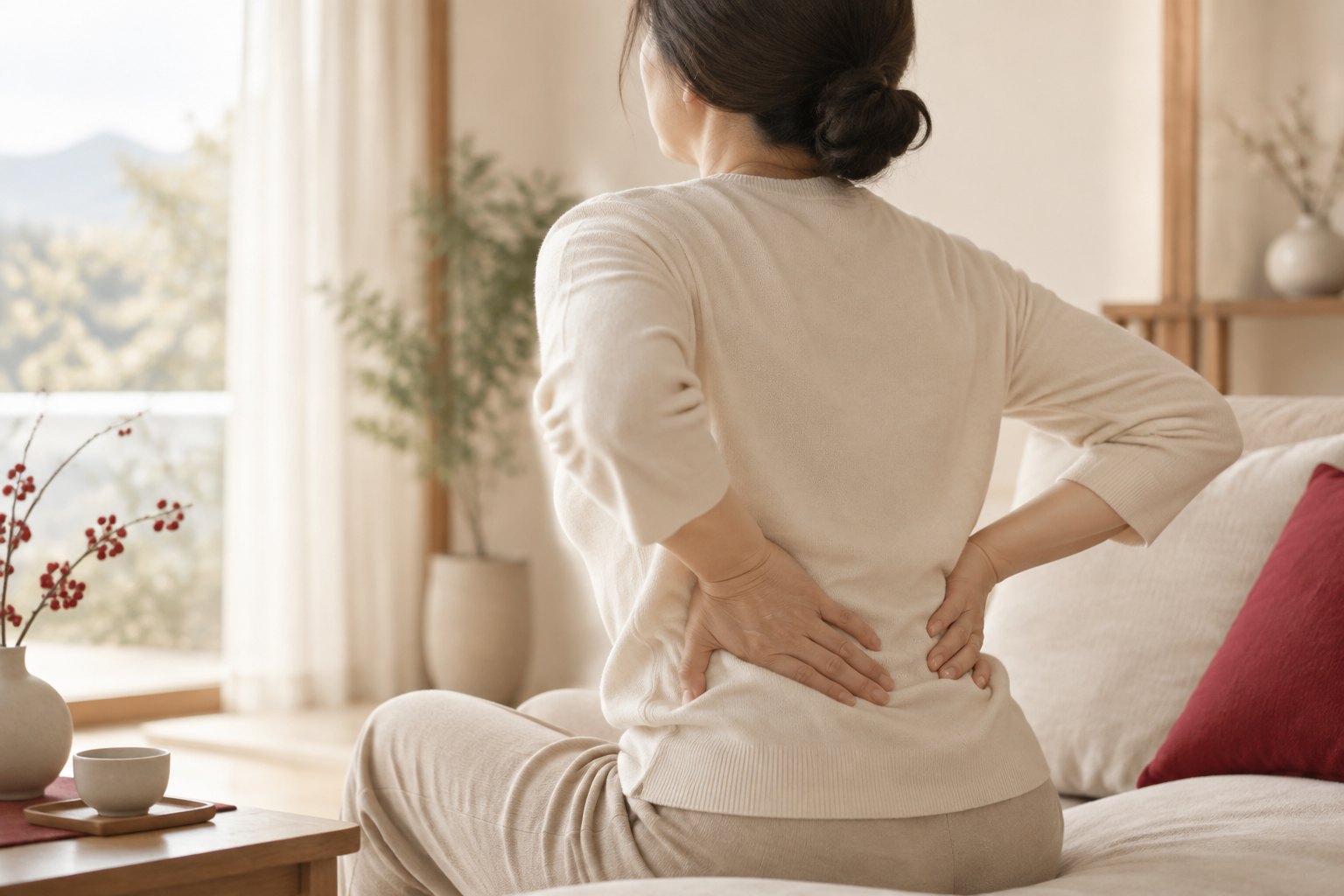
In the clinic, I often hear after menopause, “I eat the same as before, but only my belly sticks out.” This is not because of weak willpower. Around menopause, female hormones decrease and muscle mass declines, making the body more likely to use less energy. Dieting during this period should not focus only on the number on the scale; abdominal fat, sleep, heat sensation, and joint condition should also be reviewed together.
Why Does It Increase Around The Belly First?
Estrogen is involved in fat distribution and metabolism. When its secretion decreases, not only subcutaneous fat but also visceral fat can increase, so waist circumference may change quickly. In women, if waist circumference is 80cm or more, it is a good idea to also check the risk of metabolic syndrome.
Excessive Exercise And Severe Calorie Restriction Are Not The Answer
During menopause, many people also have knee, ankle, or lower back pain, so suddenly starting high-intensity exercise may increase joint strain. If meals are drastically reduced, weight may go down, but muscle and energy can decline first, and hair loss or fatigue may worsen. I recommend setting the weight loss goal during this time as “protecting muscle while reducing body fat.”
Menopausal Symptoms Affect Weight
Heat sensation, facial flushing, insomnia, low mood, hwabyeong, and swelling can disrupt appetite, activity level, and metabolic rhythm. When sleep is poor at night, cravings for sweets or carbohydrates may increase, and fatigue can reduce movement, creating a vicious cycle. For this reason, menopausal abdominal obesity requires an approach that manages accompanying symptoms, rather than simply suppressing appetite.
What Do We Look At In Korean Medicine?
In Korean medicine care, we review constitution, digestive strength, urination and bowel movements, swelling, heat sensation, sleep, and stress response together. When needed, decoctions are prescribed to help regulate excessive appetite and support circulation and metabolic function. Electroacupuncture, pharmacopuncture, cupping, and Body Composition Analysis may also be used, but the method should vary according to the body’s condition.
Consultation Is Recommended In These Cases
- When waist circumference increases quickly after menopause
- When heat sensation, insomnia, and low mood worsen together
- When exercise is difficult because of knee or ankle pain
- When weight does not decrease easily despite eating less
- When you have been diagnosed with high blood pressure, diabetes, or hyperlipidemia, or have a family history
A Menopause Diet Program prescription may worsen discomfort such as heat sensation, insomnia, or anxiety if it does not fit your body, so it is best not to choose one on your own without a medical visit. If you are already taking medications, do not stop them, and please inform the Medical Team. Even if changes are slow, checking your body’s rhythm and calmly aligning lifestyle habits with the treatment direction is the starting point for healthy weight loss.