
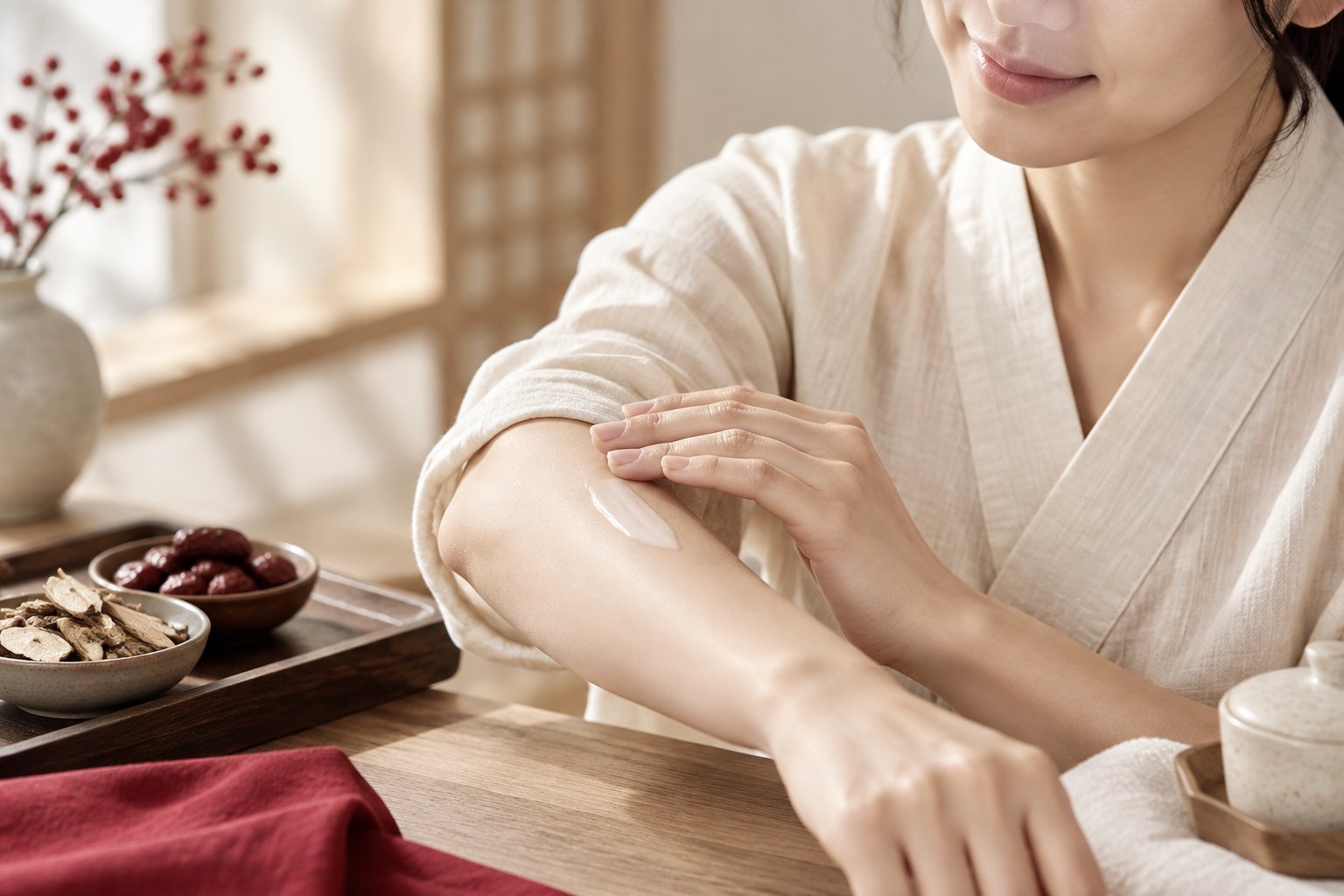
In the clinic, what people with atopic dermatitis struggle with most is the repeated cycle of itching. When you scratch at night, find wounds in the morning, seem to improve a little, and then become red again, both the skin and the mind become exhausted. Especially when areas scratched for a long time become thick and dark, even going out or choosing clothes can become stressful.
Scratching Habits Can Lead To Lichenification And Hyperpigmentation
Atopic dermatitis is a Chronic Skin Condition in which itching and inflammation repeatedly occur in areas that fold or are easily irritated, such as the inside of the elbows, behind the knees, the neck, and the face. Because it is hard to resist the itching, scratching can cause tiny wounds, and oozing, scabs, or secondary infection may follow.
When inflammation and friction continue for a long time, lichenification can develop, making the skin rough and firm. At this time, the skin texture becomes deeper and may crack, and hyperpigmentation after inflammation can remain, making the skin appear darker. Rather than treating only the visible color change, the priority is to reduce the cycle of itching and inflammation.
If Symptoms Keep Returning With Ointment Alone, We Look At The Causes Together
Steroid ointments and antihistamines are important treatment options when inflammation and itching are severe. However, changing prescribed medications frequently on your own or stopping them suddenly can make symptoms fluctuate, so it is safer to discuss the duration of use and tapering with your Medical Team.
In Korean medicine, we do not view atopic dermatitis only as a surface skin problem. We also look at weakened skin barrier function, constitutional imbalance, heat sensation, Digestion, sleep, and stress. Even with the same atopic dermatitis, the approach may differ for people with prominent dryness, those with strong heat and redness, and those with repeated oozing and swelling.
Korean Medicine Treatment Helps Regulate The Balance Of The Skin And Body Together
During care, we check the current skin condition, the time of day when itching occurs, whether there is oozing, bowel movements and Digestion, sleep, and current medications. Then, according to the constitution and symptoms, herbal medicine or pills may be considered, and acupuncture, pharmacopuncture, moxibustion, Cupping, and bloodletting treatments are selected depending on skin heat and circulation.
The goal of treatment is not simply to suppress the redness that is present right now. It is important to help the skin barrier recover so the skin can better tolerate irritation, and to reduce lifestyle factors that repeatedly worsen symptoms.
Consultation Is Recommended In These Cases
- When itching frequently wakes you from sleep
- When the skin becomes thick, cracks, and hyperpigmentation remains
- When oozing, yellow scabs, heat sensation, or pain are present
- When symptoms repeatedly worsen as soon as you reduce ointment use
- When symptoms on exposed areas such as the face, neck, or hands cause significant daily stress
If you have a fever, severe pain, or swelling that spreads quickly, infection may be possible, so we recommend seeking care promptly. If emergency symptoms such as shortness of breath or decreased consciousness occur, you should call 119 or go to the emergency room first.
Lifestyle Management Should Be Small And Consistent
- Keep showers short and use lukewarm water, then apply moisturizer right after washing.
- Reduce irritating factors such as sweat, rough fabrics, and strong cleansers.
- Late-night meals, excessive drinking, and excessive sugar intake may worsen skin heat and itching, so they should be managed.
- Lack of sleep and stress may increase sensitivity to itching, so maintain a consistent daily rhythm.
Atopic dermatitis often improves and worsens in cycles, so it is easy to become impatient. However, closely observing the signals your skin sends and continuing needed treatment along with Lifestyle Management can help reduce the degree of flare-ups. If you have long-standing hyperpigmentation and lichenification, we recommend making a plan to calmly settle the current inflammation first.