
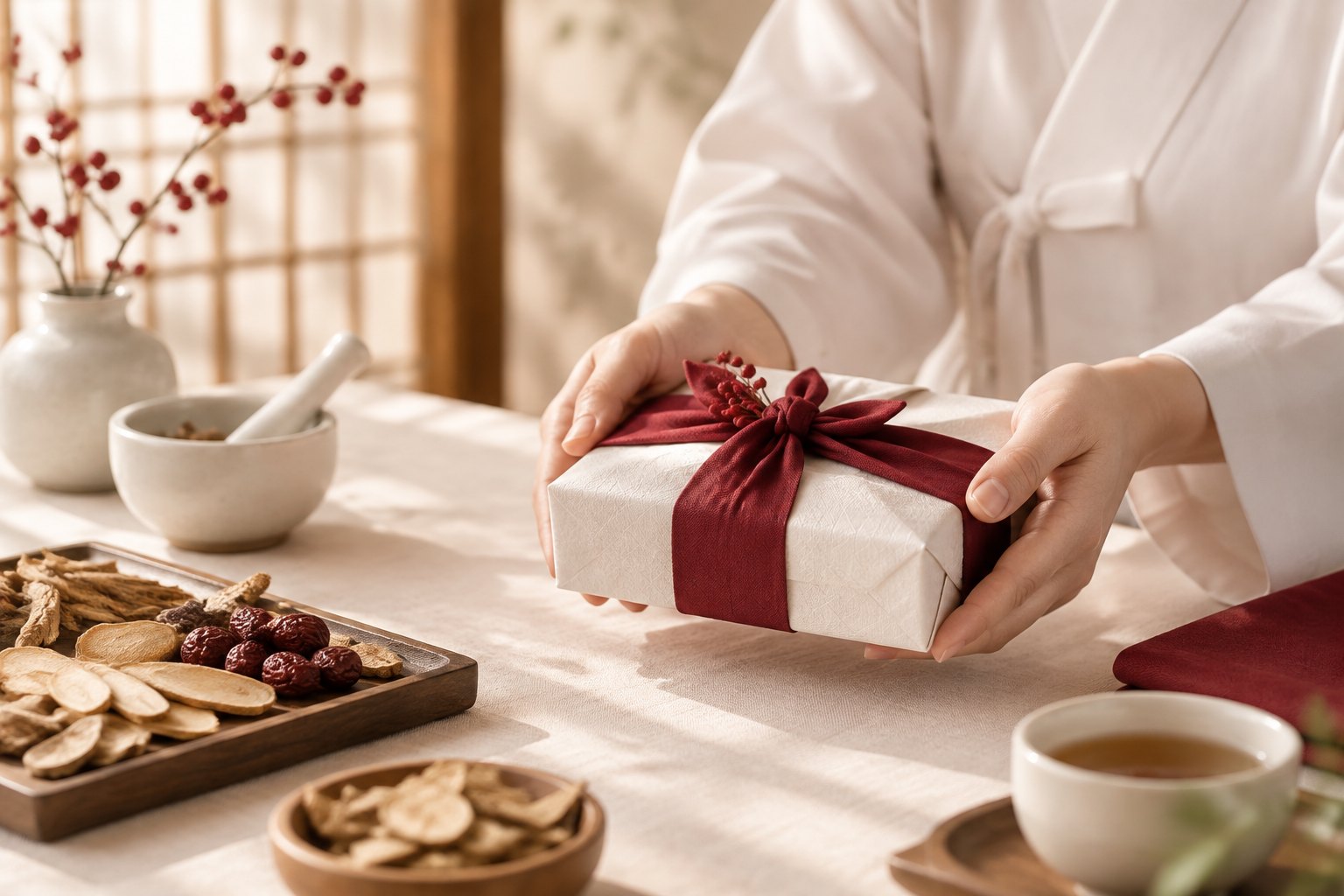
In the consultation room, people who ask about Gongjin-dan usually say their body feels heavy even after long rests, their concentration has declined, and they do not feel refreshed after sleep. We first need to examine whether fatigue is due to temporary overwork or is intertwined with Digestion, sleep, hormones, or an underlying disease. I recommend understanding Gongjin-dan not simply as a “good herbal tonic,” but as a prescription that should be checked to see whether it fits your body.
What Kind of Prescription Is Gongjin-dan?
Gongjin-dan is a Korean medicine prescription based on musk, deer antler, Cornus officinalis, Angelica gigas, and other ingredients. In Dongui Bogam, it is recorded as a prescription intended to support original qi and help correct the body’s balance. In Korean medicine, we assess states in which qi and blood have become deficient and circulation has slowed, and judge suitability for people with fatigue, lethargy, and reduced recovery.
Why Musk Is Important
In the original musk Gongjin-dan, musk is an important medicinal ingredient that determines the direction of the prescription. Because musk is a medicinal ingredient managed as a pharmaceutical, it is necessary to receive examination and prescription from a Korean medicine doctor rather than purchasing or taking it on your own. In particular, rather than choosing based only on the name “musk,” you should check the source and amount of the ingredient and whether the combination is tailored to your individual condition.
People Who Should Be Checked Before Taking It
Gongjin-dan is not a prescription that fits everyone in the same way. The dosage and duration may vary depending on whether your body has a lot of heat, whether your Digestion is weak, and what your blood pressure and sleep condition are like. If any of the following apply to you, please be sure to tell us during the care process.
- If you are pregnant or may be pregnant
- If you are receiving kidney dialysis or have decreased kidney function
- If you are undergoing treatment for a serious disease such as cancer
- If you take long-term medications such as anticoagulants, antiplatelet drugs, or immunosuppressants
- If you easily develop heat sensations, palpitations, insomnia, or indigestion
Please do not stop any medications you are currently taking on your own. When needed, it is important to assess the suitability of a Korean medicine prescription together with the judgment of the Medical Team responsible for your existing treatment.
How to Think About Taking and Storing It
Gongjindan is usually taken regularly for a set period while observing the body's response. Some people are comfortable taking it on an empty stomach, but those with a sensitive stomach may need to adjust the timing. Because it is an aromatic pill, it is best to avoid direct sunlight and hot, humid places, and to follow the storage instructions you were given.
Consultation Is Recommended In These Cases
- When fatigue continues for more than 3 months and daily recovery is slow
- When fatigue is accompanied by weight changes, decreased appetite, or persistent fever
- When headache, dizziness, palpitations, or insomnia occur together
- When you often feel bloated or feel heat rising after taking a tonic
If you have sudden paralysis, decreased consciousness, severe chest pain, or shortness of breath, calling 119 or going to the emergency room comes before a tonic consultation. Gongjindan should not be a way to cover up fatigue; it should be a prescription that supports needed recovery after carefully checking your health condition. We recommend starting safely after reviewing your constitution, current illnesses, and medications together.