
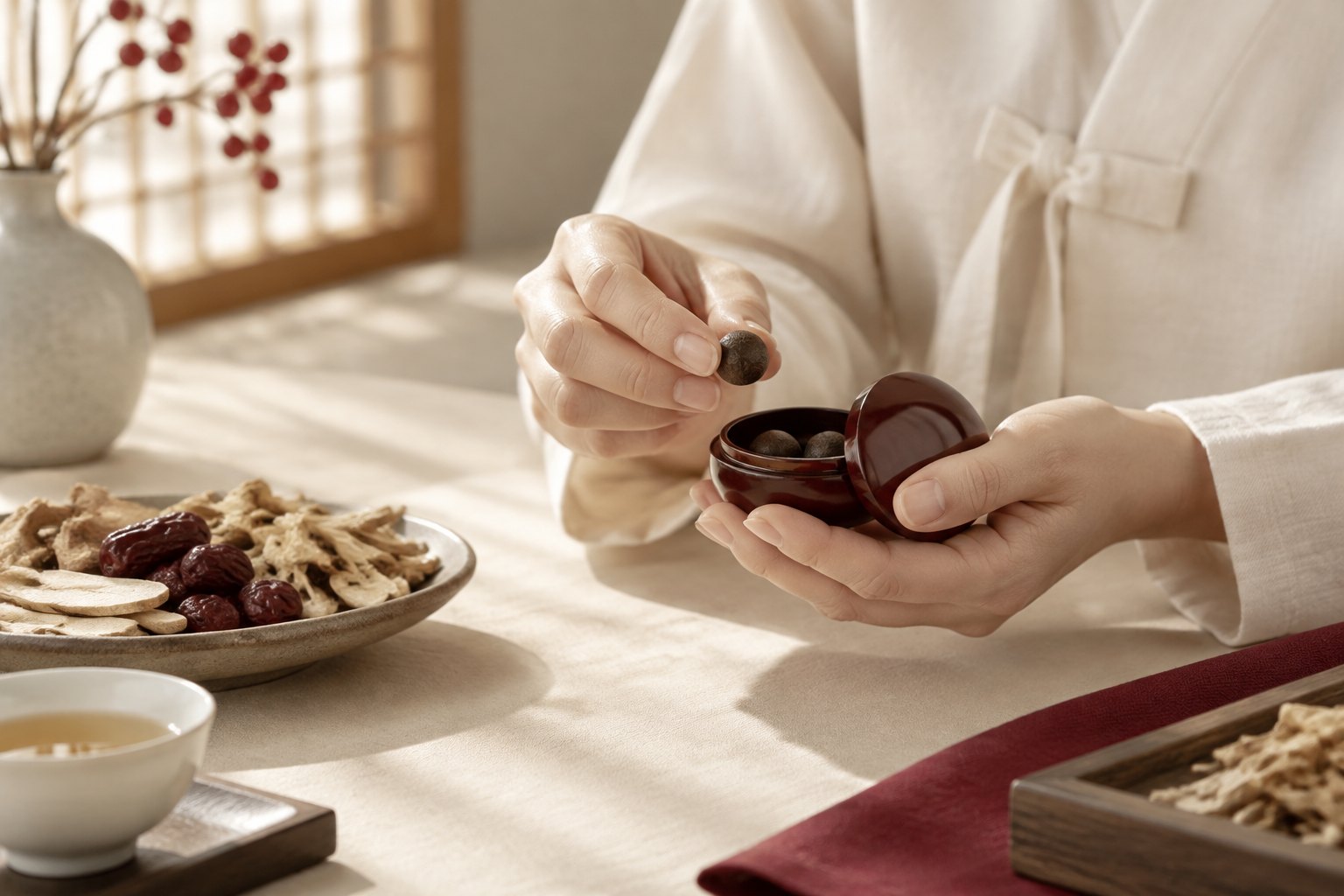
In the treatment room, I often hear, “I feel tired even after resting, and my body aches in many places.” When work, studies, and stress overlap, sleep may not feel refreshing, concentration can decrease, and pain such as muscle or joint pain may occur as well. At times like this, an herbal tonic such as Gongjindan can be considered, but it is important to first calmly review your body’s condition.
When fatigue lasts, the body’s rhythm is affected first
Fatigue does not simply mean feeling low on energy. Sleep quality may decline, appetite and digestion may change, and sensitivity or a sense of helplessness may accompany it. When the body does not have enough time to recover, even minor pain may continue for a long time, increasing the burden of daily activities.
When can Gongjindan be considered?
Gongjindan is a traditional prescription used to support energy and during times of significant physical depletion. Because it comes in pill form, it is relatively easy to take, but it is not suitable for everyone in the same way. It is best to choose it after reviewing the pattern of fatigue, digestion, sleep, current medications, and lifestyle patterns together.
Studies related to Gongjindan have reported the possibility that it may help relieve chronic pain lasting 3 months or longer. However, research findings do not replace an individual diagnosis or treatment plan, and the first step is to check whether the pain may be due to another condition.
Precautions to check before taking it
- If you are being treated for high blood pressure, heart disease, liver or kidney disease, or other conditions, be sure to tell us during your visit.
- Do not stop any medications you are taking, such as anticoagulants, antiplatelet agents, diabetes medications, or blood pressure medications, on your own.
- If you are pregnant or breastfeeding, or if you are preparing for surgery, a separate consultation is needed.
- If you notice reactions that are different from usual after taking it, such as palpitations, digestive discomfort, or a skin rash, we recommend stopping it and seeking consultation.
Lifestyle management should go together
An herbal tonic is one way to support reduced recovery capacity. However, if sleep hours continue to fluctuate, meals are irregular, and overwork continues, the body has less room to recover. Even when taking Gongjindan, I recommend adjusting your daily rhythm together with it.
- Keep your wake-up and bedtime as consistent as possible.
- Reduce caffeine and alcohol later in the day.
- Start with light walking and stretching rather than strenuous exercise.
- Do not skip meals, and choose easy-to-digest protein and warm foods.
We recommend consultation in these cases
If fatigue continues for a long time and is accompanied by weight loss, fever, cold sweats, chest pain, shortness of breath, or severe dizziness, we recommend receiving medical care. If sudden paralysis, slurred speech, or decreased consciousness occurs, calling 119 or going to the emergency room should come before visiting a Korean medicine clinic.
Rather than choosing Gongjindan by name alone, it is important to consider your current physical strength, constitution, and whether you have any medical conditions. Checking the signals your body is sending, organizing your lifestyle, and adding the right support as needed are the first steps toward recovering from long-term fatigue.