
There are things I often hear in the clinic when winter comes. Patients say, “My appetite has decreased and I have no energy,” or “My body feels cold and I do not want to move.” Winter health for older adults is not something solved by one nourishing food; it starts with lifestyle management that looks at body temperature, circulation, meals, sleep, and activity level together.
The Burden Cold Weather Places on the Body
When the temperature drops, the body constricts blood vessels to preserve heat, and in this process, you may feel more coldness or stiffness in the hands and feet. If going out decreases and activity level drops, muscle strength can weaken and bowel movements can slow, making constipation, indigestion, and decreased appetite more likely to continue. Even if you stay indoors, it is important to make a habit of moving briefly several times a day.
Food Should Be Warm and Easy to Digest
For older adults, what matters in meals is not “a lot,” but “steadily and easy to digest.” It is helpful to add small amounts of protein foods to rice, porridge, and soups, and it is better to adjust foods that are too greasy or cold because they may make the stomach feel more uncomfortable. If you drink too little water, constipation and dizziness may worsen, so unless you have been advised to restrict fluids due to heart or kidney disease, it is better to drink lukewarm water in divided amounts.
When Choosing Health Supplements and Herbal Tonics
Even if a health supplement sounds good, if it does not match your current condition, it may make you feel bloated or interfere with sleep. In particular, if you are taking blood pressure medication, diabetes medication, anticoagulants, antiplatelet agents, or similar medications, be sure to review them together during your visit before starting anything new. We do not recommend arbitrarily reducing or stopping medications you are taking and replacing them with health supplements.
Who Is Wonbang Sahyang Gongjindan For?
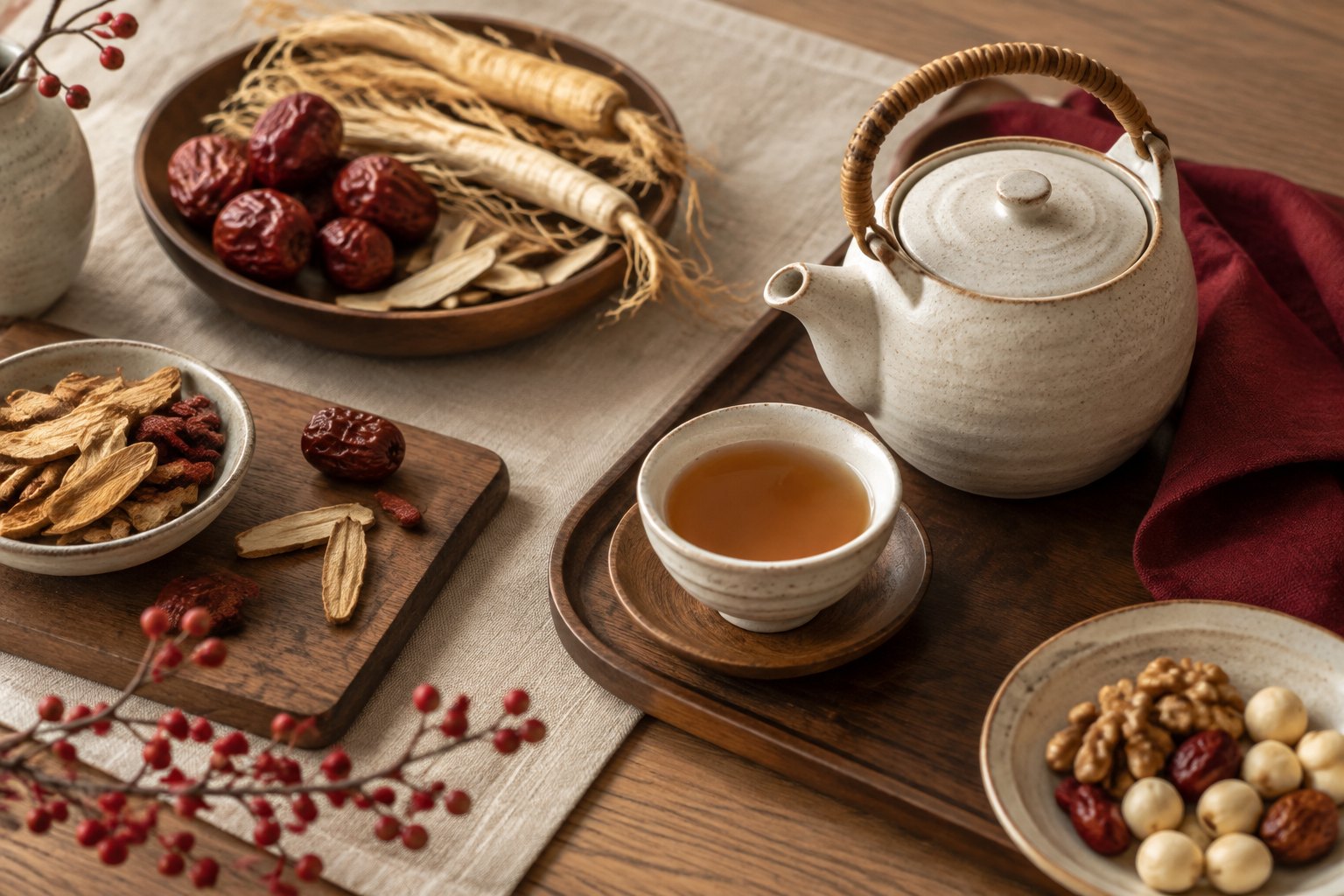
Wonbang Sahyang Gongjindan is a prescription considered in Korean medicine when evaluating low energy, recovery after overwork, and frailty in older age. However, it is not used the same way for every older adult. The dosage and timing should be decided after checking whether you tend to have heat, whether your digestion is weak, what your sleep and blood pressure are like, and what medications you are taking.
Try These Winter Lifestyle Habits
- Rather than going outside suddenly right after waking in the morning, gently loosen up your body indoors
- Check the soles of your shoes and walking aids before going out to help prevent slips
- Do not skip meals, and eat warm foods in small divided portions
- Walk in the sunlight for about 10–20 minutes during the day; if that is difficult, walk in place indoors
- If you have chest pain, sudden paralysis on one side, slurred speech, or decreased consciousness, call 119 or go to the emergency room first
For winter health management in older adults, small daily habits are often more important than grand methods. If low energy lasts a long time, or if decreased appetite, weight change, dizziness, sleep problems, or similar concerns occur together, please do not dismiss them as simple aging and consider receiving medical care. Your current strength, medical conditions, and medications should be reviewed together so that foods and herbal tonics can be chosen more safely.