
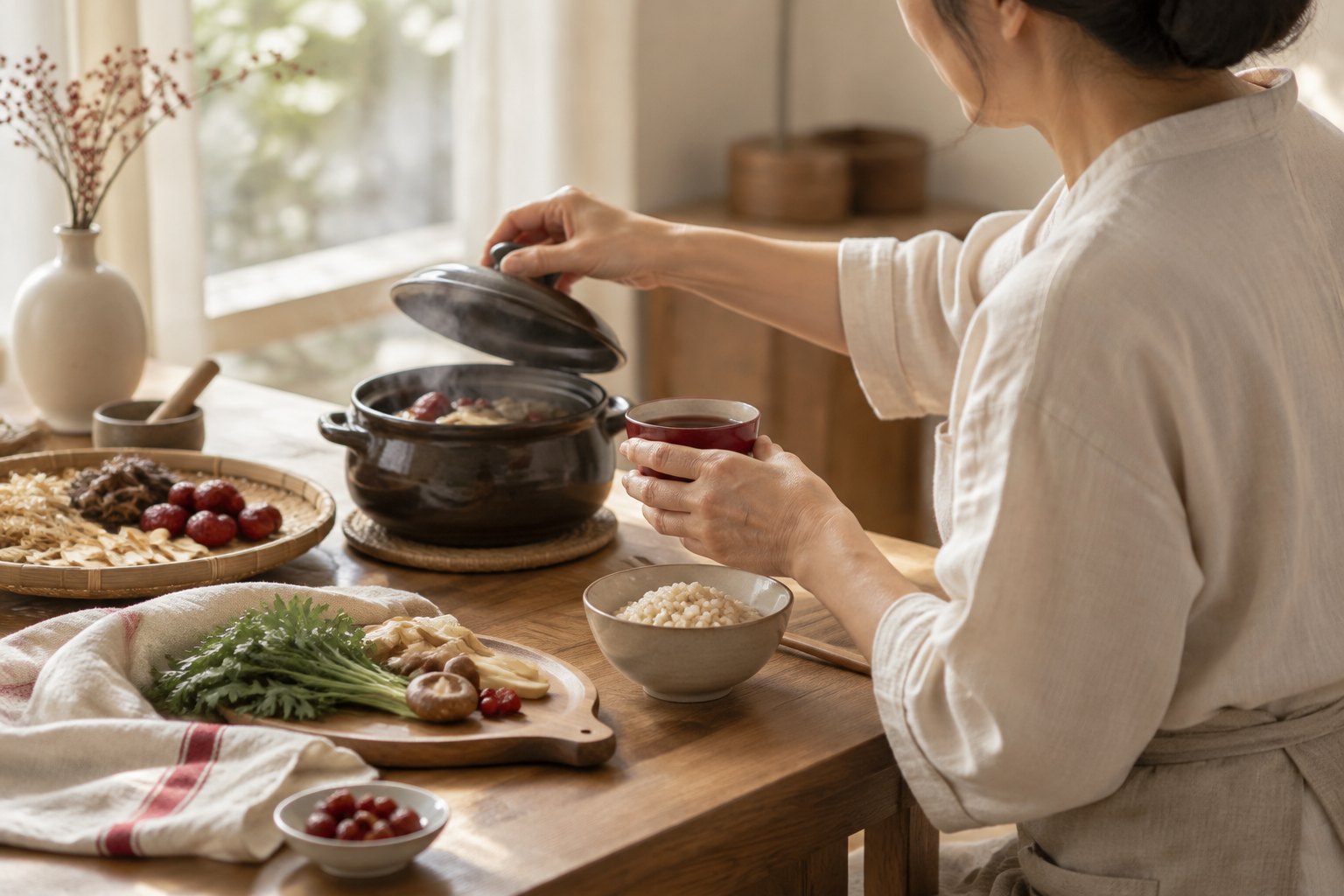
In the treatment room, I often hear patients say that as they get older, they do not feel the way they used to. They report that fatigue lasts longer, sleep does not feel refreshing, and changes in the body weigh on the mind as well. Aging is a natural change that progresses in everyone after maturity, rather than a disease. However, even as the same amount of time passes, daily vitality can differ depending on how you maintain the body’s adaptability and recovery capacity.
Aging is a change in whole-body function
Aging does not refer only to visible changes such as skin wrinkles or gray hair. It is a process in which function and resistance gradually decline across the organs, muscles, blood vessels, and nervous system. Many people begin to feel it around their 40s, and it may appear as slower recovery from fatigue or increased sensitivity to environmental changes.
Physical changes and emotional changes come together
As we age, flexibility in the lower back and joints may decrease, and changes such as reduced skin elasticity around the eyes and jawline may occur. At the same time, cognitive functions such as concentration, judgment, and memory require more rest and care than before. Reduced emotional expression or feeling burdened by new tasks can also appear when both physical energy and emotional ease decrease.
Health cultivation is repetition, not a grand secret
Health cultivation in East Asian medicine does not mean overworking the body and then trying to recover all at once. It is the balance of daily life: eating, sleeping, moving, and regulating the mind according to the season, constitution, and living environment. Aging cannot be stopped completely, but consistent lifestyle management may help ease low energy and delayed recovery.
Daily management guidelines to observe
- Avoid overeating and skipping meals, and keep meal amounts and times consistent in a way that is easy to digest.
- For exercise, repeat walking that makes you slightly short of breath and light strength training without overdoing it.
- If your sleep time has decreased, first make your bedtime and wake-up time consistent rather than relying on naps.
- The more your mood sinks and motivation decreases, the more intentionally you should make time to meet people and get sunlight.
- Choose herbal tonics or health supplements only after reviewing your constitution, digestive strength, and current medications together.
We recommend consultation in these cases
If fatigue continues for several weeks or longer, or if changes in weight, reduced appetite, sleep disturbance, or memory decline are noticeable, it is best not to dismiss it as simple aging. In particular, if sudden one-sided paralysis, slurred speech, decreased consciousness, severe chest pain, or shortness of breath occurs, calling 119 or going to the emergency room should come before Korean medicine clinic care. Do not stop blood pressure medications, diabetes medications, anticoagulants, or other medications you are taking on your own; consult the medical team.
More important than trying to defeat aging is the attitude of noticing changes in your body early and caring for it consistently. I see health management after midlife as a process of reducing “today’s overexertion” and preserving “tomorrow’s recovery capacity.” By rebuilding the rhythm of daily life and checking necessary care together, you can continue a more comfortable and stable daily life as you age.