
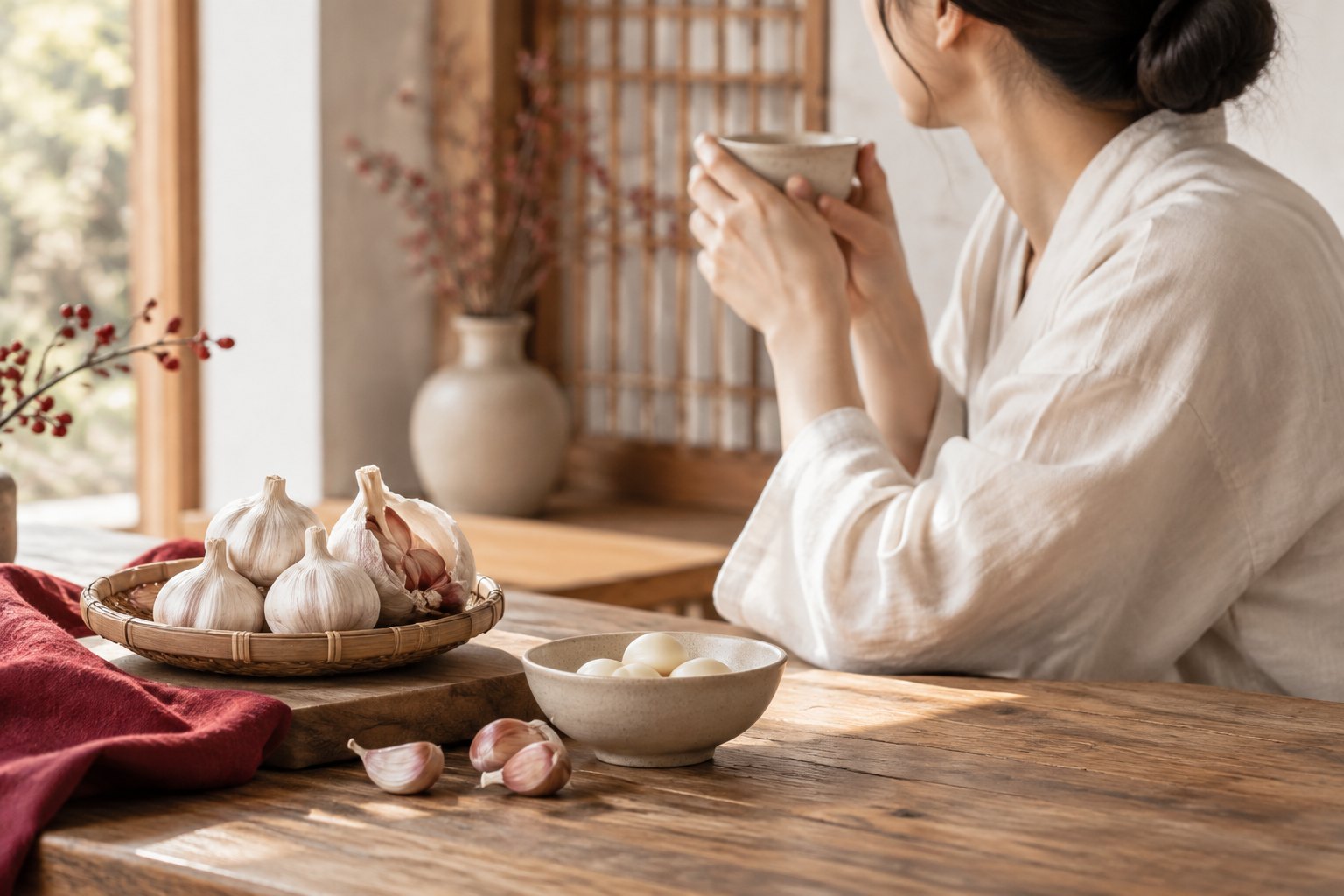
In the clinic, I often hear patients say they want to take care of their health through food. Among these foods, garlic is an ingredient that is hard to leave out of the Korean table. However, even good foods can feel comfortable or burdensome depending on your condition and how you eat them.
The components in garlic’s aroma
Garlic’s distinctive pungent aroma is closely related to sulfur compounds, including allicin. Allicin has been studied for its action in inhibiting the growth of bacteria and fungi, and the various sulfur compounds in garlic are treated as food components involved in the body’s detoxification enzymes and regulation of oxidative stress.
Results related to garlic intake have been reported in animal experiments using prostate cancer and bladder cancer cells, as well as observational studies examining the risk of stomach cancer and colorectal cancer. However, this should not be taken as a method to replace cancer treatment. If you are being treated for a disease, including cancer, you should prioritize your medical team’s plan.
Expected Benefits for Circulation and Common Cold Management
Garlic is a food that has long been studied in relation to blood lipids, blood pressure, and circulation. In relation to the common cold, studies using allicin-containing supplements have reported differences in the occurrence of colds and recovery patterns. These findings suggest that garlic may help with lifestyle management, but they are not a guarantee that it prevents disease.
It may or may not suit you depending on your constitution
From a Korean medicine perspective, garlic tends to have a strong pungent and warm nature. It may be a relatively good fit for people whose hands and feet are cold and whose digestion is weak, making their stomach easily uncomfortable with cold foods. On the other hand, people who flush easily, have a dry mouth, and often feel heat may notice more heartburn, bad breath, or heat sensation in the skin when they eat a lot of garlic.
For people with gastritis, reflux esophagitis, or heartburn, raw garlic may irritate the stomach lining. For those with a weak stomach or for young children, it is safer to start with a small amount and observe the response.
How To Eat It And What To Watch For
- Adults typically observe how their body responds within about 2–3 cloves per day.
- If your stomach is sensitive, avoid raw garlic on an empty stomach and reduce the amount.
- Crushing or slicing garlic and letting it sit can help with allicin formation.
- Stir-frying garlic in oil for a long time or cooking it in boiling water for a long time may reduce allicin.
- If you are taking anticoagulants or antiplatelet medications, or if you are preparing for surgery, consult your medical team about concentrated garlic products. Do not stop any medications you are taking on your own.
When Consultation Is Recommended
- When heartburn, abdominal pain, or diarrhea repeats after eating garlic
- When facial heat sensation, urticaria, or itching occurs
- When you are taking medication for high blood pressure or hyperlipidemia and want to take health supplements as well
- When you are considering diet therapy or supplements during cancer treatment
Garlic is a useful food to include at the table, but excessive intake without considering your constitution and health conditions can instead cause discomfort. I recommend first considering whether even a food suits you, as you would with medicine. If you need ongoing dietary management, we can review your body’s heat and cold patterns, digestion, and current medications together during a visit.