
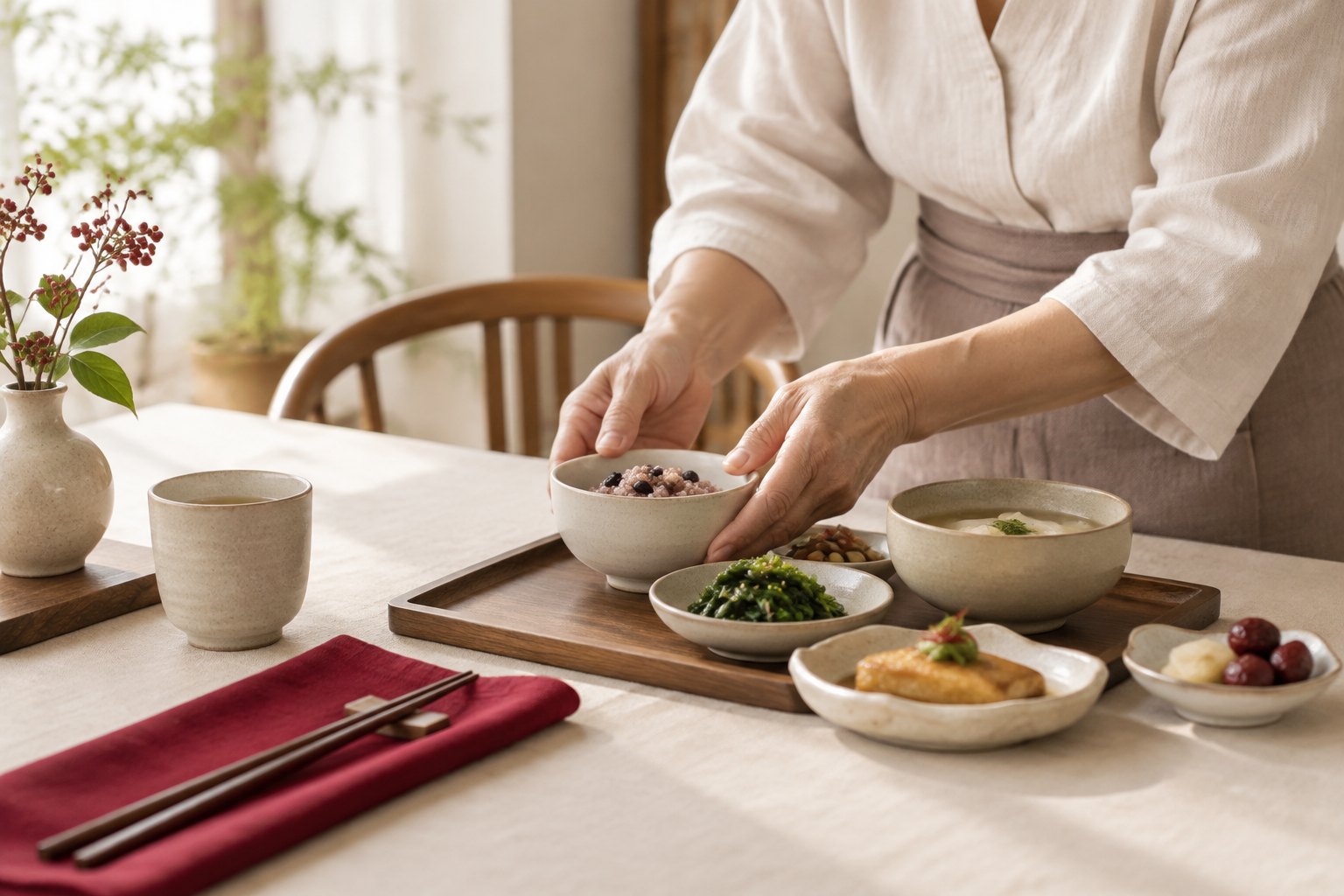
In the treatment room, I often hear older patients or their caregivers say, “I have less appetite than before and feel full after eating only a little,” or “My meals have decreased, but my constipation has become worse.” As people age, stomach and intestinal movement, digestive juice secretion, chewing and swallowing strength, and the senses of taste and smell can all change. Therefore, rather than the approach of “I need to eat a lot to have energy” as in younger years, it is necessary to reestablish a meal rhythm that the body can accept more easily.
Small, frequent meals rather than a lot at once
For those whose stomach easily feels bloated, reducing the amount per meal and instead making the day’s meal pattern more frequent is less burdensome. Do not skip three meals, but adding an easy-to-digest snack in the morning or afternoon can help reduce loss of energy from long fasting periods. For snacks, I recommend options that are easy to chew and digest, such as porridge, soft protein foods, cooked fruit, or a small amount of nuts, rather than sweets or crackers.
Mealtimes are the body’s clock
For older adults, the timing of meals is as important as the content. If mealtimes fluctuate greatly from day to day, the rhythm of feeling hunger and fullness can also become disrupted. The habit of sitting at the table at a consistent time, even for a light meal, can help stabilize stomach and intestinal movement and daily rhythm. Before meals, a light walk or stretching is better than strenuous exercise.
Use easy-to-digest cooking methods and aromas
In older age, even the same ingredients can feel different depending on how they are prepared. Tough meat, greasy fried foods, and foods that are too cold can increase bloating, so boiling, steaming, and simmering until soft are helpful options. When appetite is low, ingredients that enhance aroma and texture, such as scallions, ginger, perilla seed, a small amount of sesame oil, and aromatic vegetables, may help. However, we do not casually recommend using alcohol to stimulate appetite, as it may not be appropriate depending on current medications, diabetes, liver disease, and fall risk.
Constipation and picky eating should be considered together
When food intake decreases, fiber and fluid intake often decrease as well, making constipation more likely. Rather than eating a large amount of raw vegetables, prepare them cooked and soft, and gradually increase seaweed, fruit, and mixed grains according to your digestion. If you are taking blood pressure medication, diabetes medication, anticoagulants, or similar medicines, consult the medical team currently caring for you before making major dietary changes, and do not stop any medication on your own.
We recommend a Consultation in these cases
- When weight has recently decreased or food intake has sharply declined without a clear reason
- When there is difficulty swallowing, frequent choking, vomiting, black stool, or bloody stool
- When post-meal bloating, heartburn, or abdominal pain continues for a long time
- When repeated constipation or diarrhea interferes with daily life
- When diet control is needed due to diabetes, high blood pressure, kidney disease, or similar conditions, but it is difficult to know how
Meals for older adults should begin not with “what more should we feed them,” but with “how can they digest comfortably and keep eating consistently?” When we consider overall condition, illnesses, medications, and the ability to chew and swallow together, the direction of meal management becomes clearer. We recommend an eating routine that reduces burden and builds rhythm so that one small meal can continue day after day.