
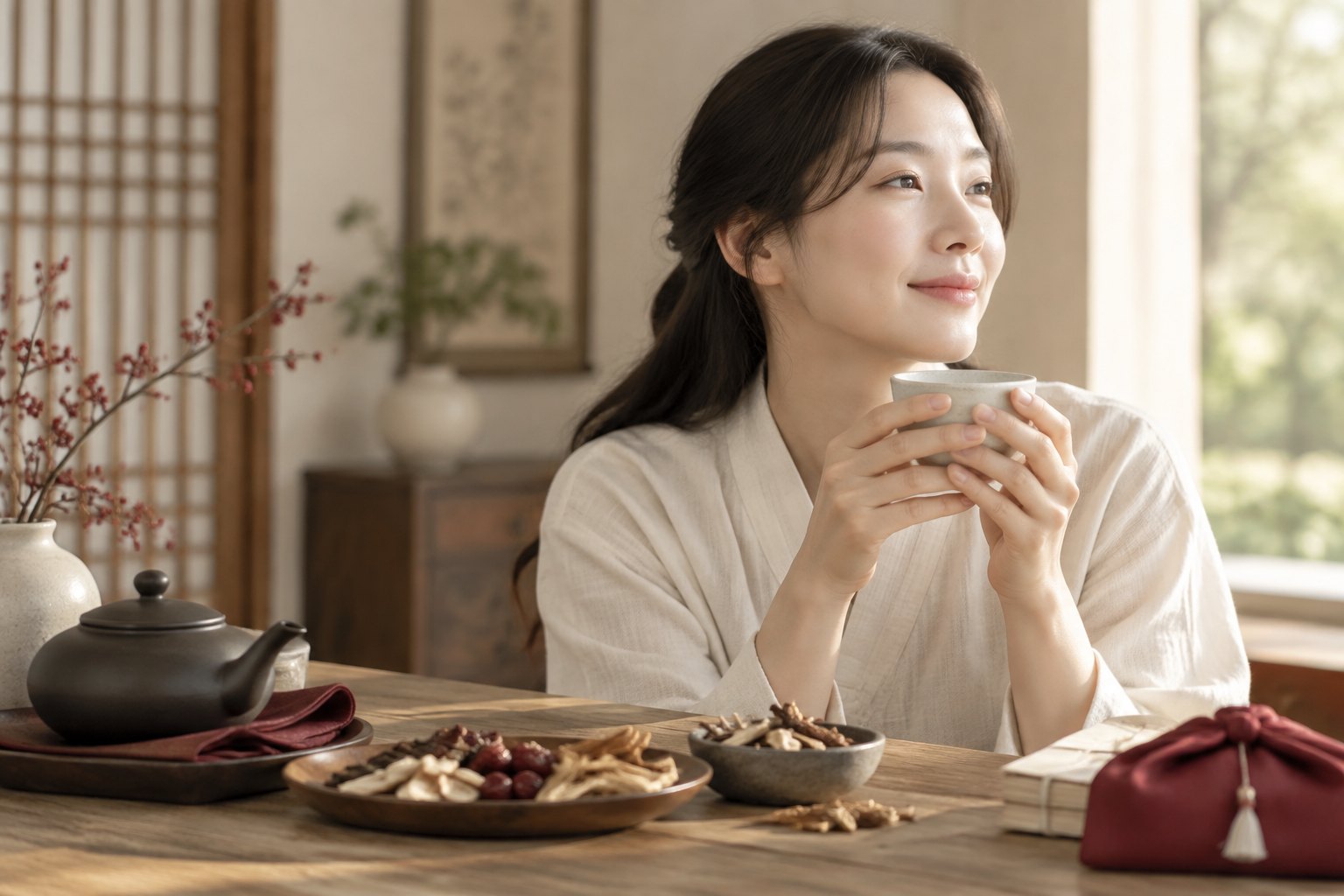
When the seasons change, I often hear patients say, “I don’t feel refreshed even after sleeping,” “I catch Common Cold often,” or “My head feels unclear and I feel dizzy.” Changes in the weather alone can burden the body, but when irregular meals, lack of sleep, and stress overlap, recovery may become even weaker. In these cases, I first look at daily rhythms and, when needed, consider herbal tonics suited to the patient’s constitution and symptoms.
Herbal tonics are care that looks at what is lacking
In Korean medicine, herbal tonics do not simply mean medicines that raise energy. The direction of the prescription differs depending on whether qi and blood are deficient, digestion and absorption are weak, circulation is blocked and the body feels heavy and sluggish, or heat has built up and causes easy fatigue. Even with the same fatigue, the needed prescription is not the same for someone with reduced appetite and someone with palpitations and insomnia.
When should Gongjindan be considered?
Gongjindan is a prescription taken in pill form, primarily combining ingredients such as moschus, deer antler, Cornus fruit, and Angelica root. Many people ask about it when drinking decoctions feels burdensome or when they need something convenient to take during a busy schedule. However, we do not use it the same way for everyone simply because it is convenient; we also check the causes of fatigue, digestion, sleep, and whether blood pressure or blood sugar is being managed.
What to check before taking it
When choosing Moschus Gongjindan, it is necessary to review the composition and amount of the medicinal ingredients, as well as the individual dosage, with the medical team. Extra caution is needed for people taking medications for high blood pressure, diabetes, or cardiovascular disease; those who are pregnant or breastfeeding; children; and older adults. Do not stop any current prescription medications or health supplements on your own, and it is best to tell us about them during your visit.
Lifestyle Management should go together
- Do not skip breakfast, and include protein and vegetables.
- Reduce late-night overeating and alcohol, as they can interfere with recovery from fatigue.
- Support circulation with light walking and stretching, but avoid excessive exercise.
- Keep a consistent bedtime and get enough sunlight during the day.
We recommend a consultation in these cases
- When fatigue lasts more than 2 weeks and interferes with daily life
- When dizziness, headache, reduced appetite, or weight loss appears together
- When Common Cold symptoms recur or recovery is unusually slow
- If you have chest pain, difficulty breathing, paralysis of one arm or leg, or decreased consciousness, call 119 or go to the emergency room first.
Seasonal herbal tonics are not a way to force the body upward, but a process of finding the current weakened point and helping recovery. Gongjindan is also meaningful when it fits your constitution and health condition. Rather than enduring fatigue, we recommend reviewing your lifestyle and, if needed, finding a management direction that suits your body through care.