
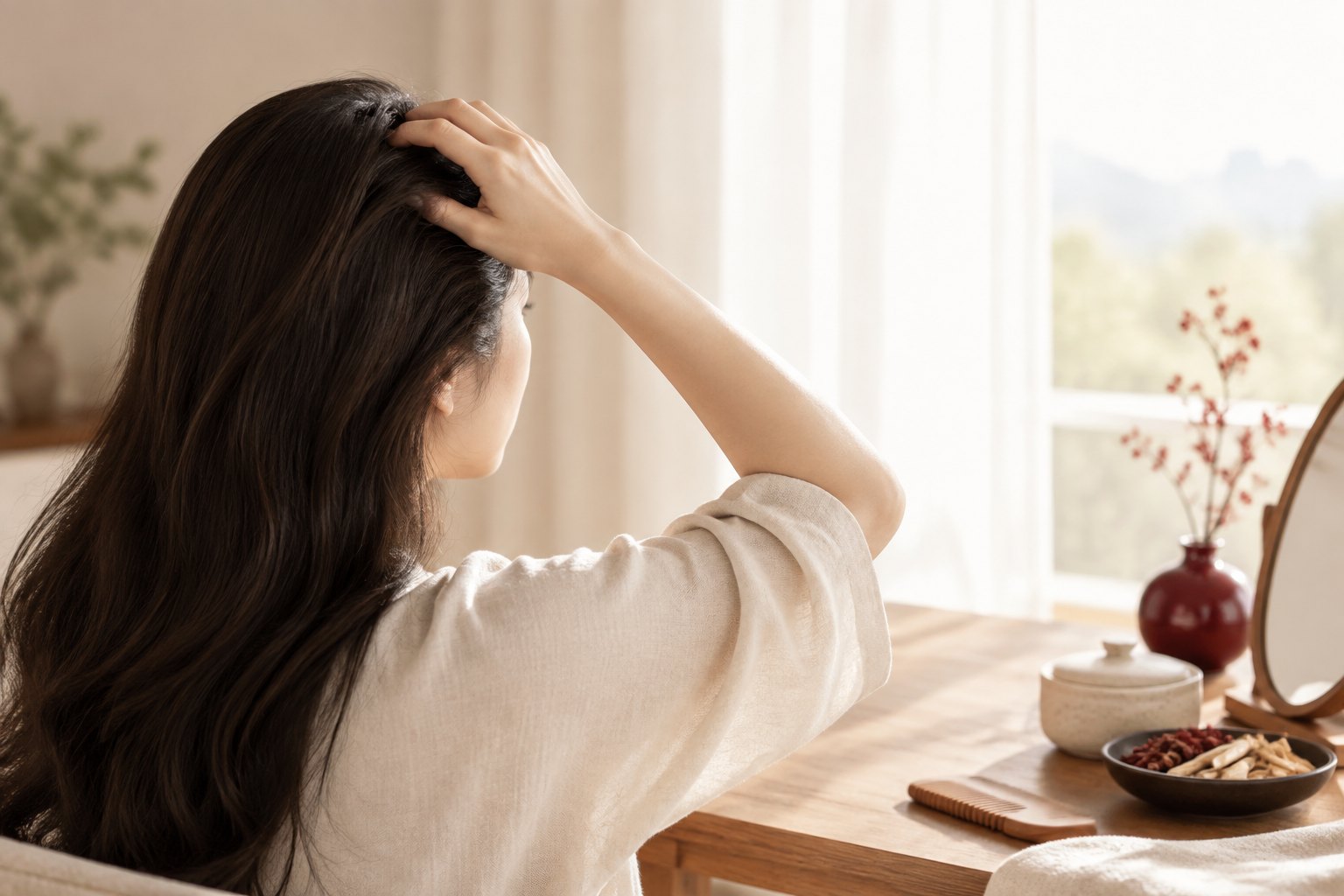
In the clinic, I often hear patients say that their face keeps getting red and flaky, or that flakes fall like dandruff and the scalp itches even after washing their hair. Especially during seasonal changes, when the air is dry and the temperature difference between day and night is large, many people find that seborrheic dermatitis that had improved comes back. Rather than urgently calming only the visible skin symptoms, it is important to calmly look at why it keeps recurring.
It Can Appear On Both The Face And Scalp
Seborrheic dermatitis often involves repeated redness, itching, flaking, and inflammation that can look like small pimples in areas with more sebum production. It commonly occurs around the nose, eyebrows, ears, and scalp. If it becomes more severe, it may be accompanied by oozing or stinging pain. If scalp inflammation continues for a long time, dandruff can worsen and it may also burden the hair condition, so it is helpful to set a management direction early.
We Look At The Skin Barrier And The Body’s Rhythm Together
In Korean medicine, we check not only inflammation on the skin surface, but also patterns in which heat gathers in one area, digestion, sleep, stress, and eating habits. When the skin barrier is weakened and fatigue and irregular living overlap, a sensation of heat can become more noticeable in the face and scalp, making itching and flaking more likely to recur. Even with the same seborrheic dermatitis, management may differ for those with more dryness, those with more prominent sebum and redness, and those who also have digestive discomfort.
Washing Harshly Does Not Help
If you repeatedly use strong cleansers or frequent scrubs because flakes and oiliness bother you, your skin may become even more sensitive. It is better to wash the face gently with lukewarm water, and to wash the scalp so that sweat and sebum do not remain for too long, while avoiding scratching with the fingernails. For moisturizing, rather than applying a lot of oily products unconditionally, it is safer to use a low-irritation product that suits your skin in a thin layer.
What To Check First In Lifestyle Management
- Check whether late-night snacks, alcohol, and greasy foods are recurring habits.
- If sleep time is often insufficient, skin recovery may slow down, so set a regular bedtime.
- For exercise, wash soon after sweating and dry the scalp well.
- Even if it itches, do not scratch or pick at the skin; if there is oozing, reduce the use of irritating cosmetics.
- If you are using an ointment or medication, do not stop it on your own; review it together during your visit.
When We Recommend A Consultation
If redness and flaking repeat for several weeks or longer, scalp bumps and pain occur often, or oozing and odor are present, we recommend seeking care. If you feel that hair loss has suddenly increased, it is also necessary to check the inflammatory condition of the scalp. By looking together at heat sensations, digestion, sleep, and stress, we can make a more practical plan than simple skin care alone.
Seborrheic dermatitis is not a condition that can be fully managed with one cleansing method or a specific product alone. When treatment to calm the skin is combined with efforts to restore a healthy daily rhythm, it may help lengthen the interval between recurrences and reduce discomfort. If you have recurring facial and scalp symptoms, we will start by finding a management approach that fits your current condition.