
If your skin suddenly becomes red and itchy due to seasonal urticaria, you might worry, "Is it an allergy? Will it pass quickly?" Especially during changing weather, cold air, body temperature changes, food, and stress can make skin reactions feel more sensitive. The key is to calmly distinguish whether the symptoms subside within a few days, recur for more than 4-6 weeks, and what stimuli trigger them.
Although urticaria may look similar on the surface, the points to examine differ depending on whether it's acute or chronic, whether physical stimuli are involved, and whether gastrointestinal function and immune status are affected. This article will explain how to understand skin urticaria suspected to be due to seasonal allergies and when a medical consultation is needed from the perspective of Korean medicine clinic care.
Why does skin urticaria suddenly swell?
Urticaria is a condition where edema occurs first due to a vascular reaction in the dermis layer of the skin, followed by itching or stinging pain. It can appear and disappear within minutes, and reappear on other areas, making it difficult for patients to pinpoint the cause.
Although often referred to as allergic urticaria or allergy urticaria, in reality, various factors such as food, drugs, germs, temperature stimuli, exercise, emotional changes, and skin pressure can act together. Therefore, even if "no specific cause was found in the allergy test," if symptoms repeat, it is necessary to examine the body's condition and lifestyle factors together.
In Korean medicine, urticaria is referred to as Eunjin (癮疹), described as symptoms subtly appearing between the skin, and explained in relation to wind (風), heat (熱), and dampness (濕). This should be understood from the perspective that it is not just a skin issue but can be influenced by gastrointestinal function, immune status, and lifestyle disruptions.

Acute and Chronic Urticaria Differ in Duration
Acute urticaria typically disappears within about a week, with common causes including food, drugs, and germs. If the suddenly appearing urticaria significantly reduces over a few days and there are no systemic symptoms, it may be helpful to observe the course while avoiding stimulating factors.
On the other hand, chronic urticaria refers to cases that persist or recur for more than 6 weeks. A substantial proportion of chronic urticaria cases are known to be difficult to pinpoint the cause, and factors such as infection, metabolism, endocrine disorders, psychological factors, and autoimmune mechanisms may be involved.
At Hoechundang Kyunghee Ryu Korean Medicine Clinic's urticaria treatment, we check how long the symptoms have persisted, whether they subside with medication only to recur, and whether they swell along scratch or pressure marks. If symptoms persist for more than 4-6 weeks, it is necessary to check for other imbalances in the body rather than considering it a simple temporary reaction.
Various Types That Look Like Seasonal Allergy Urticaria
During seasonal changes, due to temperature differences and indoor-outdoor environmental changes, cold · heat urticaria, cholinergic urticaria, and dermatographism may appear prominent. There are cases where the skin swells red when exposed to cold air or cold water, or it becomes itchy and stinging after hot stimuli.
An increase in body temperature due to exercise or sudden emotional changes causing prickling and reddening can be seen in cholinergic urticaria. It features welts like insect bites but does not last more than 24 hours, and frequent recurrences necessitate examining lifestyle triggers.
If the skin swells and turns red along scratch or pressure marks within minutes, it may be a case of dermatographism. Rather than simply dismissing these types as "sensitive skin," recording the kinds of stimuli, duration, and repetitive patterns can help narrow down causes during consultations.
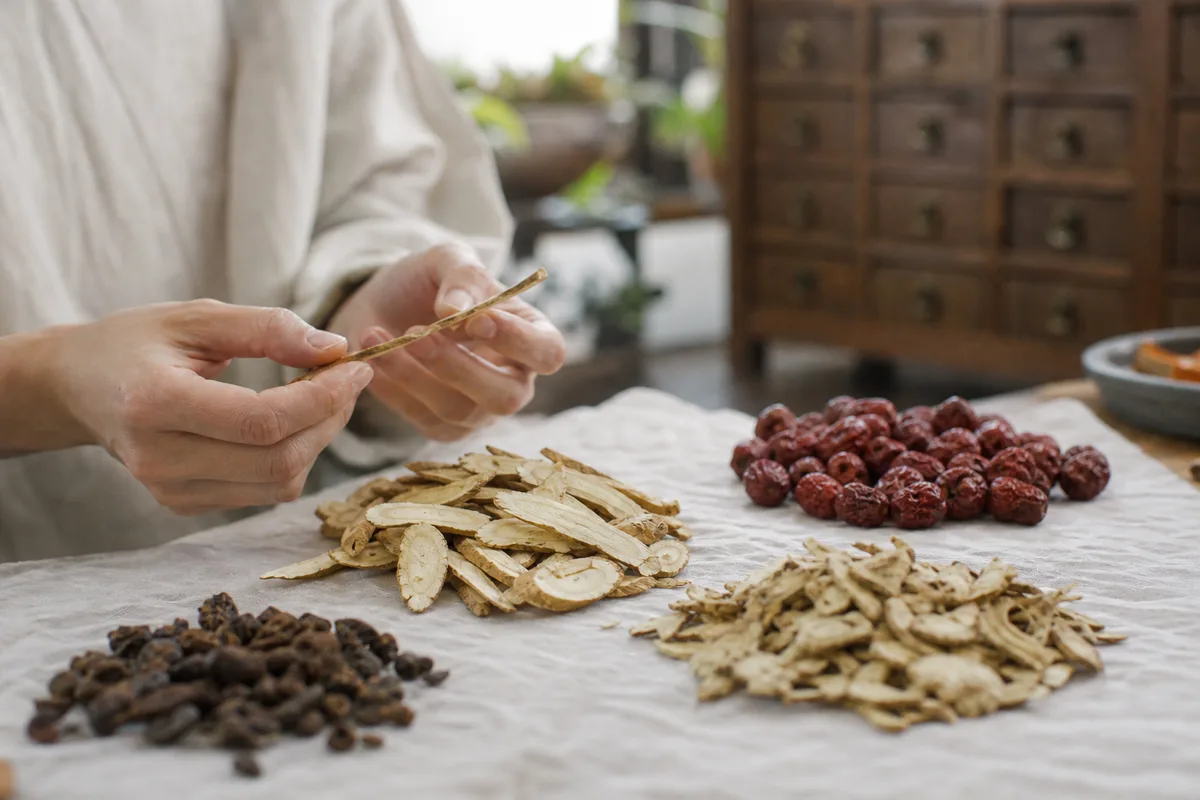
During Consultations, We Also Look at Constitution, Gut Function, and Autonomic Nervous System Balance
In urticaria consultations, we separate and examine innate constitution and currently problematic internal functions. A treatment plan is set, especially by comprehensively assessing gut status, inflammation and waste, autonomic nervous system balance, and immune and nutritional status.
The Iris Genetic Constitution Test is used to check genetic strengths and weaknesses, constitutional imbalances, and autonomic nervous system balance, and to confirm if a person has a constitution prone to frequent skin troubles due to a weak gut. The Ryodoraku Meridian Function Test examines organ function, overall vitality, and disease deficiency-excess at major acupoints of hands and feet.
The HRV Heart Rate Variability Test is used to check the activation and balance of the sympathetic and parasympathetic nervous systems. The InBody S10 Cellular Health Immunity Test measures cell function, immune and nutritional status, body water, and body fat to assess overall cellular health.
If you already have blood test or allergy test results or are taking medication, it is advisable to bring them when visiting. Rather than arbitrarily stopping current treatment, it is safe to continue necessary consultations while checking the medication being taken and changes in symptoms.
Managing Skin Urticaria at Home
When urticaria flares up, controlling the urge to scratch the skin should be a priority. Repeated scratching can lead to wounds and secondary infections, so it's helpful to keep nails short and wear clothing that is less irritating.
- Briefly record recent food intake, medications, exercise, emotional changes, and temperature stimuli.
- If you react to cold air or hot stimuli, avoid sudden temperature changes.
- If symptoms arise when body temperature rises rapidly after exercise, gradually increase the intensity.
- Manage severe itching by reducing skin irritation rather than rubbing.
- Lack of sleep and repeated tension can disrupt autonomic nervous system balance, so secure rest time.
- Check for elements in food and lifestyle habits that repeatedly overlap with symptoms.
Urticaria may appear in relation to neglect of food or lifestyle, or reduced gut function. If gastrointestinal function declines, nutrient absorption and immune status can also be affected, so during seasonal changes, it is necessary to reduce overeating and irregular meals to lessen the body's burden.
Clinic Consultations Consider Both Symptoms and Body Condition
At the Korean medicine clinic, we determine the direction of prescription by checking constitution, gut function, immune status, symptom duration and severity, and lifestyle habits. One-on-One Personalized Herbal Medicine is prescribed according to the current body condition and symptom pattern, and Skin Detox Herbal Medicine can be considered for those judged to be affected by internal waste on the skin.
Acupuncture · Moxibustion · Cupping · Pharmacopuncture may be combined to examine qi and blood circulation, constitutional management, skin heat and inflammatory response. Depending on the need, Qingre Detox Pharmacopuncture, Phototherapy, and Korean Herbal Topical Preparations are also used, and their application is determined after diagnosis.
Korean Herbal Topical Preparations such as Jaungo · Jaungo Cream, Ilhwanggo, and Qingre Cream can be prescribed for skin soothing and itch management purposes. Additionally, herbal ointments · creams, organic aroma oil sprays for home use, and guidance on food and lifestyle management methods are provided.
However, all treatment responses can vary depending on individual constitution, symptom duration, and living environment. If you are taking Western medicine, consult your medical team before reducing or stopping them, and provide your medication information during clinic consultations.
These Symptoms Require Internal Medicine or Emergency Room Consultation First
If urticaria is accompanied by swelling of the lips, tongue, or throat, or if you feel shortness of breath and a tightening sensation in the throat, do not delay seeking emergency care. Dizziness, fainting sensation, cold sweat, and severe overall weakness are also not easily considered mere skin symptoms.
If symptoms rapidly spread throughout the body with breathing difficulties, or if they worsen rapidly after consuming drugs or food, 119 or emergency room care is a priority. Children, the elderly, pregnant individuals, and those with underlying conditions may need prompt medical confirmation even if symptoms appear mild.
Moreover, if the scratched area becomes increasingly oozy, hot, and painful, or if wounds spread, secondary infection should be checked. Korean medicine clinic consultations are appropriate after excluding emergency situations and stabilizing the current condition.
Frequently Asked Questions
Do I need a consultation even if urticaria disappears in a few days?
Acute urticaria often subsides in about a week. However, if the same symptoms frequently recur, continue for more than 4-6 weeks, or only subside temporarily with medication, a consultation to examine underlying causes in the body may be helpful.
Can urticaria occur even if no cause was found in the allergy test?
Yes, it is possible. Chronic urticaria often presents cases where the cause is difficult to pinpoint, and factors such as infection, metabolism, endocrine disorders, psychological factors, autonomic nervous system balance, and gut function may be involved. Therefore, it is necessary to view symptom records and body condition evaluations together.
Can I receive clinic consultation while taking dermatological drugs?
If you are taking medication, do not stop it arbitrarily, and bring the name of the medication, the duration of use, and existing test results. In clinic consultations, we review the current treatment content and conduct consultations by examining constitution, gut function, immune status, and lifestyle habits.
If it repeats every seasonal change, is it chronic urticaria?
Repetition does not necessarily mean chronic urticaria. It is necessary to see how long symptoms last when they occur, whether the overall duration is more than 6 weeks, and whether they are related to specific temperatures, exercise, or emotional changes.
Seasonal urticaria may pass as a temporary skin reaction, but if it repeats or persists for a long time, it is necessary to calmly check gastrointestinal function, immune status, and autonomic nervous system balance. Rather than just enduring the itch or guessing the cause, it is advisable to organize the duration of symptoms, triggering situations, current medications, and existing test results for consultation.
Hoechundang Kyunghee Ryu Korean Medicine Clinic provides information related to urticaria in an easy-to-understand manner through the clinic's health column. If you are curious whether your symptoms are acute or chronic, and what management is needed, first accurately identify your condition and then receive urticaria consultation.
※ Note This article is intended to provide general health and medical information, and applicability and results may vary depending on individual health conditions. Accurate diagnosis and determination of examination and treatment procedures should be decided after consultation with medical professionals.