
As the college entrance exam approaches, many students experience decreased sleep and increased tension, saying "I've lost all my energy" or "I can't concentrate even when I'm sitting." At this time, the purpose of the Exam Student Herbal Tonic is not simply to boost energy, but to consider digestion, sleep, and tension together to help the body endure the exam schedule.
However, the same prescription does not work for everyone. It is important to determine whether decreased concentration is due to fatigue, gastrointestinal burden, or anxiety and sleep issues, and then consult about Exam Student Gongjindan, Chongmyungtang, digestive medicine, or Uwhang Cheongsimwon according to the condition.
Reasons why decreased stamina before the college entrance exam affects concentration
During adolescence and the exam period, the time spent sitting and studying increases while physical activity decreases. If this lifestyle continues, circulation and metabolism can decline, leading to complaints of headaches, chronic fatigue, and decreased concentration. Even if no abnormalities are found during tests, study efficiency may decrease due to anxiety, nervousness, and hypersensitivity.
In Korean medicine, this condition is examined in terms of decreased energy and weakened organ functions, particularly the burden on the spleen and stomach functions. When the body is exhausted, the mind becomes sensitive, and when the mind is tense, sleep and digestion can be disrupted, creating a vicious cycle. Therefore, managing exam students involves not only "what to eat" but also "whether there is enough strength to digest, sleep, and recover."

When a weak stomach makes nourishing food burdensome
As the exam approaches, families want to provide good food. However, when the digestive system is weakened, rich nourishing foods or overeating can cause bloating, abdominal pain, diarrhea, or constipation. The spleen and stomach are explained as the basis for receiving nutrition from food and creating energy and blood.
Students with weak spleen and stomach may experience easy abdominal distension, inability to eat much, heaviness in the head and body, or loose stools. In such cases, rather than simply eating more, reducing the burden on the stomach and examining the state of digestion and absorption is the priority. Exam student herbal tonics also consider both the direction of boosting energy and supporting stomach function.
When tension and fatigue lead to sleep, digestion, and headaches
As the exam approaches, tension may prevent deep sleep, and students may not feel refreshed even after waking up in the morning. In a state of heightened sensitivity, appetite may decrease, and frequent restroom visits, alternating constipation, and diarrhea can occur. Female students may experience dysmenorrhea or menstrual irregularities, making condition management more challenging.
If these symptoms persist, not only stamina but also motivation and concentration can easily decline. Especially before important mock exams or the college entrance exam, rather than trying something new, it is necessary to stabilize the current sleep schedule and meal rhythm according to the exam schedule. In the Growth-Support Herbal Tonic · Exam Student Herbal Tonic consultation at Hoechundang Kyunghee Ryu Korean Medicine Clinic, these lifestyle patterns and symptoms are reviewed to determine the direction of prescriptions.
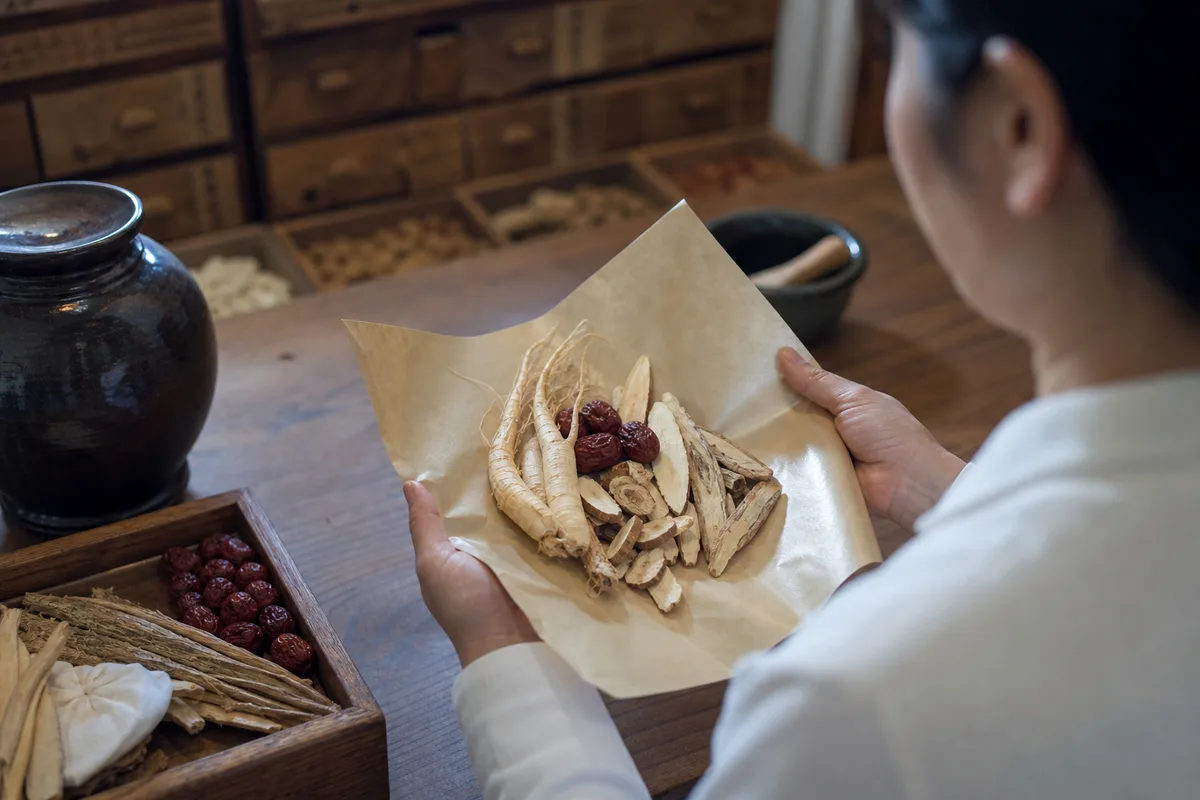
During consultations, energy, stomach, and sleep conditions are assessed together
During consultations, we first check through consultation when fatigue became severe, when concentration decreases during study time, and the state of meals and bowel movements. Through pulse diagnosis, we assess whether energy is weak or organ functions are declining, and consider the examinee's constitution and current state. Instead of simply approaching it as "tonic herbal medicine before the exam," we distinguish where the core of the symptoms lies.
If necessary, a Ryodoraku Meridian Function Test can be conducted. This test measures the activation level of meridian functions at major acupuncture points on the hands and feet to reference the overall energy level and organ function status. Additionally, the InBody S10 Detailed Body Water Analysis is used to examine body composition, internal water balance, nutritional status, and cell health to inform prescription decisions.
Condition management for exam students at home
Before the college entrance exam, it is helpful to create a rhythm that matches the exam day in advance rather than suddenly changing the lifestyle significantly. Especially if sleep and meal times are disrupted, digestion and concentration can also be shaken, so it is advisable to maintain a consistent pattern. Even when taking tonic herbal medicine, lifestyle management should be conducted together to reduce the body's burden.
- Adjust the waking time and breakfast time to be close to the actual exam schedule.
- Rather than drastically reducing sleep, find an appropriate sleep time when the mind is relatively clear.
- Maintain a diet that is easy to digest and not burdensome to the stomach rather than greasy or excessive food.
- Even if there is no appetite, eat light meals to prevent excessively long fasting periods.
- When studying for long periods, move lightly in between to relieve tension in the neck and shoulders.
- Do not suddenly increase new nourishing foods or caffeine drinks right before the exam.

Exam Student Herbal Tonic prescriptions are tailored to lifestyle patterns
In Korean medicine clinic consultations, herbal medicines to boost stamina and energy, digestive medicines to support the stomach, Chongmyungtang to clear the mind, and Uwhang Cheongsimwon to alleviate tension are reviewed and prescribed according to the condition. Chongmyungtang is known as a prescription from the "forgetfulness" section of Donguibogam, and consultation is done according to the student's individual condition after pulse diagnosis. For students who find frequent visits difficult, convenient extract herbal medicines can be considered.
When should I consult about Exam Student Gongjindan?
Wonbang Sahyang Gongjindan is a tonic herbal medicine made from musk, deer antler, angelica, and cornus, which can help with strength and concentration management for tired students. However, rather than arbitrarily choosing it like a health supplement, it is better to determine the intake and duration after checking the current level of fatigue, sleep condition, and digestive state. It is usually advised to chew and consume it on an empty stomach after waking up in the morning, and since it has an awakening effect, taking it late at night can interfere with sleep, so it is important to follow medication guidance.
When are Acupuncture · Moxibustion · Pharmacopuncture used together?
When there are accompanying symptoms such as headaches, indigestion, neck and shoulder tension, or stomach symptoms, acupuncture, moxibustion, and pharmacopuncture treatments can be considered together based on the current condition. These treatments are conducted to help restore the balance of the autonomic nervous system and stomach function. The frequency and combination of treatments can vary depending on symptoms, schedule, and stamina.
Seek hospital or emergency room care in these cases
The fatigue and headaches of exam students cannot all be managed with tonic herbal medicines. If severe symptoms occur suddenly or differ from usual patterns, internal medicine or emergency room consultations may be necessary. Especially in urgent situations like changes in consciousness, severe dehydration, or high fever, it is safe not to delay.
- In cases of sudden severe headache, slurred speech, or weakness in limbs
- When chest pain, difficulty breathing, fainting, or decreased consciousness occur
- When high fever persists or severe vomiting and diarrhea make it difficult to drink water
- In cases of black stools, bloody vomiting or stools, or severe abdominal pain
- When anxiety is so severe that daily life or sleep is nearly impossible
Frequently Asked Questions
Is it okay to start tonic herbal medicine with little time left before the college entrance exam?
Even if the time left is short, you can check your current fatigue, digestion, and sleep conditions for consultation. However, it is better to make a careful decision by considering your body condition, schedule, and intake experience together rather than starting a new prescription hastily right before the exam.
Is Exam Student Gongjindan safe for everyone?
Gongjindan can help with strength and concentration management for exam students, but it is not recommended in the same way for all students. Taking it late at night can interfere with sleep, so it is necessary to follow the time and method guided after consultation.
What if my child finds it difficult to visit frequently?
Exam students often find it difficult to visit frequently due to academy, self-study, and exam schedules. Considering this situation, herbal medicines, digestive medicines, Chongmyungtang, and Uwhang Cheongsimwon can be prescribed according to the condition, and convenient extract forms can be consulted if necessary.
Is management needed even after the exam is over?
After a major exam, fatigue, gastrointestinal issues, and musculoskeletal pain can occur as tension is released. It is advisable not to abruptly disrupt sleep and meal rhythms even after the exam, and if energy continues to drop, it is good to check your condition.
Condition management for exam students should begin by identifying the reason for the current exhaustion rather than supplementing a lot of things in a short period. Depending on whether fatigue is central, stomach function is weak, or tension and sleep issues are significant, the direction of consultation may vary. At Hoechundang Kyunghee Ryu Korean Medicine Clinic, through Growth-Support Herbal Tonic · Exam Student Herbal Tonic consultations, we examine the student's lifestyle rhythm and symptoms and guide prescriptions and lifestyle management if necessary. It is advisable to check the current condition first rather than deciding to take it unconditionally.
※ Notice This article is intended to provide general health and medical information, and applicability and results may vary depending on individual health conditions. Accurate diagnosis and decisions on examinations and treatments should be made after consulting with medical professionals.