
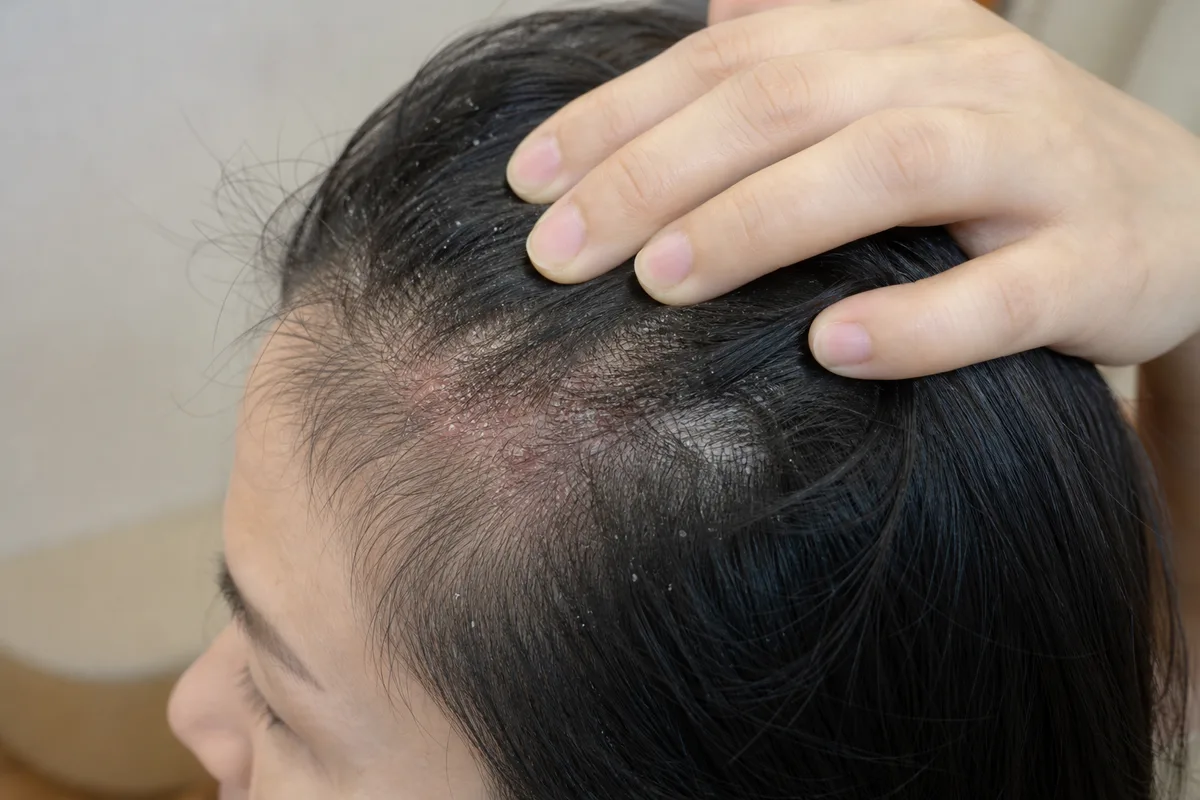
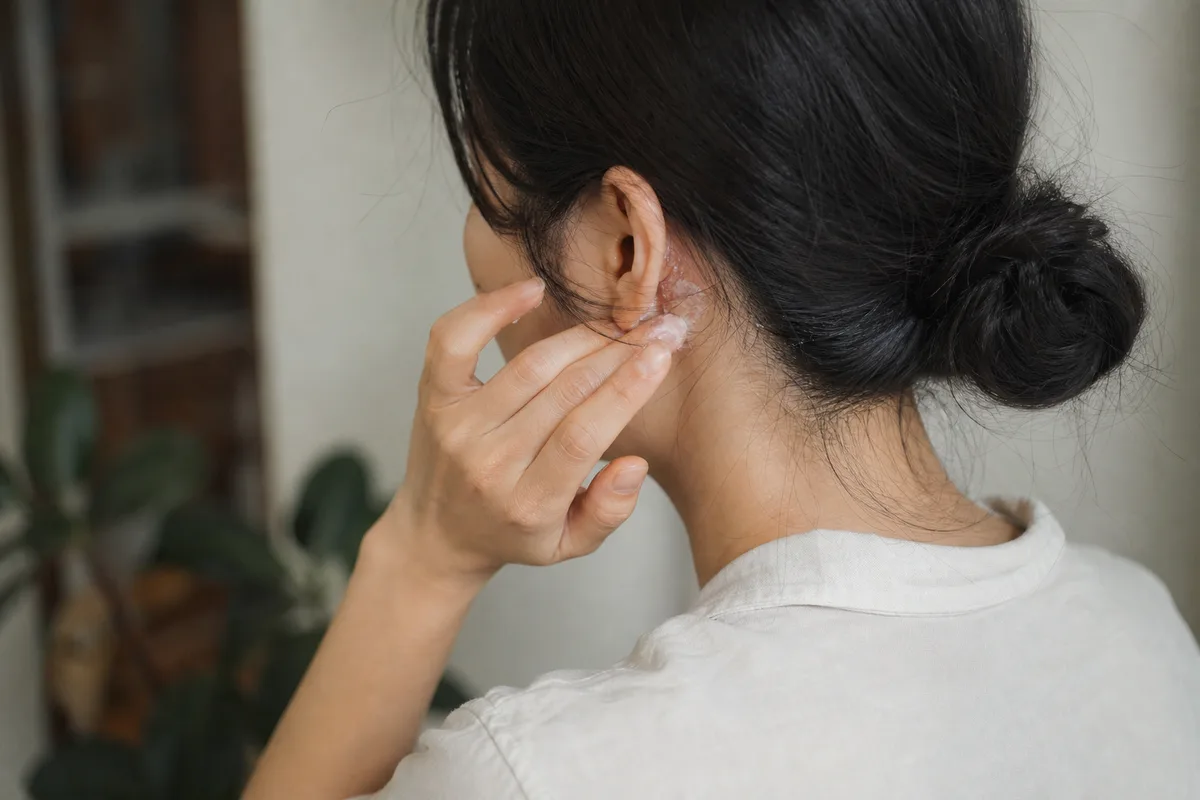
Initially, scalp seborrheic dermatitis may only cause a slight increase in dandruff and itching, but as it seems to spread around the ears over time, concerns may grow. Especially if scratching leads to stinging sensations and thickened scales or if the condition improves and then worsens repeatedly, it can be difficult to dismiss it as simple scalp dryness.
The key is to verify the current extent of inflammation, the itchiness and pain, the nature of the scales, and the reasons for recurrence, rather than whether it has spread to the ears. Seborrheic dermatitis is an inflammatory skin condition characterized by red spots and dandruff-like scales in areas with high sebum production, which requires an approach that considers not only surface skin care but also stress, lifestyle, and body balance.
Symptoms of Seborrheic Dermatitis to Check When It Spreads from the Scalp to Around the Ears
Scales Resembling Dandruff and Red Inflammation
Seborrheic dermatitis is known to commonly occur in areas with high sebum production, such as the scalp, face, forehead, chest, and armpits. Typically, dry or oily white-yellow scales resembling dandruff may appear on a red base. When it appears on the scalp, it may be easily overlooked as mere dandruff, but if itching recurs and redness accompanies it, the possibility of inflammatory dermatitis should be considered.
When Itching Changes to Stinging or Pain
Initially, itching and scales are the main discomforts, but as it worsens, stinging or pain may occur. Scratching can lead to skin barrier damage and increase the risk of secondary infection, so caution is needed. If discomfort spreads from the scalp to the area around the ears, back of the neck, and face, it is advisable to seek medical consultation rather than neglecting it to check the current condition.
Why Does Mild Seborrheic Dermatitis Recur and Spread?
General Medical Perspective
Seborrheic dermatitis is an inflammatory skin condition characterized by erythema and scales, i.e., red spots and dandruff-like scales, in areas with high sebum production and frequent recurrence. Hormones, mental stress, external factors, and genetic factors are cited as major causes. Prolonged stress can increase sebum production due to stress hormones, and in a weakened state, bacterial growth can exacerbate inflammation and scaling.
In Oriental Medicine, Body Balance is Also Considered
In oriental medicine, symptoms visible on the skin are not the only focus; constitutional causes, organ imbalances, and skin immune states are also considered. Seborrheic dermatitis often recurs due to factors such as food, stress, and lifestyle, so the condition of the liver, stomach, intestines, and the flow of internal inflammation and waste are also referenced during diagnosis. This perspective can help not only in alleviating surface skin inflammation but also in reducing factors that cause the condition to worsen again.
Related consultation details can also be found on the Seborrheic Dermatitis page of the Hoechundang Kyunghee Ryu Korean Medicine Clinic website.
During Consultation, Both Skin and Body Conditions Are Verified
Checking the Extent of Symptoms and Products in Use
During consultation, the extent of visible inflammation on the scalp, around the ears, face, and back of the neck, as well as the color and thickness of the scales, and the degree of itching and pain are verified. Reviewing previously used ointments, shampoos, cleansers, and topical preparations is helpful in reducing irritants. If you have results from blood tests or allergy tests, bringing them during your visit can be helpful in planning your treatment.
Tests for Constitution, Autonomic Nervous System, and Immune State
At Hoechundang Kyunghee Ryu Korean Medicine Clinic, tests such as the Iris Genetic Constitution Test, Ryodoraku Meridian Function Test, HRV Autonomic Nervous System Test, and Cellular Health Immunity Test using InBody S10 are utilized as needed. The Iris Genetic Constitution Test is a non-invasive test that comprehensively examines constitutional imbalance, emotional response, and autonomic nervous system balance. The HRV Test checks the balance of the sympathetic and parasympathetic nerves related to stress, and the InBody S10 helps in assessing nutritional status, circulation, and body fluid balance.
Scalp and Lifestyle Management You Can Do at Home
Home management should be conducted in a way that does not irritate inflammation and minimally disrupts the skin barrier. Scrubbing vigorously or scratching scales with nails can cause wounds and widen inflammation. While maintaining cleanliness of the scalp and face, it's important to create a lifestyle pattern that reduces irritation and allows for adequate rest.
- Lightly shampoo and cleanse, avoiding products with strong exfoliating ingredients.
- After washing your hair, gently dry it to prevent the scalp from staying damp for long.
- Avoid scratching with your nails, and if you experience stinging or discharge, seek consultation rather than changing products on your own.
- Stress can make the skin oily and worsen symptoms, so monitor your sleep and rest rhythm.
- If greasy foods or irregular eating habits persist, organize your meal patterns and try reducing overeating and late-night eating.
- If you are using ointments or medications, do not stop or increase usage on your own, and consult with your medical team.
Seborrheic Dermatitis Treatment is Planned According to Symptoms and Constitution
Customized Herbal Medicine and Skin Detox Herbal Medicine
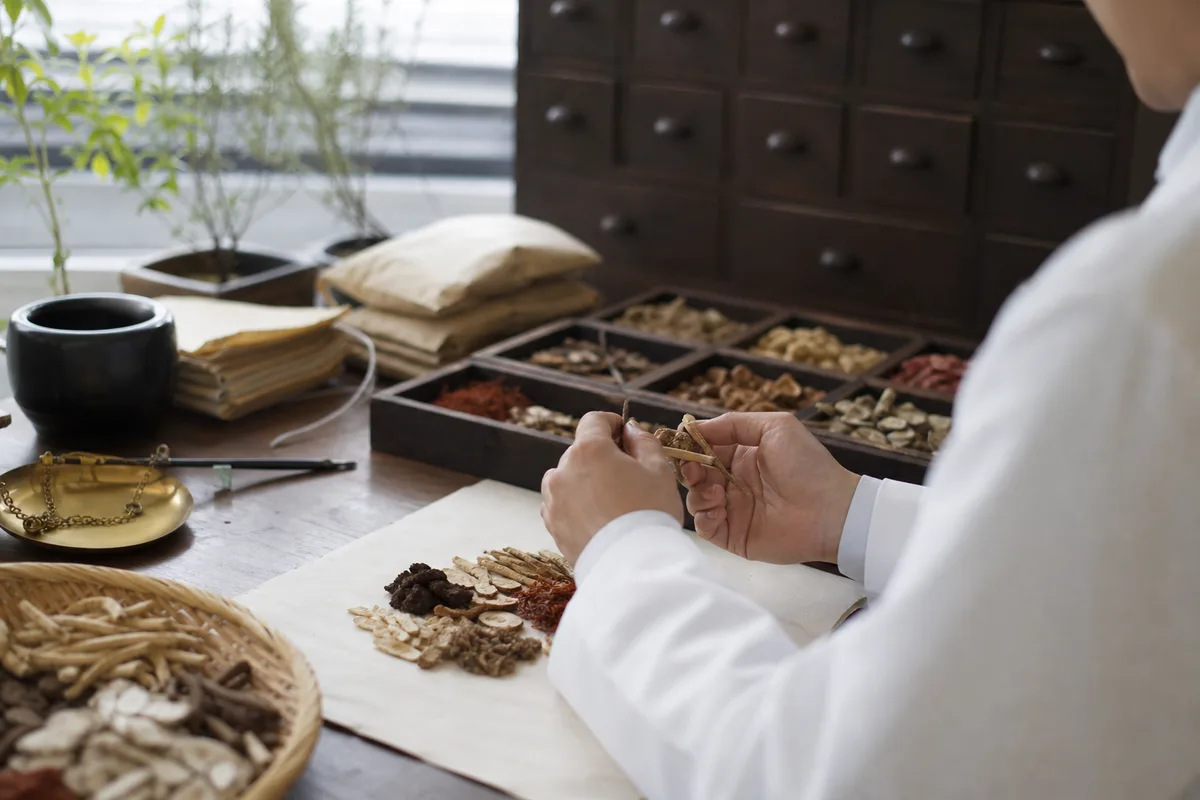
In Korean medicine clinic consultations, herbal medicine prescriptions are not determined by the disease name alone but also by considering constitution, symptom severity, duration, and lifestyle. If waste accumulation affecting skin inflammation is observed, skin detox herbal medicine may be considered. This involves examining internal inflammation, circulation, and intestinal health, and the prognosis can vary based on individual conditions.
Acupuncture · Moxibustion · Cupping · Pharmacopuncture, Phototherapy, and Topical Preparations
If necessary, a treatment plan is established to promote qi and blood circulation and skin regeneration with acupuncture and moxibustion, and to alleviate heat and inflammation through cupping or cooling detox pharmacopuncture. Phototherapy may be used as a method to aid the regeneration of healthy skin cells with ultraviolet light. Korean herbal topical preparations such as Jaungo, Jaungo Cream, Ilhwanggo, and Cheongyeolgo are prescribed based on the condition of the lesions, and guidance on scalp cleansing methods and home-use ointments, creams, and aroma oil sprays can also be provided.
In These Cases, Hospital or Emergency Room Consultation is Necessary First
Even if inflammation around the scalp and ears appears to be seborrheic dermatitis, if there is severe pain or suspected infection, quick verification is necessary. Particularly if accompanied by high fever, rapid swelling, and heat, or if there is significant discharge and visible pus, more active treatment than general skin inflammation may be required. If accompanied by ear pain, hearing loss, dizziness, or facial paralysis on one side, immediate hospital or emergency room consultation should be considered.
Additionally, if swelling and pain spread around the eyes, or if scratched wounds rapidly enlarge and redden, prompt consultation is advisable for safety. If you have an existing immune-compromised condition or are taking multiple medications, it is better to inform the medical team about your current medications and products rather than adding ointments or folk remedies on your own.
Frequently Asked Questions
If Scalp Seborrheic Dermatitis Spreads to the Ears, Is It Severe?
It cannot be definitively classified as severe, but it may be a sign that the area of inflammation is widening. If scalp itching and scaling lead to redness, stinging, discharge, and pain around the ears, it is advisable to seek consultation to confirm the current skin condition and irritants rather than neglecting it.
Can Using Only Dandruff Shampoo Improve It?
While mild scalp scaling may be alleviated by adjusting cleansing habits, seborrheic dermatitis is a condition prone to recurrence and accompanied by inflammation. If itching, redness, yellow scales, and stinging persist despite changing shampoos, it is necessary to verify whether scalp care alone is sufficient.
Is It Okay to Use Steroid Ointment for a Long Time?
Steroid ointments can be helpful when used according to the prescribed purpose and duration, but prolonged use can weaken the skin and increase the risk of secondary infections, so caution is needed. If you are already using medication, do not stop or increase usage on your own, and inform about the usage duration and area during consultation.
Can Young People Also Get Seborrheic Dermatitis?
Seborrheic dermatitis is known to be more common in adult males, but recently, due to factors such as cosmetics, harmful substances, and poor dietary habits, it can appear in young patients regardless of gender. It is important to look at the actual symptom patterns and lifestyle factors rather than judging solely by age.
If inflammation starting from the scalp has extended to around the ears, it is important to calmly verify whether it is simple dandruff, seborrheic dermatitis, or accompanied by wounds and secondary infections. The treatment direction can vary based on the extent of symptoms, recurrence period, skin irritants, and body balance, so rather than considering one method as a definite answer, it is advisable to seek consultation based on the current condition.
Hoechundang Kyunghee Ryu Korean Medicine Clinic plans consultations by considering not only symptoms appearing on the scalp and face but also stress, lifestyle, constitution, and organ balance. For detailed consultation items, refer to the Seborrheic Dermatitis page, and if symptoms are spreading or recurring, it is important to accurately verify your current condition.
※ Note This article is intended to provide general health and medical information and may vary in applicability and results depending on an individual's health condition. Accurate diagnosis and determination of examination or treatment procedures should be decided in consultation with medical professionals.