
If facial seborrheic dermatitis persists for a long time, it can become burdensome to even look in the mirror or meet people. When redness and flakiness repeatedly occur, it is understandable to feel depressed, wondering, "Why does it come back even with care?"
The key is that it's not just a problem on the surface of the skin; sebum secretion, stress, skin barrier, and body balance can all influence it together. If symptoms recur, it's advisable to check the current skin condition, lifestyle factors, and constitutional tendencies together and then make a treatment plan for seborrheic dermatitis.
How do facial seborrheic dermatitis symptoms appear?
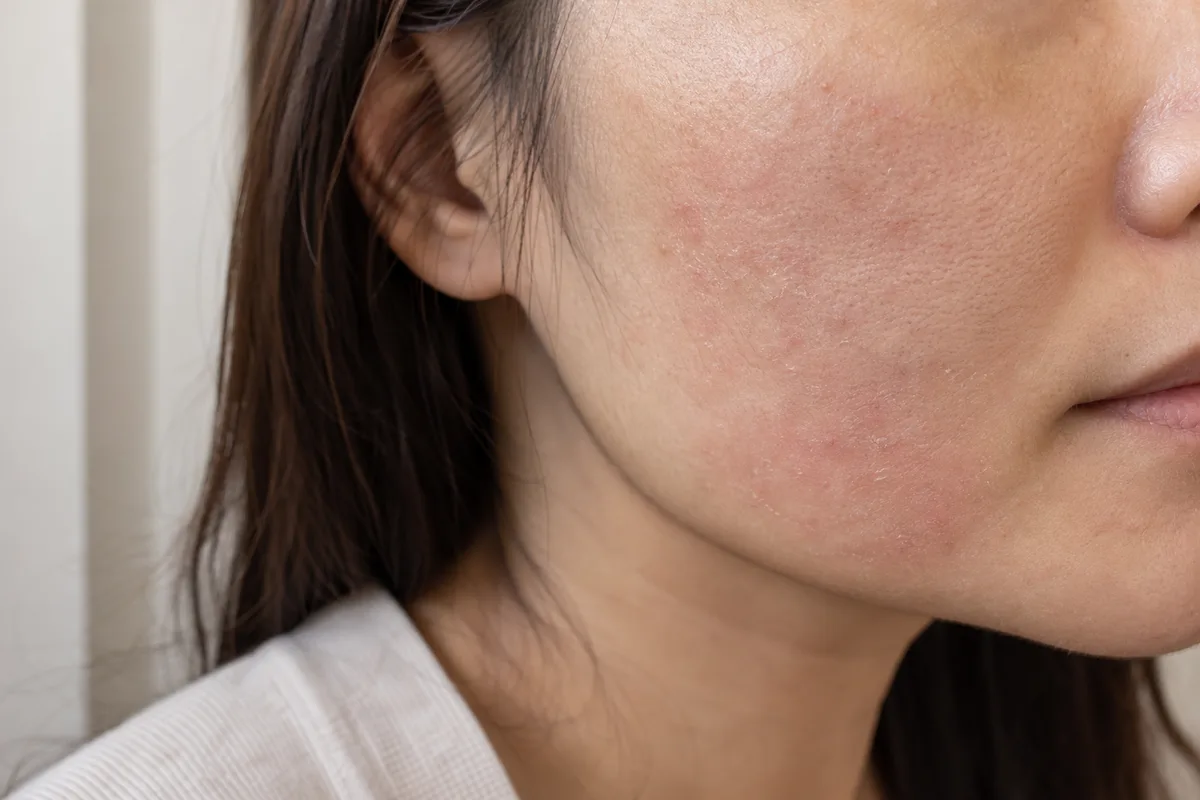
Seborrheic dermatitis is an inflammatory skin condition that commonly occurs in areas with high sebum secretion such as the scalp, face, forehead, chest, and armpits. On the face, the forehead, around the nose, and cheeks often become red and flaky, resembling dandruff.
The flakes can appear dry or resemble white or yellowish scales mixed with oil. Itching accompanies it, and if it worsens, it can lead to a stinging or painful sensation.
Characteristically, it often improves only to flare up again soon. Stress can make the skin greasy and exacerbate the symptoms, which can affect social confidence and make one self-conscious of others' gazes.
Causes of seborrheic dermatitis involve both external and internal factors
Medically, seborrheic dermatitis is viewed as a condition where erythema and scaling, or red spots and dandruff-like flakes, repeatedly occur in areas with high sebum secretion. Hormones, mental stress, external factors, and genetic factors are known to be related.
Chronic stress can increase sebum production due to stress hormones. When the skin's resistance decreases, bacteria can proliferate, leading to inflammation, flakiness, and itching.
In Korean medicine, not only the symptoms visible on the face are considered, but also the skin barrier, immune function, intestinal health, autonomic nervous system tension, and the state of the liver, stomach, and intestines are examined together. At Hoechundang Kyunghee Ryu Korean Medicine Clinic, the focus is on identifying causes by considering constitution, organ balance, and lifestyle factors in the seborrheic dermatitis treatment.
Neglecting recurring seborrheic dermatitis may widen its scope
If facial symptoms persist for a long time, they can spread to other sebum-rich areas like the back of the neck or chest. If scratched and wounds occur, there is a higher risk of secondary infection, so management to reduce irritation is necessary.
Continuously touching and forcibly removing flakes due to itching can further weaken the skin barrier. Especially when symptoms are severe, there is a tendency to repeatedly engage in strong cleansing or excessive exfoliation in a hurry to calm them down, but such habits can make the skin more sensitive.
If you are using steroid ointments, it is safer to consult with the prescribing medical team about the duration and method of use rather than using them indefinitely or stopping abruptly. If you wish to combine Korean medicine treatment, you should also check the current ointments and medications being used.
During consultation, both skin condition and body balance are checked
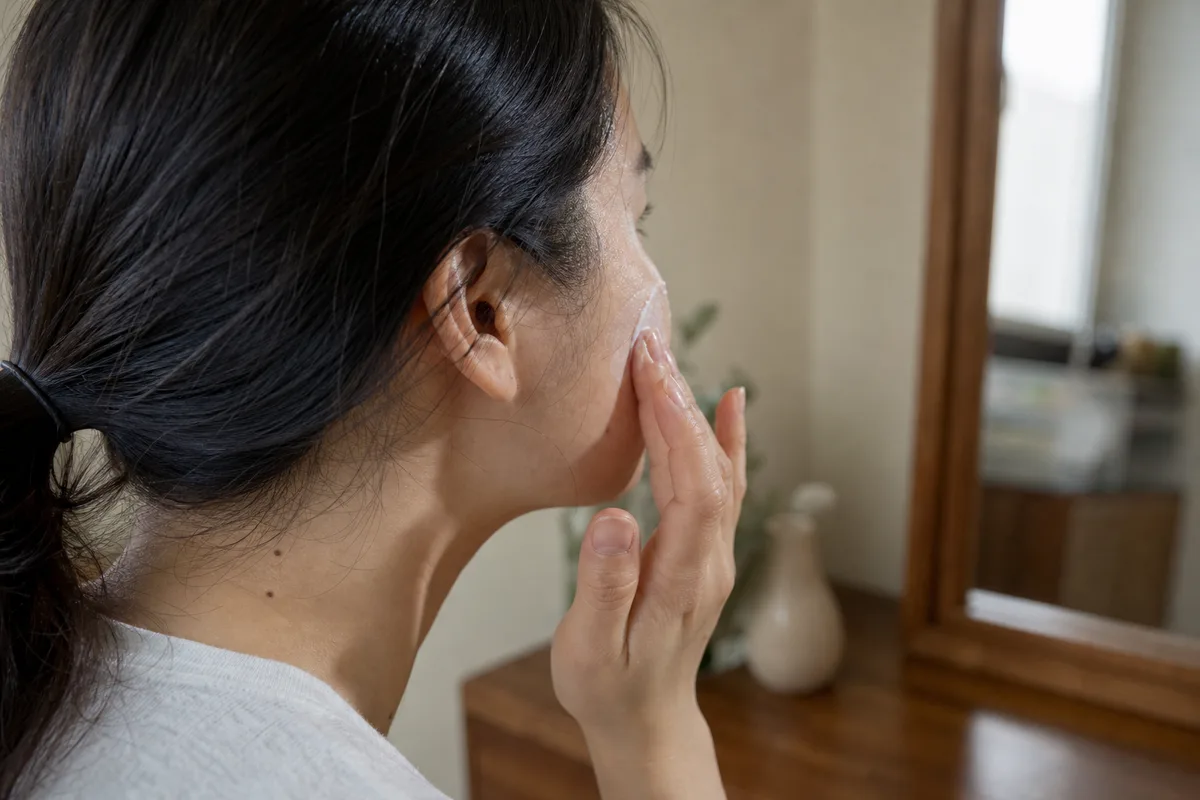
During the consultation, areas like the face, scalp, and chest where symptoms appear are checked for redness, flakiness, itching, and pain. Factors such as when symptoms worsen, their relation to stress or diet, and any previously used ointments or medications are also reviewed.
Tests such as the Iris Genetic Constitution Test provide a comprehensive view of genetic strengths and weaknesses, constitutional imbalance, emotional response, and autonomic nervous system balance. The Ryodoraku Meridian Function Test measures meridian function at major acupoints on the hands and feet to assess energy levels and deficiencies.
The HRV Autonomic Nervous System Test examines the activity and balance of the sympathetic and parasympathetic nervous systems. The Cellular Health Immunity Test, or InBody S10, helps understand the current body condition by checking cellular function, immune and nutritional status, circulation, body water, and body fat.
If you have existing blood test or allergy test results, or if you are taking medications or using ointments, it's advisable to bring them during your visit. Even if it's the same facial seborrheic dermatitis, the treatment plan may vary depending on the duration of the condition, aggravating factors, and body condition.
At-home care for face and scalp
Home management should focus on reducing skin irritation and alleviating aggravating factors, rather than trying to forcibly eliminate symptoms. Particularly, cleansing, sleep, and stress management can influence repeated exacerbations.
- Gently cleanse, avoiding cleansers with strong exfoliating ingredients.
- After cleansing, ensure moisturizing to prevent skin tightness.
- Avoid peeling flakes off by hand or repeatedly rubbing red areas.
- If there are dandruff-like flakes and itching on the scalp, pay attention to scalp cleansing as well.
- During stressful periods, record symptom changes and inform during consultation.
- Observe if oily foods or irregular eating habits are related to symptoms.
- Lack of sleep can burden skin recovery, so maintain a consistent sleep rhythm.
When it comes to cosmetics, it's better to use them simply and observe any irritation reactions rather than changing multiple products at once. If redness or stinging worsens after using a new product, temporarily stop using it and inform during consultation.
How consultations at the Korean medicine clinic proceed
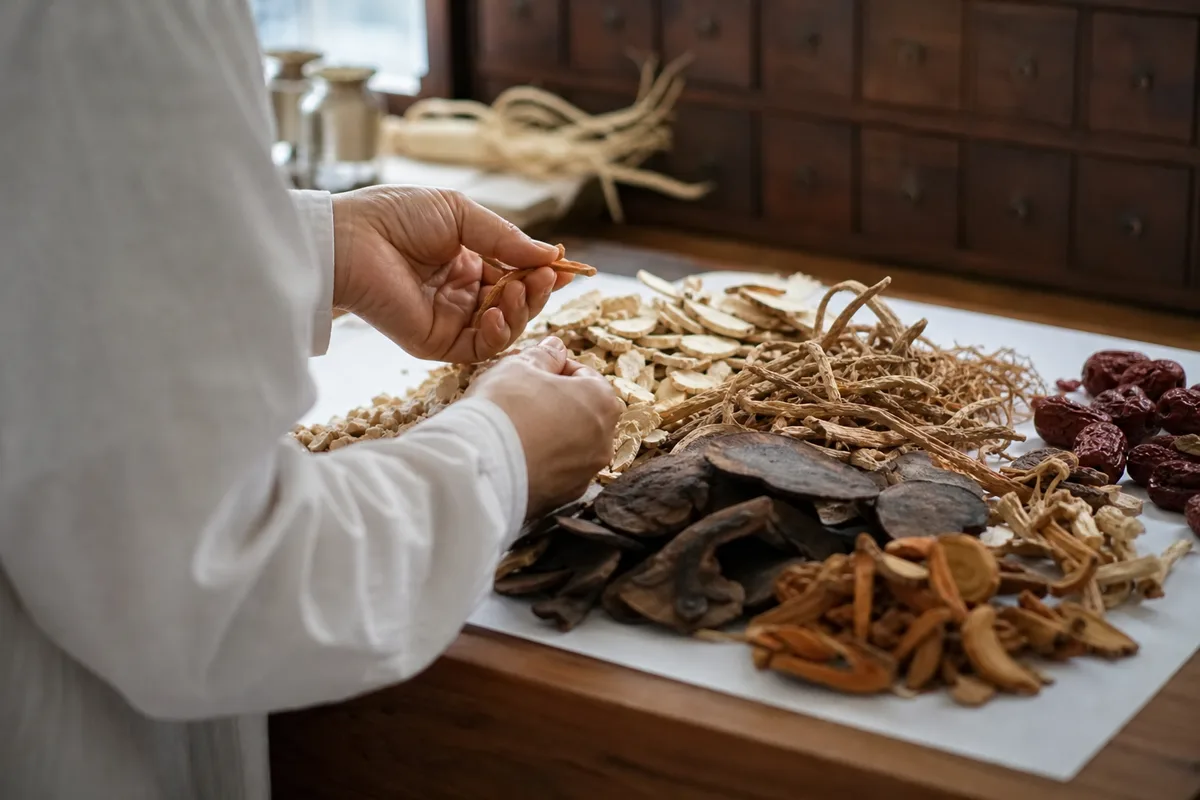
At the Korean medicine clinic, prescriptions are not determined solely by the disease name but by considering constitution, severity of symptoms, duration of the condition, and lifestyle habits. Treatment direction is set by examining the skin barrier and immune status, internal inflammation, circulation, hormones and metabolism, and intestinal health.
If necessary, One-on-One Personalized Herbal Medicine is prescribed to help manage both body condition and skin symptoms. If toxins affecting the skin are observed, Skin Detox Herbal Medicine may be considered. At Hoechundang Kyunghee Ryu Korean Medicine Clinic, herbal medicine prepared by the In-House Herbal Medicine Research Lab is used according to the treatment plan.
Acupuncture, moxibustion, cupping, and pharmacopuncture can be applied to aid in the circulation of qi and blood and skin recovery. Cheongyeolhaedok Pharmacopuncture may be used when there is heat and inflammation, and phototherapy utilizes ultraviolet light to help regenerate healthy skin cells.
External applications such as Jaungo, Jaungo Cream, Ilhwanggo, Cheongyeolgo, etc., can be prescribed according to symptom patterns. Guidance on cleansing methods, scalp home care, and ointment, cream, or aroma oil spray use at home can also be provided, but outcomes and reactions may vary by individual.
In these cases, seek a hospital or emergency room first
Most seborrheic dermatitis cases show a gradual recurring pattern, but if sudden severe pain and swelling occur or there is a lot of pus, the possibility of infection should be checked. Do not delay if fever occurs and skin lesions spread rapidly.
If there is severe swelling around the eyes or blurred vision, or if the lips, tongue, or throat swell making breathing difficult, seek emergency care first. If accompanied by systemic urticaria, dizziness, or difficulty breathing, call 119 or visit the emergency room for assistance.
If you have existing immune-related conditions or are taking multiple medications, inform the medical team of your current condition, even for skin symptoms. When combining Korean medicine treatment, do not arbitrarily reduce or stop existing treatments without consultation.
Frequently Asked Questions
Does frequent washing improve facial seborrheic dermatitis?
While cleanliness is necessary, washing frequently and vigorously is not always helpful. Strong exfoliating ingredients or excessive friction can irritate the skin barrier, so it's better to cleanse gently and ensure moisturizing.
Can young people also develop seborrheic dermatitis?
Seborrheic dermatitis is known to be more common in adult males, but it can also occur in young people regardless of gender due to various factors such as cosmetics, harmful substances, and poor diet.
Should scalp dandruff and facial redness be addressed together?
The scalp and face are both areas with high sebum secretion, so symptoms can appear together. If accompanied by scalp flakes and itching, it's advisable to check scalp cleansing methods and home care along with facial symptoms.
How long does seborrheic dermatitis treatment take?
The duration can vary based on the length of symptoms, degree of skin irritation, stress and lifestyle habits, and current medications or ointments in use. Instead of fixing a duration, it's necessary to assess the current state and adjust the treatment plan according to changes.
Prolonged facial skin symptoms can affect not just aesthetics but also daily life and mental well-being. Therefore, rather than repeatedly engaging in stimulating care with the mindset of "quickly eliminating it," it's important to calmly assess whether the current symptoms are indicative of seborrheic dermatitis and what factors contribute to aggravation.
At Hoechundang Kyunghee Ryu Korean Medicine Clinic, we examine skin conditions, constitution, and lifestyle factors in consultation for repeated seborrheic dermatitis symptoms on the face and scalp. Rather than rushing treatment, accurately assess the current condition and discuss appropriate management directions with the medical team.